Thank you!
Your support is sustaining the future of local news in our communities.

Recording the history of Luther Barn - Part II: From livestock stalls to artists’ studios

WASSAIC — Whether finding space for artists to work or space to hold seasonal exhibitions and activities, The Wassaic Project has had Luther Barn in its vision. What was once known as a popular livestock market and auction ring operated by the Luther family has since been altered to house makeshift studios for resident artists. Many changes have been made to the barn since it was purchased for The Wassaic Project in 2007. Much of its history has been preserved and retold over the years, even as the barn developed a new purpose in the hamlet of Wassaic.

Revisiting the year 2007, the Luther Barn — while no longer the host of a booming market and auction ring — was still being used by Dave Luther, the grandson of the barn’s original owner, Delos D. Luther, to conduct business when it attracted the interest of Eve Biddle and Bowie Zunino, two of The Wassaic Project’s co-executive directors. It also caught the eye of The Wassaic Project’s founding funders Dick Berry and Tony Zunino (Bowie’s father), who learned that a local gun club was interested in turning the barn into a shooting range. Having saved the Maxon Mills building from demolition by purchasing it in 2005, Berry and Zunino believed turning the barn into a shooting range would ruin the character of the area’s downtown walking space and decided to purchase it instead.

While there was no specific plan at the time, it was ultimately decided that the barn’s pasture area would be leased to Wassaic resident and farmer Ben Schwartz, and later to two other farmers who worked with aqua pond agriculture. Though initially angered by the barn’s sale, Dave Luther agreed to stay on and offer his assistance to The Wassaic Project and its artists. Today, he is a frequent visitor at the barn where he maintains the surrounding property and relays the history of the barn and the former Luther Livestock Commission Market to visitors.

“I wouldn’t know what to do if I couldn’t come here every day,” Luther said during an interview with The Millerton News.

By 2008, The Wassaic Project organized its first summer festival. That same year, Jeff Barnett-Winsby, Bowie Zunino’s husband and a co-executive director of The Wassaic Project, came on board. 

Recalling his first impression of the Luther Barn, he said, “There were strange rooms and meandering corridors… but it did remind me of going to auctions as a kid. It was a strange thing where it was rural space that was always designed to have people in it.”

Throughout the seasons, Barnett-Winsby observed how the barn laid quiet and dormant until otherwise roused by community activity. Coinciding with his and Bowie’s move to the area, he said the barn really became active during the winter of 2009 as The Wassaic Project worked all winter to transform sections of the barn into artist studios. The artist residency program officially took off in May of 2010, opening with a total of 11 studios. While the barn continues to play a role in the various festivals and community gatherings, Barnett-Winsby said, “It’s really the residents that occupy the space that have been transformative to it.”

Walking around The Luther Barn today, cages that once held chickens, guinea hens, ducks, guinea pigs, pheasants, turkeys and rabbits still line its north side and are now occupied by The Wassaic Project’s safety gear, first aid kits and supplies for art projects of all shapes and sizes. The room that was previously used for selling eggs is now used as The Wassaic Project’s screen printing room while the holding pens upstairs that were once used for cattle are now used for storage space. Signs from the original market still hang on the doorway and around the building while horse equipment hangs from the upstairs ceiling. The upstairs luncheonette that was kept open during auctions has been left unattended. While there are a few inconveniences during the winter, Barnett-Winsby said the artists are good sports, and enjoy the freedom offered by the barn.

The Luther Barn has also opened its doors for community events, such as auctions for farm implementation items, tractor pulls and even marriage ceremonies.

“I love the fact that the barn is alive,” Luther said. “I love the fact that from the first of April to the end of November there are people in and out of this building. I love the fact that there are festivals here and tractor pulls.”

“I think this building has enormous potential to continue to be utilized,” Barnett-Winsby remarked, “and we’re always excited to facilitate ideas as they come along. It’s nice to have a space in town that’s flexible.”

Yet for all the love and labor that has gone into the building, Barnett-Winsby noted that The Wassaic Project has always been reluctant to have the buildings become too involved in its identity, especially since the buildings weren’t originally theirs. Nevertheless, he said The Wassaic Project is actively working to secure grants for infrastructure updates for the barn and Maxon Mills, especially for fire suppression and Americans with Disabilities Act accessibility.

As a testament to its commitment to artists and the art community, Barnett-Winsby announced that The Wassaic Project will be purchasing both the Luther Barn and Maxon Mills this year. At this time, the cost of purchasing both buildings will entail a number of taxes and appraisals. While he didn’t disclose an exact dollar figure, he said the cost for purchasing the buildings is “not insignificant but it’s something we can afford.”

Latest News

‘So Little to Do,’ so much to discover at James Barron Art

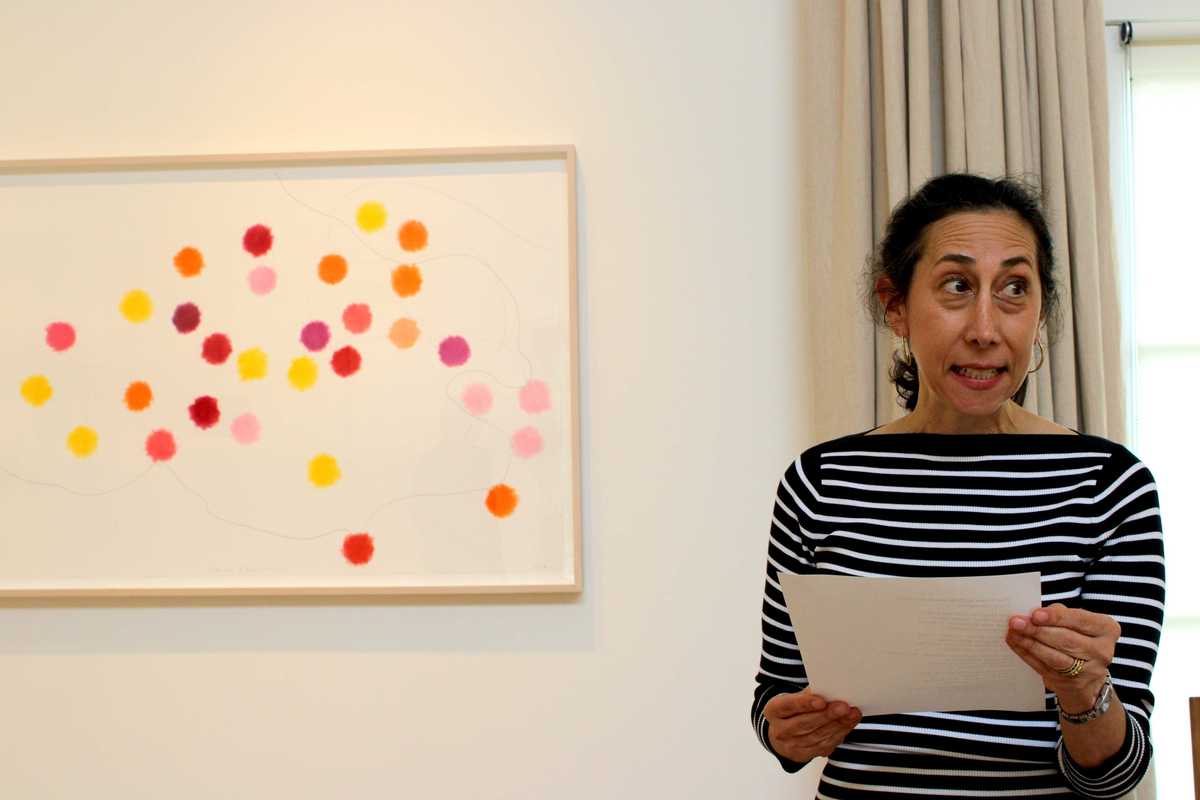
Curator Deborah Goodman Davis reads the Emily Dickinson poem “The Grass So Little Has to Do.” Spencer Finch’s “Following Three Bees (Zinnias)” buzzes in the background.

Photo by Natalia Zukerman

“The Grass Has So Little to Do,” on view at James Barron Art in Kent, takes its title from Emily Dickinson’s poem “The Grass So Little Has to Do,” written in 1862:

“The Grass so little has to do—
A Sphere of simple Green—
With only Butterflies to brood
And Bees to entertain—”

Keep ReadingShow less

Marina Kotchoubey is not a woodworker

Marina Kotchoubey is not a woodworker

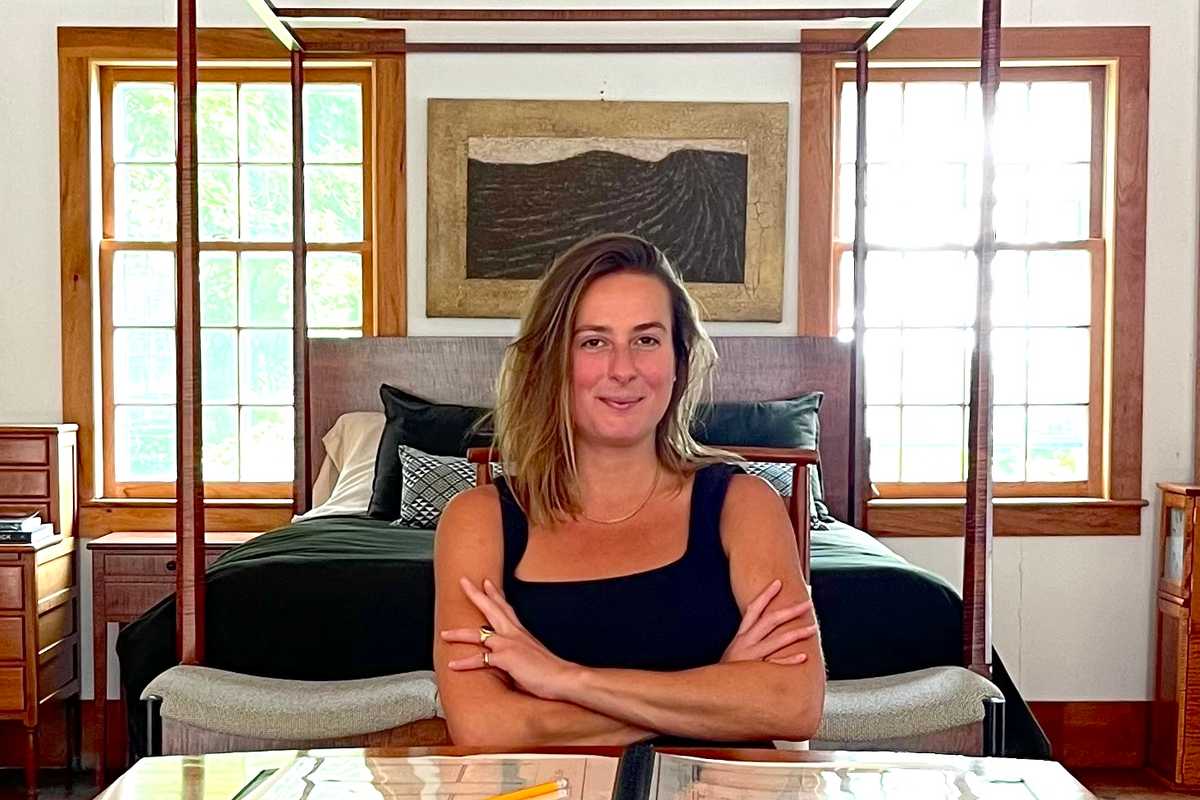
Marina Kotchoubey at the Ian Ingersoll Cabinetmakers showroom in West Cornwall.

Photo by D.H. Callahan

After 40-something years navigating the world of custom fine furniture, Ian Ingersoll was getting ready to retire. Starting off with a little dovetail stool that he sold at a shop in West Cornwall in the 1970s, he’d grown his skill and his business into something he — and the whole town — could be proud of. Shutting down that business was not an option.

Ingersoll built Ian Ingersoll Cabinetmakers, which produced mainly classical Shaker furniture, on passion: the passion he had to make a living through creative challenges and the passion of his employees, who all seem deeply in love with their craft.

Keep ReadingShow less
A legacy of giving at Norfolk Chamber Music Festival

One hundred and twenty years ago, Carl and Ellen Stoeckel commissioned New York architect E.K. Rossiter to design The Music Shed in Norfolk, Connecticut. After nearly a decade of entertaining their friends and neighbors with the finest music of the day, they built a permanent home for their beloved Litchfield County Choral Union.

The commission and full funding of the construction was not unheard of in an era when great fortunes led to public enrichment. Railroad tycoon John D. Rockefeller was instrumental in funding institutes of higher education. Steel baron Andrew Carnegie was building libraries all over the country, and famously said that a man who dies rich is a disgrace, challenging his peers to give their fortunes back to the people.

Keep ReadingShow less
google preferred source

Want more of our stories on Google? Click here to make us a Preferred Source.
Two unique exhibitions at Geary Gallery

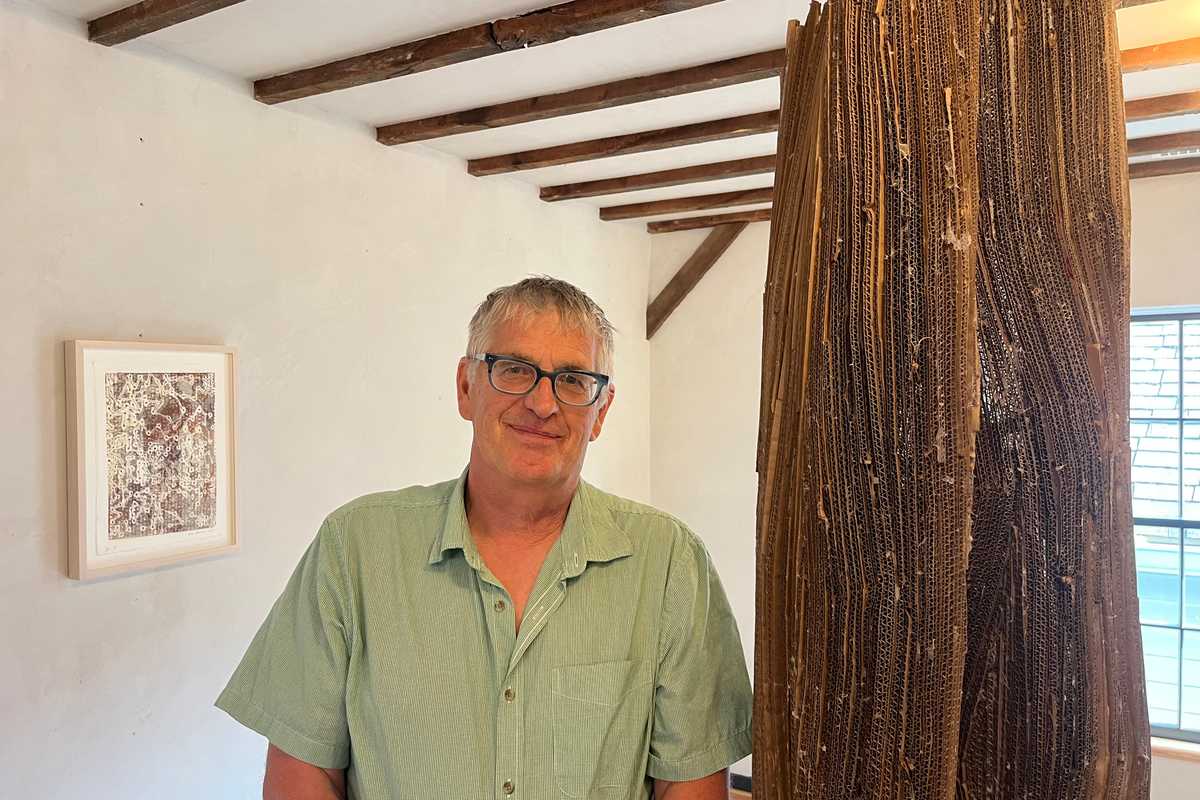
Henry Klimowicz with his sculpture, “Partial Pillar 1”

Photo by D.H. Callahan

On Saturday, Aug. 1, Geary Gallery opened its doors in Salisbury for two unique shows in its first- and second-floor gallery spaces. Art lovers flooded both floors over the course of the afternoon, giving the events a vibrant feeling that enhanced the importance of the art.

On the first floor is a show by Chicago-born, Colorado-based photographer Summers Moore, titled “Lobitos: Pueblo Fantasma,” or “Lobitos: Ghost Town.” The work centers around her daughter’s current hometown in Peru. Moore herself found a home away from home in Colorado in the mid-1980s and encouraged her children to seek out new places outside of their comfort zones.

Keep ReadingShow less

Writer’s retreat in the woods

Writer’s retreat in the woods

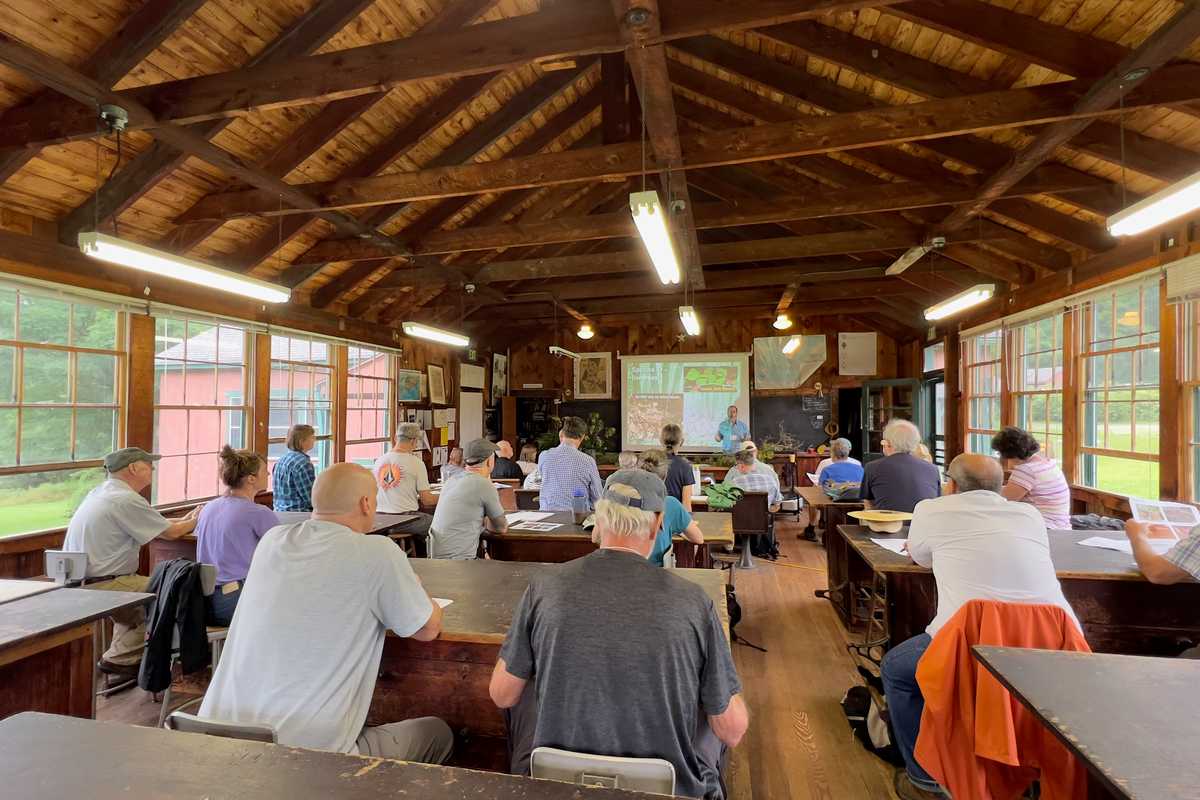
Participants in a 2024 Great Mountain Forest Woodland Academy workshop at Yale Camp.

Photo by Mike Zarfos

Great Mountain Forest (GMF) will host its first Nature Writing Retreat at the historic Yale Camp in Falls Village from Aug. 7-9, 2026. Writers of all levels are invited to draw inspiration from one of New England’s most notable forest landscapes. GMF envisions the retreat becoming an annual event celebrating writing, conservation and the relationship between people and forests.

This immersive three-day retreat reflects on the legacy of Hal Borland, the American writer and New York Times nature columnist whose work was deeply connected to this landscape. The retreat explores how wilderness shapes language, strengthens close observation and fosters environmental consciousness.

Keep ReadingShow less
From Cornwall to Rome, Adam Van Doren at Berkshire Botanical Garden

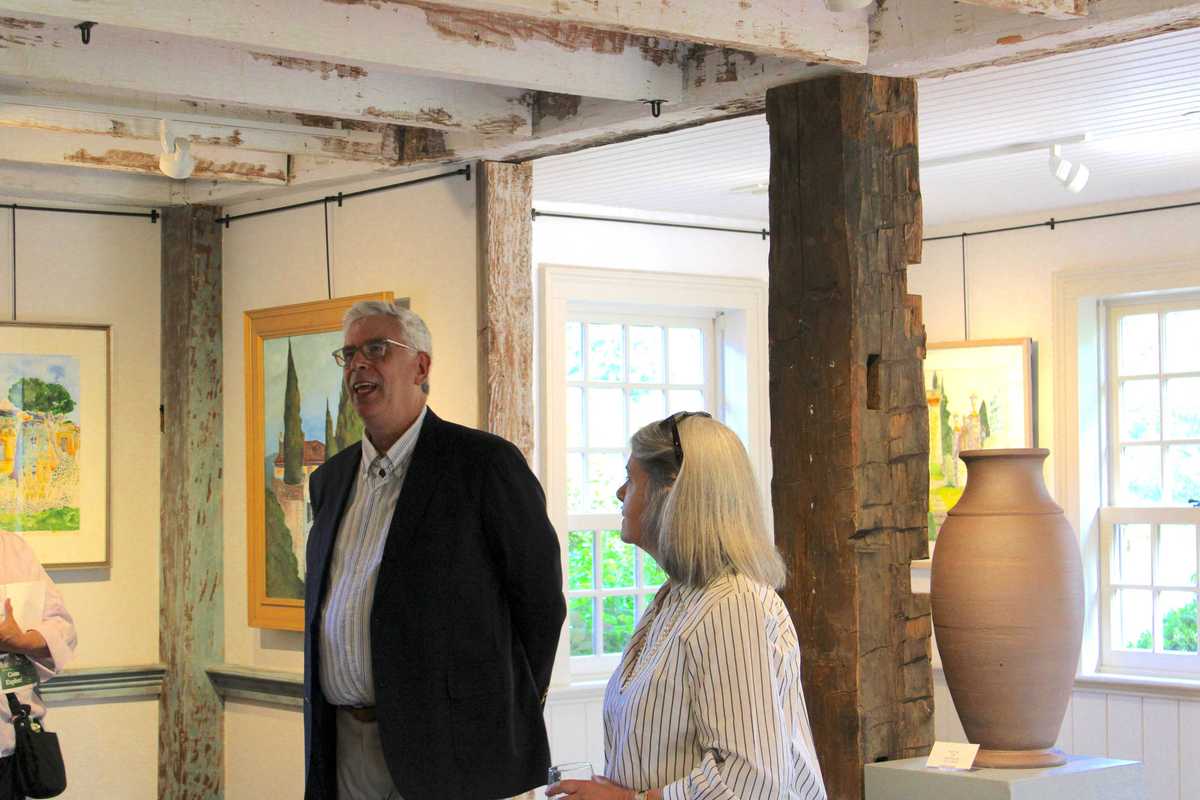
Artist Adam Van Doren and curator Donna Hassler talk to a group of visitors at the Berkshire Botanical Garden. A Stephen Proctor vessel sits to their left.

Photo by Natalia Zukerman

This summer, the Berkshire Botanical Garden in Stockbridge has hosted “Grounded in Nature: Paintings by Adam Van Doren,” an exhibition exploring the intimate relationship between architecture and the natural world.

On view for only a few more weeks in the Leonhardt Galleries, the exhibition features more than 35 watercolor and oil paintings by the New York-based artist, architect, author and Yale professor, curated by art historian Donna Hassler, director emerita of Chesterwood. The works span three distinct places that have shaped Van Doren’s artistic practice: New York City, Cornwall, Connecticut, and his travels throughout Europe.

Keep ReadingShow less
google preferred source

Want more of our stories on Google? Click here to make us a Preferred Source.
google preferred source

Want more of our stories on Google? Click here to make us a Preferred Source.