On June 7 at 3 p.m., the Triplex Cinema in Great Barrington will host a benefit screening of “The Killing Fields,” Roland Joffé’s 1984 drama about the Khmer Rouge and the two journalists, Cambodian Dith Pran and New York Times correspondent Sydney Schanberg, whose story carried the weight of a nation’s tragedy.
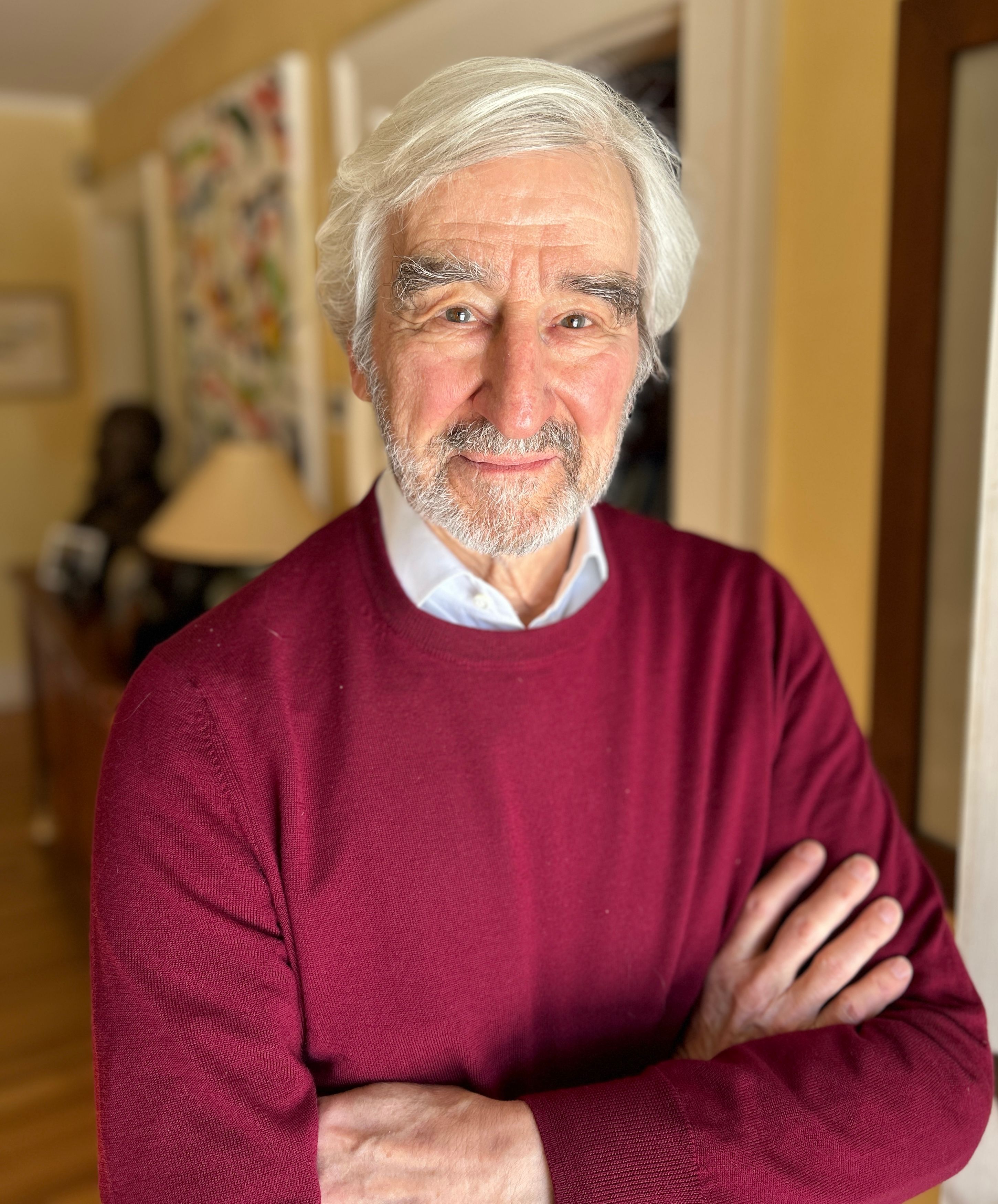
The film, which earned three Academy Awards and seven nominations — including one for Best Actor for Sam Waterston — will be followed by a rare conversation between Waterston and his longtime collaborator and acclaimed television and theater director Matthew Penn.
“This came out of the blue,” Waterston said of the Triplex invitation, “but I love the town, I love this area. We raised our kids here in the Northwest Corner and it’s been good for them and good for us.”
Waterston hasn’t seen the film in decades but its impact has always remained present.
“It was a major event in my life at the time,” Waterston said of filming “The Killing Fields,” “and it had a big influence on me and my life ever after.” He remembers the shoot vividly. “My adrenaline was running high and the part of Sydney Schanberg was so complicated, so interesting.”
Waterston lobbied for the role of the Pulitzer Prize-winning journalist for years, tracing his early interest to a serendipitous connection while filming in England. Even before Joffé’s production was greenlit, he had his sights set on playing the role. “I knew I wanted the part for years even before it was a movie that was being produced.”
What followed was not just critical acclaim, but also a political awakening. “The film gave all of us an intimate acquaintance with refugees, what it is to be a refugee, how the world forgets them and what a terrible crime that is.”
In Boston, at a press stop for the film, two women asked Waterston a pointed question: now that he knew what he knew, what was he going to do about it? “I said, ‘Well, you know, I’m an actor, so I thought I’d go on acting.’ And they said, ‘No, that’s not what you need to do. You need to join Refugees International.’” And join he did, serving on the organization’s board for 25 years.
Both Schanberg and Dith Pran, whose life the film also chronicles, were “cooperative and helpful … in a million ways,” Waterston said. Upon first meeting Pran, Waterston recalled, “He came up to me, made a fist, and pounded on my chest really hard and said, ‘You must understand that Sydney is very strong here.’ He was trying to plant something in me.”
There were more tender gestures, too. Schanberg used the New York Times wire to relay that Waterston’s wife had just given birth while he was filming in Thailand, adding to the personal and emotional connection to the production.
Though “The Killing Fields” is a historical document, its truths still resonate deeply today. “Corruption is a real thing,” Waterston warned. “Journalism is an absolutely essential part of our democracy that is as under siege today as it was then. It’s different now but it’s the same thing of ‘Don’t tell the stories we don’t want heard.’ Without journalists, we are dust in the wind.” Waterston added, “Democracy is built on the consent of the governed but the other thing it’s built on is participation of the governed and without full participation, democracy really doesn’t stand much of a chance. It’s kind of a dead man walking.”
When asked what he hopes the audience will take away from the screening, Waterston didn’t hesitate. “This is the story that puts the victims of war at the center of the story and breaks your heart. I think that does people a world of good to have their hearts broken about something that’s true. So, I hope that’s what the impact will be now.”
Tickets for the benefit screening are available at www.thetriplex.org. Proceeds support Triplex Cinema, a nonprofit home for film and community programming in the Berkshires.