"This is phacelia,” Janna Siller said, as if introducing an old friend.
Pausing beside a patch of violet blossoms humming with the work of tiny insects, Siller, farm director at Adamah Farm in Falls Village, explained that it attracts some of the most beneficial insects on the farm because “they’re predators of the pests we don’t want.”
She continued, “If you spray and kill both the predators and the pests, the pests always come back faster. But if you create habitat for the good bugs, eventually the balance returns.”
At Adamah, where a vibrant Jewish life is cultivated in deep connection with the earth, farming goes beyond sustainability, which asks only how to keep things from getting worse. Here, they practice regenerative agriculture, which asks how to leave the land healthier than it was found.
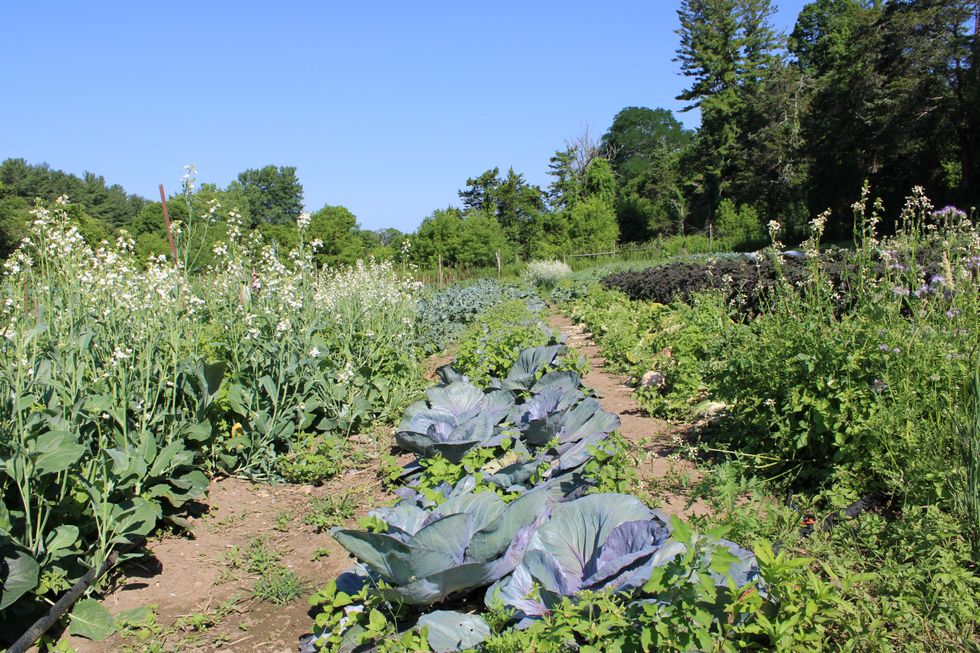 “Borei Pri Ha’Adamah,” is a Jewish blessing recited before eating vegetables and other foods that grow from the ground.Natalia Zukerman
Across the farm’s 20 acres, vegetables grow alongside perennial plantings, chestnut agroforestry, rotational grazing, compost systems and pollinator habitat. More than 100 pounds of food scraps from the Isabella Freedman Jewish Retreat Center, with which the farm shares the land, are composted every day, feeding both the soil and a flock of laying hens. Cover crops protect and enrich the earth. Trees pull carbon from the atmosphere. Native flowers welcome insects that do work no pesticide can replicate.
“Our goal is to leave the land even more prolific than it would have been without us,” Siller said.
That vision reaches back thousands of years.
Long before “regenerative agriculture” became part of the modern farming vocabulary, Jewish law contained agricultural teachings that assumed the land itself required care, rest and reciprocity.
“There’s so much wisdom in approaching farming from a perspective of partnership,” said Siller.
According to one ancient Jewish teaching, pe’ah, farmers should leave the corners of their fields unharvested to allow people experiencing hunger to gather food.
Now, instead of leaving literal corners untouched, the farm intentionally grows food destined for local emergency food providers. Through its Food Access Fund, produce is planned — not simply donated after harvest — to supply regional pantries with fresh, culturally appropriate vegetables. The farm provides food for The Corner Pantry in Lakeville, Tri-Corner FEED in Millerton and other community partners.
“The law is really asking how we make sure everyone eats,” Siller said. “We reinterpret that to meet today’s reality.”
Another ancient practice, shmita, instructs that farmland rest every seventh year.
For a farm committed to feeding hundreds of local families, abandoning production for an entire season would create another kind of scarcity. Instead, Adamah interprets the principle through ecology.
Roughly one-seventh of the farm remains in cover crops and wildflowers, restoring soil health while creating habitat for native pollinators.
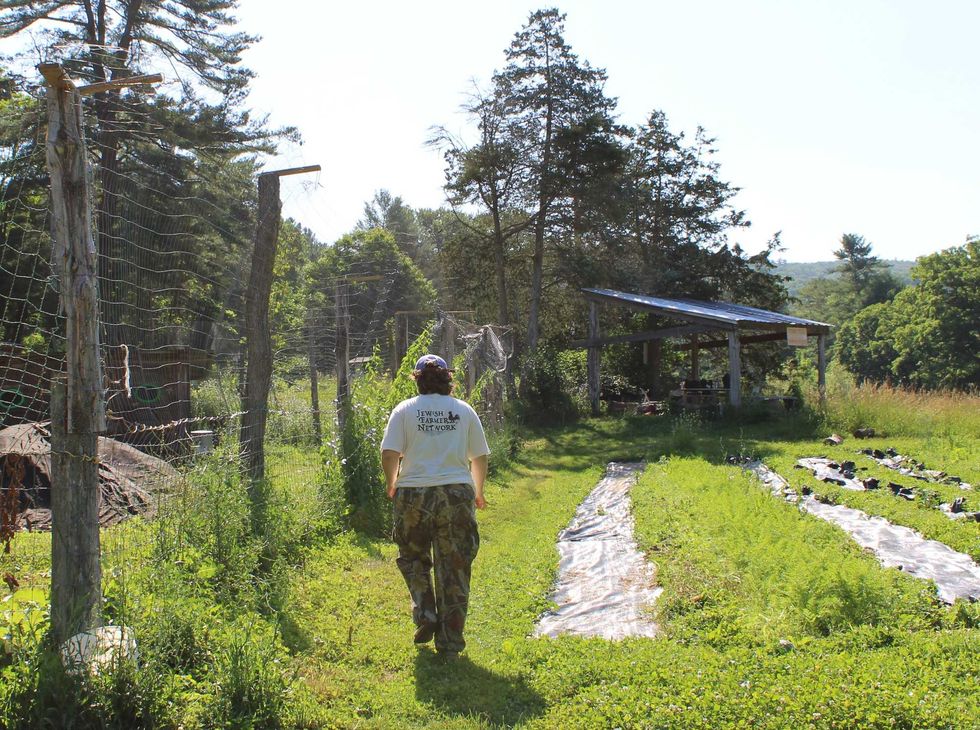 Participants in the educational fellowship program at Adamah define what being in Jewish community means to them.Natalia Zukerman
Rather than treating Jewish law as a rigid historical artifact, Adamah treats it as a living conversation, one that asks not only what previous generations practiced but what those values require now.
That distinction feels especially meaningful in a moment when Jewish identity is often flattened into political shorthand.
“It’s like the opposite of the internet here,” said Siller. “Here, people are in community with each other, understanding each other as whole people.”
Each participant in the educational fellowship program run by the farm defines what being in Jewish community means to them. Some arrive hoping to reconnect with ancestral agricultural traditions. Others come because they want to farm in a pluralistic Jewish community.
Jewish programming is only one aspect of Adamah’s work. Beyond its religious affiliation, Adamah is a community farm with a wide reach in the local community. For many in the region who join the farm’s CSA, Adamah is a source of fresh, seasonal produce. For local composters bringing their scraps, it’s a place where they can transform their food waste into rich fertilizer. For attendees of the farm’s public programs and children’s activities, Adamah offers connection to local food, soil and the ecosystem.
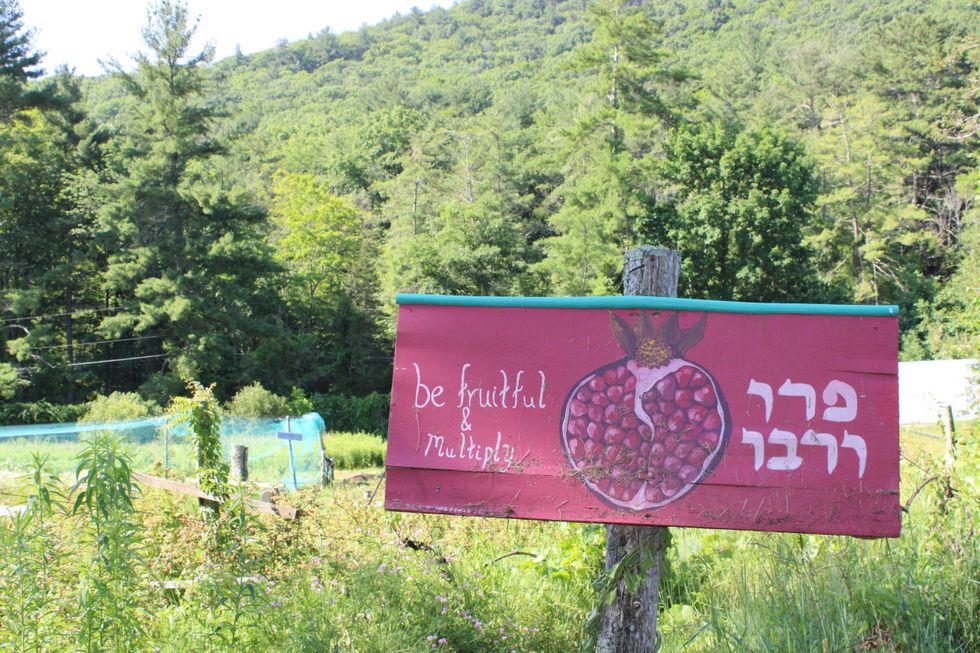 Hand-painted signs at Adamah Farm serve as blessings and reminders.Natalia Zukerman
This summer, Adamah educators are partnering with the David M. Hunt Library in Falls Village for four free, family-friendly workshops in the library’s community garden. On July 1, participants harvested basil to make pesto. On July 16, they’ll pickle cucumbers while learning the science of lacto-fermentation. On Aug. 4, they’ll press flowers and they’ll explore seed saving on Aug. 18.
“The library received a Sustainable and Resilient Communities Grant from the Association for Small and Rural Libraries,” Hunt Library executive director Meg Sher said. “That supported purchasing the seedings and compost for the garden from Adamah, as well as paying for the educational programming and supplies that go with it.”
The grant is also supporting a new Abundance Stand.
“The idea is for it to be a ‘leave what you want, take what you want’ stand,” said Sher. “When people have too many zucchinis, or kale, or flowers, they can drop them off at the Abundance Stand and other people can take what they want. It’s a way to share the abundance within our community.”
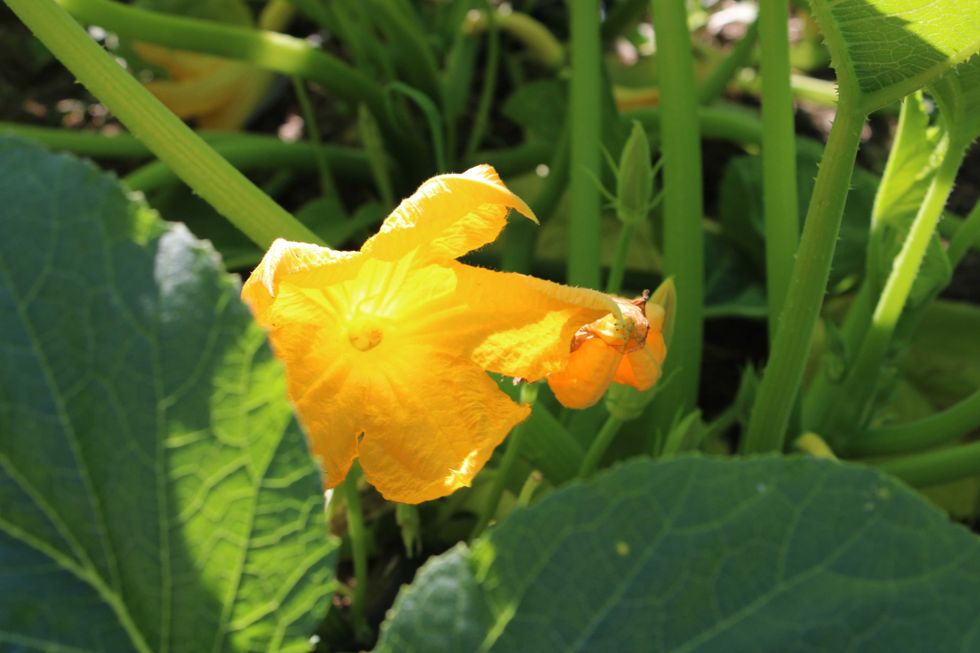 A squash blossom in all its golden glory.Natalia Zukerman
This spirit of sharing is one of Siller’s favorite parts of farming in this area. Knowledge itself is communal.
“Local farmers support each other,” Siller said. “We text each other all the time, like, ‘Are you seeing this bug? I’m seeing this bug. What are you doing about it?”
This openness is just another expression of a regenerative philosophy: Healthy ecosystems do not depend on sameness. They depend on diversity held in relationship.
The phacelia blooms for insects most visitors never notice. The compost nourishes organisms hidden beneath the soil. The corners of the field belong to someone the farmers may never meet.
And the work is rooted in trust that generosity, like healthy soil, becomes richer the more deeply it is cultivated.



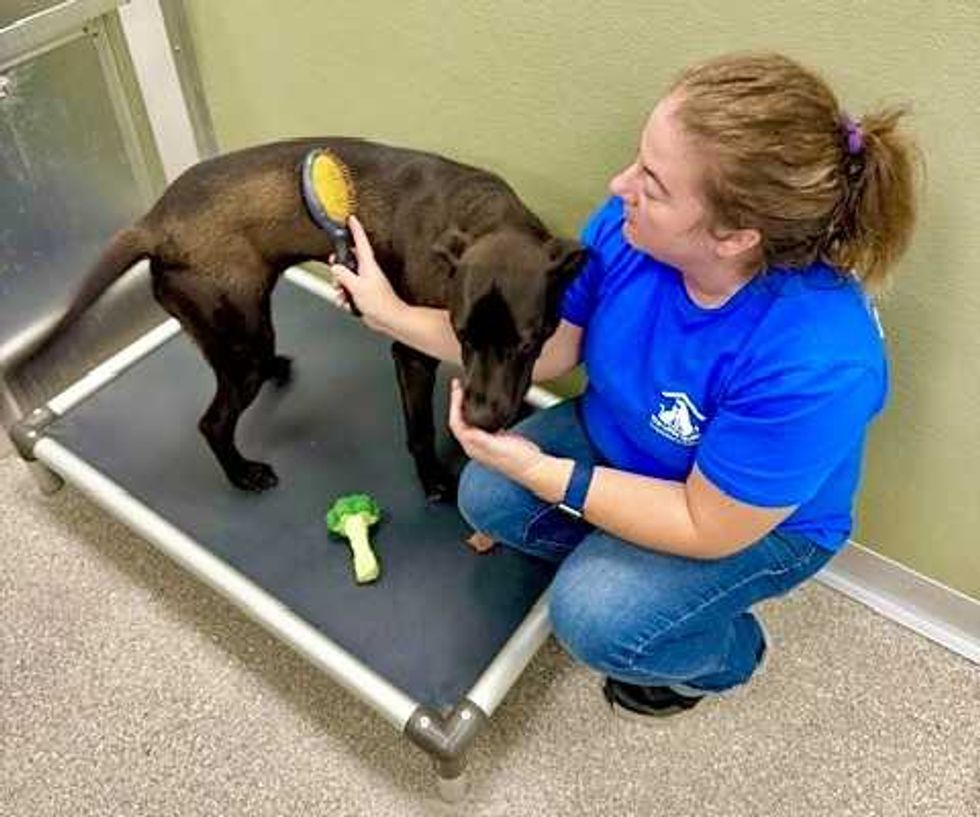 Tiffany Lemelin, shelter manager, brushing Marsala upon arrival.Provided
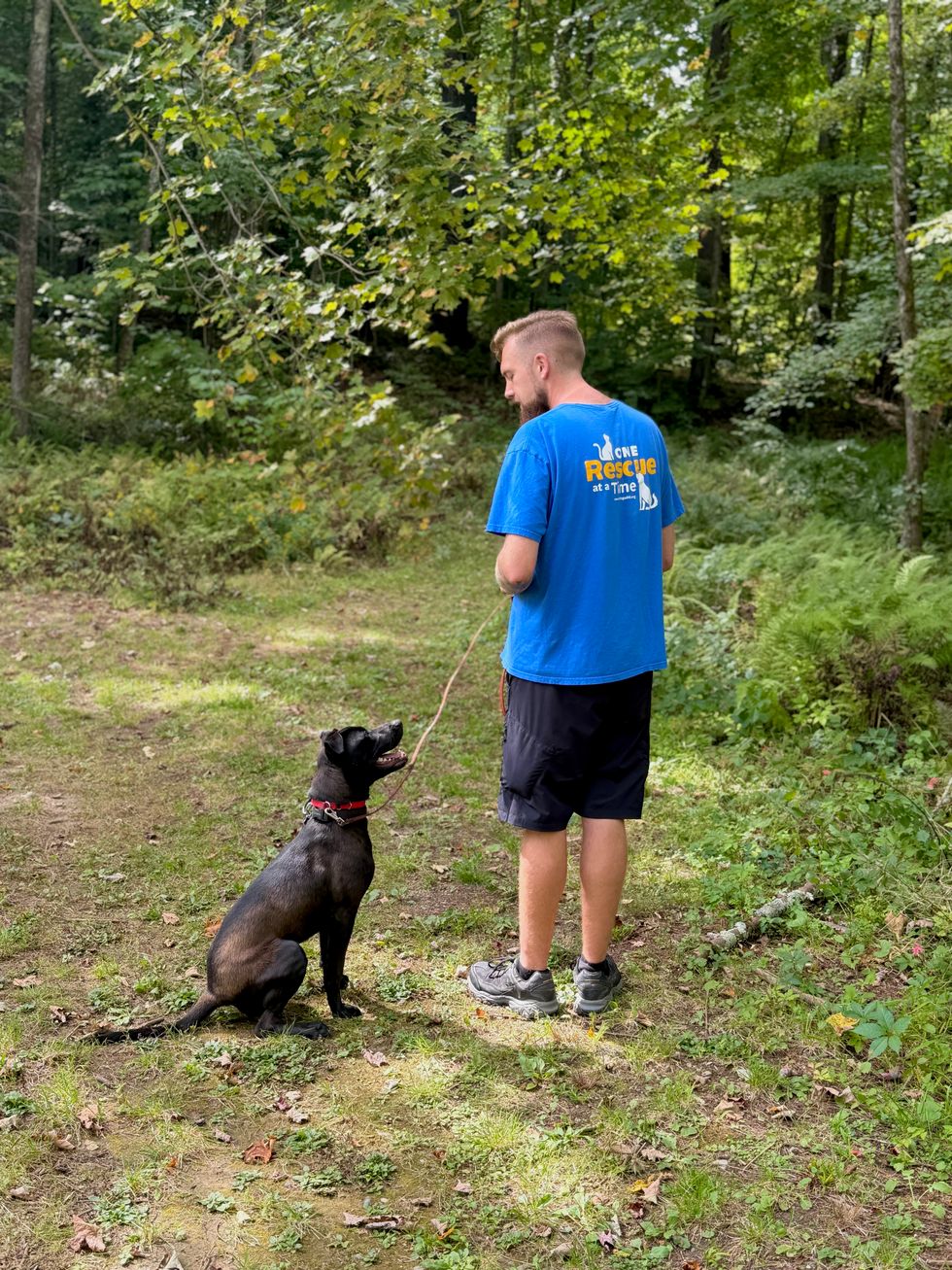 Michael DeBarba, certified dog trainer working with Marsala.Jennifer Almquist
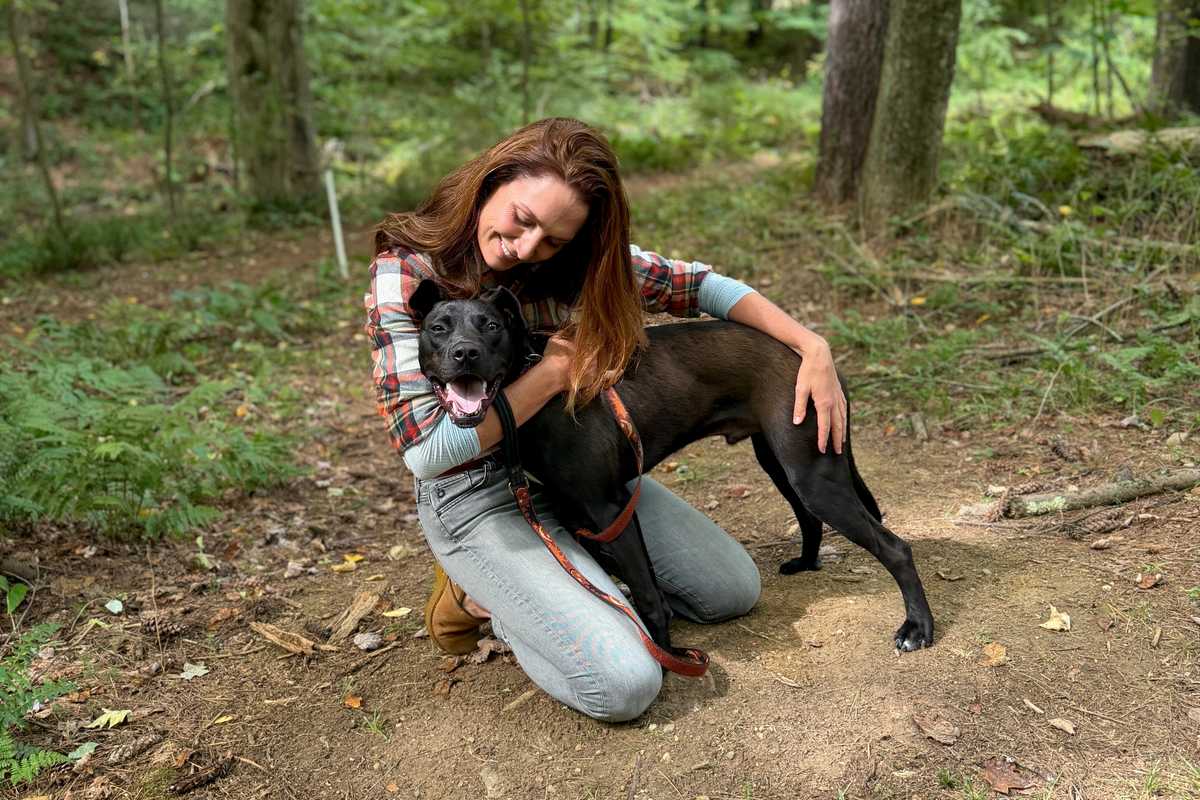 Marsala wins a heart.Jennifer Almquist

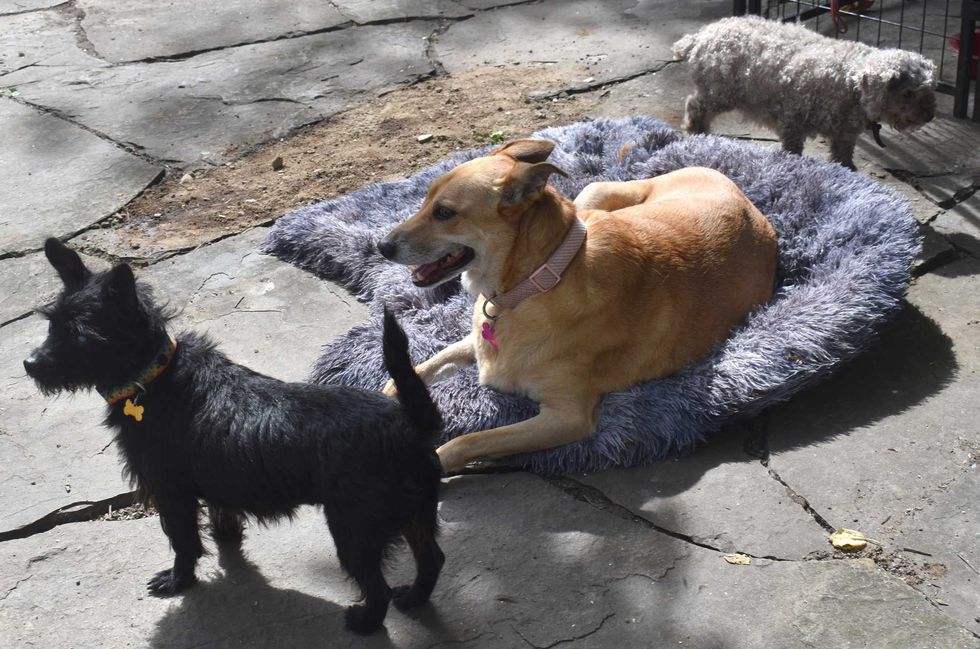 Sadie, center, a Carolina dog, plays with her friend Negra, a terrier mix. Bella Linda, the small poodle, has since been adopted.L. Tomaino
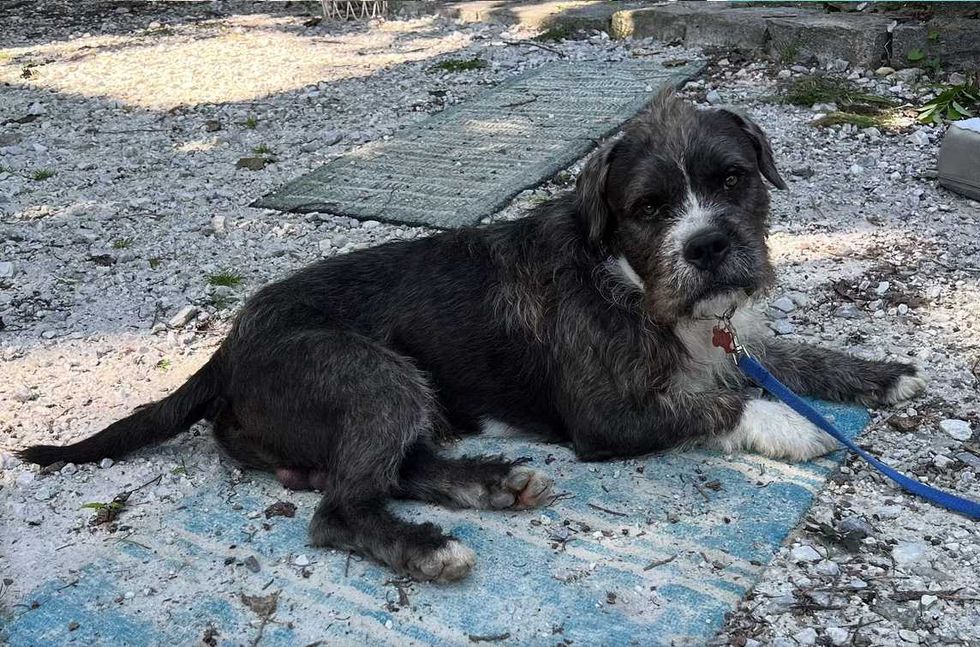 Wesley, a young, exuberant mix, is looking for an active home.L. Tomaino
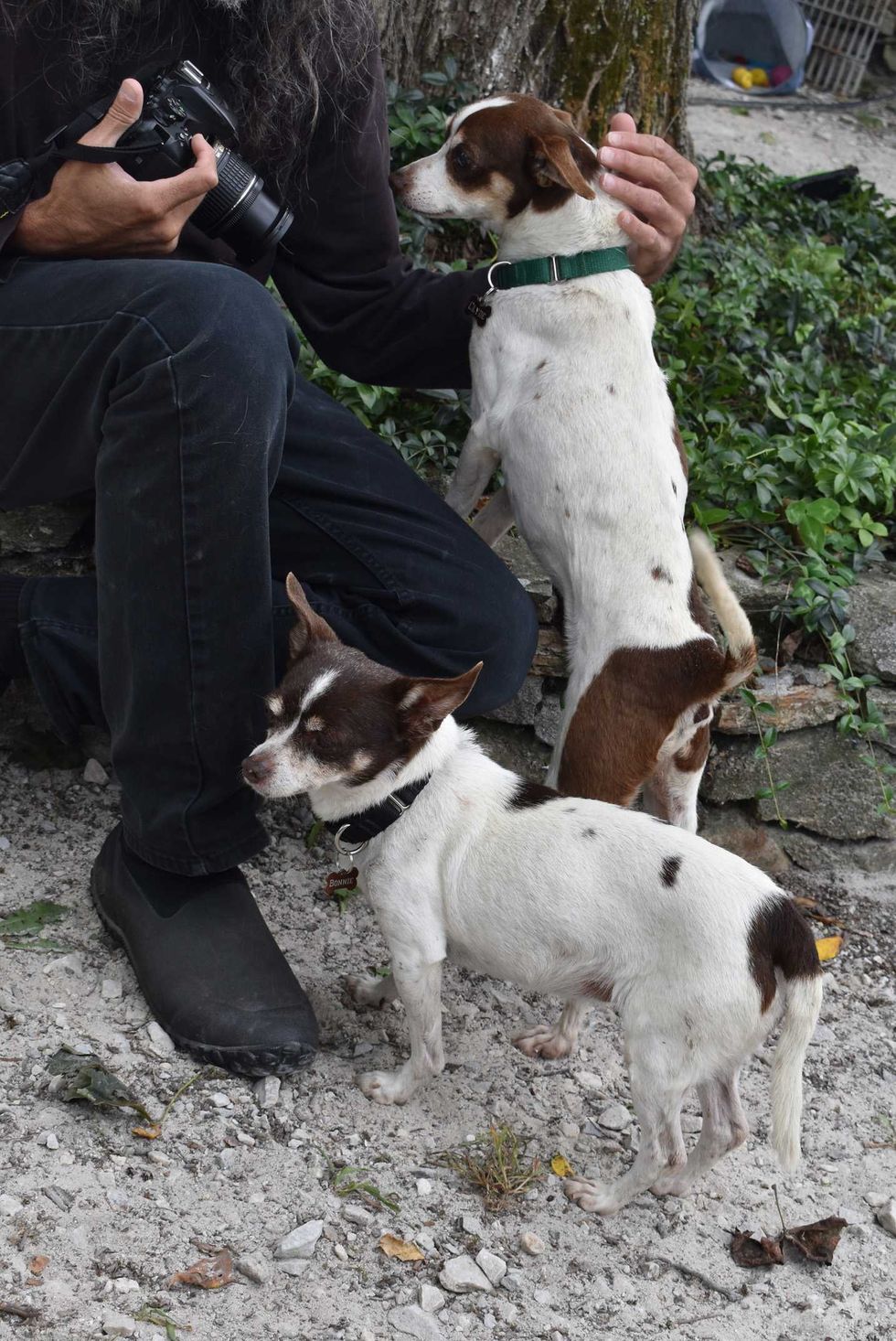 Bonnie and Clyde, an affectionate terrier pair.L. Tomaino
 Provided