Thank you!
Your support is sustaining the future of local news in our communities.

Farm futures: Diversity key to success
Farm futures: Diversity key to success
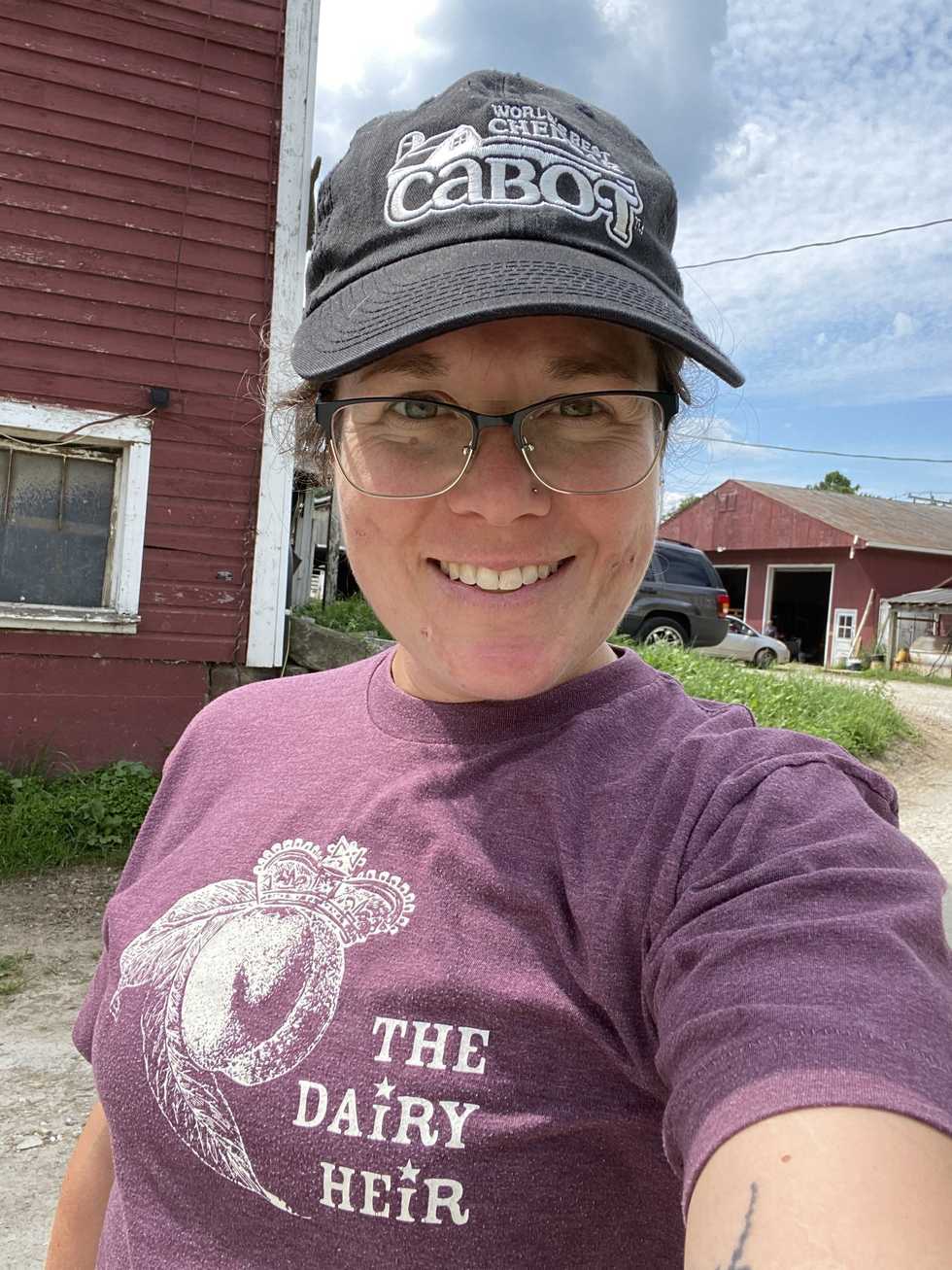
Amanda Freund of Freund’s Farm in East Canaan. Photo submitted

SALISBURY — Mindful that the tradition of farming is a mainstay of history and culture in the Northwest Corner towns, state Rep. Maria Horn (D-64) convened an expert panel on  the future of farming on Monday, April 11.

Seven panelists described their current role in agriculture, prepared to discuss what needs to be done to be responsive to upcoming challenges, whether from climate change, changing practices, financial concerns both for themselves and in relation to their communities, and efforts toward a greener, more responsible and Earth-friendly future.

“It’s a huge issue,” Horn acknowledged. “It’s part of our cultural fabric, landscape and aesthetic.”

Panel participants focused on land mitigation and adaptation to climate change.

“We favor diversification,” said Amanda Freund, describing how her family farm in North Canaan has progressed to develop, manufacture and market CowPots by processing farm-generated manure into biodegradable, plastic-free  seed-starting pots. Fertilizer prices are seeing a major increase, though. Another pressure point is the cost of seeds, she said.

“Farmers are entrepreneurs,” Horn summarized, saying that successful farmers need to pivot according to conditions.

Allen Cockerline of Whippoorwill Farm, a Salisbury farmer and  a retailer and wholesaler of grass-fed beef, said that he is presently farming about 400 acres, 280 of which are under conservation easement. He owns about 200 acres. He noted that by remaining flexible farmers can change the pressures on their farms, which are very expensive to operate.

Another way to preserve farmland and protect it from development is through deed restrictions or agricultural conservation, said Chelsea Cazillo, Northeast policy manager for the American Farmland Trust.  More than 50,000 acres of the state’s farmland have been protected by state programs.

“I don’t own the land I’m farming,” said Samuel King of Blue Earth Composting, working to maximize transitioning food waste to compost. “Most land is unaffordable for farmers,” he added.

Turning to climate change and sustainable farming, Janna Siller of Adamah Farm in Falls Village, an agriforester and farmer, said, “The more diverse, the more successful.”

She said that rising fuel prices may make it impractical to drive produce into New York City to sell at farmers markets. It may be better to sell it locally in a sort of closed-loop farming pattern.

Innovative farming practices were also brought into the discussion. Dan Carr, Outreach Coordinator for Berkshire Agricultural Ventures and a Falls Village farmer, spoke of diversifying the landscape to enhance resilience, seeing deep tree roots as erosion preventers and introducing riparian buffers to protect waterways. He noted that black locust trees will feed the pollinator bees.

No-till farming is also coming into practice although all agreed that it takes time to configure the system of no-till drilling, disturbing the soil as little as possible.

“It all boils down to soil health and no-till is a way to get there,” Carr said.

Joan Nichols, executive director of the Connecticut Farm Bureau, an advocacy organization representing 2,500 farm families, spoke of year-round indoor farming as an alternative as the region deals with climate change.

Attention turned to discussion of waste management and increased participation in composting of food waste. King estimated that people throw away about 40% of what farmers grow. Horn suggested that there needs to be a way to make transportation to a composting facility more viable and affordable and she asked for suggestions.

Scale is the answer, King replied, calling for capital to be invested. People who build a composting facility need to know that they will receive the volume of food waste materials to make it work. To add a compost facility to a farm, for example, you need demand for the service and the product.

Horn noted that people who have participated in the pilot collection program at the Salisbury /Sharon transfer station have been enthusiastic about it.

Freund’s Farm has been a collection point, Horn said, adding that they have one of the first anaerobic processors in the state. Freund noted that her farm has been using it since 1997 to separate liquid from their manure, essential to making their CowPots.

“Resilience comes from good policy,” Freund told the panel. “I’m optimistic and hopeful,” she said.

Siller observed that land prices and lack of affordable housing prevent many younger would-be farmers from access to farming.

The panel was held on Zoom.

Latest News

‘So Little to Do,’ so much to discover at James Barron Art

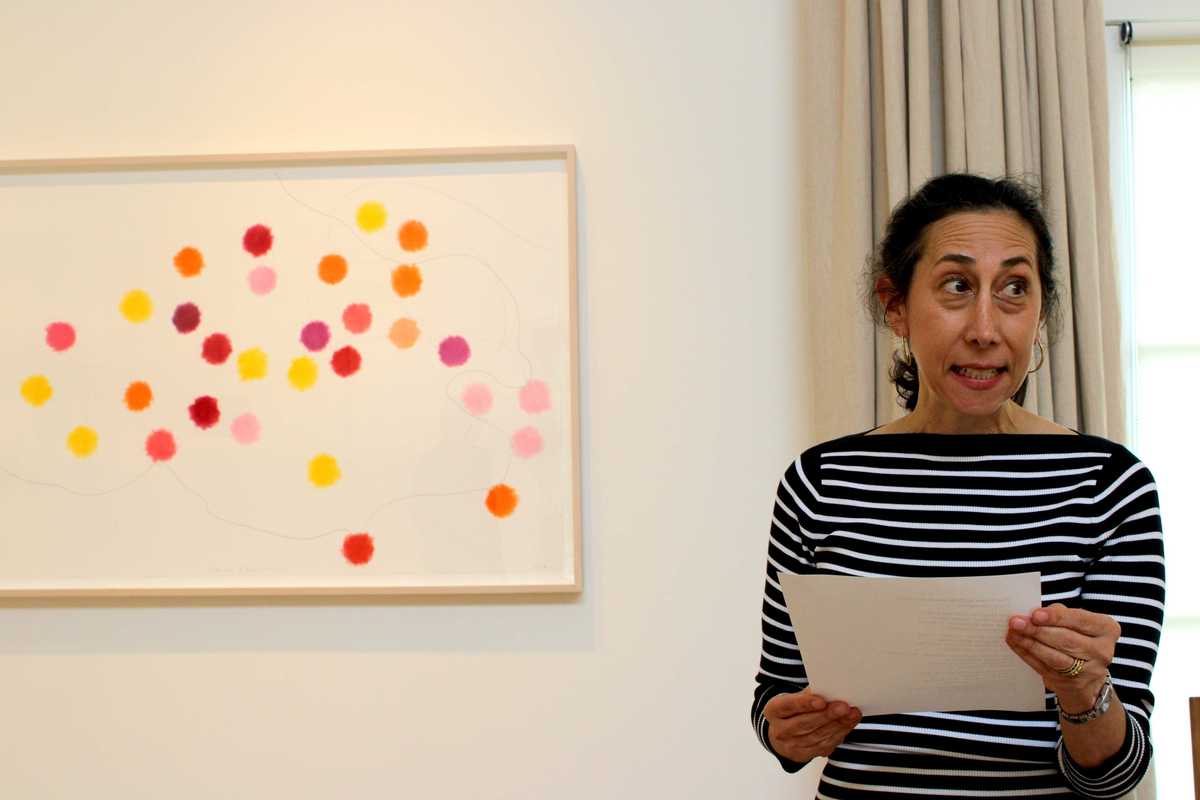
Curator Deborah Goodman Davis reads the Emily Dickinson poem “The Grass So Little Has to Do.” Spencer Finch’s “Following Three Bees (Zinnias)” buzzes in the background.

Photo by Natalia Zukerman

“The Grass Has So Little to Do,” on view at James Barron Art in Kent, takes its title from Emily Dickinson’s poem “The Grass So Little Has to Do,” written in 1862:

“The Grass so little has to do—
A Sphere of simple Green—
With only Butterflies to brood
And Bees to entertain—”

Keep ReadingShow less

Marina Kotchoubey is not a woodworker

Marina Kotchoubey is not a woodworker

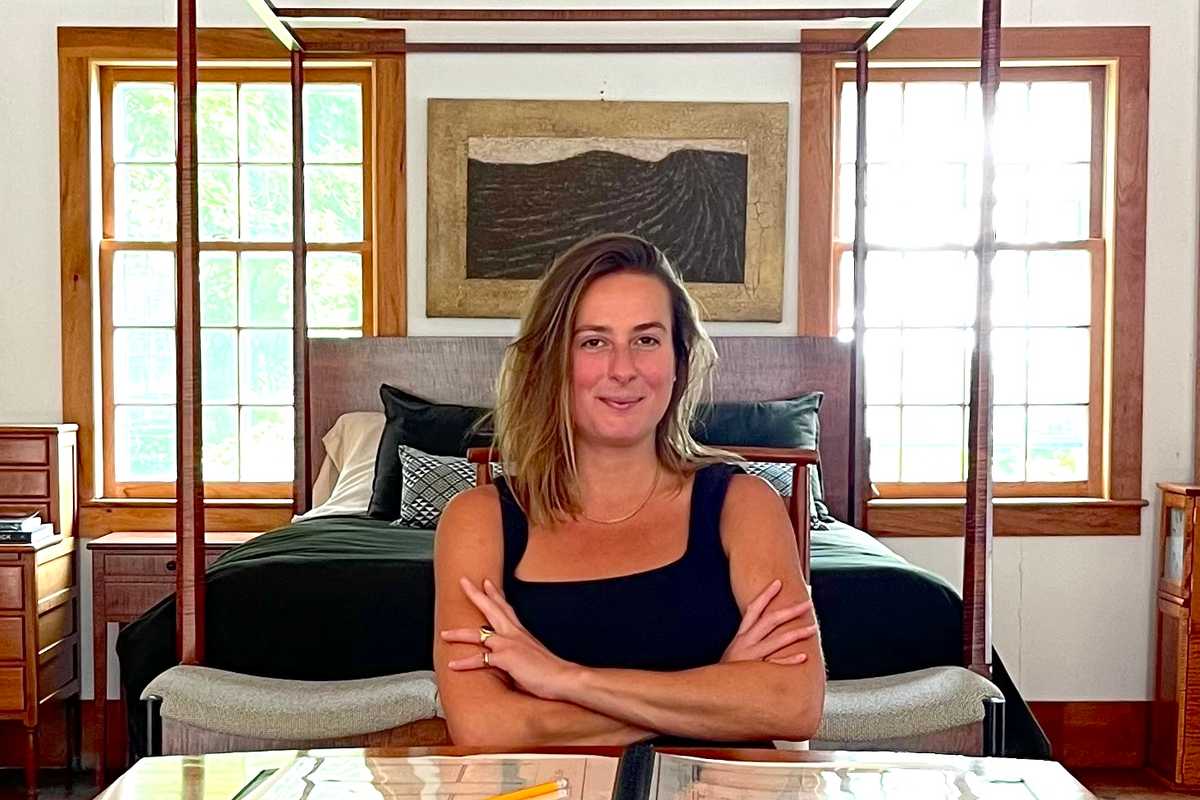
Marina Kotchoubey at the Ian Ingersoll Cabinetmakers showroom in West Cornwall.

Photo by D.H. Callahan

After 40-something years navigating the world of custom fine furniture, Ian Ingersoll was getting ready to retire. Starting off with a little dovetail stool that he sold at a shop in West Cornwall in the 1970s, he’d grown his skill and his business into something he — and the whole town — could be proud of. Shutting down that business was not an option.

Ingersoll built Ian Ingersoll Cabinetmakers, which produced mainly classical Shaker furniture, on passion: the passion he had to make a living through creative challenges and the passion of his employees, who all seem deeply in love with their craft.

Keep ReadingShow less
A legacy of giving at Norfolk Chamber Music Festival

One hundred and twenty years ago, Carl and Ellen Stoeckel commissioned New York architect E.K. Rossiter to design The Music Shed in Norfolk, Connecticut. After nearly a decade of entertaining their friends and neighbors with the finest music of the day, they built a permanent home for their beloved Litchfield County Choral Union.

The commission and full funding of the construction was not unheard of in an era when great fortunes led to public enrichment. Railroad tycoon John D. Rockefeller was instrumental in funding institutes of higher education. Steel baron Andrew Carnegie was building libraries all over the country, and famously said that a man who dies rich is a disgrace, challenging his peers to give their fortunes back to the people.

Keep ReadingShow less
google preferred source

Want more of our stories on Google? Click here to make us a Preferred Source.

Two unique exhibitions at Geary Gallery

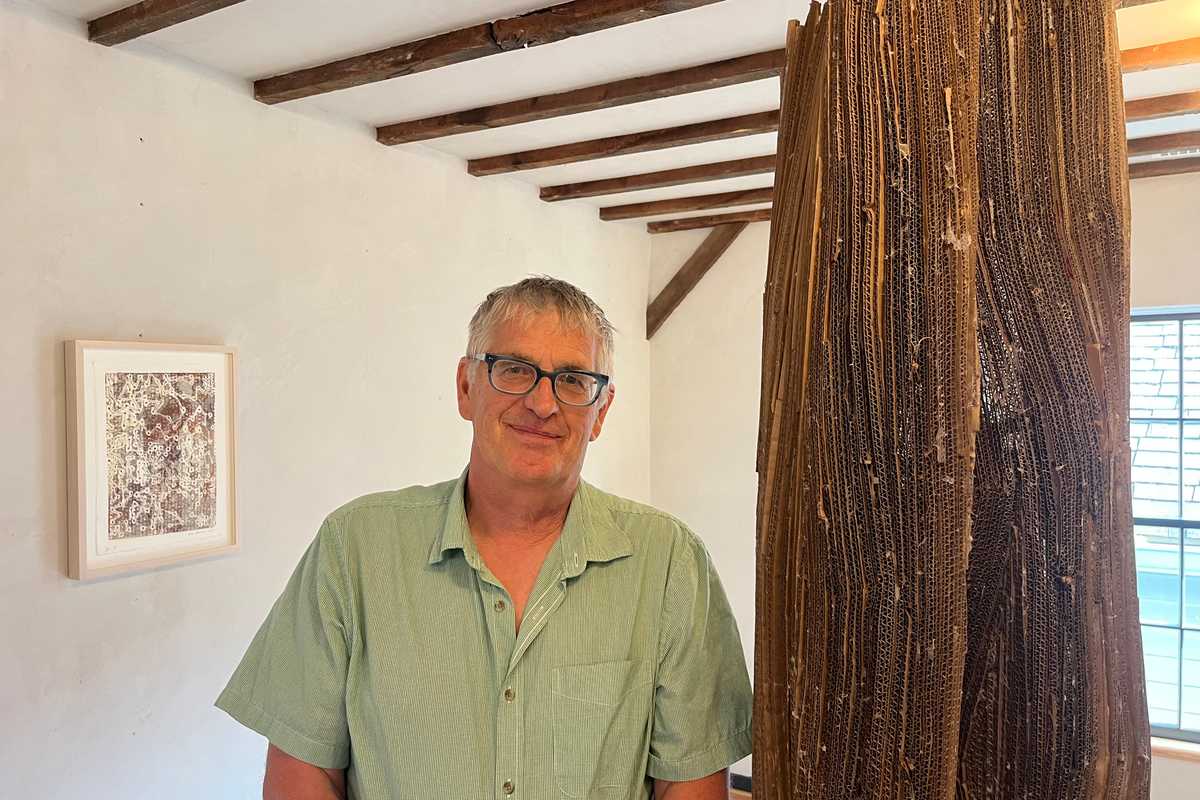
Henry Klimowicz with his sculpture, “Partial Pillar 1”

Photo by D.H. Callahan

On Saturday, Aug. 1, Geary Gallery opened its doors in Salisbury for two unique shows in its first- and second-floor gallery spaces. Art lovers flooded both floors over the course of the afternoon, giving the events a vibrant feeling that enhanced the importance of the art.

On the first floor is a show by Chicago-born, Colorado-based photographer Summers Moore, titled “Lobitos: Pueblo Fantasma,” or “Lobitos: Ghost Town.” The work centers around her daughter’s current hometown in Peru. Moore herself found a home away from home in Colorado in the mid-1980s and encouraged her children to seek out new places outside of their comfort zones.

Keep ReadingShow less

Writer’s retreat in the woods

Writer’s retreat in the woods

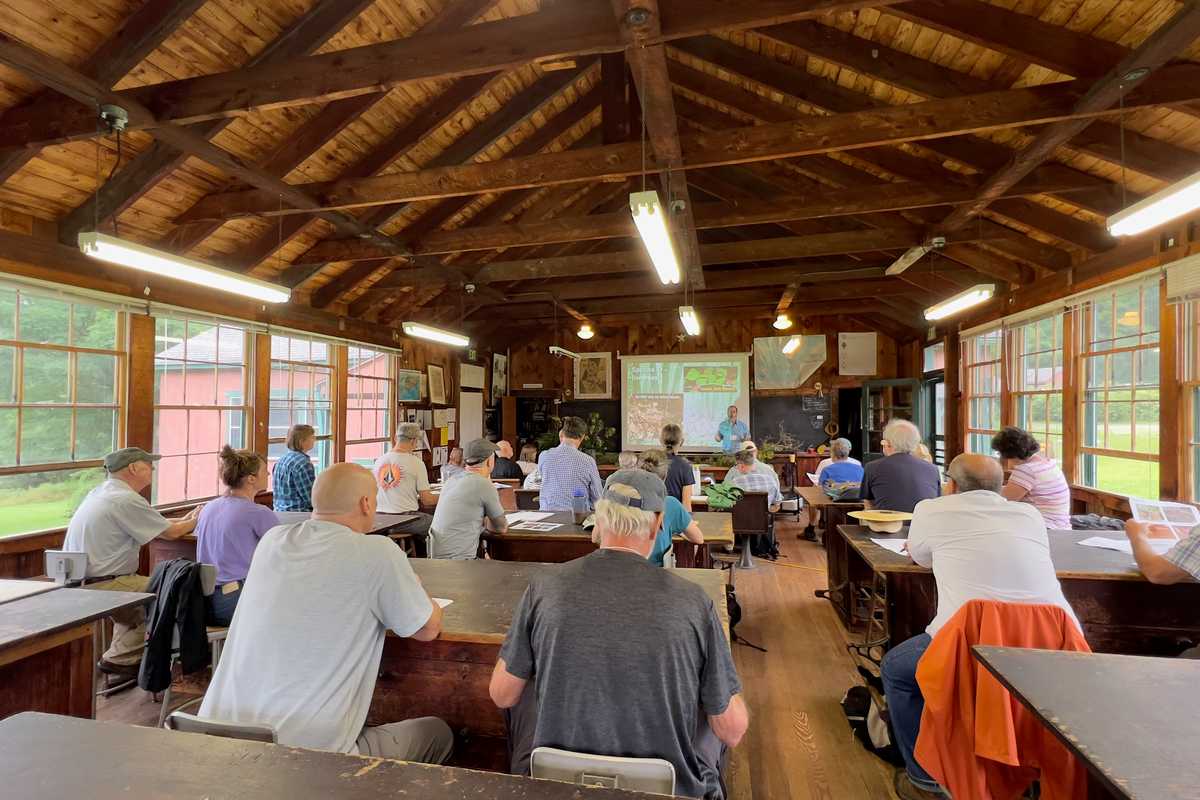
Participants in a 2024 Great Mountain Forest Woodland Academy workshop at Yale Camp.

Photo by Mike Zarfos

Great Mountain Forest (GMF) will host its first Nature Writing Retreat at the historic Yale Camp in Falls Village from Aug. 7-9, 2026. Writers of all levels are invited to draw inspiration from one of New England’s most notable forest landscapes. GMF envisions the retreat becoming an annual event celebrating writing, conservation and the relationship between people and forests.

This immersive three-day retreat reflects on the legacy of Hal Borland, the American writer and New York Times nature columnist whose work was deeply connected to this landscape. The retreat explores how wilderness shapes language, strengthens close observation and fosters environmental consciousness.

Keep ReadingShow less
From Cornwall to Rome, Adam Van Doren at Berkshire Botanical Garden

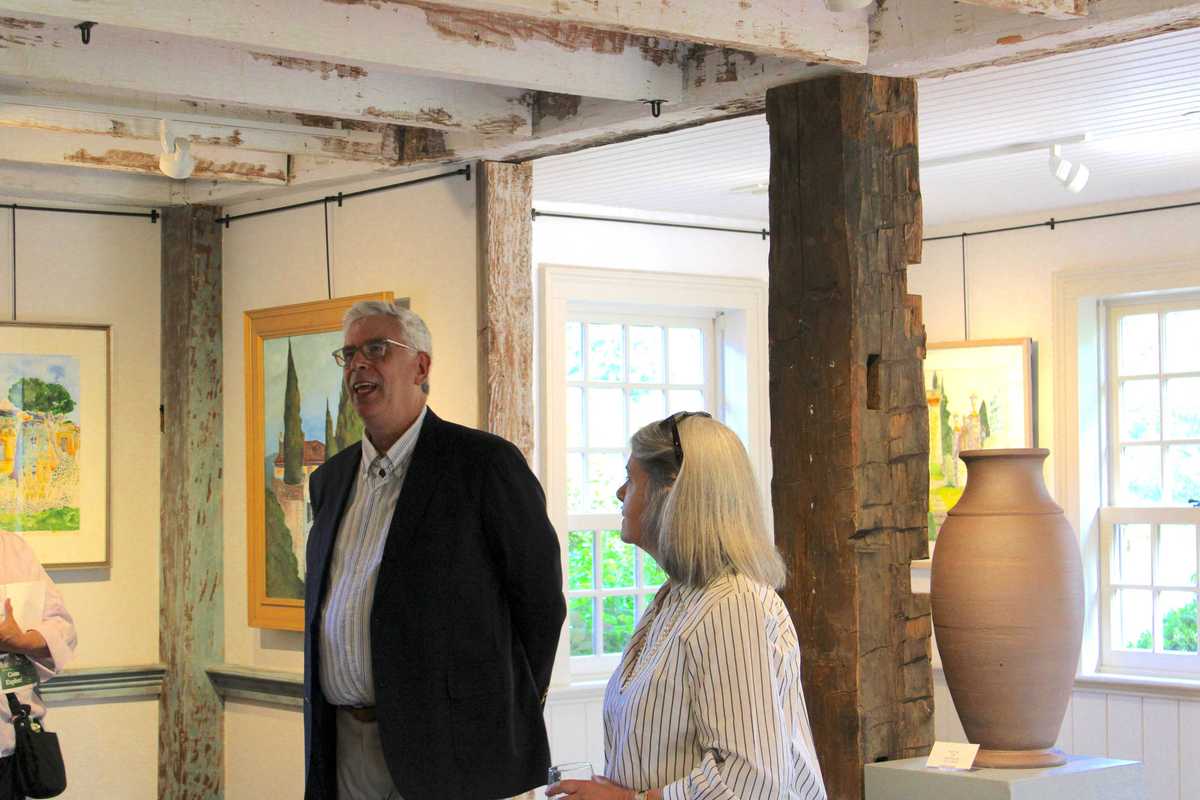
Artist Adam Van Doren and curator Donna Hassler talk to a group of visitors at the Berkshire Botanical Garden. A Stephen Proctor vessel sits to their left.

Photo by Natalia Zukerman

This summer, the Berkshire Botanical Garden in Stockbridge has hosted “Grounded in Nature: Paintings by Adam Van Doren,” an exhibition exploring the intimate relationship between architecture and the natural world.

On view for only a few more weeks in the Leonhardt Galleries, the exhibition features more than 35 watercolor and oil paintings by the New York-based artist, architect, author and Yale professor, curated by art historian Donna Hassler, director emerita of Chesterwood. The works span three distinct places that have shaped Van Doren’s artistic practice: New York City, Cornwall, Connecticut, and his travels throughout Europe.

Keep ReadingShow less
google preferred source

Want more of our stories on Google? Click here to make us a Preferred Source.
google preferred source

Want more of our stories on Google? Click here to make us a Preferred Source.