SALISBURY — Robert Murphy grew up at “the camp,” an escape on the bigger of the two Twin Lakes of Salisbury.
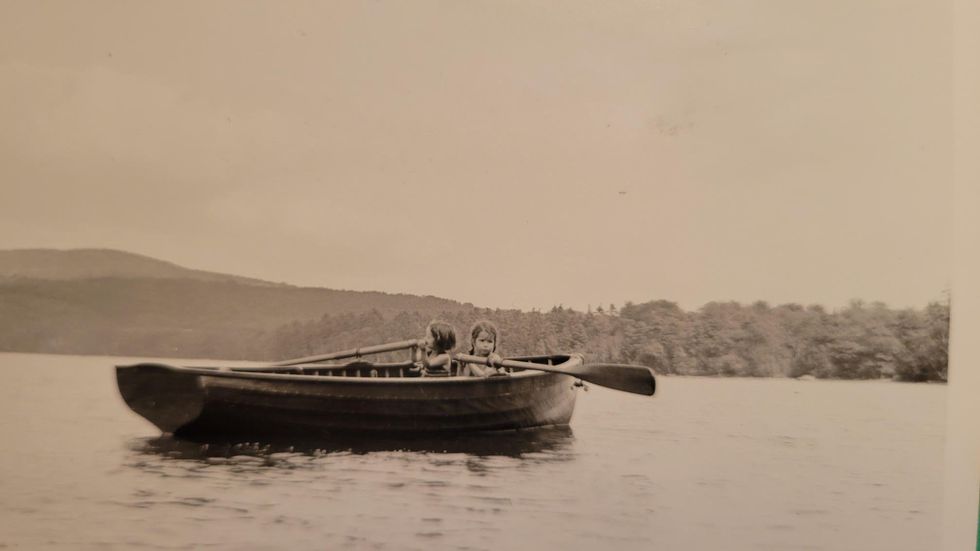
His fondest memory of the watery retreat is that of the 1933 Old Town Lapstrake Rowboat. The vessel was bought by his grandfather and grandmother Fred and Fanny Hoose and delivered by “crate and rail” to Amenia, New York in 1933. That same summer, the family launched the boat at their camp on the Twin Lakes.
The rowboat was named “Fanny,” after Murphy’s grandmother. Still, his entire family, with its many members, enjoyed it for decades. Murphy’s mother, Charlotte Murphy, grew up with it, along with her two younger sisters, Jane and Margaret.
Charlotte is now 97, living happily in Amenia.
“She’s the firstborn daughter,” said Murphy. “She was a fisherwoman. I got pictures of Mom, out fishing, and she looks 18 or 19, with this beautiful, curly black hair.”
The home of the rowboat, along with another historic craft, the 1928 Old Town canoe, was indeed “the camp,” a family property at 33 South Shore Rd., bought in 1926 by Fred Hoose, with Bill Smith of Wassaic.
The two men originally called the property “Wassamen,” then Murphy’s grandparents bought out Bill and the retreat became known as “the camp.”
However, after a long family presence at the camp, the property was sold in 2013, and Murphy’s childhood sanctuary got torn down to make way for a two-story house.
The many family heirlooms of the camp got divvied up between surviving family. Murphy’s brother Larry got the ’28 canoe and Murphy claimed the ’33 rowboat.
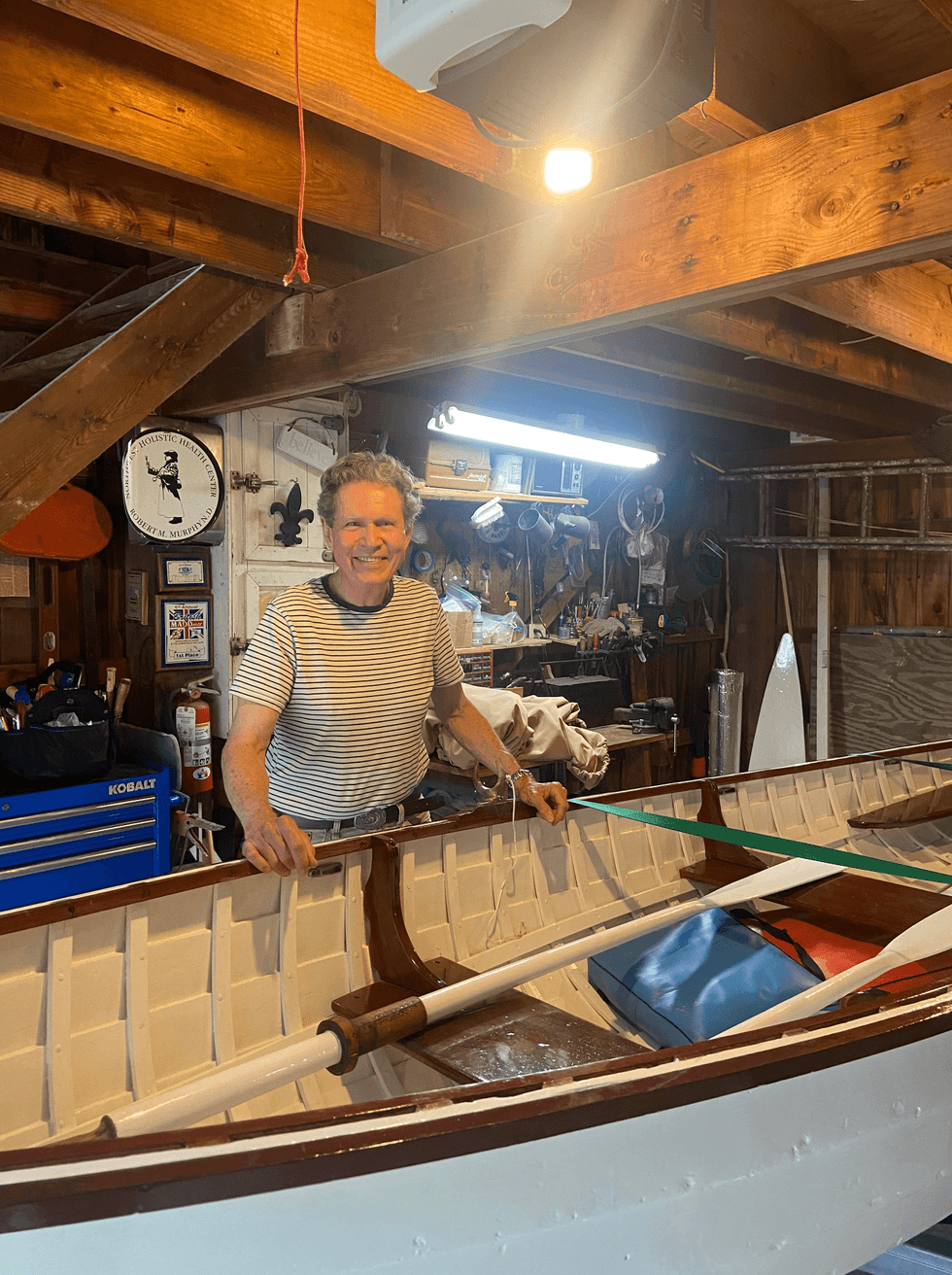
During the pandemic, he restored the boat. Two weeks ago, he finally launched the refurbished piece of art at its original home, the Twin Lakes.
“I worked on it for 100 hours, said Murphy. “I used top quality marine materials. I filled cracks, sanded it all down, scraped it, caulked it, restored areas of the ribs and the floorboards. I replaced the mahogany at the stem, buffed up the brass work.”
Murphy went on in detail about the lengths he went to in order to make the rowboat a masterpiece. The ribs are made of white oak, the planks of selected cedar (which is quite rare), the knees of curved tamarack trunks, and the brass rivets and screws hold it in place.
He said, “I’m kind of a perfectionist. I like using my hands. I grew up on a farm. I know how work with metal and wood.”
The boat is now a beautiful white color, but at its start it bragged an original wood exterior. “Eventually, grandpa started painting it white,” said Murphy.
“When I was 10 years old he gave me a can of Benjamin Moore white paint and said, ‘Okay Bobby, we’re going to paint the boat, now.’
“That was my introduction to painting the boat, and I’ve been taking care of it ever since,” said Murphy.
The preserved boat is an extension of Murphy’s childhood camp, now lost.
Murphy said, “The Twin Lakes, it’s a lovely spot. There were so many trees. We had 250- year- old hemlocks, right on the property. They were massive, and they’re gone now.”
The camp was across from Camp Isola Bella’s Albert Tower. Murphy would look out at the structure from a little window, in one of the many cots splayed around the dark green, Adirondack-style camp.
The large family — Murphy’s nine-member home is only at the tip of the group — would gather at a 20-foot-long wooden table, built by Grandfather Fred. There were benches to match; they would fill up with family and friends at summer cookouts.
“He liked to fool around with woodworking,” said Murphy about his grandfather. The knack for handiwork seems to runs in the blood.
“We’d carry the boats down carefully and put them in the water. It was a yearly ritual,” said Murphy. “The boat was put in the water in 1933 and taken out in 2013. You do the math,” he said. That’s 80 years?
Another memory related to the boat is the Lilypad Pond. “The Lilypad Pond was cut off by the trestle,” said Murphy. “It’s a very shallow place with bass, and for a long time there were stocked, landlocked salmon. It was very good fishing, over 90 feet deep off the tip of that island.”
When he was 12, Murphy met an old fisherman at the pond. He taught him how to spin-cast and told him how he ferried stones to build to Isola Bella bridge.
Years later, Murphy rowed his wife Marie there. “We talked and romanticized,” said Murphy. “Marie picked lilies and put them into Fanny’s cut-glass bowl. The petals would open in the morning and close in the evening.”
Murphy’s been married to Marie since 1977. The couple relaunched the boat together, on a sunny day, at the state boat launch, just past O’Hara’s Landing. “It was a wonderful day,” said Murphy.
The boat’s inspired other artwork of Murphy. He made prints of it and wrote historical poems. Marie and Murphy even made a rope wreath, pinned together with the old twine that used to fasten the boat to docks.
“The boat is in my blood,” said Murphy. “I know it’s just a material object, but there’s something about family legacy. It’s about the human story behind it.”
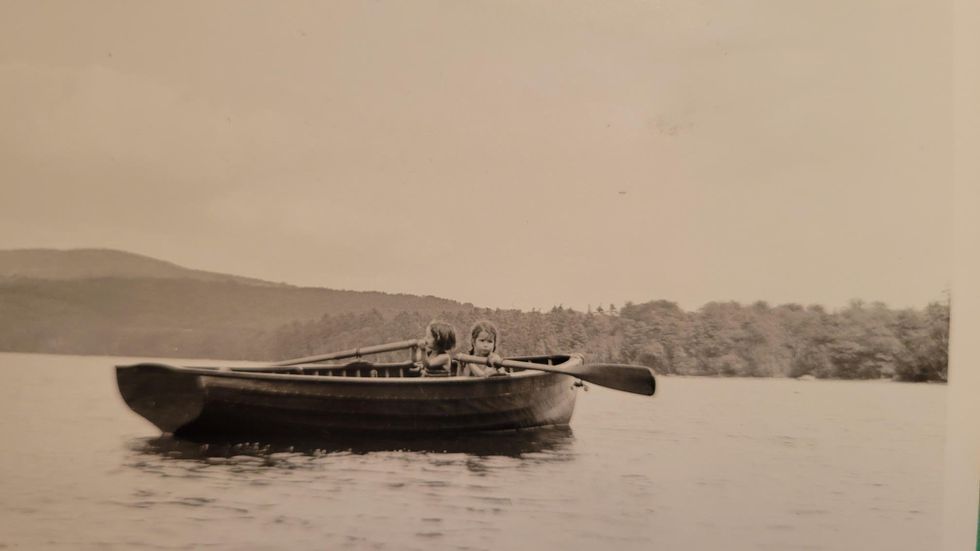
A photo from Robert Murphy’s archives showing the rowboat “Fanny” in action on the Twin Lakes. Photo submitted
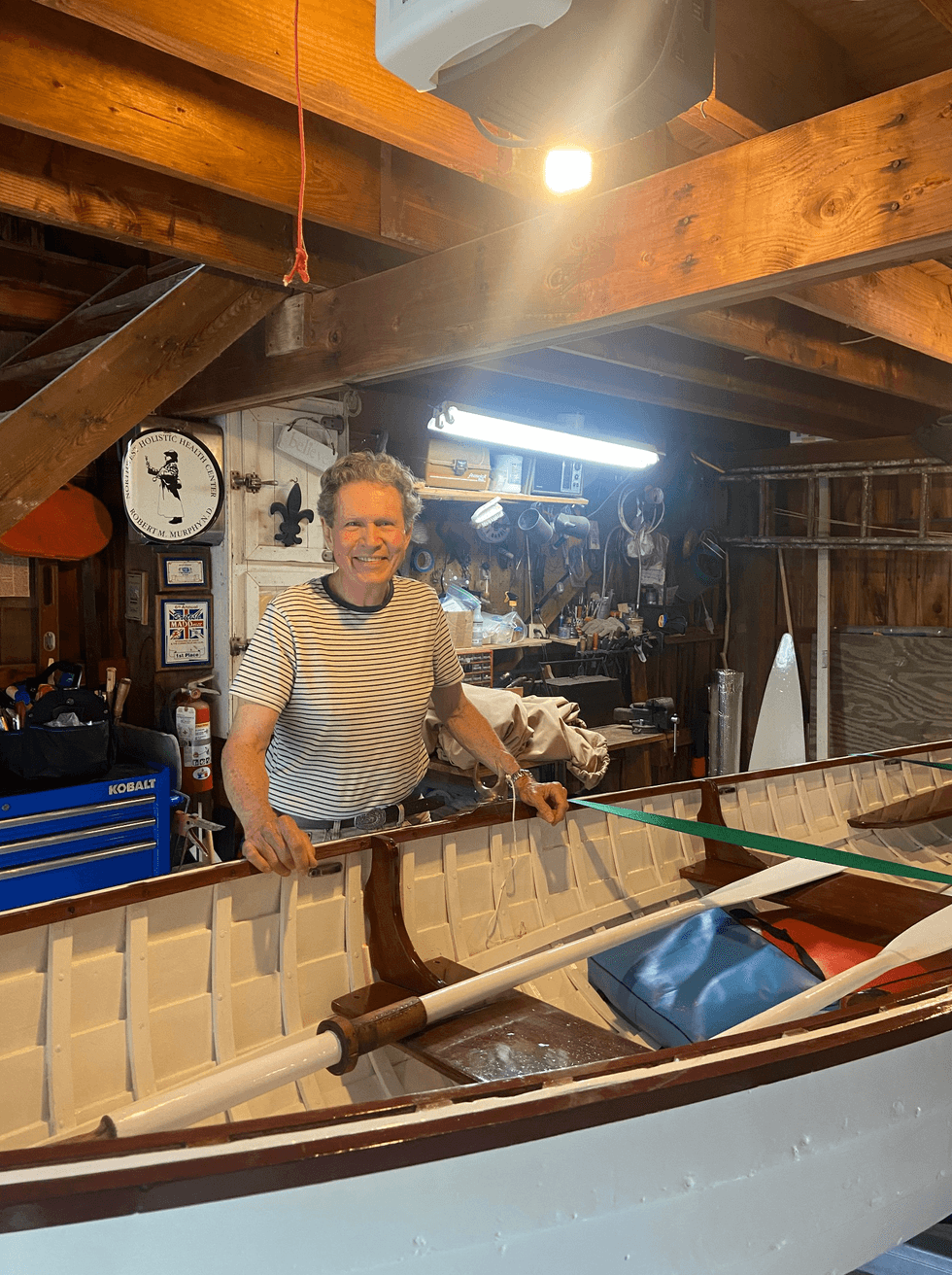
A photo from Robert Murphy’s archives showing the rowboat “Fanny” in action on the Twin Lakes. Photo submitted
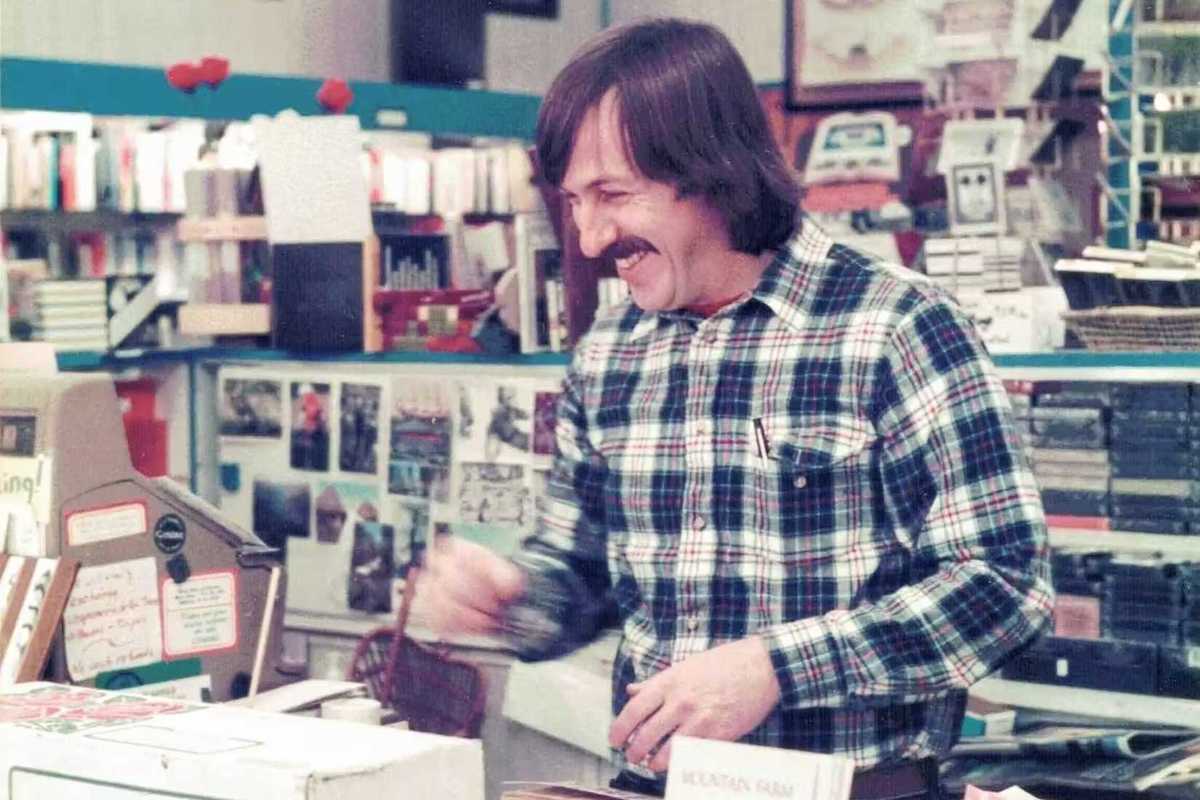
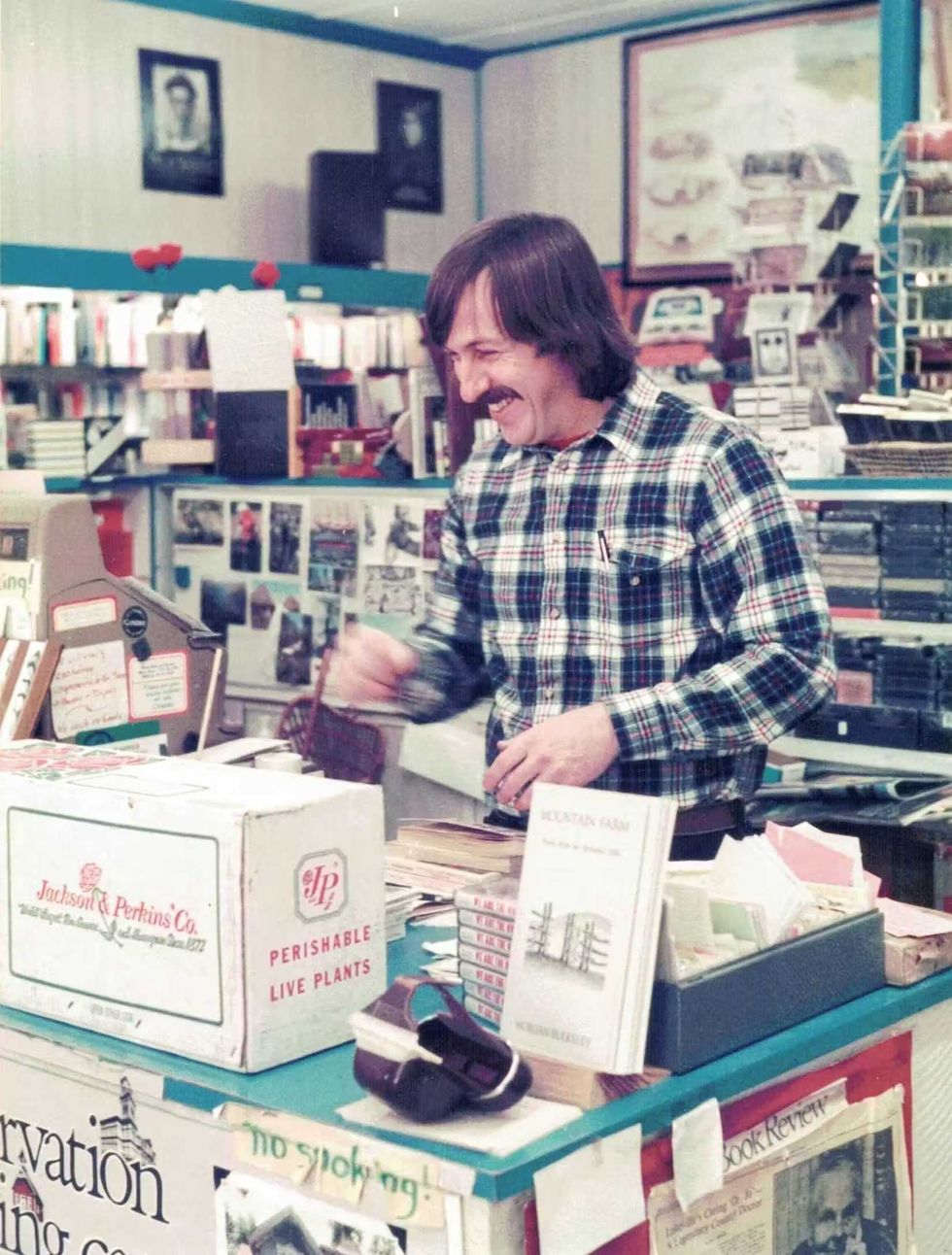 Dick Hermans in the Oblong Bookstore on Millerton’s Main Street in 1985.Provided


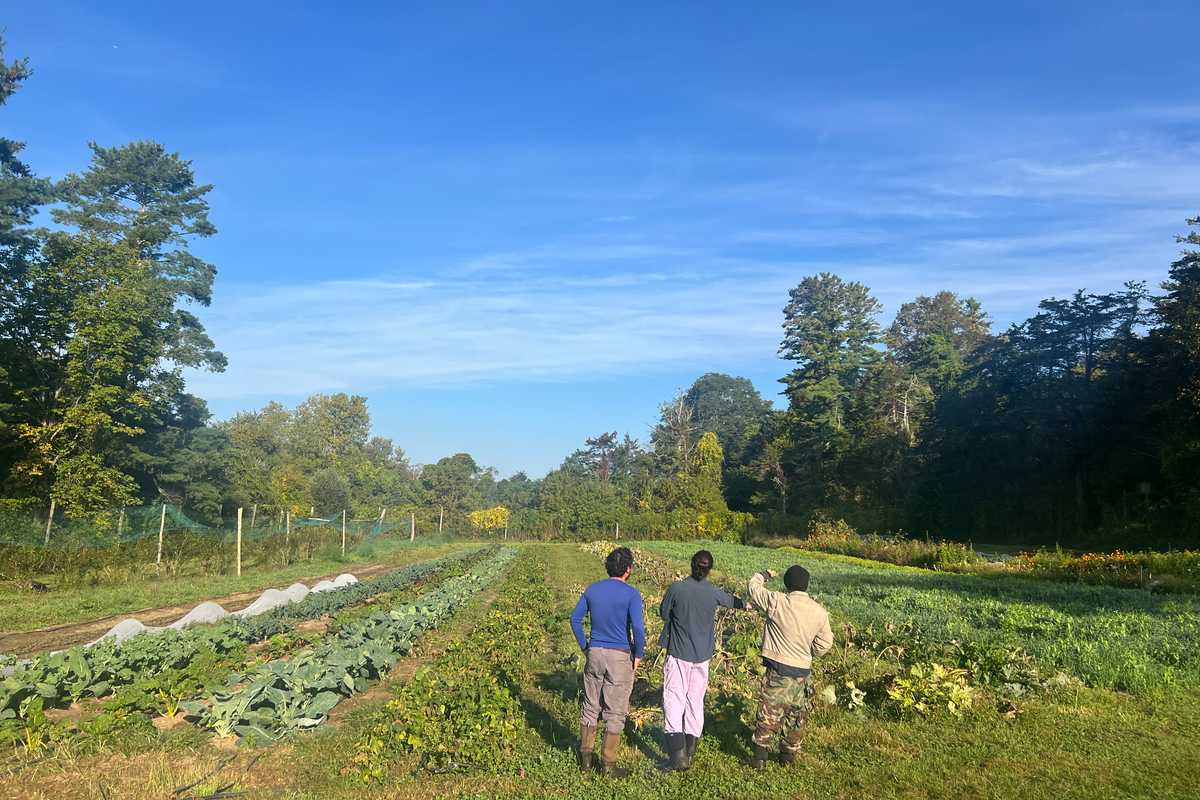
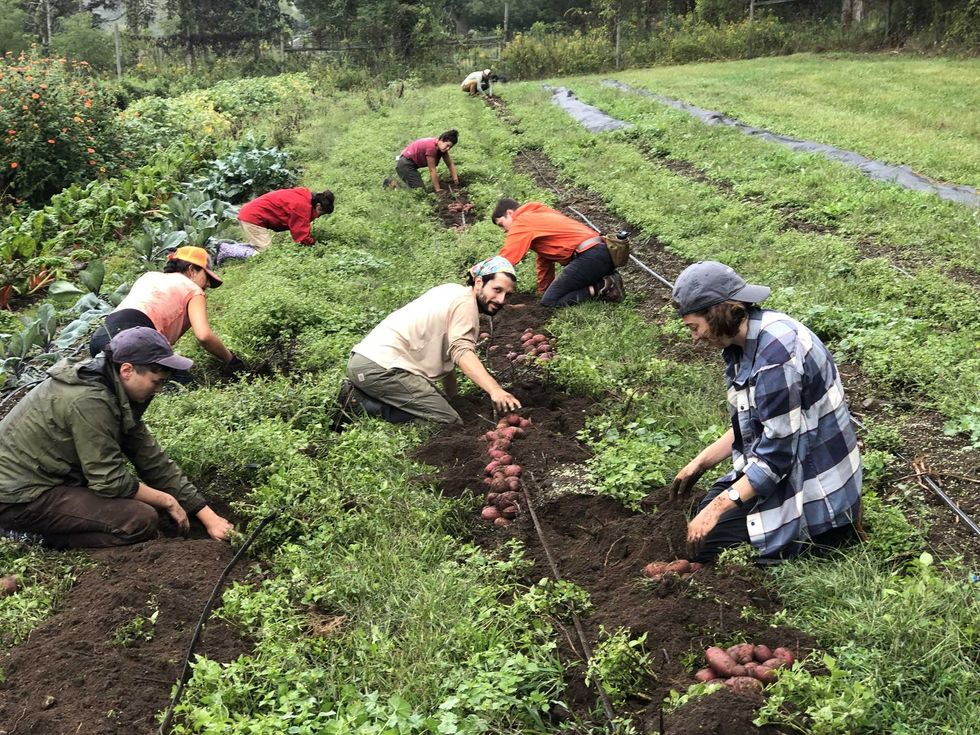 Fall storage crop harvests amid soil building cover crops at Adamah Farm in Falls Village. Janna Siller