One of the virtues of Science is to keep people from accepting a first thought that makes no sense. It says, “Let’s just think about that. Does it make sense? Are you sure?“ It says “No, Mr. Aristotle, eels do not form from the mud at the bottom ofrivers.”Authoritarianstend to hear what they want and decide that it is true. “Surely vaccines are dangerous.” is one such thought. The voice that proposes the first thought can be seductive; it is confident and speaks in a tone that says how can you not know this? People hearing the supposedly authoritative voice of RFK Jr., skipped their children’s measles vaccinations on the pretext that vaccines cause autism.
RFK Jr had been in American Samoa in June 2019 and spread the idea that measles vaccine begets autism. Low rates of vaccination declined further. A tourist with measles introduced the infection to the under-protected Samoan population and an epidemic ensued, introduced by a tourist, peaking in the Fall of 2019. Measles virus is exceptionally infectious. Thousands of people were infected, and the island closed down--schools, factories, markets, and tourism. Vaccinators from CDC and several countries, arrived went house to house, vaccinating the residents. The population was about 195,000, and 13,666 vaccinations were given to previously unvaccinated adults and 1,113 children. By Mid-December there were no new cases.
There were, nonetheless, 800 cases of measles in total and 83 deaths, most in children under 5. Eighty-three deaths is a horrendous number, when the vaccine could have prevented them.There is more to learn from these numbers. Of the vaccinated children who did not get measles, some, according to Mr. Kennedy’s theory, should have developed autism.I called the Samoan Health Authorities and asked if they were seeing more autism than usual. They were fighting filariasis, but not autism. Measles vaccination does not cause autism to increase, but something does, and Mr. Kennedy has no idea how to find out what that is.
Robert F. Kennedy Jr confessed to licking cocaine off toilet seats and then explained that’s why he doesn’t fear bacteria. That is hard to top, but perhaps God looks after fools and drunks, or perhaps someone had just swabbed the toilets with Clorox.Then he told us that mRNA vaccines are dangerous and should not even be considered by the FDA. He said they don’t work in the upper respiratory tract, but they do. That rookie error has been retracted. RFK Jr. should think first but does not.mRNA vaccines are part of the future, which does not guarantee that Moderna’s new influenza vaccine will be given a fair hearing at the next FDA meeting which has been seeded with vaccine skeptics.
The United States has withdrawn from the World Health Organization.After the Ebola outbreak in West Africa, more than a decade ago, an organization called CEPI (the Coalition for Epidemic Preparedness Innovations) formed. Their goal was to make vaccines for new pandemics and have them in the field in 100 days. That takes mRNA vaccines.Vaccines derived directly from the virus genome 9 which is usually made of mRNA, not DNA, can be made quickly. Later, chemists can make drugs as they did with Covid 19. CEPI is funded by the Norwegian Sovereign Welfare Fund, The Gates Foundation, and many others. But not the United States. They do not need our money but someday we may need their mRNA vaccines.
That we are set to discourage vaccines and better ways to make them means that we are ceding leadership in science and medicine that has been American for decades. European countries, Japan, China, Australia, Israel, India and others are now industrial powers, as good at advanced molecular genetics and vaccines as we are. We risk that they will collectively surpass us, a competitive deficit that we do not need.
The NIH and other research institutions work through study sections, which meet three times a year and go through about 100 grant applications, submitted by scientists in colleges and universities around the country. About 20 % are funded. The other 80 scientists can make changes and reapply. The judgmentdetermines the future of the applicant’s lab, including support for PhD students, so a lot is at stake.This process also faces disruption. I served on a study section forfour years and submitted applications to fund my own lab for nearly 30.The process was honest and apolitical. Now the Trump administration has decreed that applicants can have their grants moved up in rank if administrators think one meets the President’s priorities better than others. The system is now more open to political corruption. Is there to be a political officer at each study section?
There is good news. Congress has not cut the NIH budget by 40% as the Trump administration wanted.Let’s see if Universities and other research organizations can keep their Ph.D and MD fellowship programs going. That the number of students in them will be reduced, is a given.
Richard Kessin is Emeritus Professor of Pathology and Cell Biology at the Columbia University Irving Medical Center.

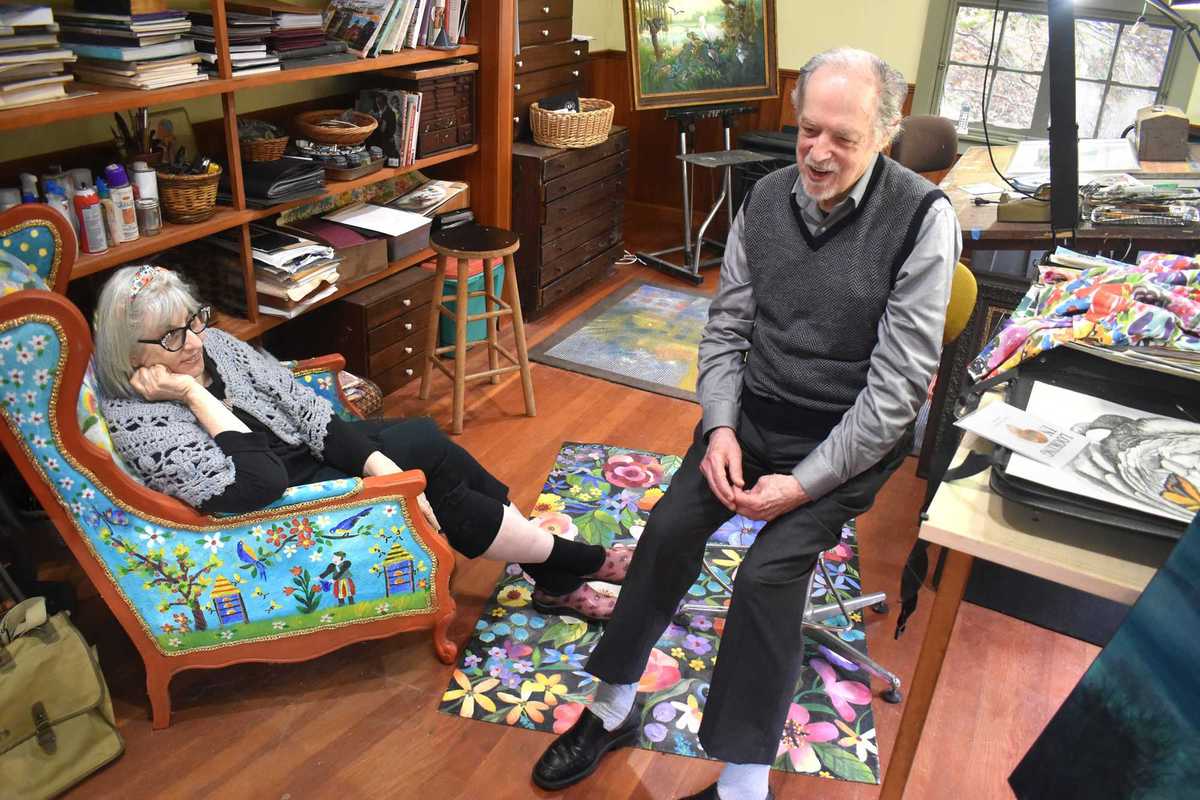
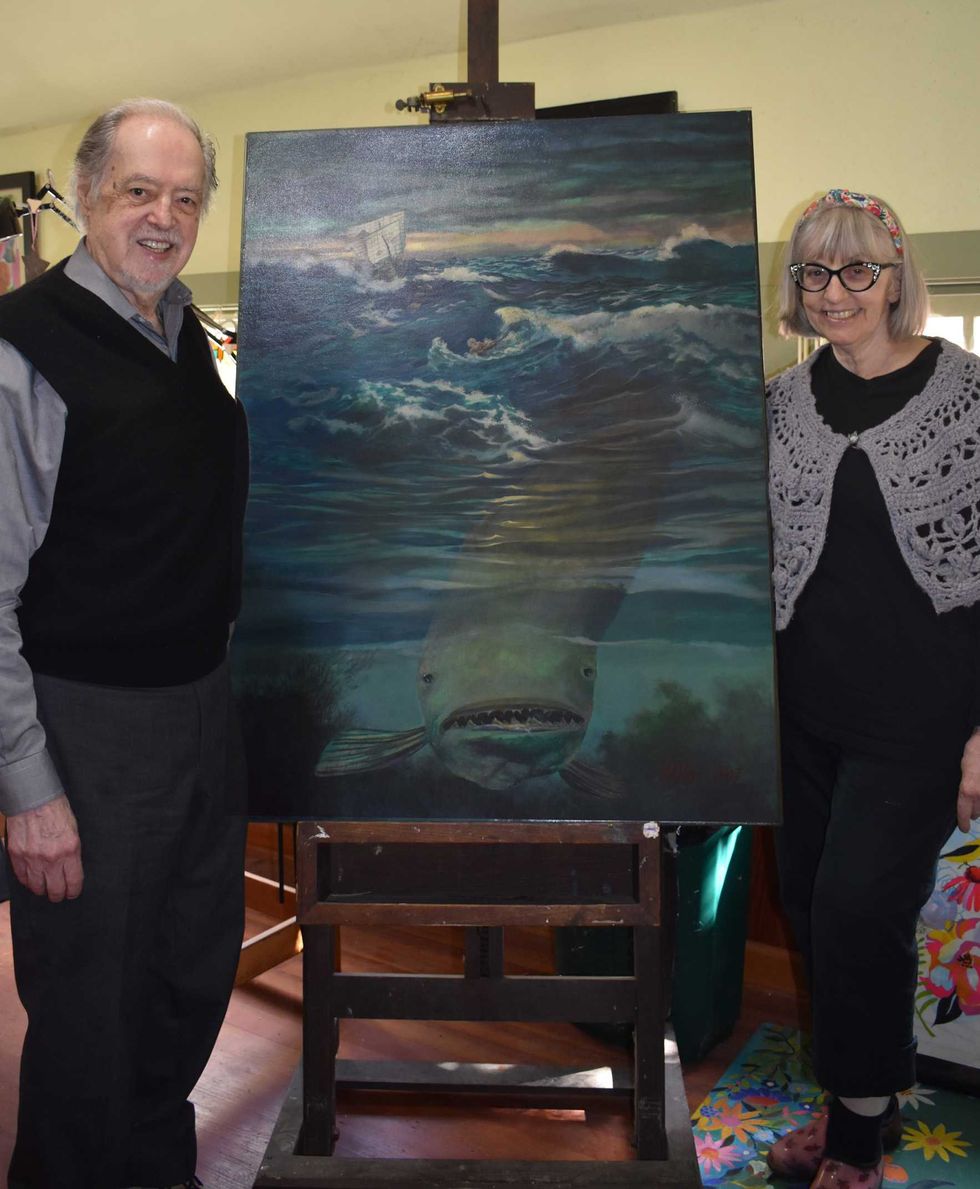 Justine and Victor Valla in their studio with a painting of Victor’s,”Jonah and the Whale.” Robin Roraback

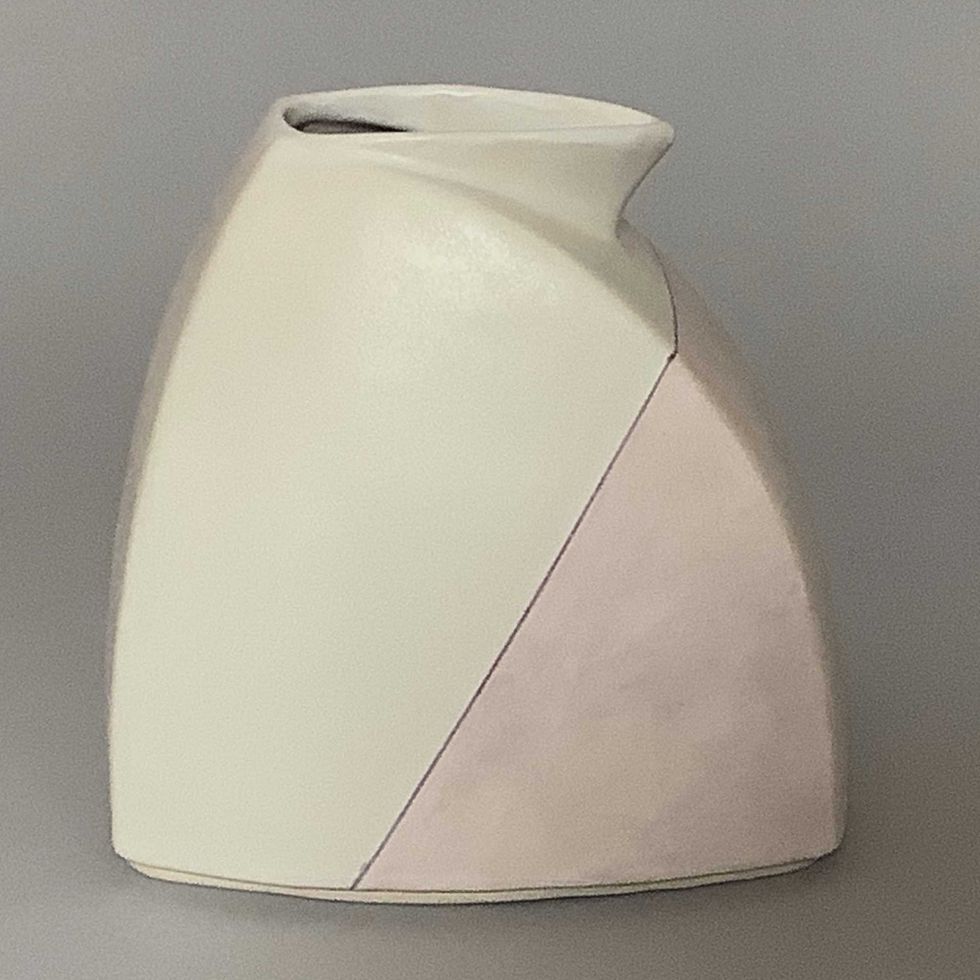 A ceramic vase by Kathleen Heidemann.Provided
 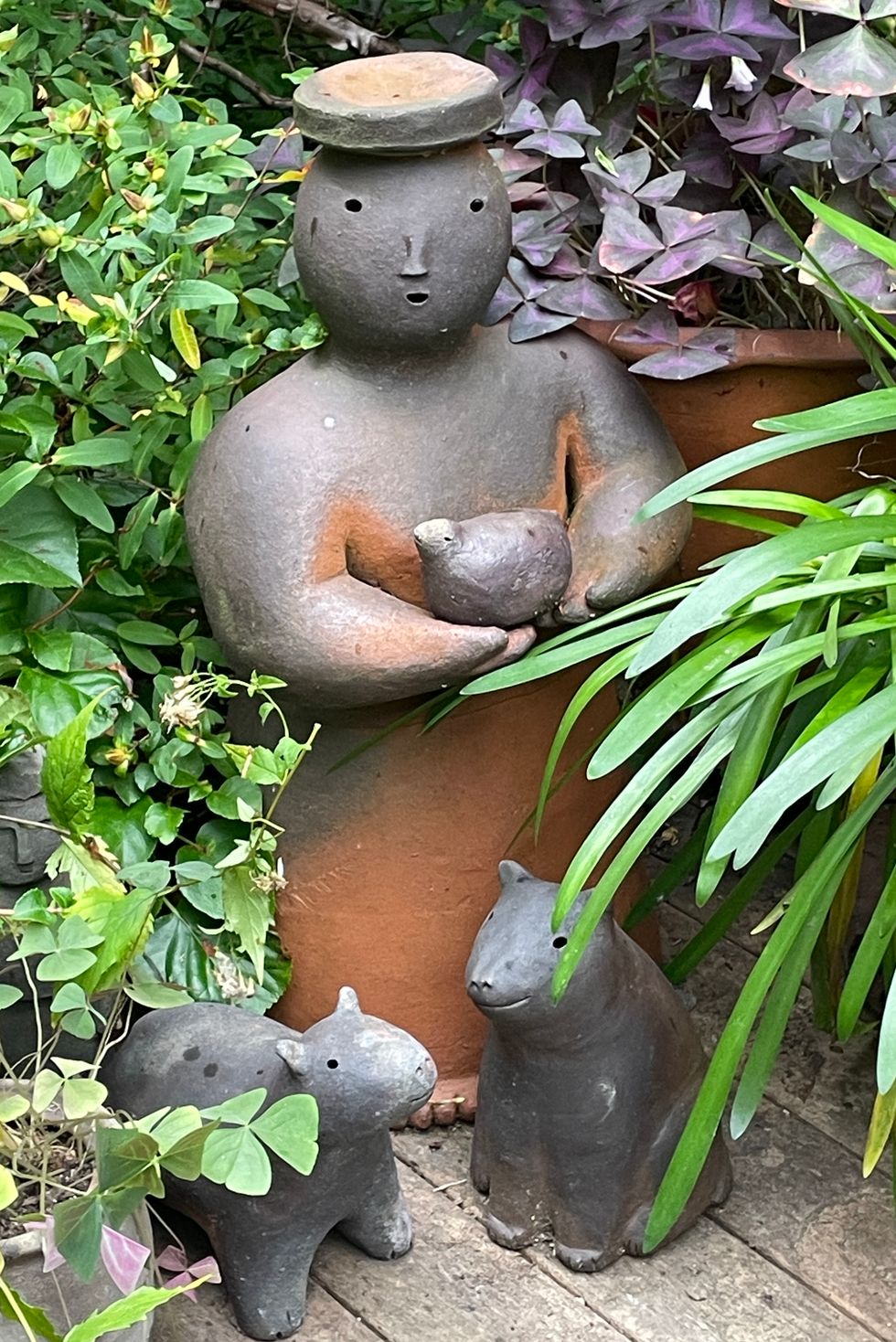 Joy Brown’s delightful ceramic sculptures.Provided