Selma — and all it meant — brought to life

SHARON — Ten years ago, Susan Buckley and Elspeth Leacock were writing a book about real-life people who had pursued freedom in one form or another. They hoped to find a young person who had participated in the famous march from Selma to Montgomery in 1965, so they called The National Voting Rights Museum and Institute in Selma. The woman who answered the phone said, “You want my sister, Lynda. She was the youngest person on the Selma march.”

When they contacted her, Lynda Blackmon Lowery was a middle-aged wife and mother of two grown girls, and a senior case manager at a mental health center in Selma. But on the morning of her 15th birthday, she had woken up in a tent halfway between Selma and Montgomery.

Lowery was surprised to hear from the writers. “I didn’t have a story to tell,” she said in a telephone interview last week from her home in Selma. “I was just doing what I had to do.”

She speaks slowly and deliberately, with the kind of Alabama accent that turns “pen” and “fill” into two-syllable words. Her voice is gentle, and she chuckles often.

Despite Lowery’s modesty, Buckley and Leacock knew she did have a story to tell. They interviewed her and included her story in their book. But they felt she had much more to tell, and they determined to write another book just about Lowery.

(Full disclosure: I have worked with Buckley and Leacock in the past. And, after speaking with Lowery for an hour and a half, I want to write a book about her, too.)

“Turning 15 on the Road to Freedom: My Story of the Selma Voting Rights March” finally came out last year. Since then, Lowery has traveled all over the country telling her story and sharing her experiences.

On Sunday, May 1, she and Buckley will be at the Hotchkiss Library of Sharon. Lowery’s visit to the Northwest Corner is part of a week-long tour that will also take her to Baltimore, New York City and Clearwater, Fla.

“Now that I’m retired,” she said, “I can move as much as I want to and go as much as I want to.”

When I suggested that she seemed to be working even harder since she retired, Lowery laughed, “No, I’m having fun!”

Lowery’s story began in 1957, when she was 7 years old. Her mother was ill and needed a blood transfusion. The hospitals in Selma had blood available, but they did not accept black patients. Lowery’s mother died.

“I vowed that nobody would ever grow up without a mommy because of the color of her skin,” Lowery said. “I decided at 7  years old that when I got big, I was gonna change that.

“Little did I know that ‘getting big’ meant seeing and hearing Dr. Martin Luther King Jr. when I was 13.”

The real Dr. King

Lowery and her younger sister, Joanne, had never heard of the civil rights leader. When they were told they were “going to see King,” they expected to meet the German shepherd from the television show Sergeant Preston of the Yukon.

Lowery said, “James Baldwin introduced Dr. Martin Luther King Jr., and we looked at each other,” wondering what happened to the dog. 

“Then this man came out and he started to talk. I was sitting on the edge of my seat. He sounded like he was saying something you needed to hear.”

King focused on the struggle for voting rights. Technically, the 15th Amendment had guaranteed people of all races and colors the right to vote. But most Southern states had laws that placed insurmountable obstacles in the way of blacks who attempted to register.

During the talk, King said, “You can get anybody to do anything with steady, loving confrontation.”

That phrase struck Lowery. Then, “the second time he said it, it sounded like he said, ‘Lynda, you can get anybody to do anything with steady, loving confrontation.’ And I said, ‘Oh yeah. That’s how I’m gonna change things.’”

Non-violent resistance

King asked for volunteers to join the movement. Lowery signed up immediately.

First, she took classes in non-violent resistance led by members of the Student Nonviolent Coordinating Committee and the Southern Christian Leadership Conference.

“They had young people teaching younger people. You would learn how to, for example — If you go and sit at this counter, and I spit in your face, you would just sit there.”

Older teens and college students participated in sit-ins at restaurants and lunch counters. Younger children like Lowery marched.

“Between January third and March seventh of 1965, I had been jailed nine times.”

Tales of beatings, abuse

This is the story told in “Turning 15” — the marches, the arrests, the beatings, the tear gas. Just one example: Lowery was among three busloads of children who were held for nine days in two different state prison camps without their parents ever being told where they were. The entire time, they were fed nothing but black-eyed peas and bread.

“I am 66 years old now,” Lowery said, “and I don’t eat nobody’s black-eyed peas.”

When retelling these events and relating things that were said to her, Lowery used a word that is noticeably absent from the book. Then she was careful to explain why she is opposed to the use of the word. “It implies ownership,” she said.

“My father and I used to walk down the street, holding hands, laughing, going to the store. My father would have on his hat, shoulders back, he’d look so strong. 

“Then we would go into a store, and I’d see him visibly change. His head would go down, his hat would go off, his shoulders would slump. And a white child younger than me could say, ‘What do you want, n-----?’ to my father. 

“And my father couldn’t do anything. He would hold my hand, squeeze it tight, so I wouldn’t say or do anything.

“That word will never be acceptable to me. There’s no way to say that word so it will not hurt somebody.”

Speaking mainly of rap artists who frequently use the word, Lowery explains that changing the final “er” to an “a” doesn’t change the word. “These young men glamorize it. They need to stop. Period. Because they’ll never be able to make the hurt go away for the people who know what that word means.”

The book concludes with the group’s triumphant arrival and rally in Montgomery. After that, Lowery’s role in the movement changed.

“My grandmother always said we were free as long as we didn’t let anything own our minds.” Lowery’s grandmother had moved in with the family to help raise the four children after their mother’s death. When she says “my parents,” Lowery is referring to her father and her grandmother. 

“She said you had to tend your mind like a garden. You had to cultivate it and water it and feed it and seed it with knowledge.”

So Lowery returned to school. In addition to working on her own studies, she also took tests for students who were out marching, as others had taken tests for her while she was away. She tutored other children who had missed classes in order to protest. And yes, the teachers — who, like the students, were black — knew what was happening. In many cases, they helped.

The voting rights movement ended on Aug. 6, 1965, when the Voting Rights Act was passed by Congress. Lowery completed her education, married, had two children and got divorced.

Moving up — and away

Over that time, she discovered an unexpected downside to integration.

“We grew up in the projects,” she said. “It really was a village. Everybody took care of everybody else — helped each other out. Because nobody had any more than the other person. They depended on each other, because we were a big family. 

“When the Voting Rights Act passed and everything was over, people started moving up, as they say. They thought they had arrived, and they started moving out. And they stopped thinking about their fellow man. If they had moved up and out, they didn’t reach back for anybody else.

“That’s one thing I really do think hurt us in the projects. It hurt us because of the mindset of the people. When people could move up and out, they started getting stupid. They’d stop speaking to you. 

“That was a tragedy. Because now, nobody knows what it is to be family, to lean on each other. A lot of families don’t know what it is to be a family. Families have a responsibility toward each other; they don’t know about that.”

In 1971, Lowery visited an old friend from the movement who was living in New York City. The friend suggested that Lowery and the girls move in with her. As Lowery tells it: “I looked around the city and I said ‘I can’t raise children here. It’s wall to wall concrete and dog poop.’

“We rode the subway — she was showing me some area of Brooklyn — and when we got off the subway, it looked like 5,000 people got off with us. I said ‘I can’t raise children here, there’s too many doggone people.’

“Cuz you know, I’m real country,” she adds. “Alabama country.”

But the friend persisted. 

“We were riding the Staten Island Ferry,” Lowery said. “We got off the ferry, we were on Richmond Avenue. I said, ‘And what does this remind you of?’ And she said, ‘Jefferson Davis Street in Selma.’ And I said, ‘It most certainly does. I could live here and raise children. You have front doors and back doors, and you have grass. I could raise children here.’”

So Lowery bought a house on Staten Island, and she and her daughters moved north.

“I like to tell people that, by the grace of God, I raised two girls in New York City with no pregnancies, no drugs and no welfare. I got them through high school and into college.”

With the girls on their own, she moved back to Alabama and married Collie Lowery, “my first crush from when I was 12 years old.” That was in 1987, and the marriage is still going strong today.

At first, her husband accompanied her on her many book tours. But the increased travel that came with retirement proved hard to keep up with. 

“He’s still working. So he said, ‘Nah, you go on. I’m all right.’”

Lowery’s presentation at the Hotchkiss Library, which begins at 4 p.m., will be aimed at both teenagers and adults. Lowery says that the idea of the book is “for young people to read it and get a sense of being there — to feel like they are taking part in the event.”

Latest News

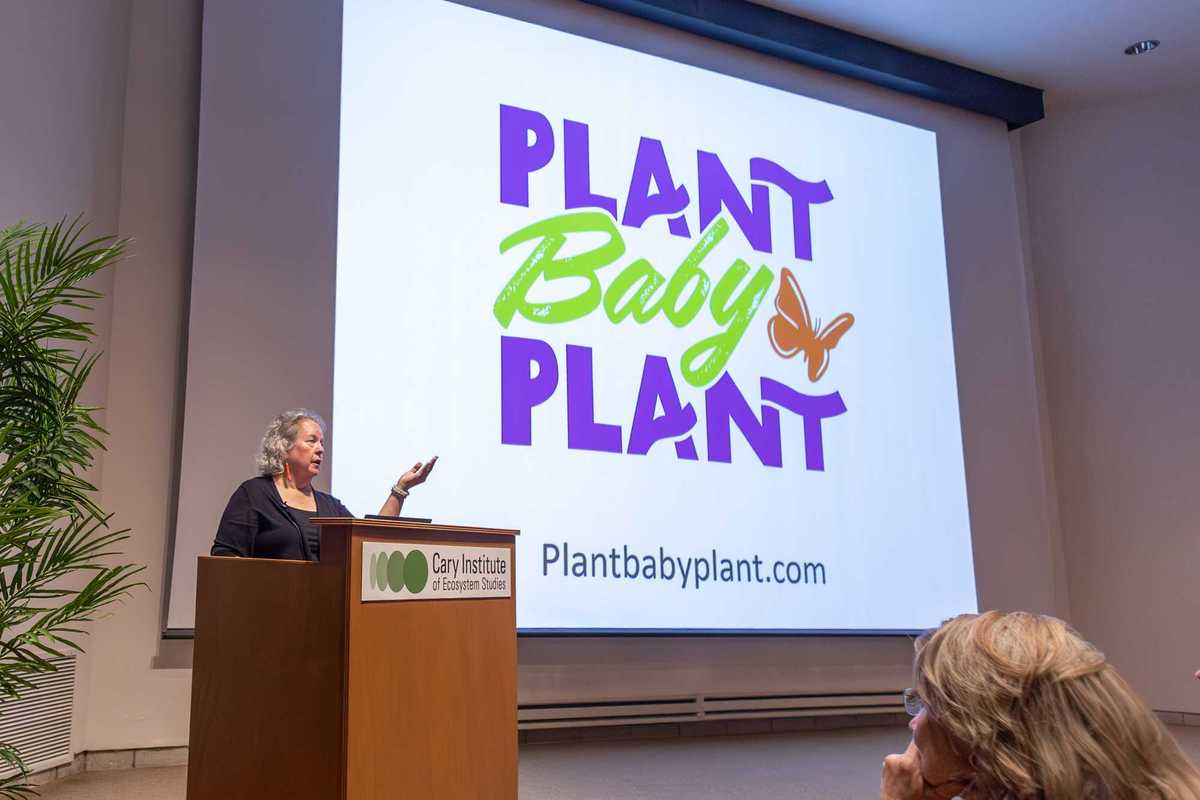
Robin Wall Kimmerer urges gratitude, reciprocity in talk at Cary Institute

Robin Wall Kimmerer inspired the audience with her grassroots initiative “Plant, Baby, Plant,” encouraging restoration, native planting and care for ecosystems.

Aly Morrissey

Robin Wall Kimmerer, the bestselling author of “Braiding Sweetgrass” and a member of the Citizen Potawatomi Nation, urged a sold-out audience at the Cary Institute of Ecosystem Studies on Friday, March 13, to rethink humanity’s relationship with the natural world through gratitude, reciprocity and responsibility.

Introduced by Cary Institute President Joshua Ginsberg, Kimmerer opened the evening by greeting the audience in Potawatomi, the native language of her ancestors, and grounding the talk in a practice of gratitude.

Keep ReadingShow less

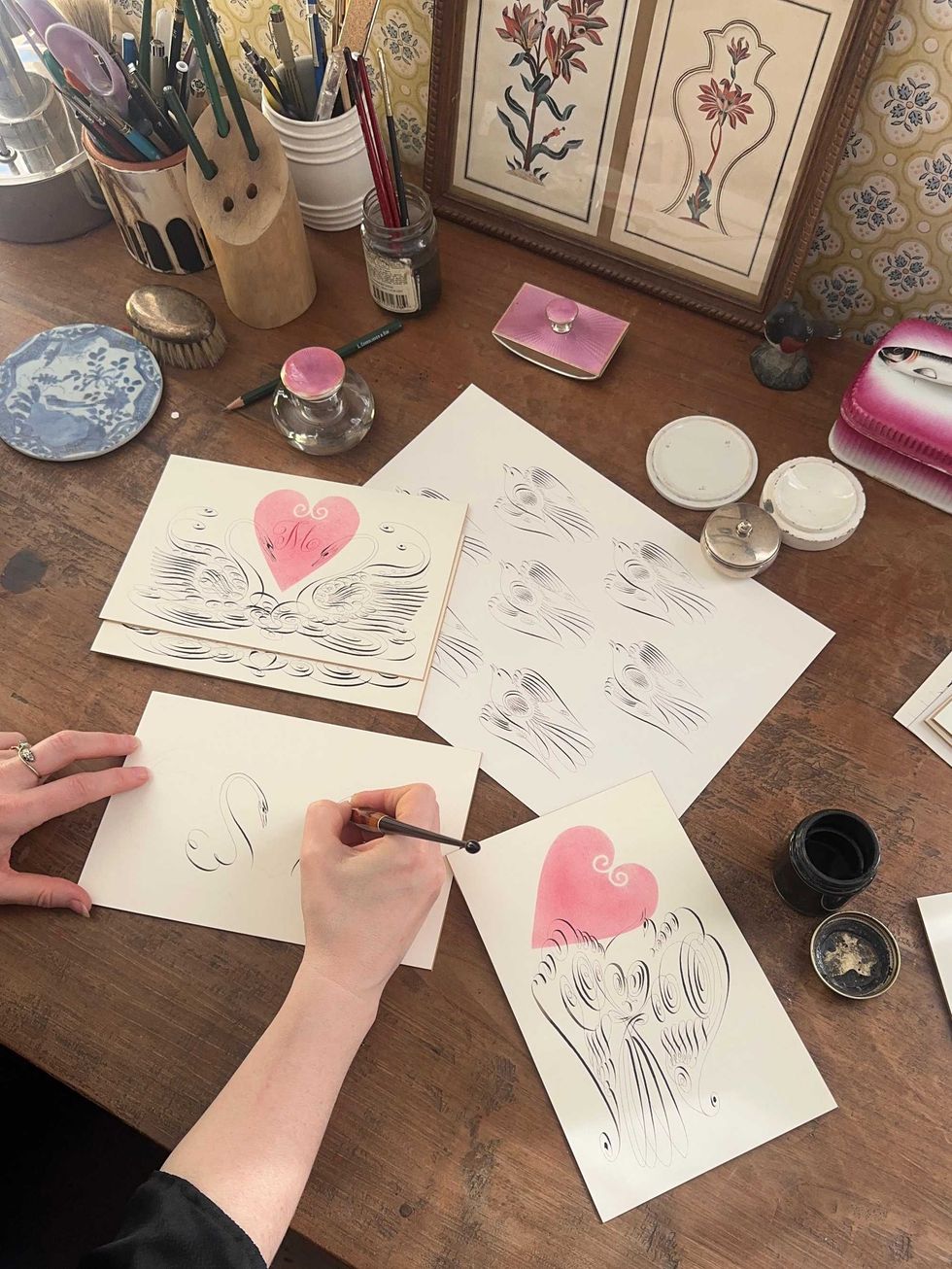
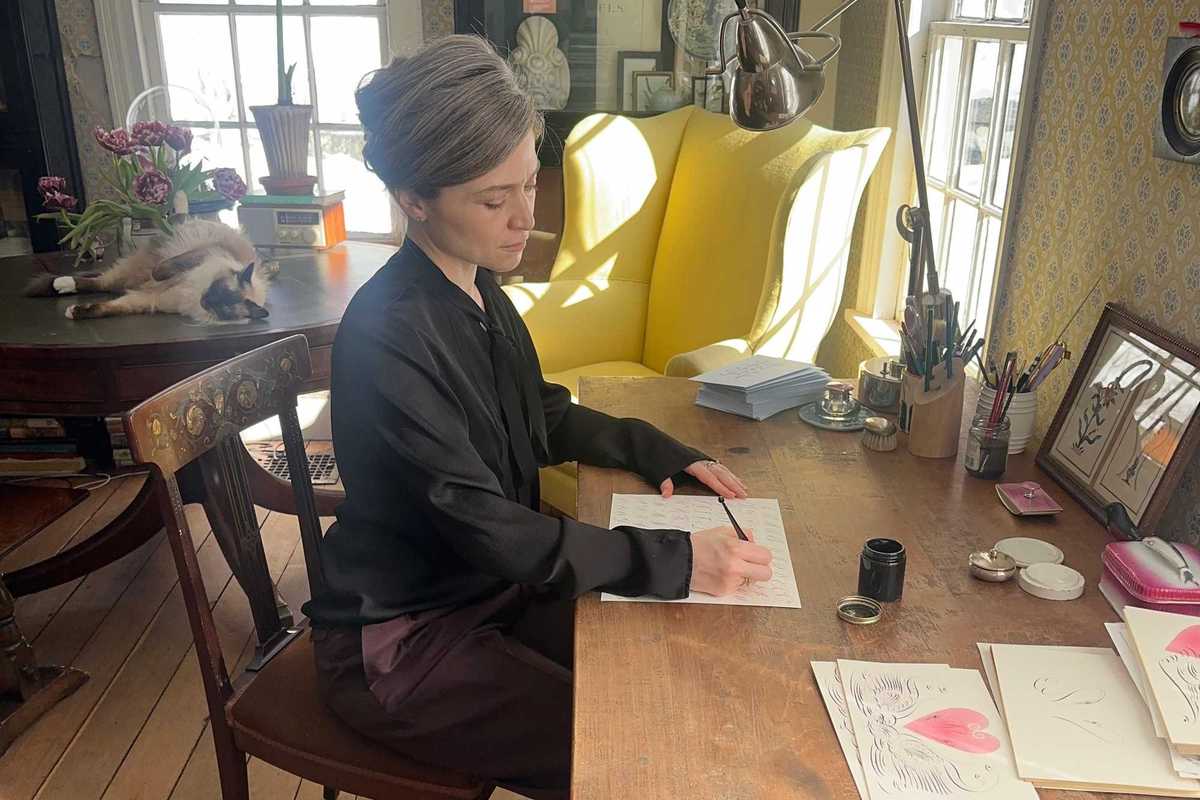
Melissa Gamwell’s handmade touch

Melissa Gamwell’s handmade touch
Melissa Gamwell, hand lettering with precision and care.
Kevin Greenberg
"There is no better feeling than working through something with your own brain and your own hands." —Melissa Gamwell

In an age of automation, Melissa Gamwell is keeping the human hand alive.

The Cornwall, Connecticut-based calligrapher is practicing an art form that’s been under attack by machines for nearly 400 years, and people are noticing. For proof, look no further than the line leading to her candle-lit table at the Stissing House Craft Feast each winter. In her first year there, she scribed around 1,200 gift tags, cards, and hand drawn ornaments.

Keep ReadingShow less
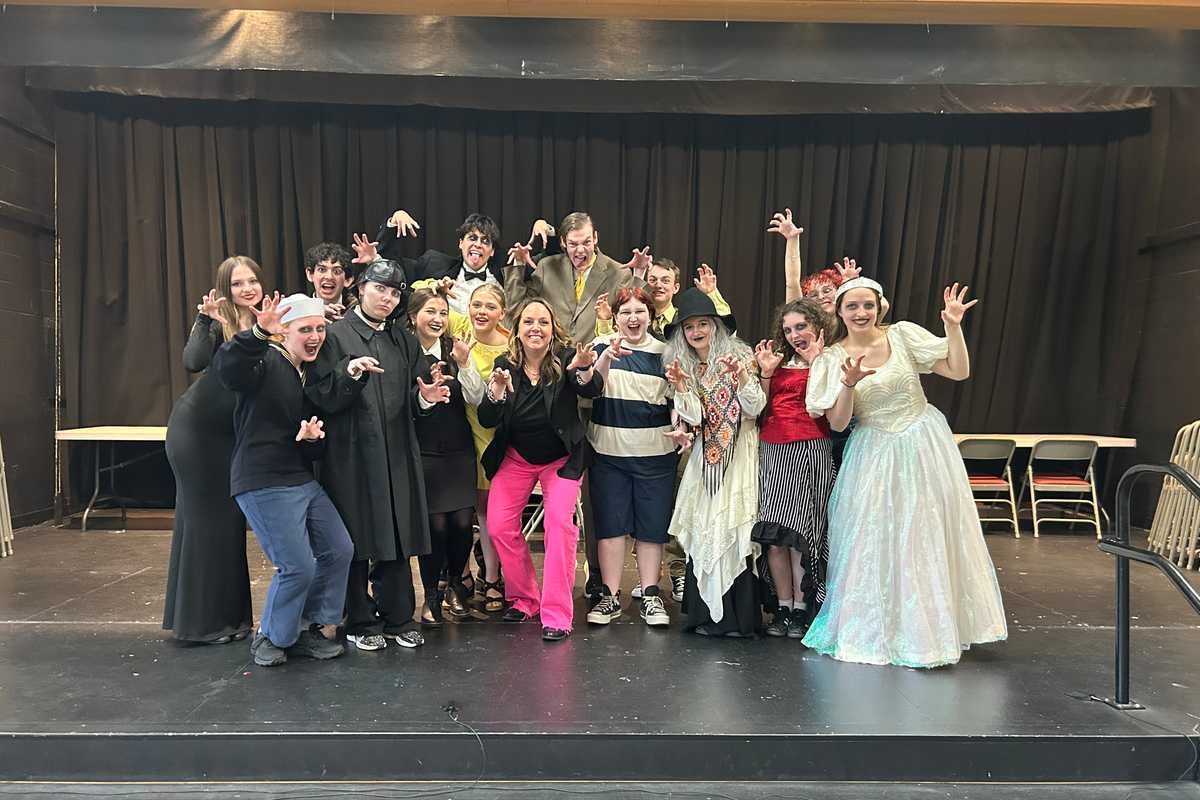
Regional 7 students bring ‘The Addams Family’ to the stage

The cast of “The Addams Family” from Northwest Regional School District No. 7 with Principal Kelly Carroll from Ann Antolini Elementary School in New Hartford.

Monique Jaramillo

Nearly 50 students from across the region are helping bring the delightfully macabre world of “The Addams Family” to life in Northwestern Regional School District No. 7’s upcoming production. The student cast and crew, representing the towns of Barkhamsted, Colebrook, New Hartford and Norfolk, will stage the musical March 27 and 28 at 7 p.m., with a 2 p.m. matinee on March 29 in the school’s auditorium in Winsted.

Based on the iconic characters created by Charles Addams, the musical follows Wednesday Addams, who shocks her famously eccentric family by falling in love with a perfectly “normal” young man. When his parents come to dinner at the Addams’ mansion, two very different families collide, leading to an evening of secrets, surprises and unexpected revelations about love and belonging.

Keep ReadingShow less
google preferred source

Want more of our stories on Google? Click here to make us a Preferred Source.
‘Quilts of Many Colors’ opens at Hunt Library

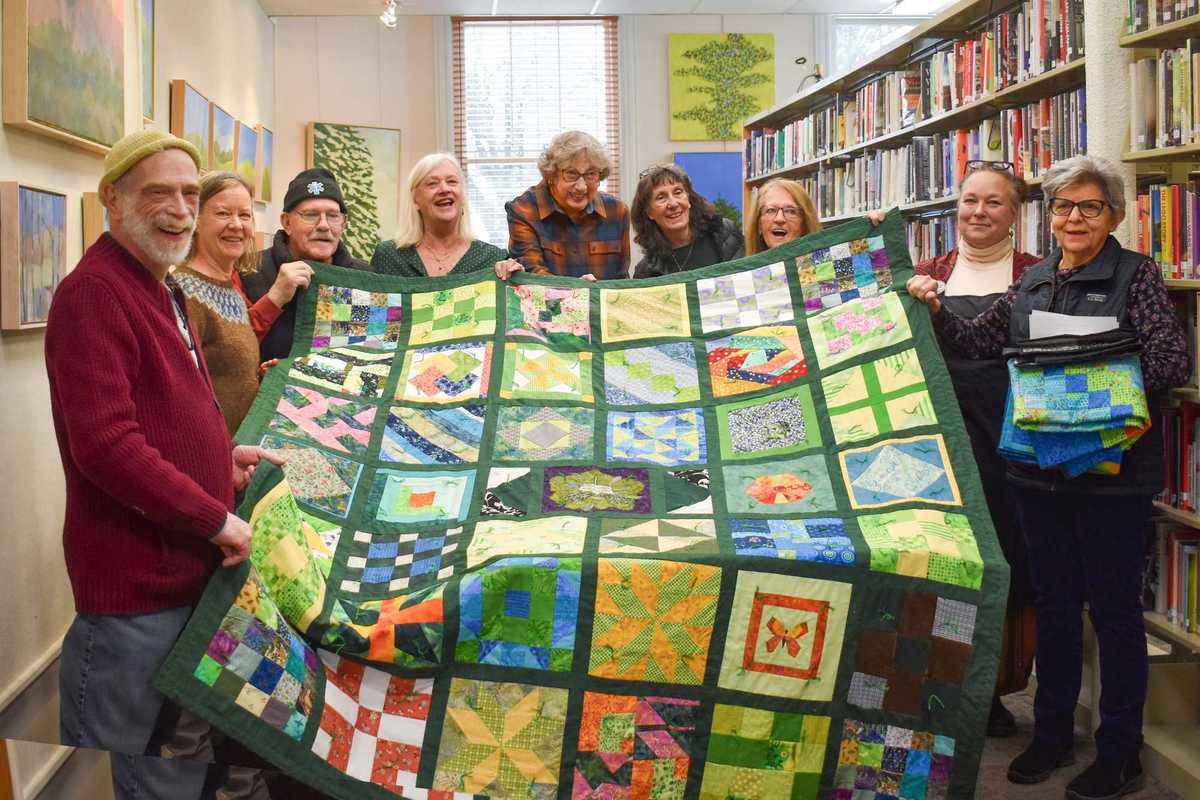
Garth Kobel, Art Wall Chair, Mary Randolph, Frank Halden, Ruth Giumarro, Project Chair, Maria Bulson, Barbara Lobdell, Sherry Newman, Elizabeth Frey-Thomas, Donna Heinz around “The Green Man.”

Robin Roraback

In honor of National Quilt Day, a tradition established in 1991, Hunt Library’s second annual quilt show, “Quilts of Many Colors,” will open Saturday, March 21, with a reception from 5 to 7 p.m. The quilts, made by members of the Hunt Library Quilters, will be displayed through April 17. All quilts will be for sale, and a portion of each sale goes to the library.

At the center of the exhibit is a quilt the Hunt Library Quilters collaborated on called the “Quilt of Many Colors,” inspired by Dolly Parton’s song”Coat of Many Colors.” Each member of the Hunt Library Quilters made two to four 10-inch squares for the twin-size quilt, with Gail Allyn embroidering “The Green Man” for the center square. The Green Man, a symbol of rebirth, is also a symbol of the library, seen carved in stone at the library’s entrance. One hundred percent of the sale of this quilt benefits the library.

Keep ReadingShow less

New in at Kenise Barnes Fine Art

New in at Kenise Barnes Fine Art

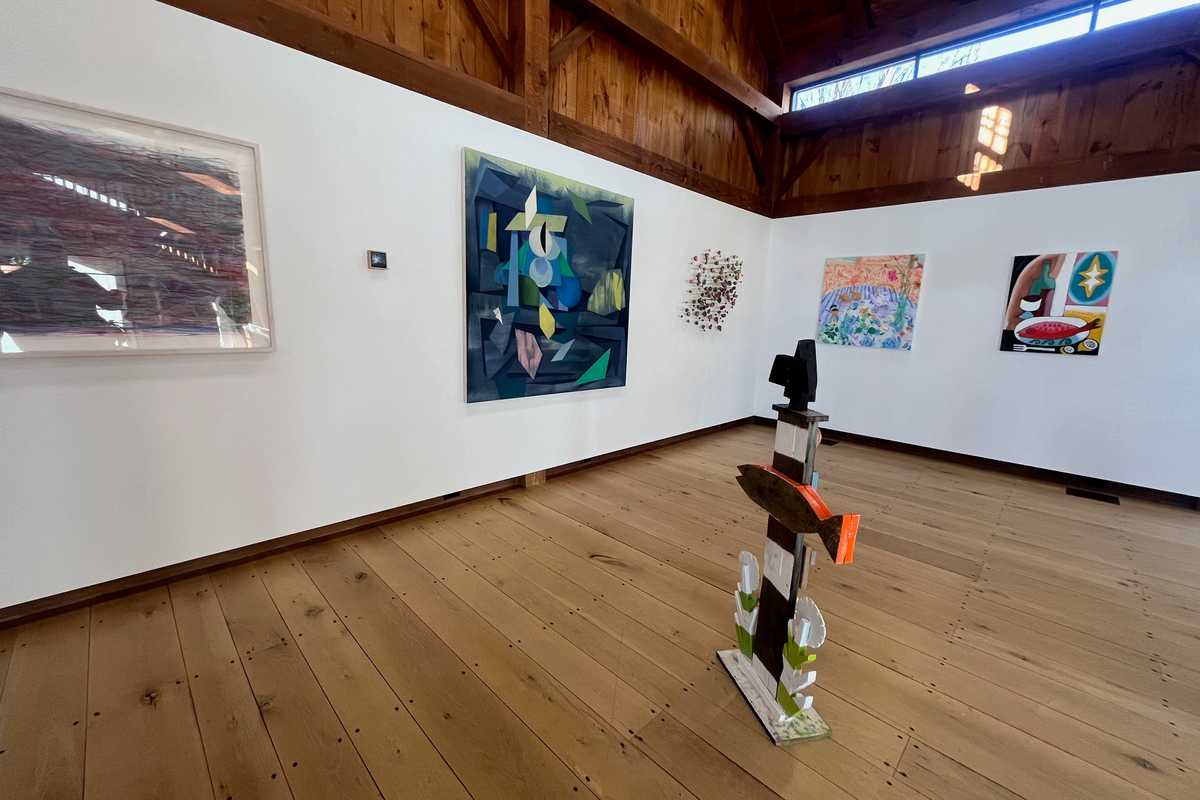
New works on display at Kenise Barnes Fine Art in Kent

D.H. Callahan

Since 2018, Kenise Barnes Fine Art in Kent has been displaying an impressive rotation of works across a range of artists and mediums. On Saturday, March 14, art enthusiasts arrived to see a new exhibition at the gallery featuring a wide variety of new pieces.

Large-scale paintings by David Collins and Melanie Parke alongside small 3-by-3 inch oil-on-panel works by Sally Maca.

Keep ReadingShow less
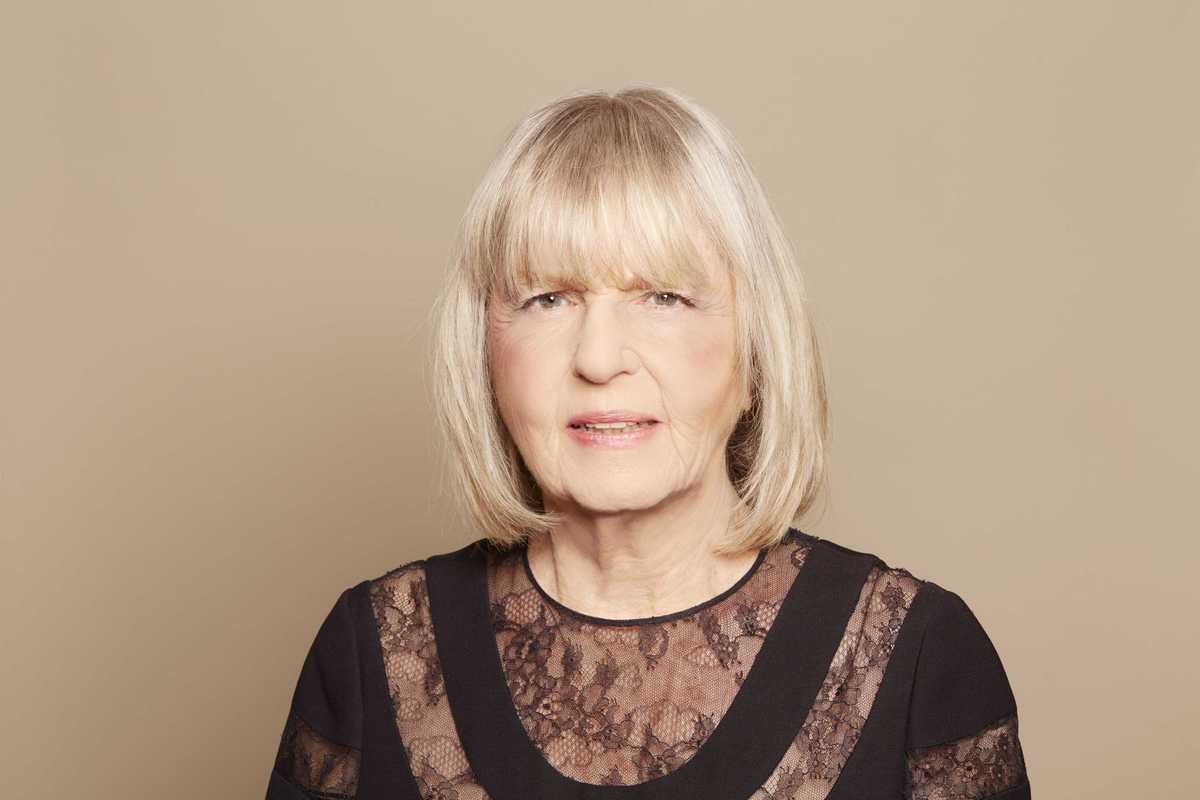
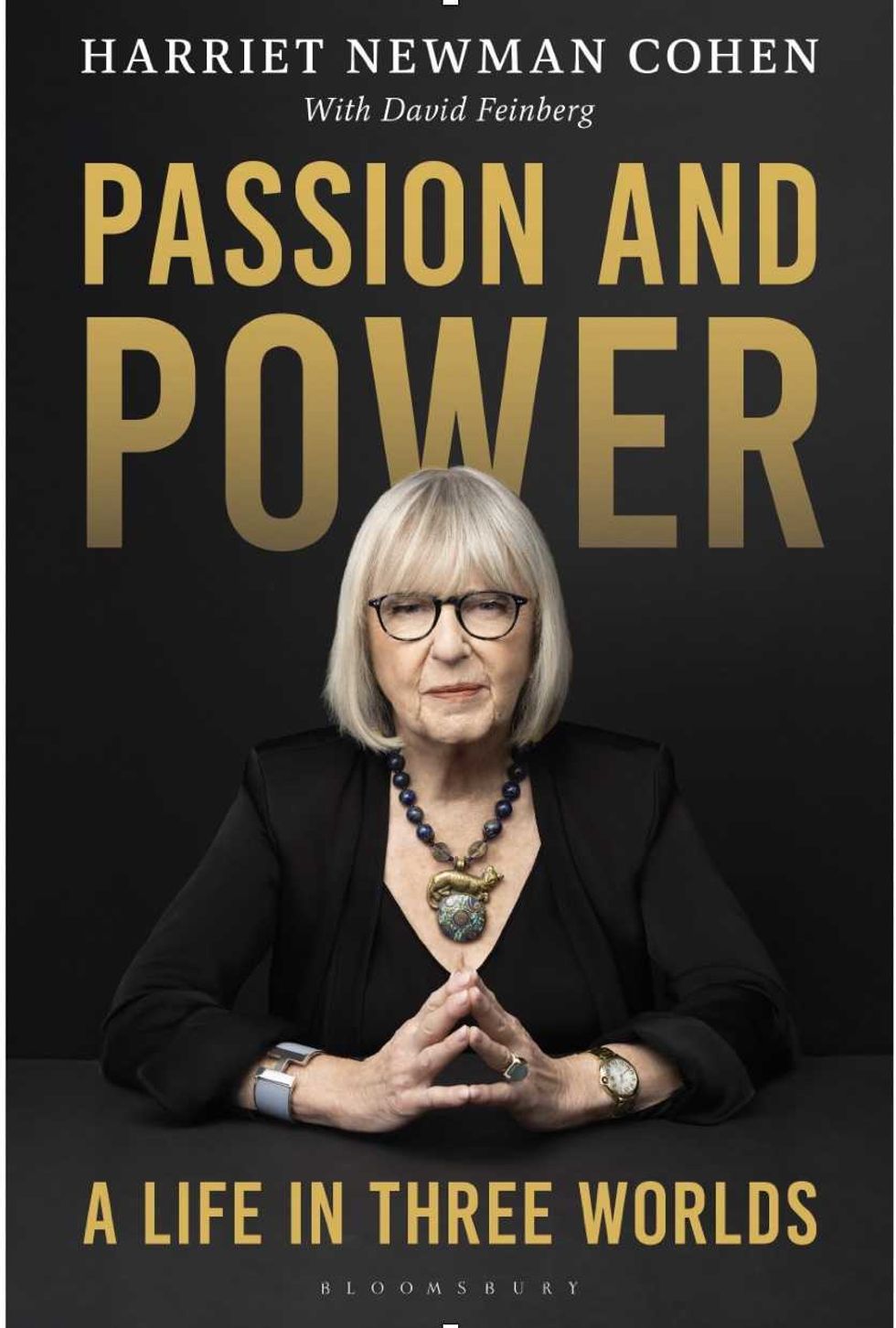
Trailblazing divorce attorney Harriet Newman Cohen to speak at Norfolk Library

Harriet Newman Cohen

Provided

Harriet Newman Cohen weathered many storms in her five-decade-long journey to become one of the nation’s most celebrated divorce attorneys. Voted one of the top 100 attorneys in New York for many years, Cohen served as president of the New York Women’s Bar Association and has been a champion of divorce reform. She and her co-author, journalist David Feinberg, will give a book talk about her memoir, “Passion and Power: A Life in Three Worlds,” at the Norfolk Library on Sunday, March 22 at 2 p.m.

What began as a personal record of her life, intended for her family, grew into a memoir that journalist Carl Bernstein describes in his endorsement as “wise and riveting.” Born in 1932 in Providence, Rhode Island, to parents who immigrated in 1920 from Ukraine and Poland, Cohen traces the arc of her life and the challenges she faced entering a legal profession that was overwhelmingly male at the time, leading to her success as a maverick divorce attorney fighting for women’s rights and equity in the law. She received her Juris Doctor, cum laude, from Brooklyn Law School in 1974, one year after Roe v. Wade was decided. She is a founding partner of Cohen Stine Kapoor LLP in New York City, a family and matrimonial law firm she formed in 2021, at age 88, with her daughter Martha Cohen Stine and Ankit Kapoor.

Keep ReadingShow less
google preferred source

Want more of our stories on Google? Click here to make us a Preferred Source.
google preferred source

Want more of our stories on Google? Click here to make us a Preferred Source.