Thank you!
Your support is sustaining the future of local news in our communities.

DEEP teams up with environmental groups
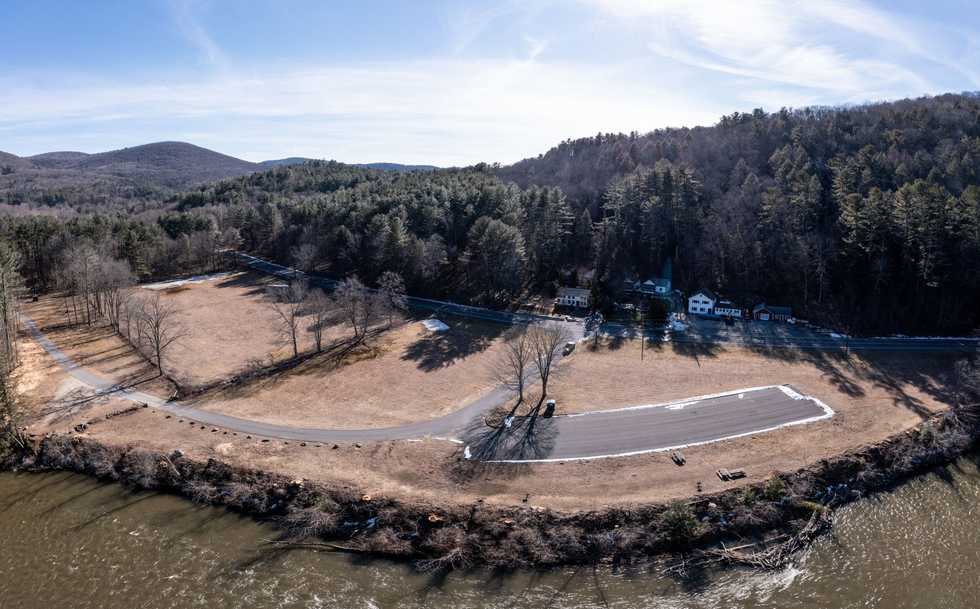
DEEP teams up with environmental groups
The river bank at Housatonic Meadows State Park in Sharon was laid bare by tree-cutting last winter, but state officials and environmental groups are making plans to fight invasive plants and bank erosion. 
Photo by Brian Wilcox

SHARON – The protests over the cutting of trees in Housatonic Meadows State Park last winter that brought policy changes at the state Department of Energy and Environmental Protection (DEEP), also led to a sprouting collaboration between the state and environmental groups with a goal to preserve and replenish the natural resources at the park.

The public outcry that following the cutting of more than 100 oak and pine trees in the park triggered proposed legislation in Hartford, led by State Sen. Craig Miner (R-30) and State Rep. Maria Horn (D-64). After last-minute wrangling, the General Assembly passed Senate Bill 238 at the end of its session in May. The bill placed new oversight over DEEP’s management of what it considers hazardous trees.

But before and after the legislation became law, DEEP had begun meeting with environmental organizations and a group of citizens who called themselves the Housatonic Meadows Preservation Action (HMPA). Shortly after the protests over last winter’s cutting, DEEP held a public meeting via Zoom in the first week of January. In early March, it made a site visit to meet with local environmental groups. In mid-March it held a second public hearing, followed by a plan that included maps, scope of work and budget numbers.

Scope of the Plan

The latest meeting between the groups was held on Wednesday, May 24, when discussion focused on a proposed plan to include new trees, plants to stabilize the river bank, address invasives growth and riverbank erosion.

Matthew Goclowski, a supervising fisheries biologist at DEEP, and Gerard (Jerry)  Milne, a forester with the agency, have held meetings to develop an overall project plan and timeline.  Another on-site meeting is scheduled for the first week in June.

“Nicely, they made our citizen group a local environmental group,” said Katherine Freygang, an ecologist and environmental educator in Cornwall and a member of  HMPA. “Everyone working on the project is well-intentioned and trying to make it all work.”

Besides HMPA, the group includes the Housatonic Valley Association, the Housatonic River Commission and the Audubon Society.

Bruce Bennett of Cornwall, another member of HMPA who is the tree warden in Kent, said he is positive about the state’s commitment.

“I believe them,” he said. “They have followed through.”

Bennett acknowledged that under the new law the state is only required to plant trees. The scope of work  proposed by HMPA includes, besides invasive controls and measures to combat erosion, a “biosystem” for wildlife.

The new law also didn’t provide any additional funding for DEEP.  But DEEP, when assessing the need for design of erosion and storm water management, included the Northwest Conservation District, a nonprofit that serves 34 town and cities, in the working group. The district can provide services that tap into federal Clean Water Act money for reimbursement.

Erosion and
Storm Water

Executive Director Cynthia Rabinowitz said that DEEP reached out to the organization specifically about erosion and storm water management along the river and the parking area.

“We talked about services that the conservation district might provide to help design mitigation practices,” she said. “We have funding that comes through DEEP. It’s not state money. It’s from the EPA, federal money that comes from Section 319 of the Clean Water Act.”

“It’s a pass through from the federal government,” Rabinowitz said.

There are three treatment areas targeted in the park for invasive species  management with a focus on Oriental Bittersweet. The goal to get started this summer with the hope that tree-planting can be take place in the fall.

The legislation requires DEEP to implement a tree replanting demonstration project at the park in consultation with state park or forest advocacy groups or organizations by Dec. 1.

Before that, under the law, DEEP also is required to deliver a hazardous tree mitigation policy by Aug. 1. Legislators envision that the policy would include consultation with a licensed arborist before designating and removing presumed hazardous trees, to give the public advance notice, and to consider replanting and other improvements after cutting has taken place.

“These are wonderful goals, although the language is a little bit light for our security,” said Freygang of HMPA. “They’re saying a licensed arborist but that doesn’t really give an indication of what we mean.  We were very specific about what that arborist had to be trained in.”

“They kind of skimmed over things a little bit in the bill, but on the other hand they put it all in, and that’s good,” she said.

Latest News

‘So Little to Do,’ so much to discover at James Barron Art

Curator Deborah Goodman Davis reads the Emily Dickinson poem “The Grass So Little Has to Do.” Spencer Finch’s “Following Three Bees (Zinnias)” buzzes in the background.

Photo by Natalia Zukerman

“The Grass Has So Little to Do,” on view at James Barron Art in Kent, takes its title from Emily Dickinson’s poem “The Grass So Little Has to Do,” written in 1862:

“The Grass so little has to do—
A Sphere of simple Green—
With only Butterflies to brood
And Bees to entertain—”

Keep ReadingShow less

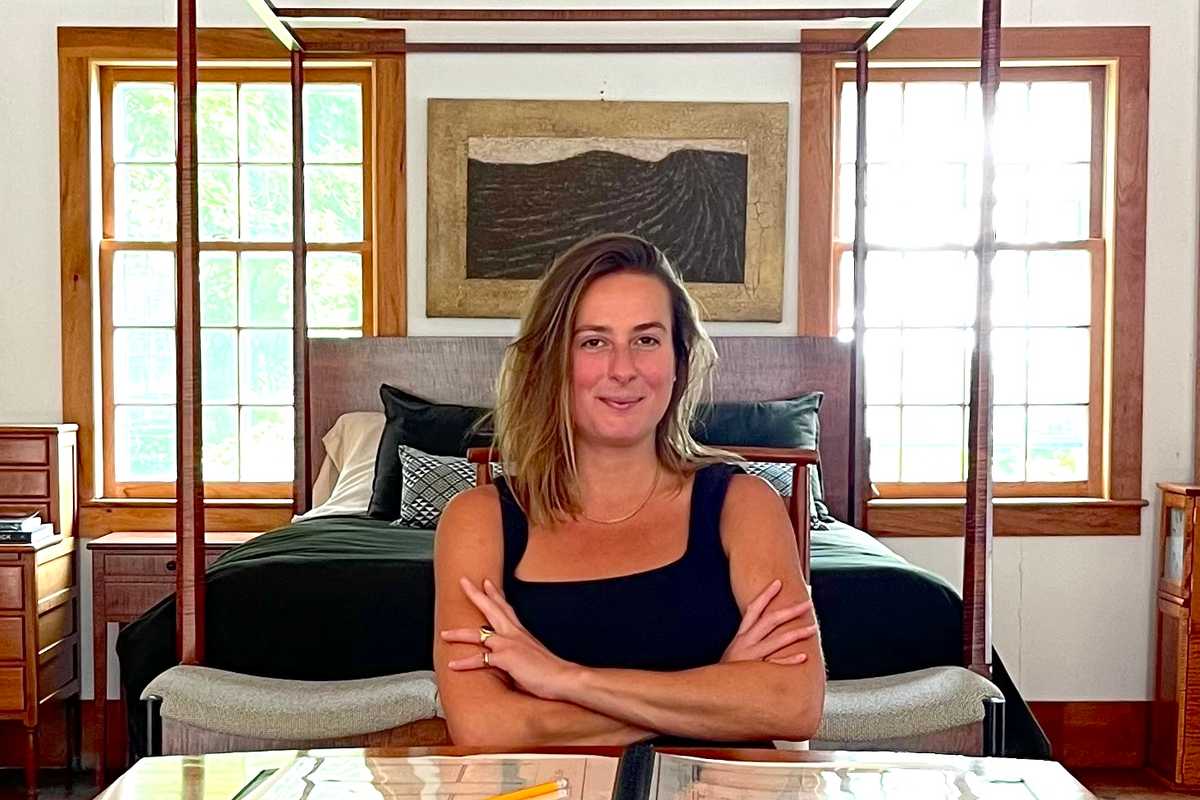
Marina Kotchoubey is not a woodworker

Marina Kotchoubey is not a woodworker

Marina Kotchoubey at the Ian Ingersoll Cabinetmakers showroom in West Cornwall.

Photo by D.H. Callahan

After 40-something years navigating the world of custom fine furniture, Ian Ingersoll was getting ready to retire. Starting off with a little dovetail stool that he sold at a shop in West Cornwall in the 1970s, he’d grown his skill and his business into something he — and the whole town — could be proud of. Shutting down that business was not an option.

Ingersoll built Ian Ingersoll Cabinetmakers, which produced mainly classical Shaker furniture, on passion: the passion he had to make a living through creative challenges and the passion of his employees, who all seem deeply in love with their craft.

Keep ReadingShow less
A legacy of giving at Norfolk Chamber Music Festival

One hundred and twenty years ago, Carl and Ellen Stoeckel commissioned New York architect E.K. Rossiter to design The Music Shed in Norfolk, Connecticut. After nearly a decade of entertaining their friends and neighbors with the finest music of the day, they built a permanent home for their beloved Litchfield County Choral Union.

The commission and full funding of the construction was not unheard of in an era when great fortunes led to public enrichment. Railroad tycoon John D. Rockefeller was instrumental in funding institutes of higher education. Steel baron Andrew Carnegie was building libraries all over the country, and famously said that a man who dies rich is a disgrace, challenging his peers to give their fortunes back to the people.

Keep ReadingShow less
google preferred source

Want more of our stories on Google? Click here to make us a Preferred Source.

Two unique exhibitions at Geary Gallery

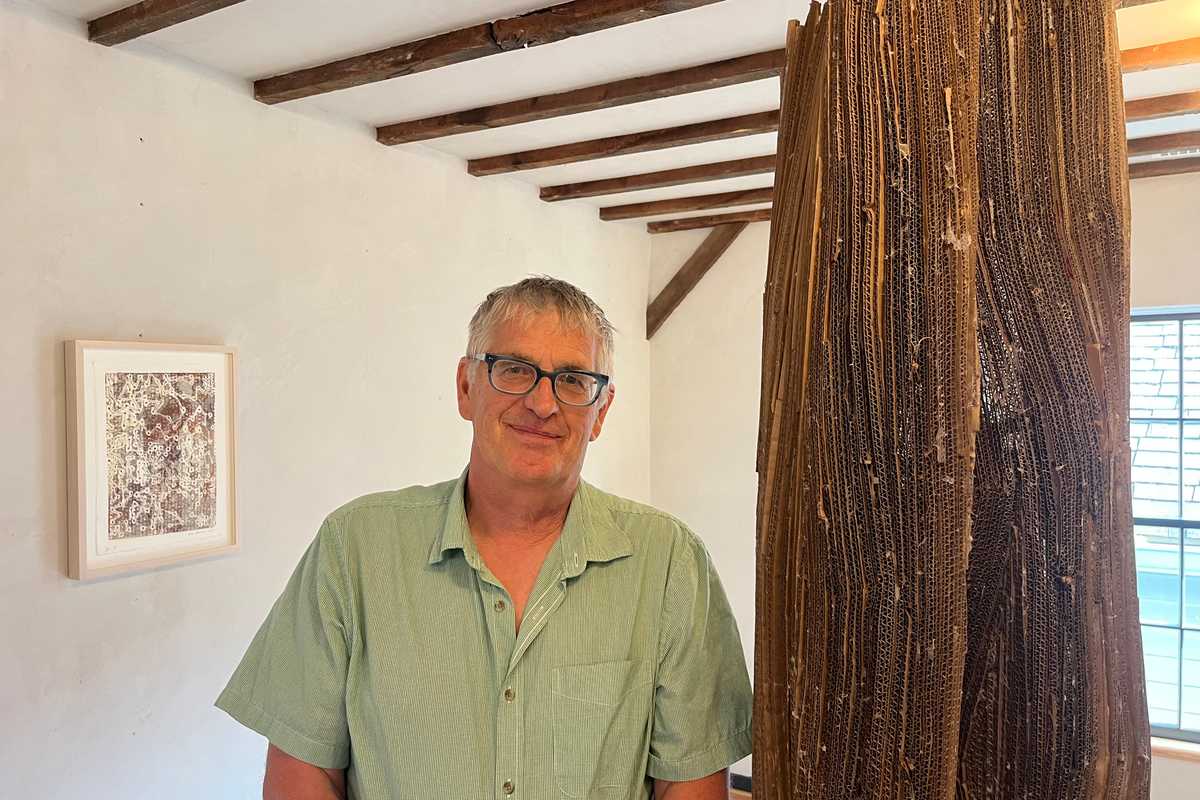
Henry Klimowicz with his sculpture, “Partial Pillar 1”

Photo by D.H. Callahan

On Saturday, Aug. 1, Geary Gallery opened its doors in Salisbury for two unique shows in its first- and second-floor gallery spaces. Art lovers flooded both floors over the course of the afternoon, giving the events a vibrant feeling that enhanced the importance of the art.

On the first floor is a show by Chicago-born, Colorado-based photographer Summers Moore, titled “Lobitos: Pueblo Fantasma,” or “Lobitos: Ghost Town.” The work centers around her daughter’s current hometown in Peru. Moore herself found a home away from home in Colorado in the mid-1980s and encouraged her children to seek out new places outside of their comfort zones.

Keep ReadingShow less

Writer’s retreat in the woods

Writer’s retreat in the woods

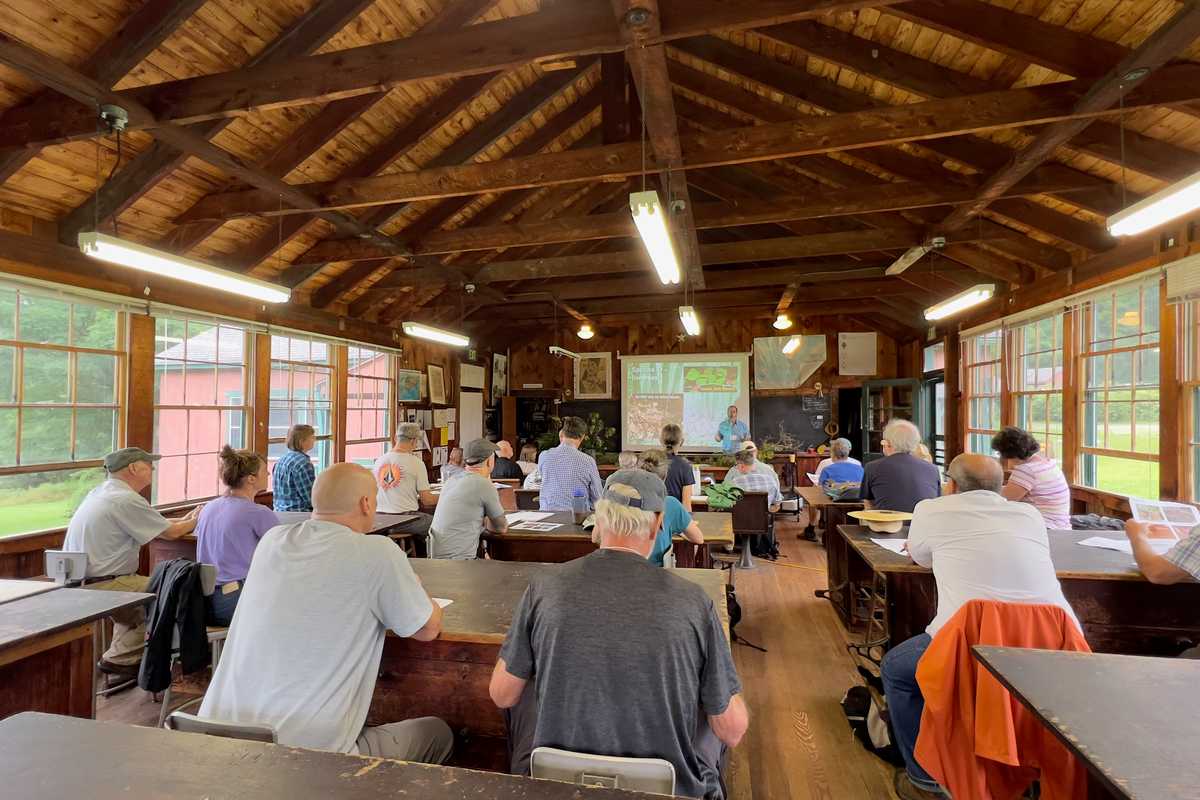
Participants in a 2024 Great Mountain Forest Woodland Academy workshop at Yale Camp.

Photo by Mike Zarfos

Great Mountain Forest (GMF) will host its first Nature Writing Retreat at the historic Yale Camp in Falls Village from Aug. 7-9, 2026. Writers of all levels are invited to draw inspiration from one of New England’s most notable forest landscapes. GMF envisions the retreat becoming an annual event celebrating writing, conservation and the relationship between people and forests.

This immersive three-day retreat reflects on the legacy of Hal Borland, the American writer and New York Times nature columnist whose work was deeply connected to this landscape. The retreat explores how wilderness shapes language, strengthens close observation and fosters environmental consciousness.

Keep ReadingShow less
From Cornwall to Rome, Adam Van Doren at Berkshire Botanical Garden

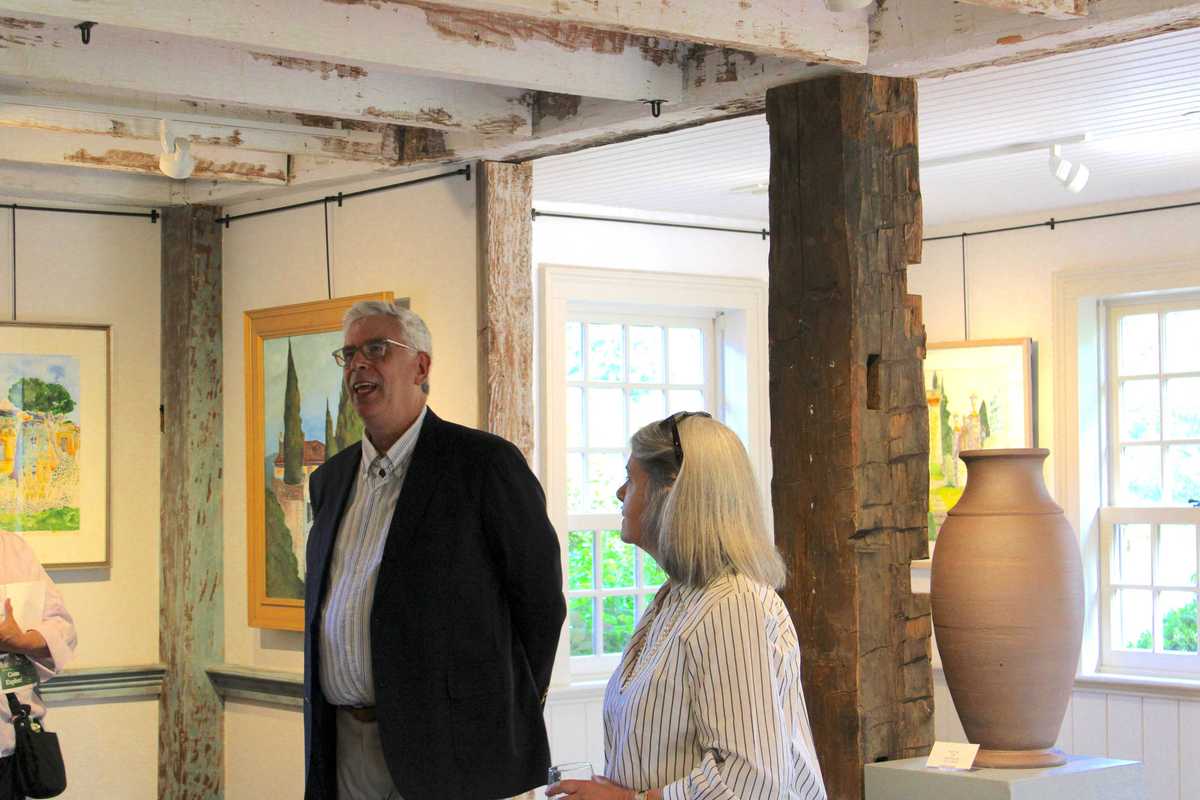
Artist Adam Van Doren and curator Donna Hassler talk to a group of visitors at the Berkshire Botanical Garden. A Stephen Proctor vessel sits to their left.

Photo by Natalia Zukerman

This summer, the Berkshire Botanical Garden in Stockbridge has hosted “Grounded in Nature: Paintings by Adam Van Doren,” an exhibition exploring the intimate relationship between architecture and the natural world.

On view for only a few more weeks in the Leonhardt Galleries, the exhibition features more than 35 watercolor and oil paintings by the New York-based artist, architect, author and Yale professor, curated by art historian Donna Hassler, director emerita of Chesterwood. The works span three distinct places that have shaped Van Doren’s artistic practice: New York City, Cornwall, Connecticut, and his travels throughout Europe.

Keep ReadingShow less
google preferred source

Want more of our stories on Google? Click here to make us a Preferred Source.

google preferred source

Want more of our stories on Google? Click here to make us a Preferred Source.