The United States first elected a president who was approaching 70 in 1840 and it turned out so badly, we didn’t do it again for 140 years.
William Henry Harrison was inaugurated March 4, 1841, and died exactly a month later, on April 4, 1841. He was 68 and is mostly remembered for the campaign slogan, “Tippecanoe and Tyler Too,†that celebrated his victory over Indians at a place in Indiana called Tippecanoe. “Tyler Too,†the Virginia slaveholder John Tyler, served all but a month of Harrison’s term, the first vice president to perform that constitutional function. They called him “His Accidency.â€
Ronald Reagan became the second — and up to now — the last man just this side of 70 to win the presidency when he was elected at the age of 69 in 1980. Reagan completed his second term when he was 77 and unable to remember much of anything about the Iran-Contra scandal. The only other president to reach 70 while in office was Dwight Eisenhower, who had serious health problems while president.
u u u
John McCain could break all those records, and if he wins in November, he will be 72, the oldest man ever elected to a first term as presidentand, if he serves a second term, he’ll be 80, three years older than Reagan was when he retired.
When Reagan was McCain’s age, he was about to run for his second term against Walter Mondale, who was then 56, about the average age for most American presidents. A highlight of that forgettable campaign was Reagan’s dismissal of the age issue in their second debate when he made even Mondale laugh by pledging, “I am not going to exploit for political purposes my opponent’s youth and inexperience.â€
The age issue had become a debate topic because in their first debate, Reagan’s performance was so poor, The Wall Street Journal reported it under the headline, “Reagan Debate Performance Invites Open Speculation on His Ability to Serve.†By the time he and Mondale debated again, Reagan had to face the age issue, which he did winningly with his memorable joke.
What’s forgotten is what happened next. Just after Reagan delivered his laugh line, Mondale was asked if he thought age should be an issue and, in a pander to the older citizens who vote in far greater numbers than their juniors, he said it shouldn’t. Mondale then went on to lose 49 states.
u u u
Obama, who seems to be willing to pander with the best or worst of them, also has said age should not be a factor. But he’s been quick to note his opponent’s years when he can as he did in praising McCain’s “half century of service.†An Obama observation that McCain was “losing his bearings†prompted a McCain aide to charge Obama with practicing ageism, a form of discrimination he likened to racism and sexism.
But is it? The Constitution endorses age discrimination by declaring a candidate must have reached 35 in order to be president. The founders failed to set a maximum age, possibly because people didn’t live all that long in 1787 or maybe out of deference to an exception, the delegate from Pennsylvania, 81-year-old Benjamin Franklin.
McCain’s oldest son is 48, two years older than Obama and a pilot for American Airlines. Doug McCain will be retiring at 65 because the Federal Aviation Administration will not risk having airline passengers being flown around the country by pilots any older than that. There are, however, no rules about putting the country in the care of an aging president.
u u u
As the campaign continues, particularly as the candidates appear together, the age difference will become more noticeable and talked about. Any objective observer can already see McCain isn’t the same engaged, lively candidate who defeated George W. Bush in New Hampshire eight years ago. He more closely resembles the oldest candidate in history, the 73-year-old Bob Dole, who ran so poorly in 1996.
So far, McCain has dealt with the age issue by making jokes or, incredibly, hinting he would retire after his first term. That would make him, from day one, not only an old duck, but also a lame one.
Dick Ahles is a retired journalist from Simsbury. E-mail him at dahles@hotmail.com.


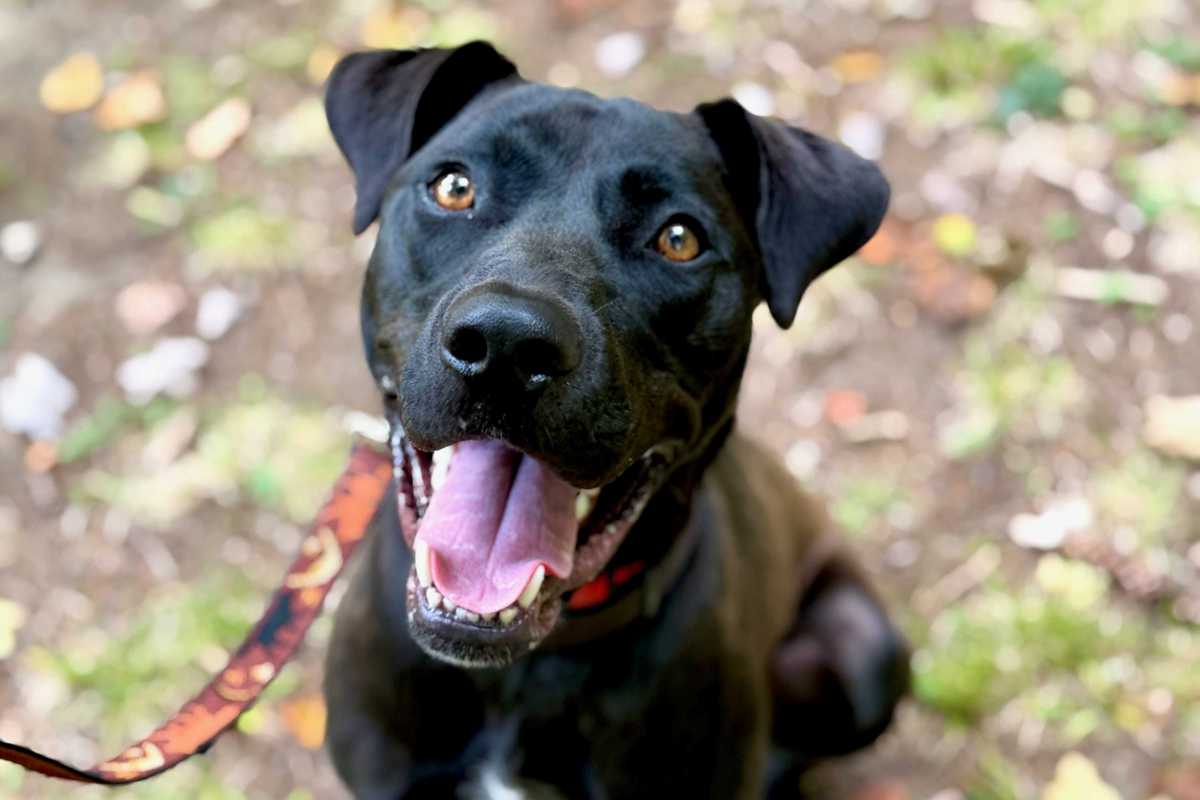
 Tiffany Lemelin, shelter manager, brushing Marsala upon arrival.Provided
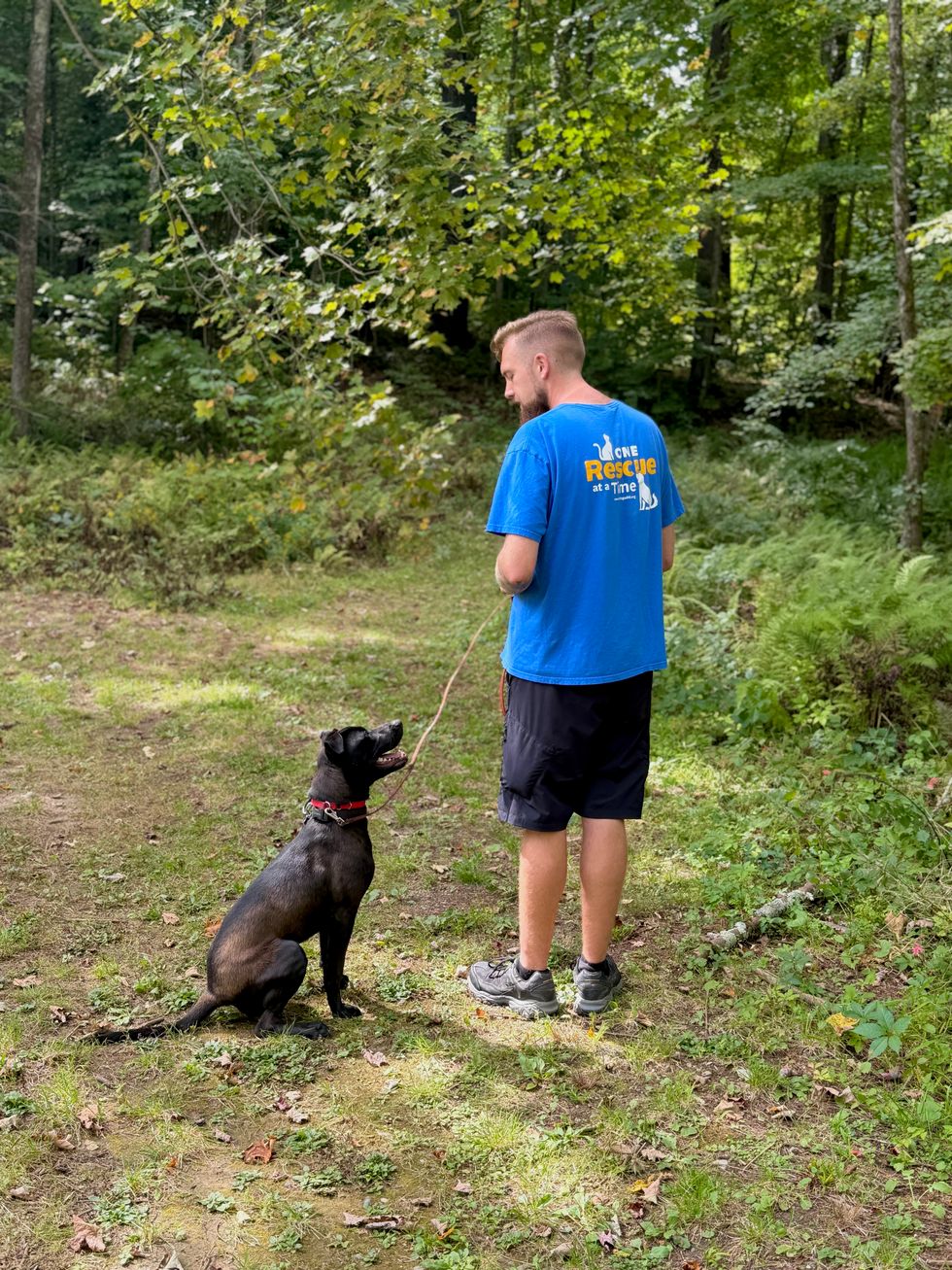 Michael DeBarba, certified dog trainer working with Marsala.Jennifer Almquist
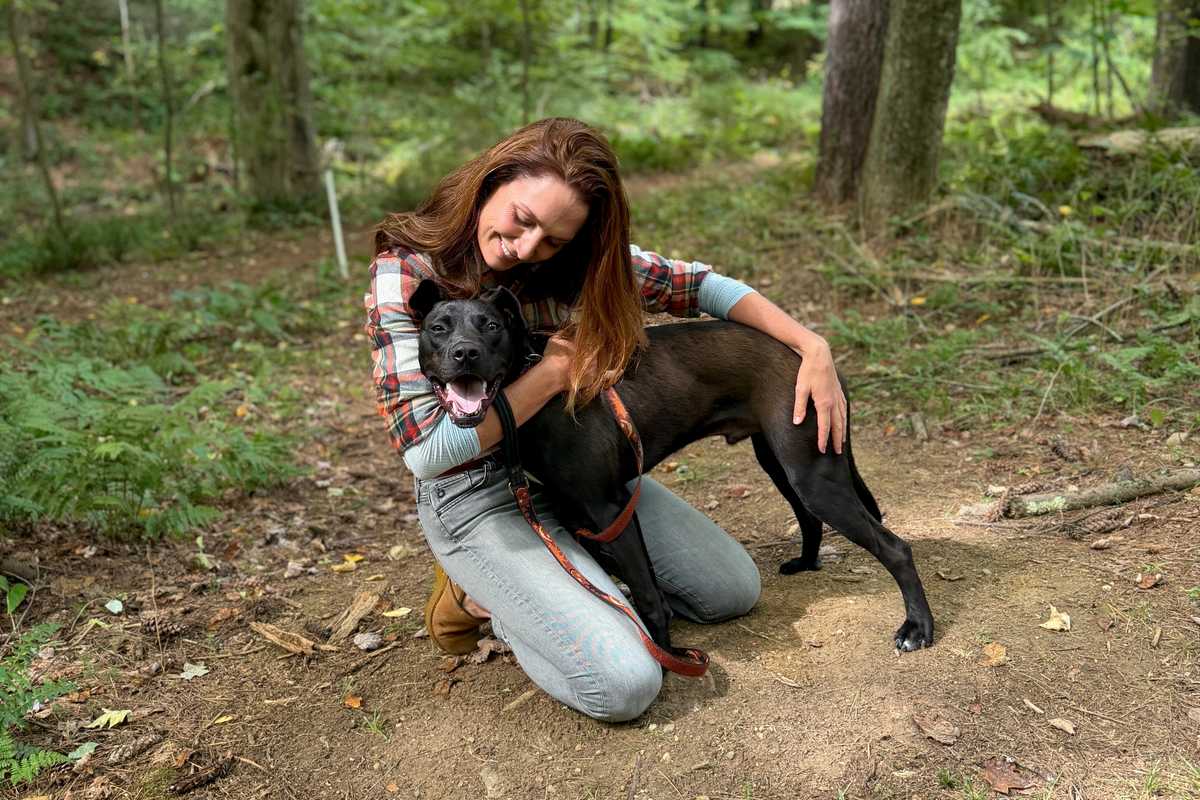 Marsala wins a heart.Jennifer Almquist
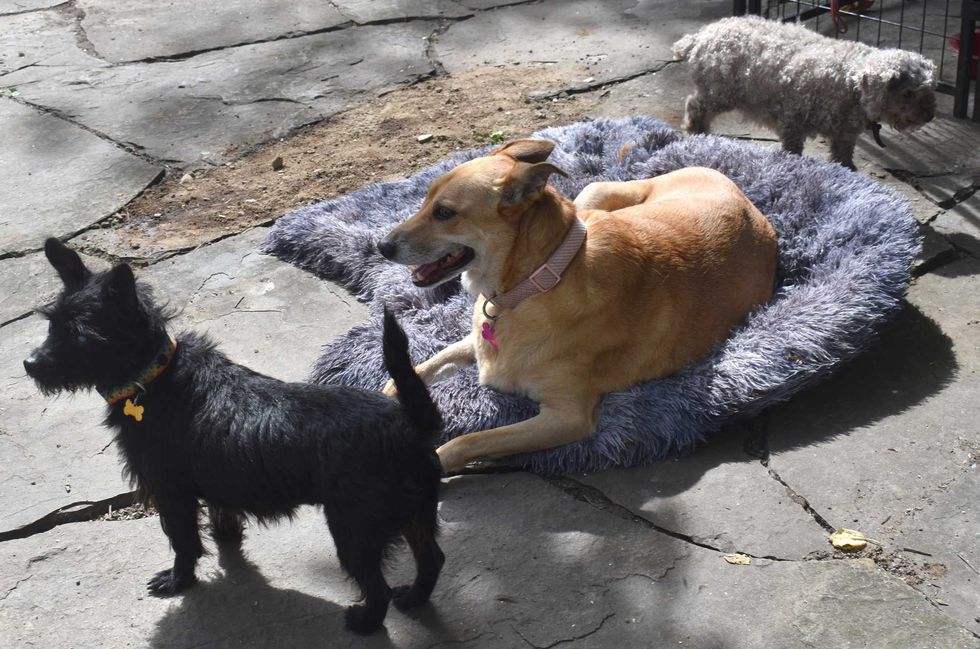 Sadie, center, a Carolina dog, plays with her friend Negra, a terrier mix. Bella Linda, the small poodle, has since been adopted.L. Tomaino
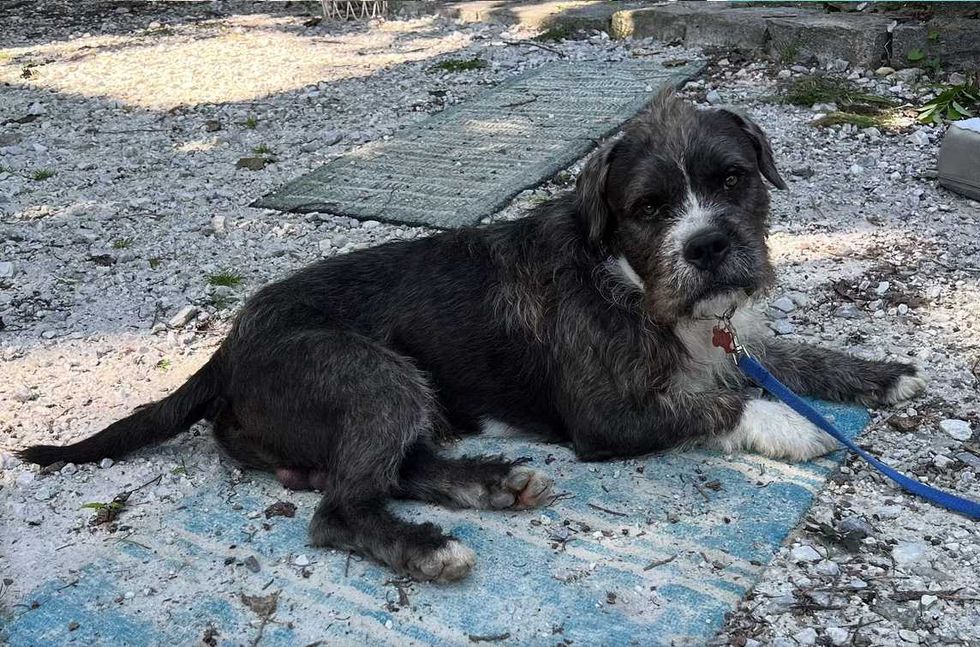 Wesley, a young, exuberant mix, is looking for an active home.L. Tomaino
 Bonnie and Clyde, an affectionate terrier pair.L. Tomaino
 Provided