
Thank you!
Your support is sustaining the future of local news in our communities.

Solid waste still a topic

For the third consecutive year the Dutchess County Legislature will be considering a Solid Waste Management Plan (SWMP). These plans designate county policy for disposing of trash which by law must be updated every decade. The previous SWMP expired in 2010. Competing visions for management and disposal of waste has delayed adoption. In 2010 the controversy-plagued public authority, the Resource Recovery Agency (RRA), issued its report which suggested major upgrades to the Poughkeepsie-based waste-to-energy plant it manages to a tune of $80 to $110 million. This caused many to balk.Seeking another opinion, the Legislature (with financial assistance from the Dyson Foundation) commissioned a second report in 2011. The findings of that report, in conjunction with the Legislature’s own legislative working group, led us to strip the RRA of solid waste planning authority. Instead we vested SWMP-creation control in the re-established County Solid Waste Department. That department was staffed during the first months of 2012. This month County Solid Waste released its proposed SWMP aptly called, Rethinking Waste. That document is presently the subject of public hearings and should come before the Legislature for a vote in the months ahead.Rethinking Waste acknowledges that the County’s Solid Waste Department is “the largest it has ever been,” and the document advocates growing the department further. It proposes diluting the RRA’s role even more with the county absorbing the RRA’s full-time recycling coordinator, now funded by the RRA. Elsewhere the report asserts the county take a more active role in promoting recycling by education and enforcement.The increased hand of county government in solid waste management is a reoccurring theme of the report. Already the county has stepped up enforcement of solid waste laws including hauler licensing and compliance with separation of recyclable materials, the report claims. That said, the report dances around the enforcement of flow control, which it repeatedly says should be reconsidered. Flow control is the government-enacted mandate forcing haulers to bring county-generated trash to the RRA plant. Critics of flow control argue that the practice stifles the free market by giving favorable treatment to a public authority at the expense of private carters.The report cedes actual recycling to the private market (specifically the new single stream recycling facility in Beacon). The RRA-administered Poughkeepsie-based Material Recovery Facility (MRF) was shuttered in late 2012.Rethinking Waste endorses several ideas advanced by the 2010 RRA SWMP. These include upgrading the turbine at the waste-to-energy plant and siting an ash landfill within the county for the temporary burial of ash until profitable use can be determined. The report also advocates for a feasibility study to consider building a county re-use center.The report argues strongly for the continued use of the waste-to-energy plant, which is a striking divergence from the Dyson-funded report. Therein the county was urged to sell or convert the waste-to-energy plant into a transfer station and shift entirely to a waste export model. The shift in thinking is perhaps mainly due to circumstance.In January 2014 (perhaps earlier) the first of two RRA bonds will expire. This will greatly reduce the cost of RRA operations thereby reducing the annual county subsidy by about $2.8 million. Also in 2014 (June) the service agreement with the plant’s operator will end. Requests for proposals have begun. The new contract is expected to have a more equitable cost and revenue-sharing agreement. These acts should once again make the RRA solvent, thereby eliminating the need for a county subsidy.Michael N. Kelsey represents the people of Amenia, Washington, Stanford, Pleasant Valley and Millbrook in the Dutchess County Legislature. Write him at KelseyESQ@yahoo.com. Read past columns at www.tricornernews.com.

Latest News

‘So Little to Do,’ so much to discover at James Barron Art

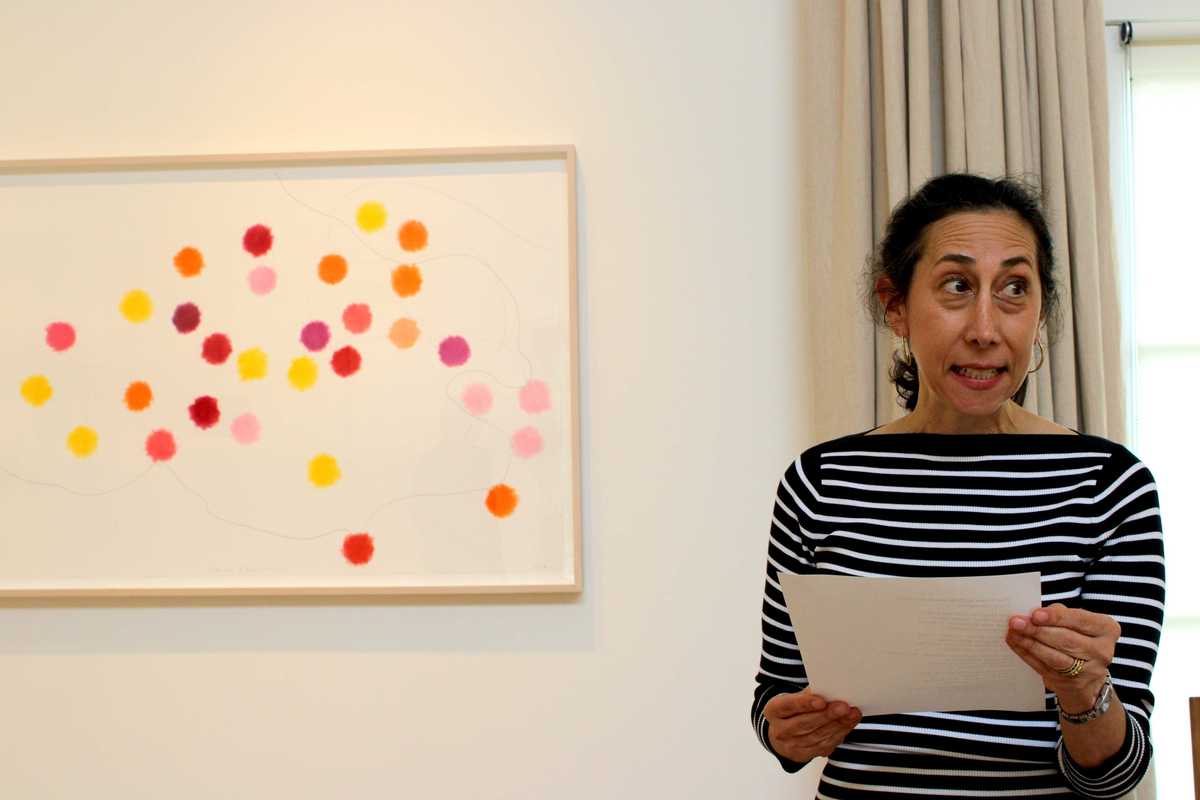
Curator Deborah Goodman Davis reads the Emily Dickinson poem “The Grass So Little Has to Do.” Spencer Finch’s “Following Three Bees (Zinnias)” buzzes in the background.

Photo by Natalia Zukerman

“The Grass Has So Little to Do,” on view at James Barron Art in Kent, takes its title from Emily Dickinson’s poem “The Grass So Little Has to Do,” written in 1862:

“The Grass so little has to do—
A Sphere of simple Green—
With only Butterflies to brood
And Bees to entertain—”

Keep ReadingShow less

Marina Kotchoubey is not a woodworker

Marina Kotchoubey is not a woodworker

Marina Kotchoubey at the Ian Ingersoll Cabinetmakers showroom in West Cornwall.

Photo by D.H. Callahan

After 40-something years navigating the world of custom fine furniture, Ian Ingersoll was getting ready to retire. Starting off with a little dovetail stool that he sold at a shop in West Cornwall in the 1970s, he’d grown his skill and his business into something he — and the whole town — could be proud of. Shutting down that business was not an option.

Ingersoll built Ian Ingersoll Cabinetmakers, which produced mainly classical Shaker furniture, on passion: the passion he had to make a living through creative challenges and the passion of his employees, who all seem deeply in love with their craft.

Keep ReadingShow less
A legacy of giving at Norfolk Chamber Music Festival

One hundred and twenty years ago, Carl and Ellen Stoeckel commissioned New York architect E.K. Rossiter to design The Music Shed in Norfolk, Connecticut. After nearly a decade of entertaining their friends and neighbors with the finest music of the day, they built a permanent home for their beloved Litchfield County Choral Union.

The commission and full funding of the construction was not unheard of in an era when great fortunes led to public enrichment. Railroad tycoon John D. Rockefeller was instrumental in funding institutes of higher education. Steel baron Andrew Carnegie was building libraries all over the country, and famously said that a man who dies rich is a disgrace, challenging his peers to give their fortunes back to the people.

Keep ReadingShow less
google preferred source

Want more of our stories on Google? Click here to make us a Preferred Source.
Two unique exhibitions at Geary Gallery

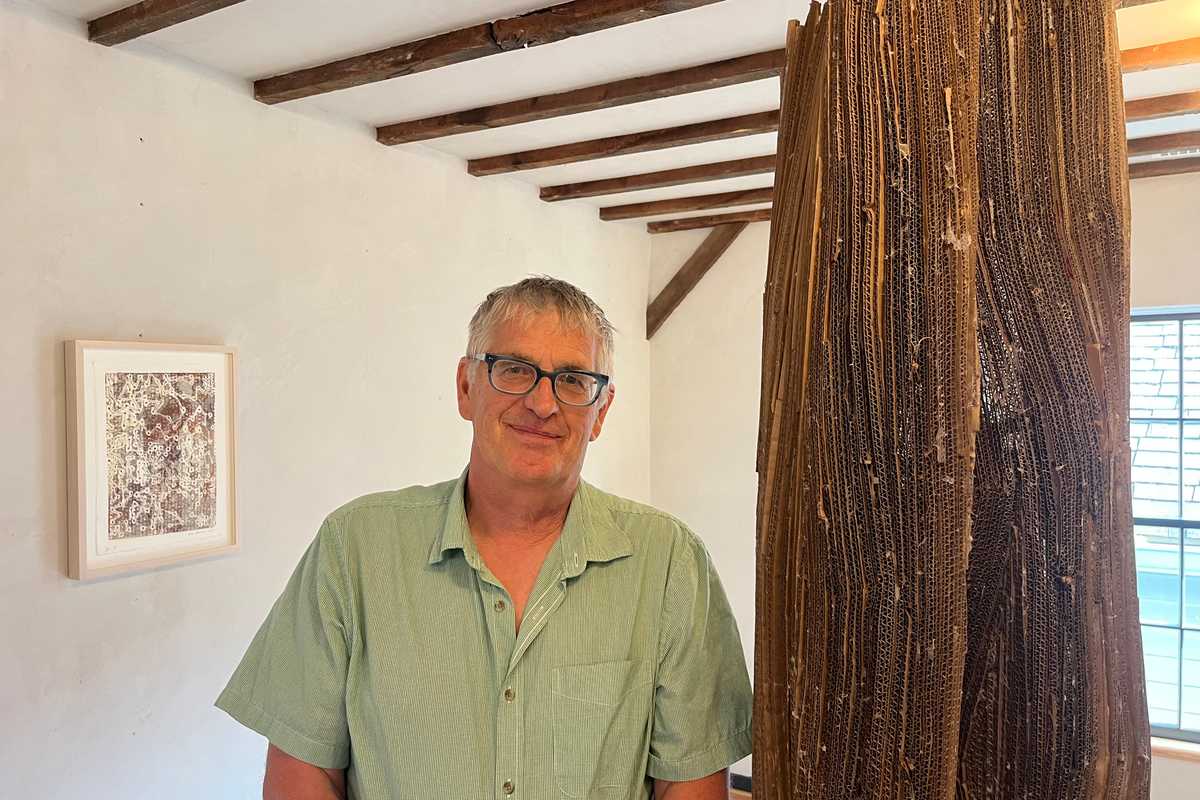
Henry Klimowicz with his sculpture, “Partial Pillar 1”

Photo by D.H. Callahan

On Saturday, Aug. 1, Geary Gallery opened its doors in Salisbury for two unique shows in its first- and second-floor gallery spaces. Art lovers flooded both floors over the course of the afternoon, giving the events a vibrant feeling that enhanced the importance of the art.

On the first floor is a show by Chicago-born, Colorado-based photographer Summers Moore, titled “Lobitos: Pueblo Fantasma,” or “Lobitos: Ghost Town.” The work centers around her daughter’s current hometown in Peru. Moore herself found a home away from home in Colorado in the mid-1980s and encouraged her children to seek out new places outside of their comfort zones.

Keep ReadingShow less

Writer’s retreat in the woods

Writer’s retreat in the woods

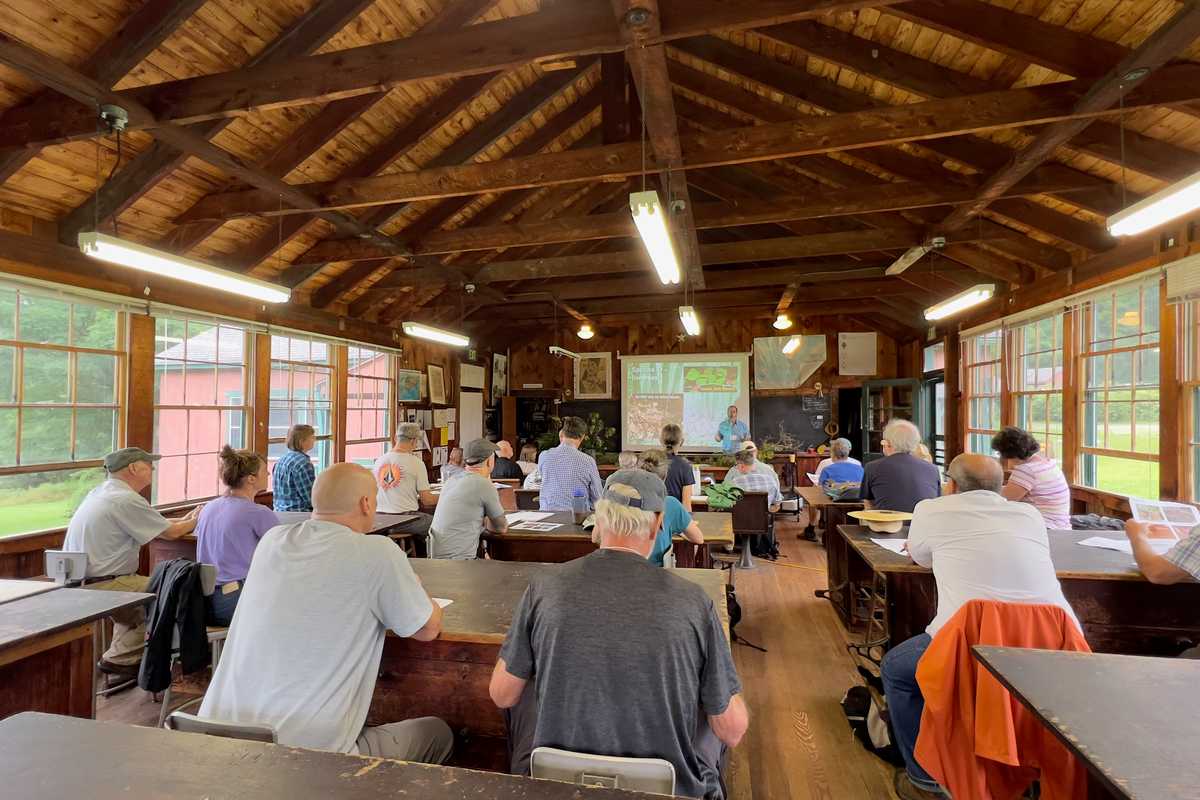
Participants in a 2024 Great Mountain Forest Woodland Academy workshop at Yale Camp.

Photo by Mike Zarfos

Great Mountain Forest (GMF) will host its first Nature Writing Retreat at the historic Yale Camp in Falls Village from Aug. 7-9, 2026. Writers of all levels are invited to draw inspiration from one of New England’s most notable forest landscapes. GMF envisions the retreat becoming an annual event celebrating writing, conservation and the relationship between people and forests.

This immersive three-day retreat reflects on the legacy of Hal Borland, the American writer and New York Times nature columnist whose work was deeply connected to this landscape. The retreat explores how wilderness shapes language, strengthens close observation and fosters environmental consciousness.

Keep ReadingShow less
From Cornwall to Rome, Adam Van Doren at Berkshire Botanical Garden

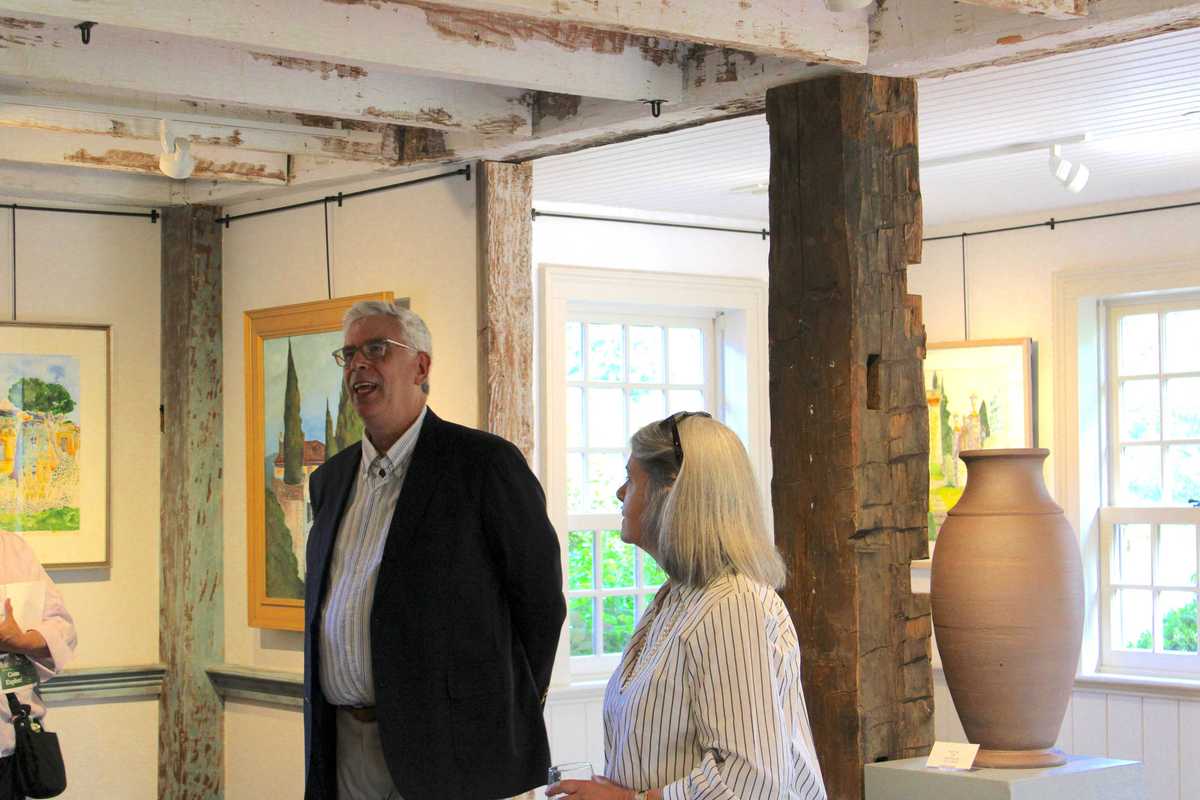
Artist Adam Van Doren and curator Donna Hassler talk to a group of visitors at the Berkshire Botanical Garden. A Stephen Proctor vessel sits to their left.

Photo by Natalia Zukerman

This summer, the Berkshire Botanical Garden in Stockbridge has hosted “Grounded in Nature: Paintings by Adam Van Doren,” an exhibition exploring the intimate relationship between architecture and the natural world.

On view for only a few more weeks in the Leonhardt Galleries, the exhibition features more than 35 watercolor and oil paintings by the New York-based artist, architect, author and Yale professor, curated by art historian Donna Hassler, director emerita of Chesterwood. The works span three distinct places that have shaped Van Doren’s artistic practice: New York City, Cornwall, Connecticut, and his travels throughout Europe.

Keep ReadingShow less
google preferred source

Want more of our stories on Google? Click here to make us a Preferred Source.
google preferred source

Want more of our stories on Google? Click here to make us a Preferred Source.