Thank you!
Your support is sustaining the future of local news in our communities.

Stanley Cup joins long list of fads

Bell bottoms, Cabbage Patch dolls, pet rocks, Disney popcorn buckets—the list goes on.

This year it is the Stanley Cup Quencher in a rainbow of colors. Fads are part of our society.

They are different than trends or cults and most have a limited life.

There are fads everywhere you look. Fashion, diets, music, clothes, and especially toys.

Who remembers the Power Rangers? They seem to come out of nowhere, blaze a path of widespread adaption by multitudes of people, and then crash into sudden decline seemingly overnight.

Take the Stanley Cup for example. I had no idea that the thermos company of my youth had transformed its reliable “hammer tone” green-bodied container of my working days into a plethora of sippy cups that are now the rage in America.

I credit a recent local story by Meg Britton-Mehlisch in the Berkshire Eagle that revealed how this venerable 110-year product was not only invented by William Stanley Jr. but was manufactured in Great Barrington just a stone’s throw from where I sit. It is also true that when the inventor announced his invention back then, he did so through that very same newspaper in 1915!

It was the first vacuum-insulated steel bottle and it found its way into the hands of mainly working men for the next century.

But I digress. Fads, as I have discovered, can be driven by several factors. Social influence, marketing, novelty, word of mouth, and in this age of TikTok, the internet. In the case of the Stanley Cup, it seems the product took off after it was profiled in The New York Times.

From there, social media influencers on a site called #WaterTok, that focuses on hydration, went bonkers over the cup. After all, who wouldn’t want another plastic water cup that not only fits in your car’s cup holder but features a straw and a handle in 26 glorious colors?

By January 2024, videos of what is now called an “adult sippy cup” have been viewed over 201.4 million times on TikTok. Marketers and advertising firms jumped on the bandwagon pitching the product to women as not only a sustainable product, but one that can be part of a woman’s day-to-day accessories, thus the number of colors offered.

“Limited” is a keyword that marketers use time and time again when promoting fads. Not only does it convey a feeling of exclusivity and urgency but usually triggers that fear of missing out on a product. It is what causes fistfights among consumers. The Stanley Quencher certainly has had its share of that kind of behavior. And what fad would not be complete without a growing interest in collecting these $45 reusable water bottles? The Winter Pink Starbucks Collaboration cup is a hot item. Collectors are selling some hard-to-get models like that one for $400 on the resell market. I do wish the Stanley company well in Fad land. It just so happens that I have a black and silver, two-stage lid, one quart, Stanley thermos in mint condition for sale. Do I hear $100, $150, or maybe trade for the Winter Pink Starbucks cup?


Bill Schmick is a founding partner of Onota Partners Inc. in the Berkshires. None of his commentary is or should be considered investment advice. Email him at bill@-schmicksretiredinvestor.com.

The views expressed here are not necessarily those of The Lakeville Journal and The Journal does not support or oppose candidates for public office.

Latest News

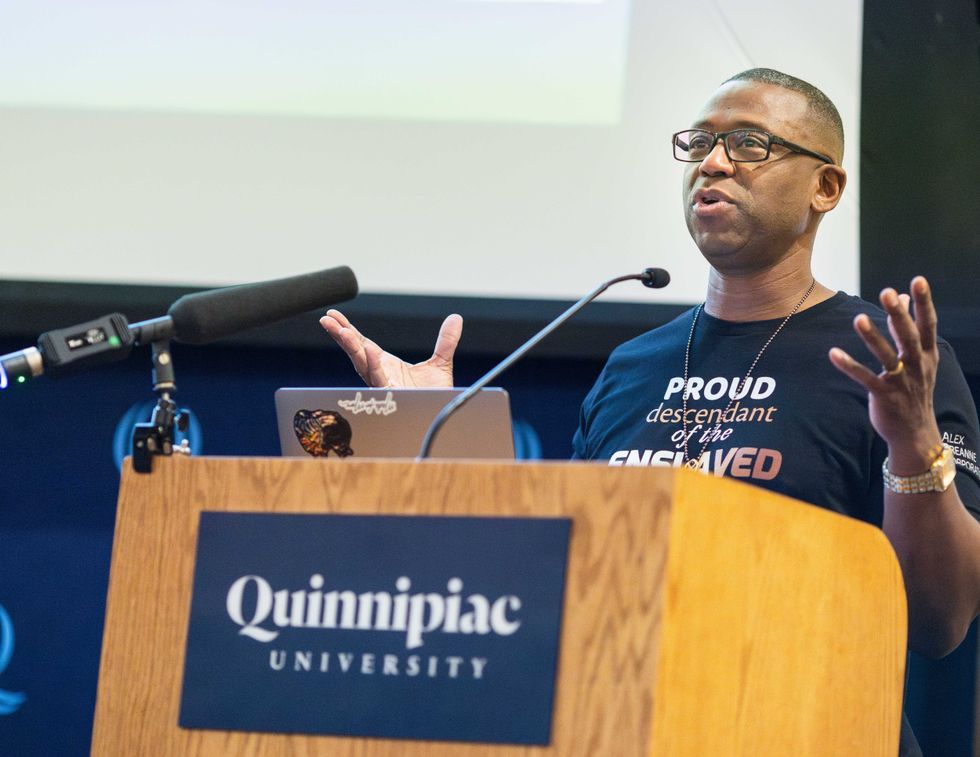
Cornwall Historical Society celebrates Connecticut’s Black patriots

On Saturday, Oct. 24, at the Cornwall Historical Society, author and genealogist John Mills will breathe new life into the stories of some of Connecticut’s more underappreciated patriots. The reason these heroes were forgotten? They were Black.

At a time when white colonists were fighting for their own liberty and political independence, many Black men who fought alongside them remained enslaved. Some risked their lives only to return to bondage. Though enslaved people were promised freedom from both sides of the Revolutionary War in exchange for their service, Great Britain, too, was still deeply dependent on slavery. For Black people in America, the war presented both extraordinary risks and uncertain paths to the freedom that white colonists were demanding for themselves.

Keep ReadingShow less

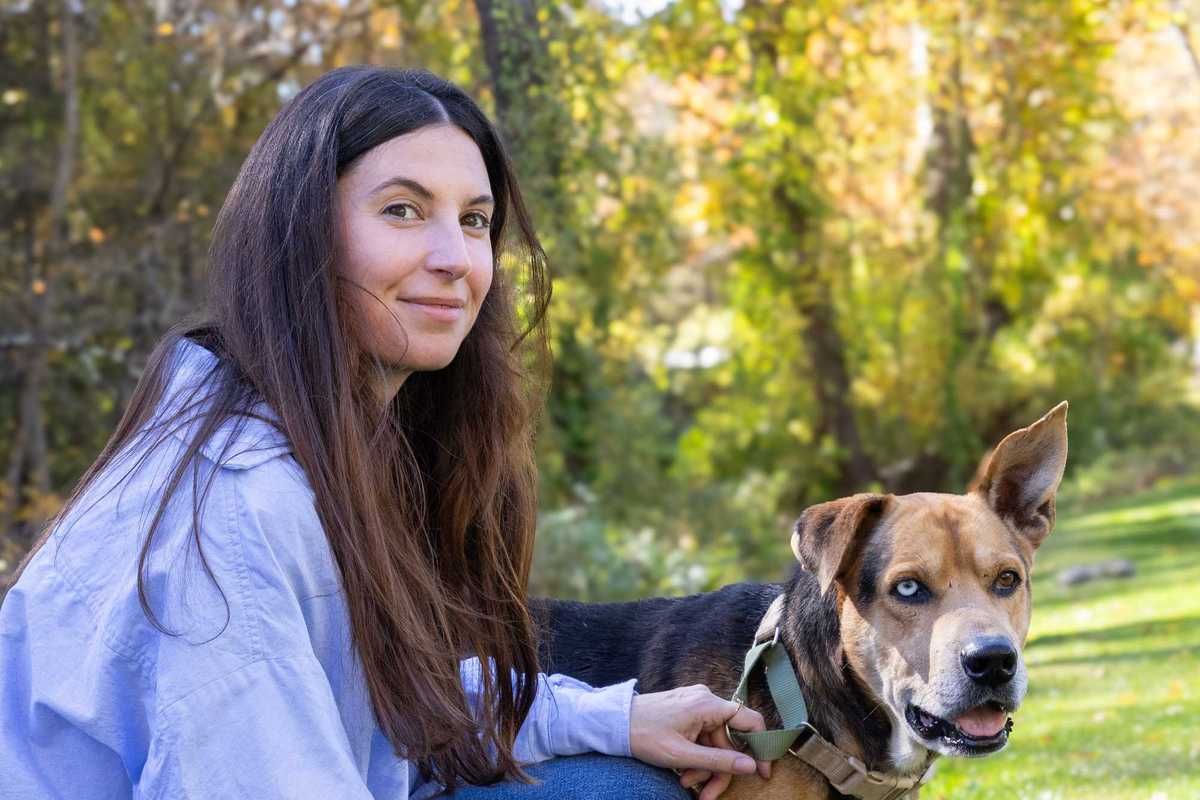
A sanctuary for second chances

A sanctuary for second chances

Stephanie Saetta runs Charlie Chicken Bones, a sanctuary in Salisbury.

Madi Long
You only get one or two of these soul connection dogs, so I do this in his honor.
— Stephanie Saetta

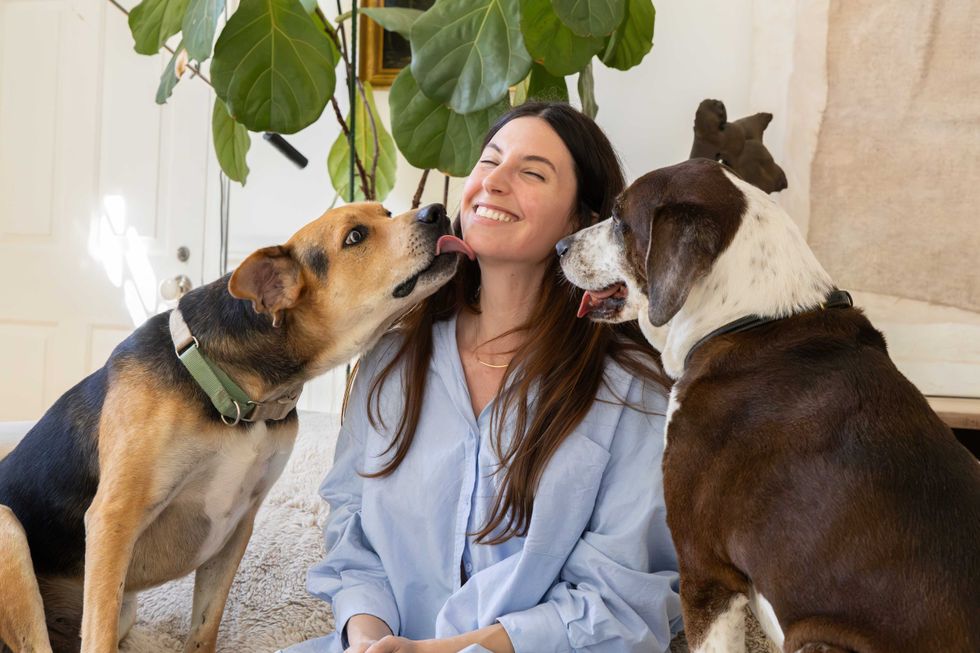
Stephanie Saetta has spent much of her life caring for others. A physician at White Plains Hospital, she has another calling at home in Salisbury — one that has four legs and a wagging tail. She runs Charlie Chicken Bone Sanctuary, a nonprofit dog rescue that brings dogs from overcrowded pounds and the streets of Texas to foster homes in northwestern Connecticut, where they can begin again.

The sanctuary is named for Charlie, the dog who taught her how special a bond between a person and rescue animal can be.

Keep ReadingShow less
Big ideas come to Lenox for inaugural field festival

Hunter Runnette, founder and board chair of field, has spent years fostering arts and cultural programming in the Berkshires.

Provided

What do joy, gardening, artificial intelligence, the American experiment and the creative process have in common? Quite a lot, as it turns out, at least when some of the world’s most compelling thinkers get together to talk about them.

From Friday, Oct. 23, through Sunday, Oct. 25, Lenox, Massachusetts, will host the inaugural field festival, a three-day gathering of writers, artists, scholars and cultural figures at Shakespeare & Company. Billed as a festival of ideas, entertainment, learning and discovery, field brings together an impressive roster of voices to explore everything from the deeply personal to the profoundly political.

Keep ReadingShow less
google preferred source

Want more of our stories on Google? Click here to make us a Preferred Source.

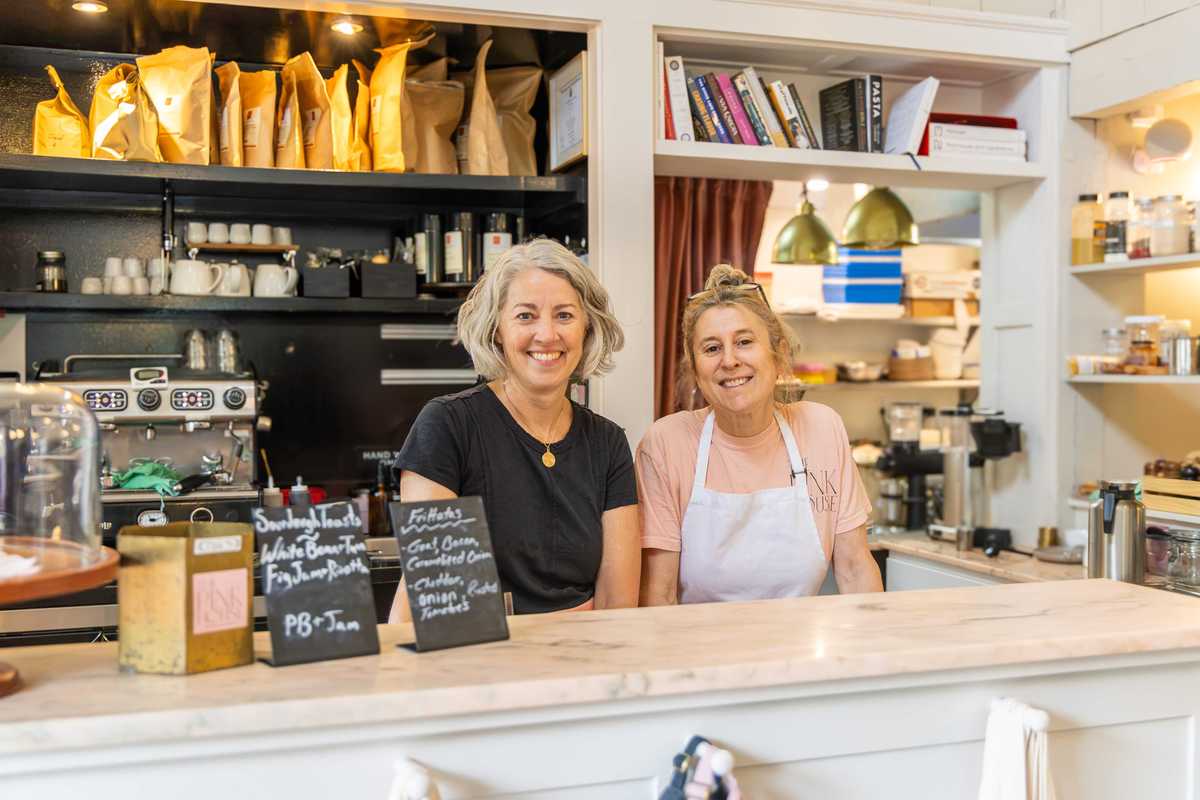
The Pink House AM is serving up community

Mare Rubin and Maggie Levine of the Pink House AM.

Madi Long

It all started with a yoga class. Mare Rubin was working on her second act after leaving the Upper West Side, where she’d raised a family and worked in corporate marketing. Newly empty nesters, she and her husband decided to move to the wilds of northwestern Connecticut, where they had spent 15 years as weekenders, to see what life in the woods had in store for them.

Rubin started teaching yoga classes at the Union in West Cornwall, a space designated by the town of Cornwall as a community hub with couches, Wi-Fi, occasional events and a growing yoga class schedule. She was adjusting well but missed one important thing about city life: a casual coffee shop.

Keep ReadingShow less
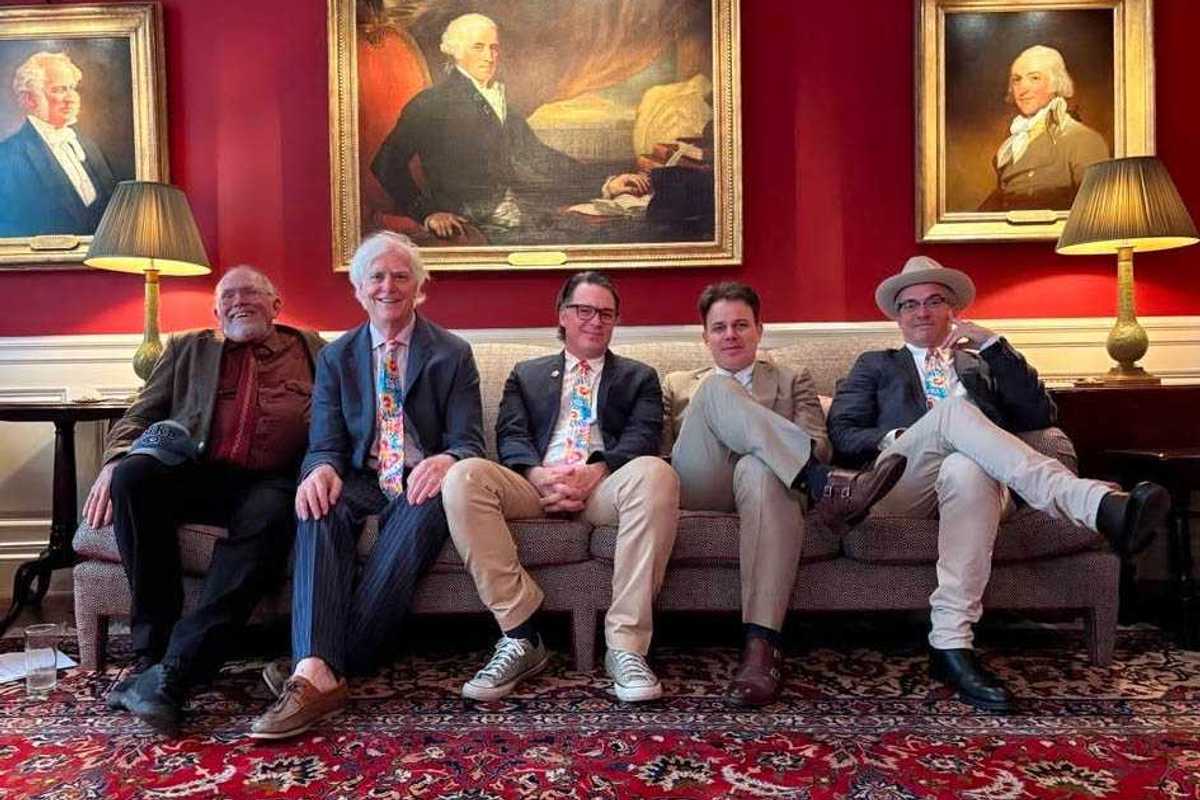
Sons of Astro are musicians, friends and bandmates — in that order

The Sons of Astro will be at the Common Pub in Housatonic on Oct. 24 and the 2nd Home Lounge in Winsted on Nov. 14.

Provided

No matter where they are in the world, musicians seem to find other musicians. There’s a shared language, a shared experience of being on stage and performing, and a shared enthusiasm for making those melodies by themselves or together. Such is the case with Norfolk and Brooklyn-based cosmic Americana band Sons of Astro.

That magnetic musicians’ bond drew Brooklyn-based singer-songwriter and multi-instrumentalist Mike Cobb into the orbit of singer-songwriter and multi-instrumentalist Matt Statler. The two neighbors took to each other right away and were soon playing open mics together. As an ethics professor at NYU’s Stern School of Business, Statler made the case that if he sat in for Cobb’s set and Cobb sat in for Statler’s, they could play together and double their stage time. Clearly, these men wanted to make as much music as possible. That became a little harder when Cobb and his family moved up to Norfolk, Connecticut.

Keep ReadingShow less
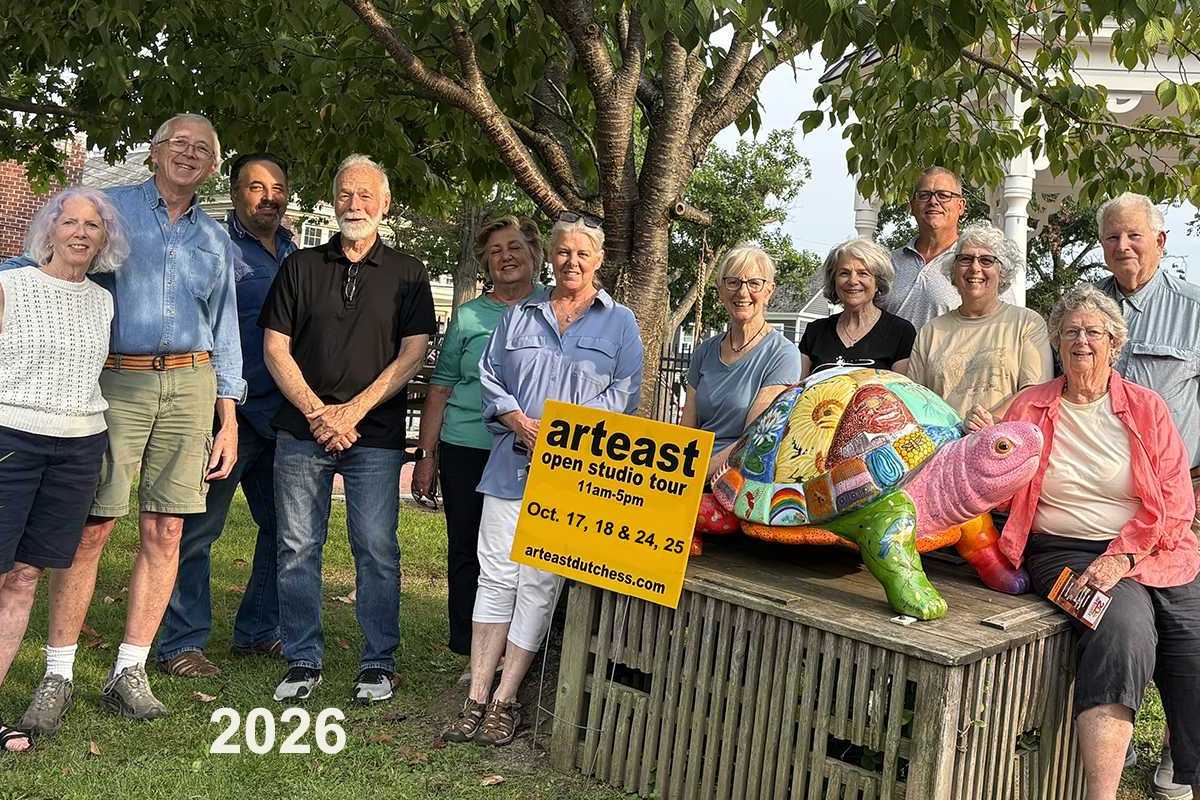
One more weekend to get inside the art at ArtEast

The participating artists in this year’s ArtEast open studios.

Provided

ArtEast’s annual October Open Studio Tour is already underway, but there’s still one more weekend to step inside the creative worlds of artists working throughout eastern Dutchess County. On Saturday and Sunday, Oct. 24 and 25, artists will once again open their studio doors, inviting visitors to see where the work happens, meet the people who make it and perhaps discover something worth taking home.

Now in its 21st year, the ArtEast October Open Studio Tour offers a self-guided journey with participating studios in Holmes, LaGrangeville, Hopewell Junction, Pawling, Patterson, Poughquag and Wingdale. Visitors can explore painting, photography, sculpture, mixed media and other artistic practices, and get some leaf-peeping in at the same time.

Keep ReadingShow less
google preferred source

Want more of our stories on Google? Click here to make us a Preferred Source.

google preferred source

Want more of our stories on Google? Click here to make us a Preferred Source.