Thank you!
Your support is sustaining the future of local news in our communities.

The true collusion: Trump and Russian literature

It may seem like the billionaires in Russia — Aras Agalarov, Dmitry Rybolovlev, Viktor Vekselberg — and agents with like-sounding and Scrabble-winning names like Konstantin Kilimnik are the ones directing Trump like a marionette from points east. 

But I am more afraid that he has been getting his cues from Russian literature — and that is far more dangerous.

I’ve been on a tear compiling the evidence. And though my own report, like Robert Mueller’s, is not yet done, permit me to submit the following — something for us to muller-ovich.  

We can use our true strength — our democracy — to let our own community of Milerton News readers decide.

Let’s start at the bottom. With prostitutes and bunnies and payoffs and crotch-grabbers. Trump and his circle sure love the ladies! And — prostitutes are everywhere in Russian literature! Fyodor Dostoyevsky’s Sonia Marmeladova, from “Crime and Punishment” (1866). Leo Tolstoy’s great story “Resurrection” (1899) and Dmitri Ivanovich Nekhlyudov’s affair. Of course, some of these women are inspirational and compassionate — some even show great wisdom. Stormy Marmeladova!   

Second, what about cheesy, petty little criminals? Everywhere in Russian literature! And they’re everywhere in Trump’s Cabinet! Isaac Babel’s character Benya Krik — a crook and wheedler from the Black Sea — he’s like a cross between Charles Dickens’ crime lord Fagin, from “Oliver Twist,” and Treasury Secretary Steven Mnuchin.  

Coincidence? I don’t think so.   

Third, fakers and liars — working the system through fraud — skinflint charlatan bureaucrats. Virtually lifted from the pages of Russian literature! Chichikov, Pavel Ivanovich, the mysterious swindler-star of Nikolai Gogol’s unfinished masterpiece “Dead Souls” (1842) — like, excuse me, but do I hear Ryan Zinke, liar-fraudster, ringing the doorbell? Zinke rode a horse into Washington, if I remember right; Chichikov, flagrant grifter though he is, at least comes to visit in a troika!

Speaking of Gogol: What about the “Inspector General,” that masterpiece play (1836)? Anton Antonovich, Ivan Alexandrovich Khlestakov — everyone bribing each other and lying to one another — it could have been set plumb in the middle of Trump’s 2016 campaign! 

Speaking of which, which is to say a barrel of stanky sordid peopleage, Maxim Gorky’s “The Lower Depths” (1902) could be the name of the White House human resources department.  

Or is that already taken by Dostoevsky’s “The Demons” (1872). . . ?

And power-hungry bastards who are evil? Don’t even go there! Think Secretary of State Mike Pompeo is an original? Forget about it. Try on some 20th-century Russian literature: Vladimir Sorokin’s “Day of the Oprichnik” (2006), for example, with hallucinatory torture scenes that actually can rival the torture Pompeo oversaw in Iraq, Cuba, all the worldwide renditions — you name it!  

It’s like (shhhh) we’re living in Russian literature.  

The sound you hear — the Mueller investigation coming closer, Ivanka, Jared, and whatever those other children are called — it’s the sound of the ax in Anton Chekhov’s “The Cherry Orchard” (1904). The family fortune falling, maybe, failing, swirling down the septic tank . . . . 

Puppets? Freaks? Just dig a little.  

I wish it could be funnier. Russian and Soviet satire is full of more of this — like the peerless short stories from the 1920s of the great Mikhail Zoshchenko, about government pettiness and dumb bumblers. Yuri Olesha wrote a whole novella called “Envy” (1927), which is what Trump clearly has for President Obama and Mueller and others with society-certified credentials and accomplishments.  

In the end, he and his whole Cabinet — his whole team — really are a bunch of nefarious hooligans and misfits from right out of Russian literature.  

Collusion! Right there in black and white.  

And we haven’t even gotten to the poetry. Or the absurdists!  

Of course, where many of these real-life characters belong? Well, that’s for the next Alexander Solzhenitsyn, who wrote both fiction and nonfiction (and, boy, did he know prison camps!), to chronicle. 

I can’t wait!  

Peter B. Kaufman works at MIT and also directs Read Russia, a nonprofit that promotes Russian literature in translation.
Latest News

Doug Tallamy’s work in progress: saving the planet one backyard at a time

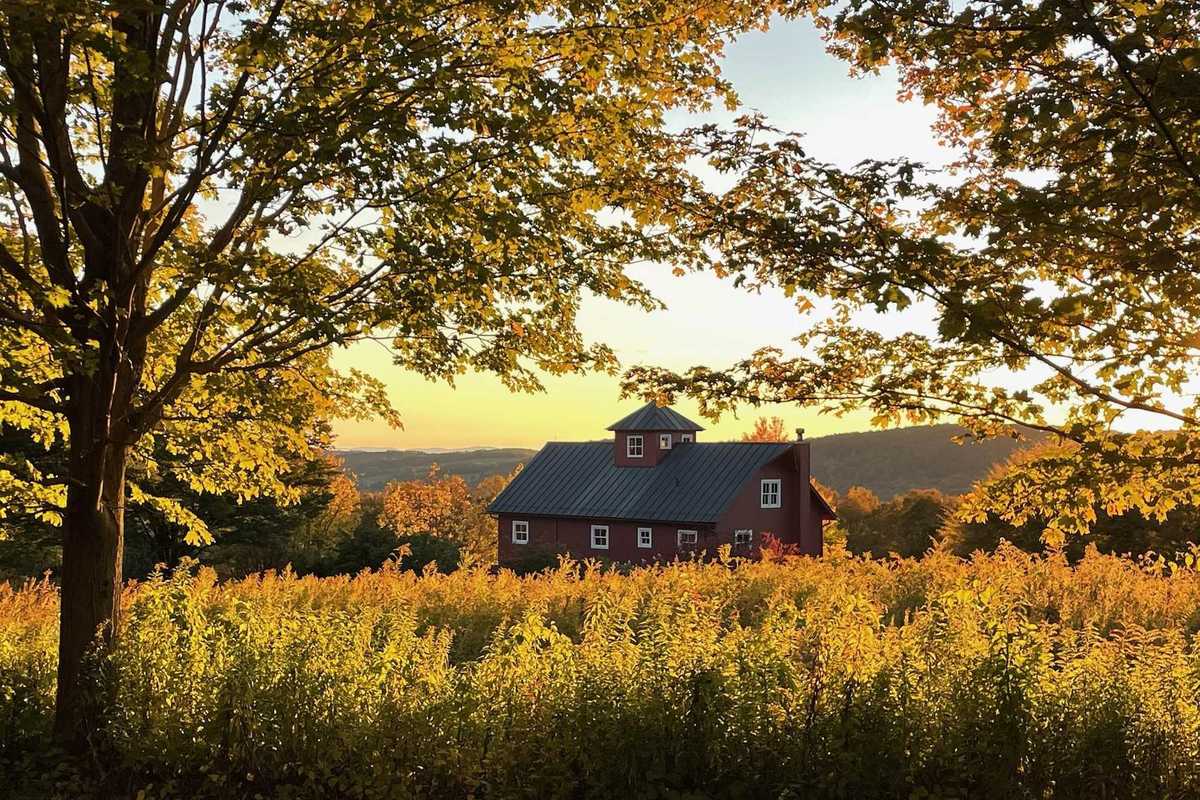
Windacre, a 25-acre property in Millerton will be the site of “Work in Progress,” an afternoon with acclaimed entomologist, New York Times bestselling author and Homegrown National Park co-founder Doug Tallamy.

Provided

For nearly three decades, Doug Tallamy, a professor at the University of Delaware and co-founder of Homegrown National Park, has studied the intricate relationships between native plants, insects, birds and the ecosystems that sustain them. His books, including “Bringing Nature Home” and “Nature’s Best Hope,” have helped shift the conversation about conservation from something that happens primarily in parks and preserves to something ordinary people can practice on the land around them.

On Sunday, Oct. 4, Tallamy will bring that conversation to Windacre in Millerton for “Work in Progress: Toward Native Fields,” an outdoor gathering exploring both the possibilities and the complications of restoring private land for biodiversity.

Keep ReadingShow less
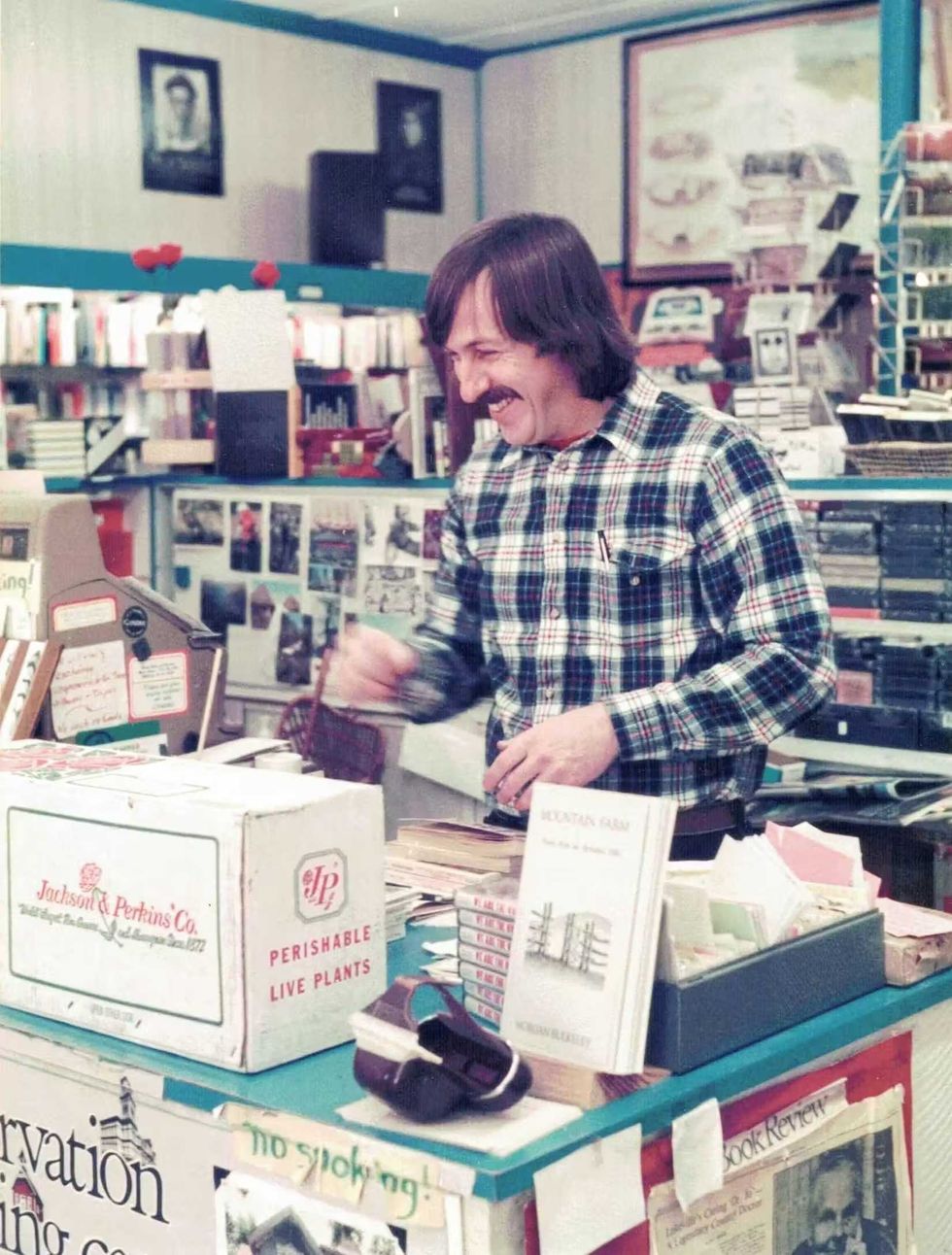
Celebrating Dick Hermans’ life built around community

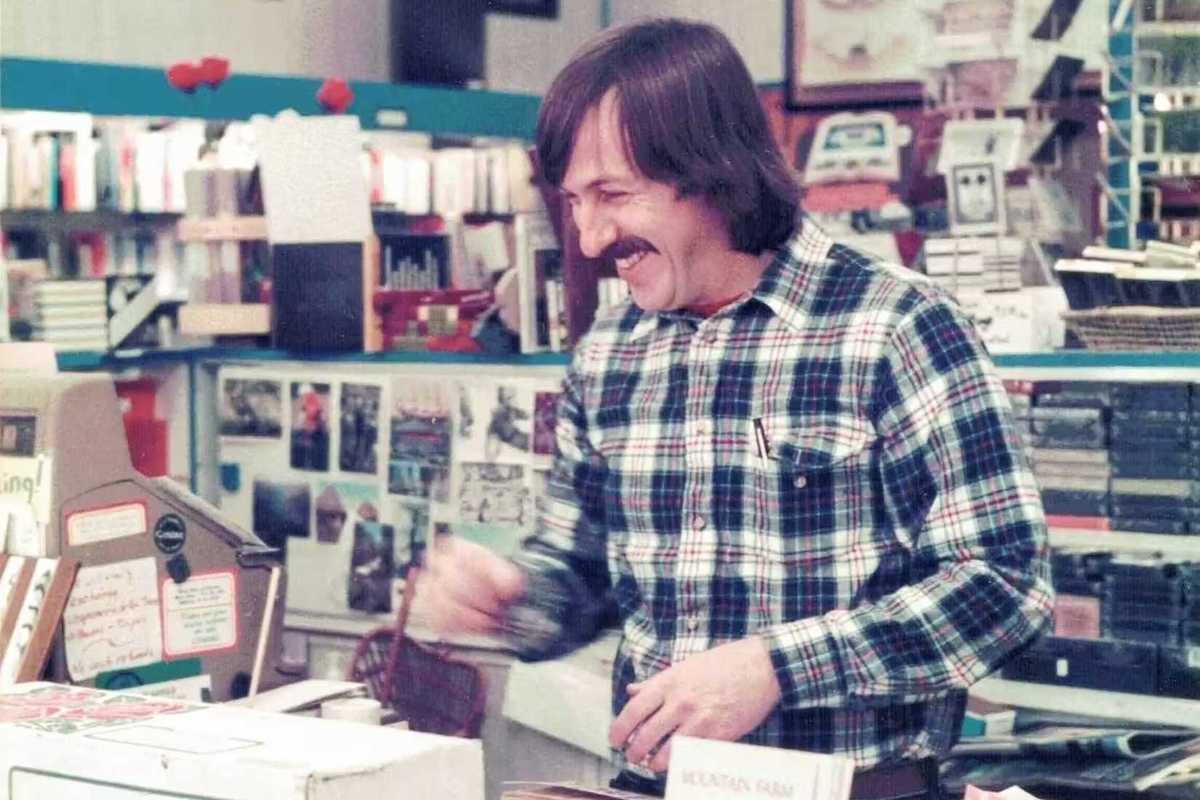
Dick Hermans in the Oblong Bookstore on Millerton\u2019s Main Street in 1985.

Provided
No matter what I’ve done, I’m trying to be useful to the communities I’m associated with.
— Dick Hermans

When Dick Hermans receives the Estabrook Community Leadership Award on Oct. 11, he will accept it for a lifetime of work that has taken many forms: bookseller, radio host, school board member, advocate for the Harlem Valley Rail Trail, business owner, volunteer and, perhaps most importantly, a person who has consistently looked for ways to be useful to the communities around him.

The Lakeville Journal and The Millerton News will present Hermans with the 2026 award at the annual Jubilee celebration at the Sharon Playhouse. The award honors outstanding leadership in community service and was inspired by Mary Lou and Robert Estabrook, former owners of the newspapers who believed that strengthening a community extended well beyond the work of publishing a newspaper.

Keep ReadingShow less
Tending the Fire: Homelands PowWow brings Mohican culture home to the Berkshires

Members of the Stockbridge-Munsee tribe at Homelands PowWow in 2025.

Joeseph Plante New Media Storytellers
Our goal is to continue building an annual gathering that honors the history, culture and traditions of the Stockbridge-Munsee Band of Mohicans in their original Homelands.


For the Stockbridge-Munsee Mohican people, the Berkshires are not simply a place to visit. They are ancestral homelands.

Keep ReadingShow less
google preferred source

Want more of our stories on Google? Click here to make us a Preferred Source.

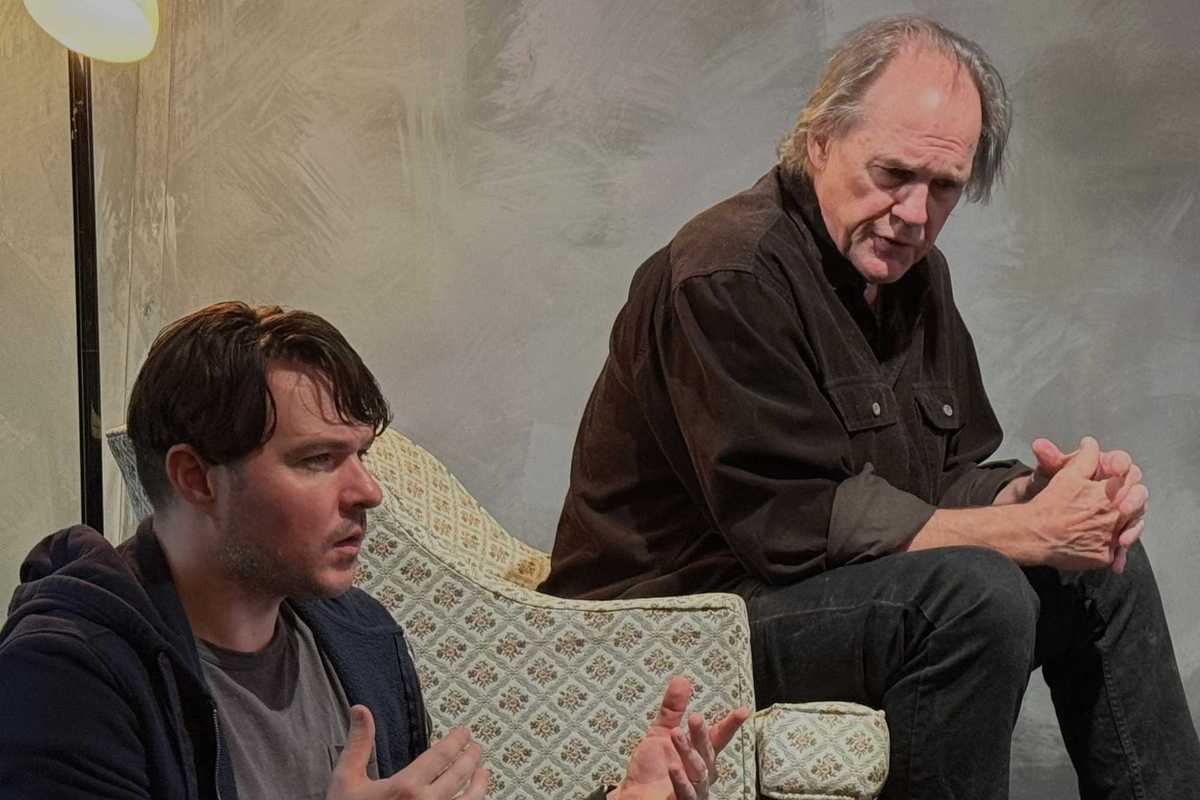
Ancram Center’s “A Number” doubles questions of identity
Ledbetter (left) and Wojda (right) on the set of “A Number” at Ancram Center for the Arts.
Jeff Mousseau

How would you feel if you found out you weren’t the only you — if there was an exact replica of you? What if you found out that you’d been cloned? Would you believe that you’re the real you? Would you suspect you might be a copy of the original? How could you be sure anything about your life was real? These are some of the questions posed in Caryl Churchill’s play “A Number,” opening at the Ancram Center for the Artson Oct. 1.

Churchill was born in London in 1938 and has been hailed by the theaterl world as one of the strongest voices of her time to take on sexual politics and feminist themes. Her works garner pointedly considered analysis from the highest levels of theatrical intellectualism. Basically, it’s about as far from “The Lion King” as you can get. While she’s experimented with dance theater in the past, “A Number” is much more stripped down, highlighting Churchill’s chosen themes and the skills of both actors on stage.

Keep ReadingShow less

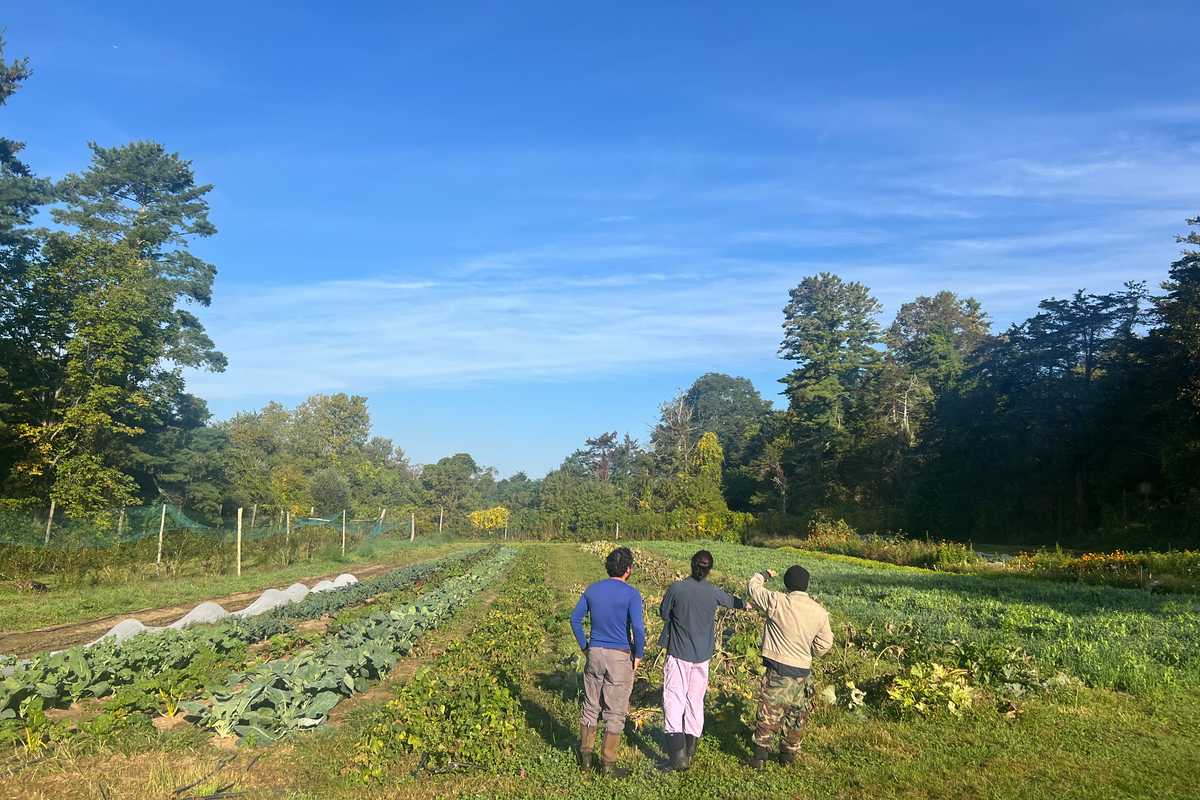
Dispatches from the Farm

Dispatches from the Farm

Adamah Farm crew members planning out the day’s tasks on a late September day.

Janna Siller

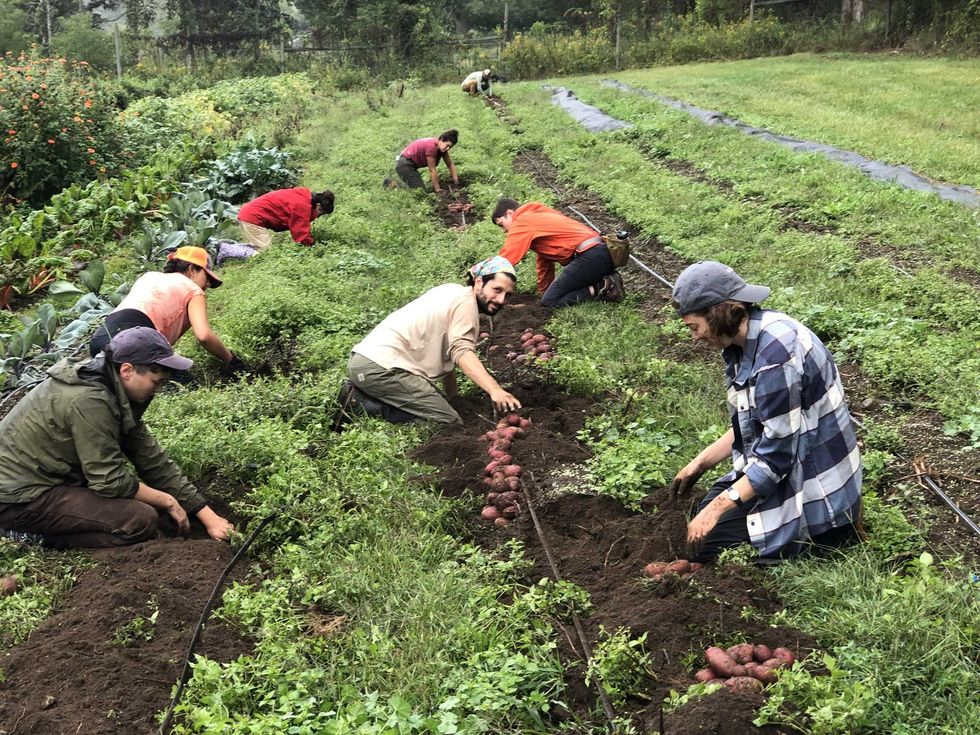
“Dispatches from the farm” is a new, periodic column offering a firsthand look at the rhythms, challenges and rewards of farming through the eyes of a local farmer.

The thing about plants is that they can’t get up and move. When a storm like last weekend’s nor’easter threatens to roll through, you can’t just round everybody up and settle them safely on the sofa for movie night.

Keep ReadingShow less
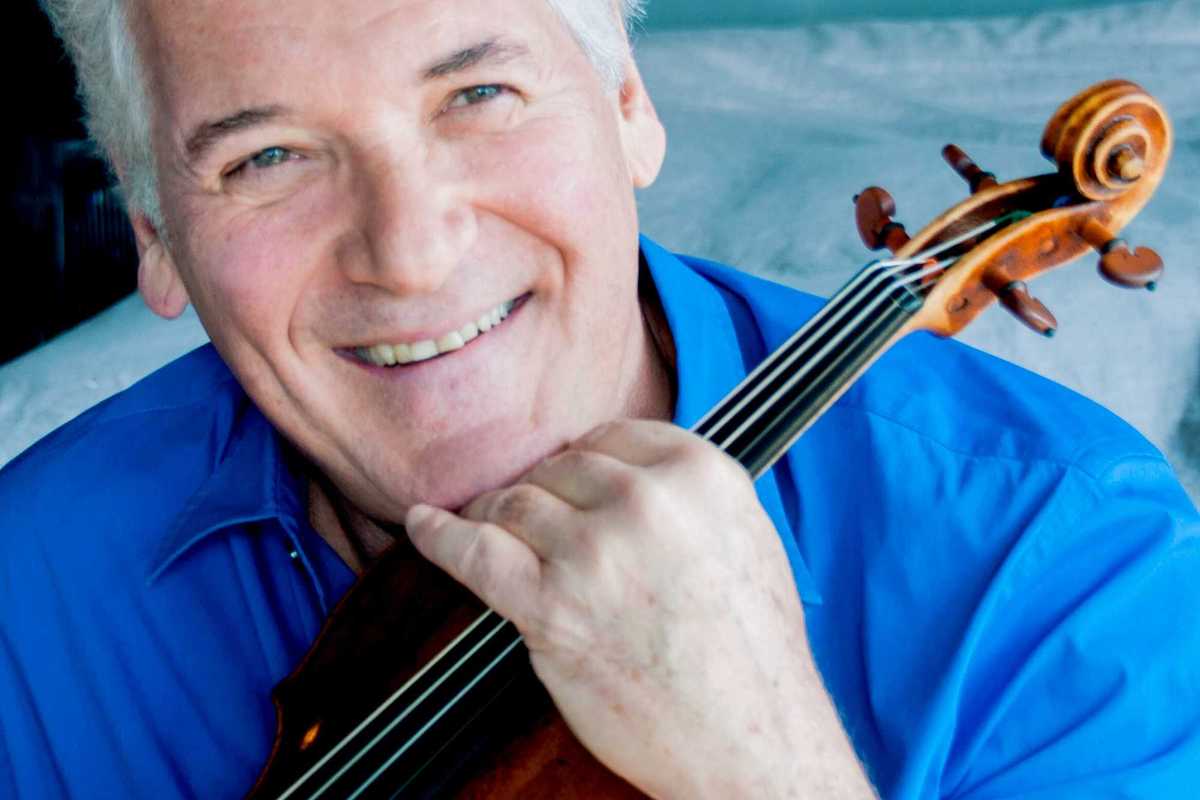
Pinchas Zukerman brings an all-Beethoven program to Hotchkiss

Pinchas Zukerman to perform at Hotchkiss Oct. 4

Cheryl Mazak

The passion, drama and energy of Beethoven will fill Katherine M. Elfers Hall at The Hotchkiss School on Oct. 4, when world-renowned violinist Pinchas Zukerman is joined by pianist Shai Wosner for a special recital.

The 4:30 p.m. program at the Esther Eastman Music Center will feature three of Beethoven’s celebrated violin sonatas: Violin Sonata No. 4 in A minor, Op. 23; Violin Sonata No. 5 in F major, Op. 24, “Spring”; and Violin Sonata No. 7 in C minor, Op. 30.

Keep ReadingShow less
google preferred source

Want more of our stories on Google? Click here to make us a Preferred Source.

google preferred source

Want more of our stories on Google? Click here to make us a Preferred Source.