KENT — It was not the shortest town meeting ever, but it was short enough that residents didn’t really even get a chance to warm their seats.
The annual town meeting was held on Friday evening, Jan. 21, at Town Hall, and it lasted 12 minutes. Twenty-four people attended. Four were members of the press.
There were five items on the agenda, and since none of the items had to do with new capital spending or budget expenditures, discussion on each item was slight.
The town report and annual financial statement for fiscal 2008-09 were discussed and approved in just a minute or so. They can be found online at townofkentct.org (got to “show archivesâ€) and at Town Hall.
One resident asked why they won’t be available at the Kent Memorial Library. Town Clerk Darlene Brady said she would print up copies for the library after the town meeting.
Other than that, there was no discussion and no debates about the numbers in the 36-page audit, and there were no comments about anything in the 42-page town report. Also passed by the audience unanimously and within a minute was the appointment of Mark Sebetic, Michael Green and Mark Lenz to the Park and Recreation Commission for three-year terms.
One of the more complex agenda items was a resolution to terminate two separate bond authorizations. At a town meeting on Oct. 26,2001, residents voted to authorize $200,000 in bonds for improvements to Kent Center School; and at a town meeting on April 27, 2007, residents voted to authorize $2,340,000 in bonds to construct the new firehouse.
Selectman George Jacobsen explained that, in both instances, the town did not need as much money as anticipated for the projects.
However, because the remainder of the bonds can still be used, they must to be terminated in order for the town to maintain a good credit rating.
“It’s really just a housekeeping item,†Jacobsen said. “This is just to clean up our books.â€
The resolution passed unanimously and without debate.
GE settlement
Next, voters unanimously authorized the Board of Selectmen to apply for and accept $250,000 from the Natural Resource Trustee Sub-Council for Connecticut for the design and construction of a boat launch on North Kent Road. Dennis DePaul, who is a member of the Planning and Zoning Commission, explained that the funds are available through a settlement that General Electric made with the federal Environmental Protection Agency in 2000.
The settlement was part of a lawsuit against the company, which had released contaminants including PCBs into the Housatonic River over a 30-year period.
“There was a settlement of $7 million that has now grown to $9 million,†DePaul said. “The settlement is being divided up by several groups, with projects to increase recreational use on the river. Out of the 130 or so applicants, this project, which has been pursued by Bart Clark for the past four years, has made the cut several times.â€
DePaul said the project was one of the 23 projects approved by the council.
Finally, the selectmen were authorized to apply for a grant of $160,000 to fund a regional energy coordinator position.
First Selectman Bruce Adams said the state is offering the grant through its American Recovery and Reinvestment Act (ARRA) program.
If the grant is approved, it would fund the position for two years, and the coordinator would serve several towns in the Northwest Corner, including Kent.
The item was approved by a majority of the residents at the town meeting, with one resident, John Mauer, voting against it. Mauer did not say why he voted against the item.
“This wasn’t the quickest town meeting I have ever been to,†Adams said after the meeting. “I pretty much expected a low turn out and a quick meeting because there was nothing too serious on the agenda. Actually, a lot more people showed up tonight than I expected.â€

 Models walk the organic runway at HVSFW. Ilan Harel
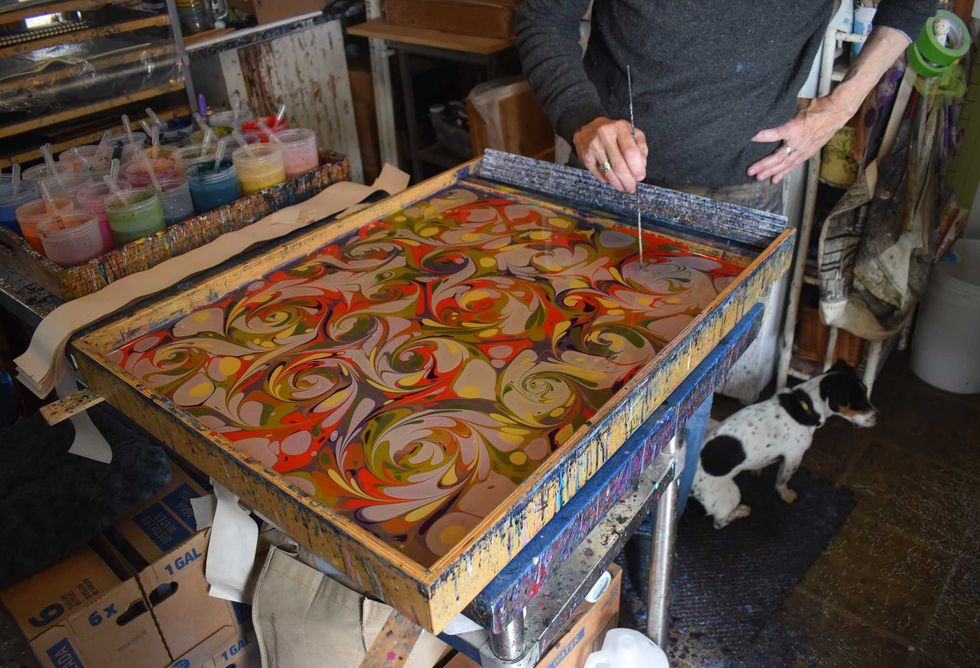 Susan Schneider, owner of Shandell’s, creates a variety of products with marbleized surfaces in her Ashley Falls studio.L. Tomaino



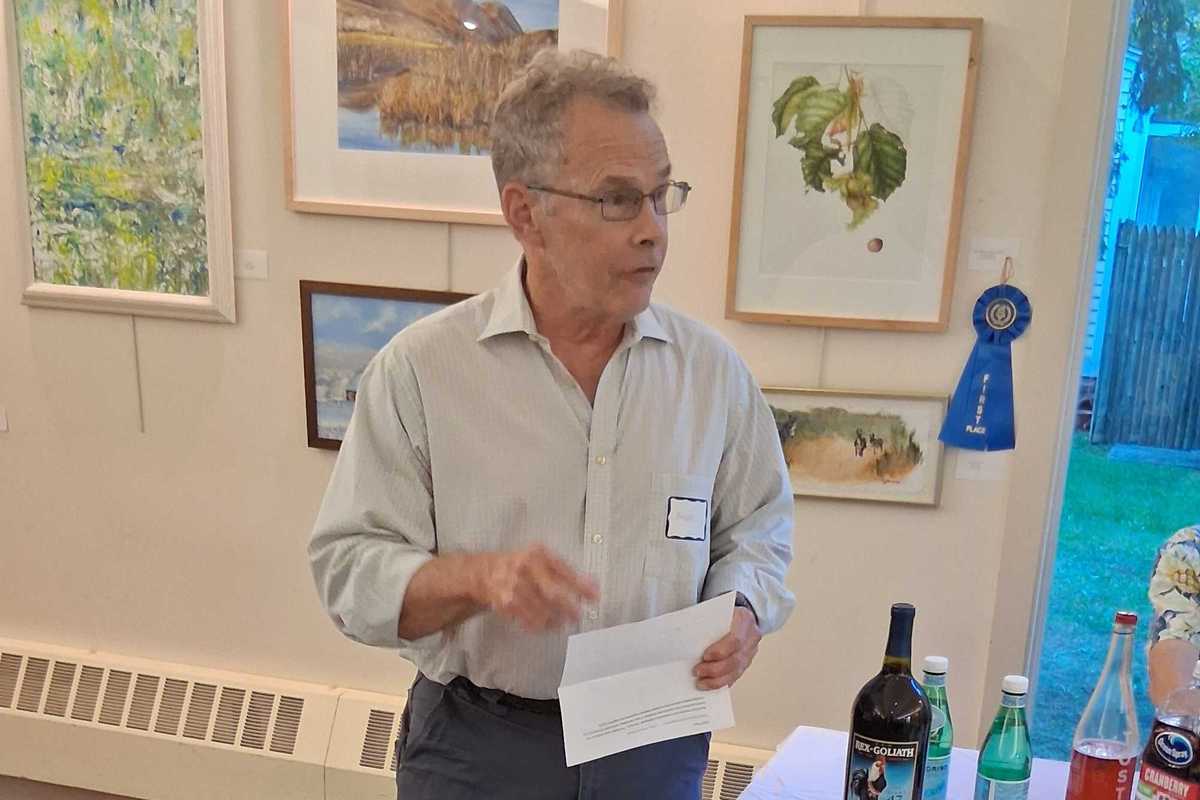 Roger McKee naming the winners with the first place entry over his left shoulder. Patrick L. Sullivan
 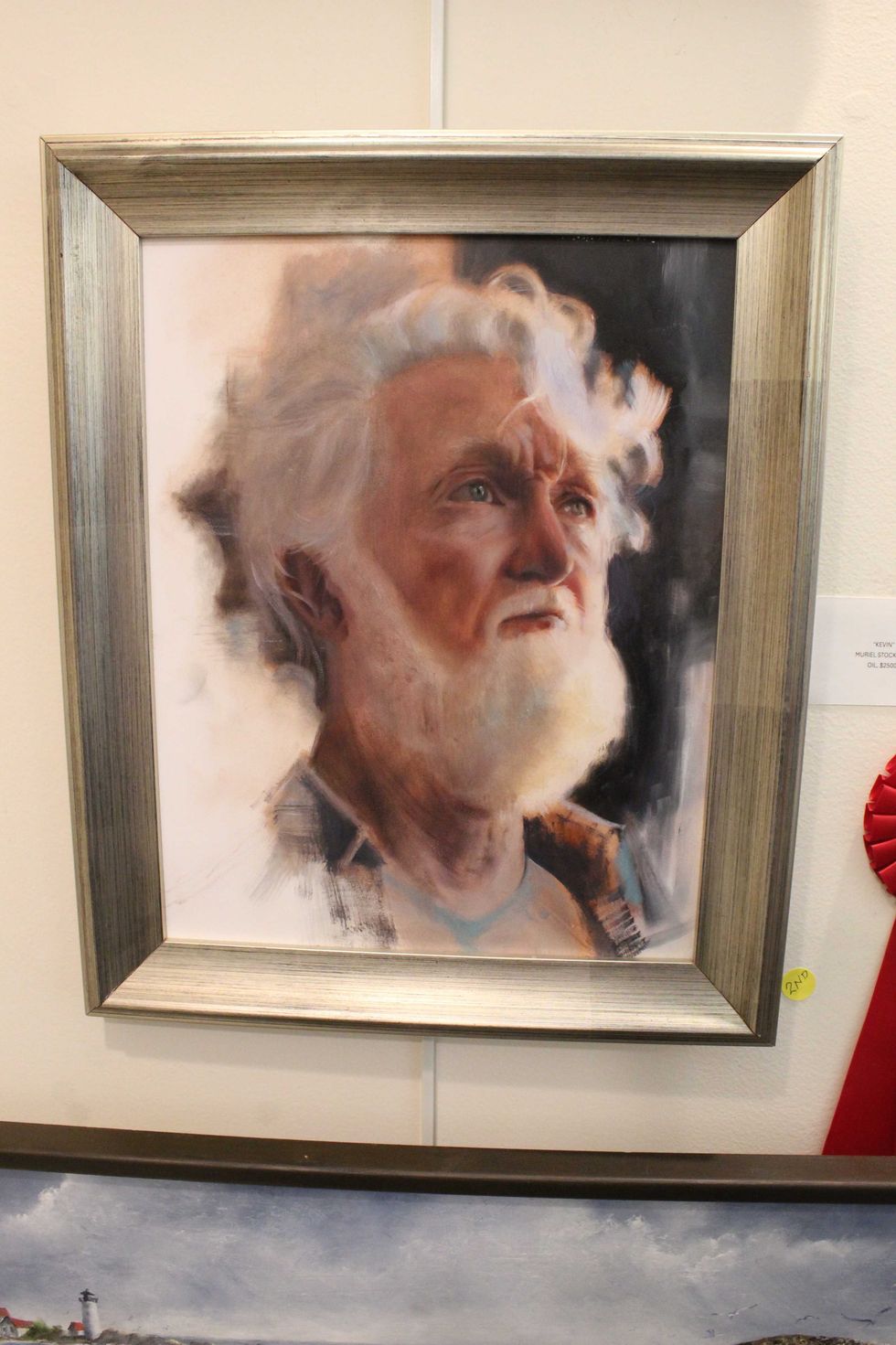 Muriel Stockdale’s “Kevin” took second place in the juried art show at Trinity Episcopal Church.Patrick L. Sullivan