Thank you!
Your support is sustaining the future of local news in our communities.

The U.S. budget has hidden poison pills

“In the past, we wanted to procure 40 F-35s but due to budget constraints we could only afford 20,� Israeli Defense Minister Ehud Barak told Aviation Week (Nov. 22). “Now the U.S. is offering to give us the additional 20 in exchange for a 90-day freeze on settlements.�

Ninety days. Ninety days that will cost the U.S. taxpayer a little over $2.75 billion. That’s $30.5 million a day. That’s 147 homes a day, or a town the size of Poughkeepsie in 90 days. And when does this have to be paid (obviously paid to the domestic defense industry, meaning U.S. jobs, taxes, etc.)? Sometime around 2019-20.

“But wait, there’s more!� (taking the theme from those ads on TV.) In addition, the United States will pledge, in a presidential letter, to provide Israel with more technology and capability to counter the threat from Iran, veto any anti-Israel resolution in the United Nations or the International Atomic Energy Agency (now there’s a red hot lead for journalists!) as well as sign a defense treaty with Israel even if a peace accord cannot be achieved with the Palestinians.

“And you also get to buy the original 20 F-35s previously agreed, with a price tag of $2.75 billion remember, to be “financed� through U. S. foreign military aid funds!� In other words the U.S. taxpayer will pay for those as well. The word “buy� is really double-speak in government documents.

Now, before any reader assumes this is an aberration brought about by a pro-liberal, pro-Jewish Obama administration, or is solely about Israel, allow me to disabuse you of that notion. The original F-35s were committed under the Bush administration, a practice this administration obviously agrees with.

And if you turn the clock back in successive Democratic and Republican administrations, every single one had similar deals on the table like this with dozens of allies. What, you honestly thought Carter got an accord on the Middle East without handing out sweeteners? Wake up and smell the defense industry coffee.

The point of all this is simple: If these startling facts are being talked about openly and in print (AvWeek Magazine), they represent the tip of an iceberg of entitlements, funding, secret defense deals and taxpayer debt going forward — going way forward. In this one case alone, you can see that our budget, 10 years from now, is already loaded with debt, debt we have not really discussed, approved, voted on (at the polls), nor determined where the heck these funds are coming from.

Everyone talks about the slice of the budget pie that is caused by Social Security and Medicare. First off, Social Security interest was never left to roll over by our government; every drop of interest has been used in the budget for (see above), and so all we’re left with is a bank account with 1950, 1960 and 1970 value dollars to pay 2010 Social Security payments.

If the interest had been left in Social Security, Medicare and Social Security would be funded to the tune of 135 percent through 2050. Politicians, striking debt deals for “peace,â€�  pre-spending your tax dollars, did that, over and over.

Secondly, please consider that the Eisenhower/Kennedy/Johnson/Nixon/Ford/Carter/ etc. administrations built, maintained and fostered this military-industrial complex upon which much of our export and employment is dependant — not to mention balance of power during the Cold War.

However, since the end of the Cold War it has become a beast we need to feed to keep the economy strong — until, that is, the beast feeds on us and our children instead. Maybe, just maybe, it is time to rethink our position as the purveyor of arms for freedom?

Peter Riva, formerly of Amenia Union, lives in New Mexico.

Latest News

‘So Little to Do,’ so much to discover at James Barron Art

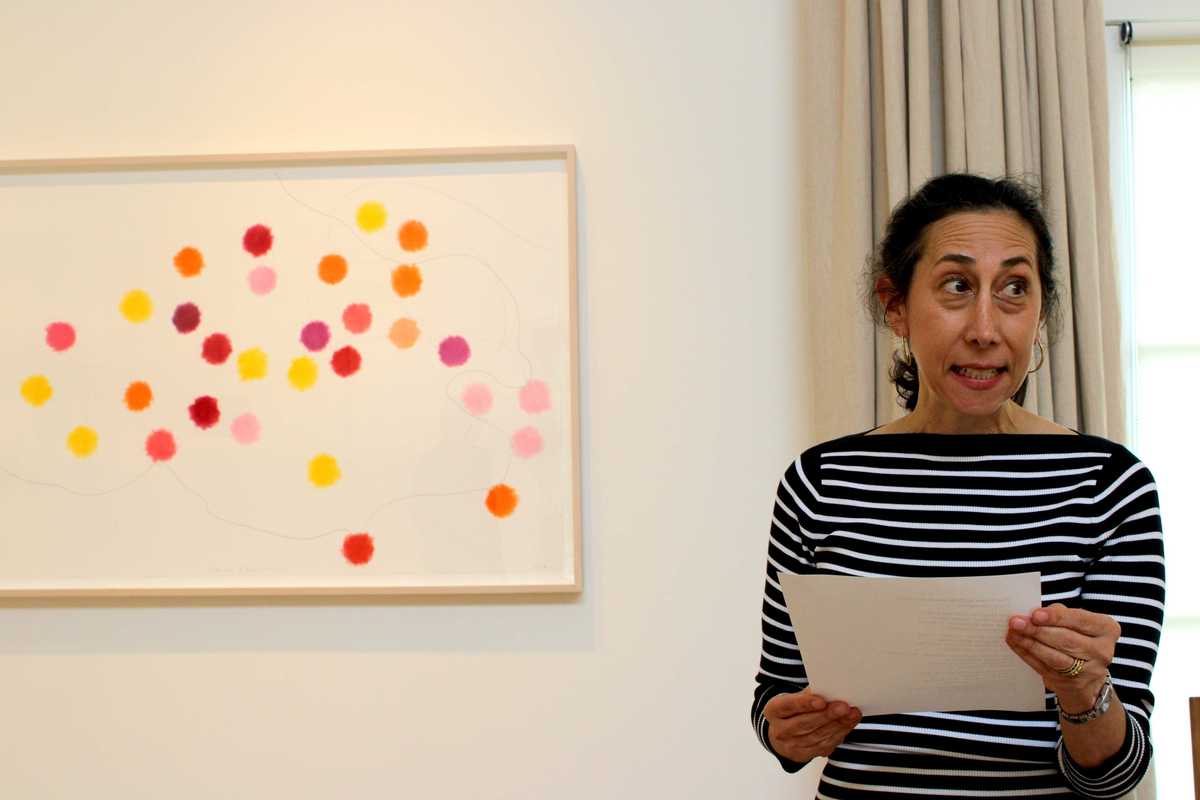
Curator Deborah Goodman Davis reads the Emily Dickinson poem “The Grass So Little Has to Do.” Spencer Finch’s “Following Three Bees (Zinnias)” buzzes in the background.

Photo by Natalia Zukerman

“The Grass Has So Little to Do,” on view at James Barron Art in Kent, takes its title from Emily Dickinson’s poem “The Grass So Little Has to Do,” written in 1862:

“The Grass so little has to do—
A Sphere of simple Green—
With only Butterflies to brood
And Bees to entertain—”

Keep ReadingShow less

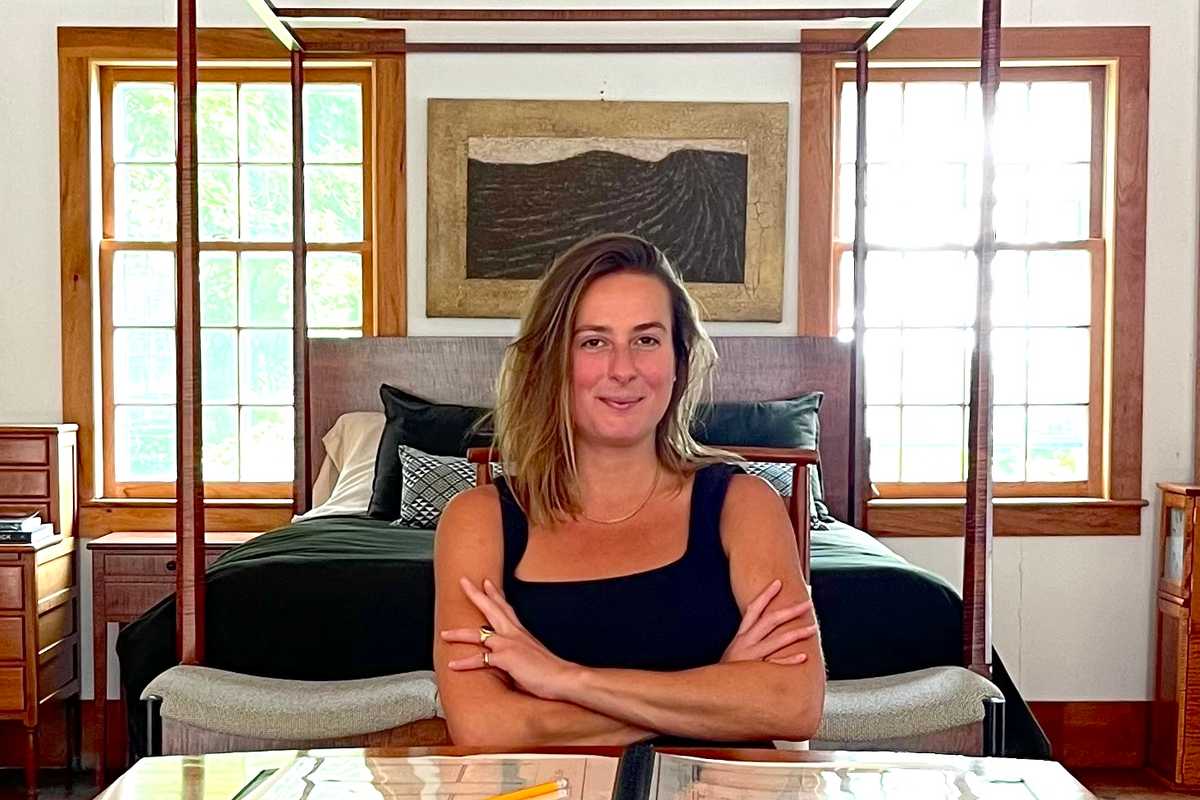
Marina Kotchoubey is not a woodworker

Marina Kotchoubey is not a woodworker

Marina Kotchoubey at the Ian Ingersoll Cabinetmakers showroom in West Cornwall.

Photo by D.H. Callahan

After 40-something years navigating the world of custom fine furniture, Ian Ingersoll was getting ready to retire. Starting off with a little dovetail stool that he sold at a shop in West Cornwall in the 1970s, he’d grown his skill and his business into something he — and the whole town — could be proud of. Shutting down that business was not an option.

Ingersoll built Ian Ingersoll Cabinetmakers, which produced mainly classical Shaker furniture, on passion: the passion he had to make a living through creative challenges and the passion of his employees, who all seem deeply in love with their craft.

Keep ReadingShow less
A legacy of giving at Norfolk Chamber Music Festival

One hundred and twenty years ago, Carl and Ellen Stoeckel commissioned New York architect E.K. Rossiter to design The Music Shed in Norfolk, Connecticut. After nearly a decade of entertaining their friends and neighbors with the finest music of the day, they built a permanent home for their beloved Litchfield County Choral Union.

The commission and full funding of the construction was not unheard of in an era when great fortunes led to public enrichment. Railroad tycoon John D. Rockefeller was instrumental in funding institutes of higher education. Steel baron Andrew Carnegie was building libraries all over the country, and famously said that a man who dies rich is a disgrace, challenging his peers to give their fortunes back to the people.

Keep ReadingShow less
google preferred source

Want more of our stories on Google? Click here to make us a Preferred Source.
Two unique exhibitions at Geary Gallery

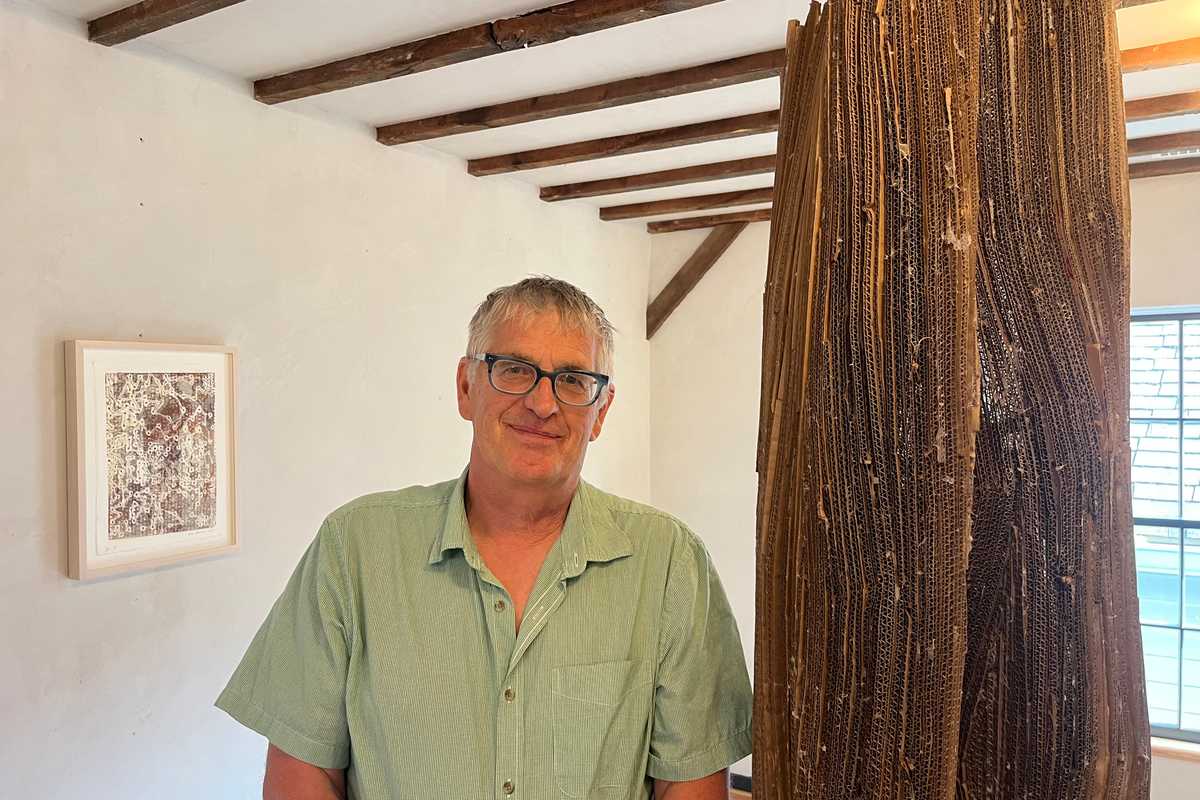
Henry Klimowicz with his sculpture, “Partial Pillar 1”

Photo by D.H. Callahan

On Saturday, Aug. 1, Geary Gallery opened its doors in Salisbury for two unique shows in its first- and second-floor gallery spaces. Art lovers flooded both floors over the course of the afternoon, giving the events a vibrant feeling that enhanced the importance of the art.

On the first floor is a show by Chicago-born, Colorado-based photographer Summers Moore, titled “Lobitos: Pueblo Fantasma,” or “Lobitos: Ghost Town.” The work centers around her daughter’s current hometown in Peru. Moore herself found a home away from home in Colorado in the mid-1980s and encouraged her children to seek out new places outside of their comfort zones.

Keep ReadingShow less

Writer’s retreat in the woods

Writer’s retreat in the woods

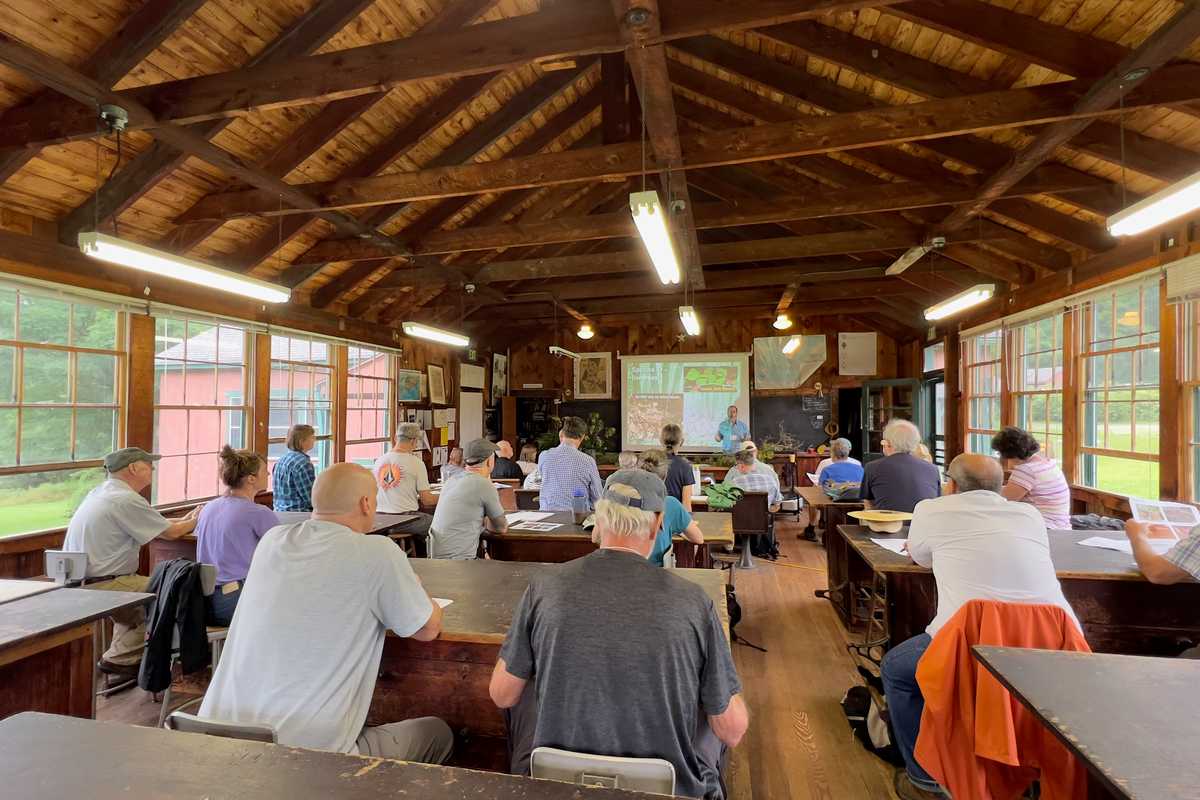
Participants in a 2024 Great Mountain Forest Woodland Academy workshop at Yale Camp.

Photo by Mike Zarfos

Great Mountain Forest (GMF) will host its first Nature Writing Retreat at the historic Yale Camp in Falls Village from Aug. 7-9, 2026. Writers of all levels are invited to draw inspiration from one of New England’s most notable forest landscapes. GMF envisions the retreat becoming an annual event celebrating writing, conservation and the relationship between people and forests.

This immersive three-day retreat reflects on the legacy of Hal Borland, the American writer and New York Times nature columnist whose work was deeply connected to this landscape. The retreat explores how wilderness shapes language, strengthens close observation and fosters environmental consciousness.

Keep ReadingShow less
From Cornwall to Rome, Adam Van Doren at Berkshire Botanical Garden

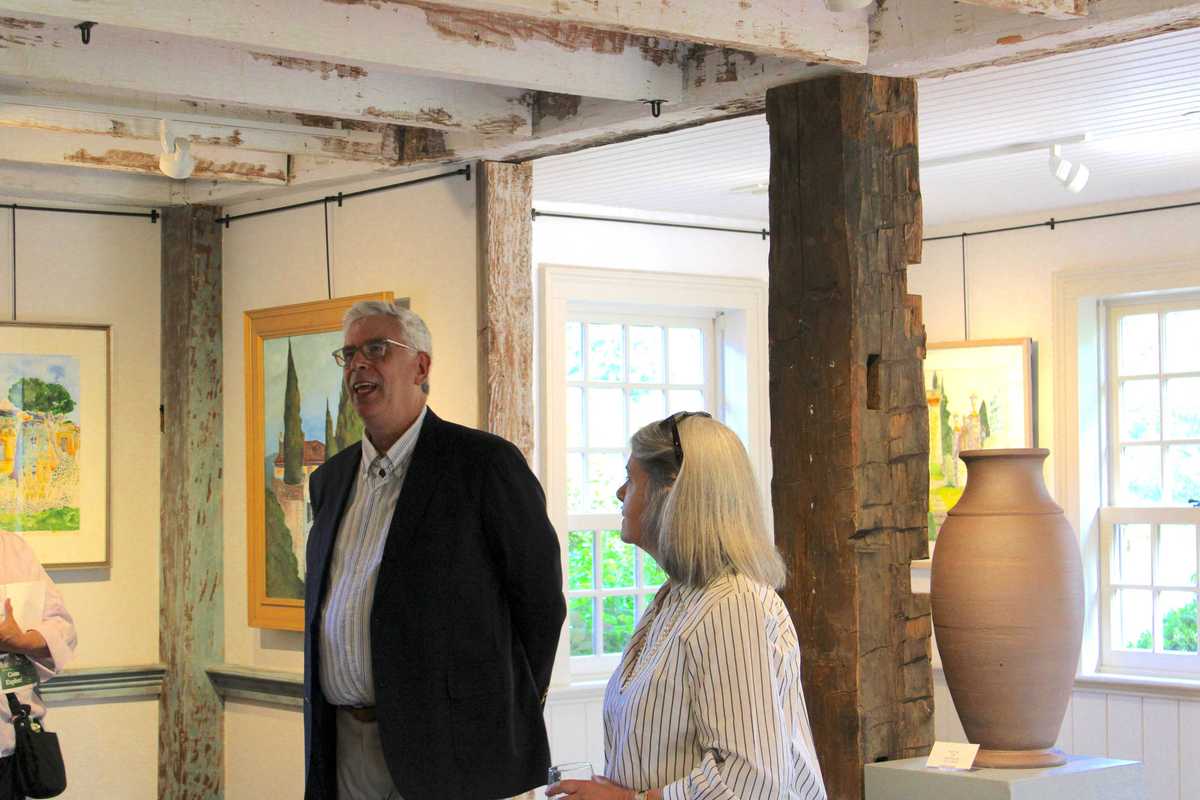
Artist Adam Van Doren and curator Donna Hassler talk to a group of visitors at the Berkshire Botanical Garden. A Stephen Proctor vessel sits to their left.

Photo by Natalia Zukerman

This summer, the Berkshire Botanical Garden in Stockbridge has hosted “Grounded in Nature: Paintings by Adam Van Doren,” an exhibition exploring the intimate relationship between architecture and the natural world.

On view for only a few more weeks in the Leonhardt Galleries, the exhibition features more than 35 watercolor and oil paintings by the New York-based artist, architect, author and Yale professor, curated by art historian Donna Hassler, director emerita of Chesterwood. The works span three distinct places that have shaped Van Doren’s artistic practice: New York City, Cornwall, Connecticut, and his travels throughout Europe.

Keep ReadingShow less
google preferred source

Want more of our stories on Google? Click here to make us a Preferred Source.
google preferred source

Want more of our stories on Google? Click here to make us a Preferred Source.