NORTH CANAAN — Creepy, kooky, mysterious, spooky. No it’s not the Broadway show of “The Addams Family,� it’s the black vultures that have once again taken up residence at North Canaan Elementary School.
There is no sure way of knowing, but chances are these birds are part of the flock of about 70 vultures that stayed at the school the winter before last. They arrived that fall, and stayed much longer than is normal for this avian species.
Experts suggested in interviews last time around that the vultures particularly enjoyed the warm air coming from the building’s chimneys and air handlers.
The large birds were often seen sitting on the edge of those rooftop structures — when not roosting in a favorite tree at the northwestern edge of the school grounds.
As she arrived at school one day, Principal Rosemary Keilty saw two vultures “playing� with a soccer ball on the playground below “their� tree.
The large birds are relatively harmless, but definitely creepy and messy. The custodial staff has had to adapt its schedule to accommodate new chores such as hosing down the swingsets the birds like to sit on.
The question is, if they came for the warmth in the winter, why are they still here, as spring is warming up the air?
Now that school officials know there is little they can do that wouldn’t potentially harm the birds and break the law, they will take the same approach as last spring: A replica of a dead vulture will be placed in the tree.
Vultures are apparently unwilling to roost in a tree with a dead counterpart (and who would?). This tactic seemed last year to prompt a gradual departure.

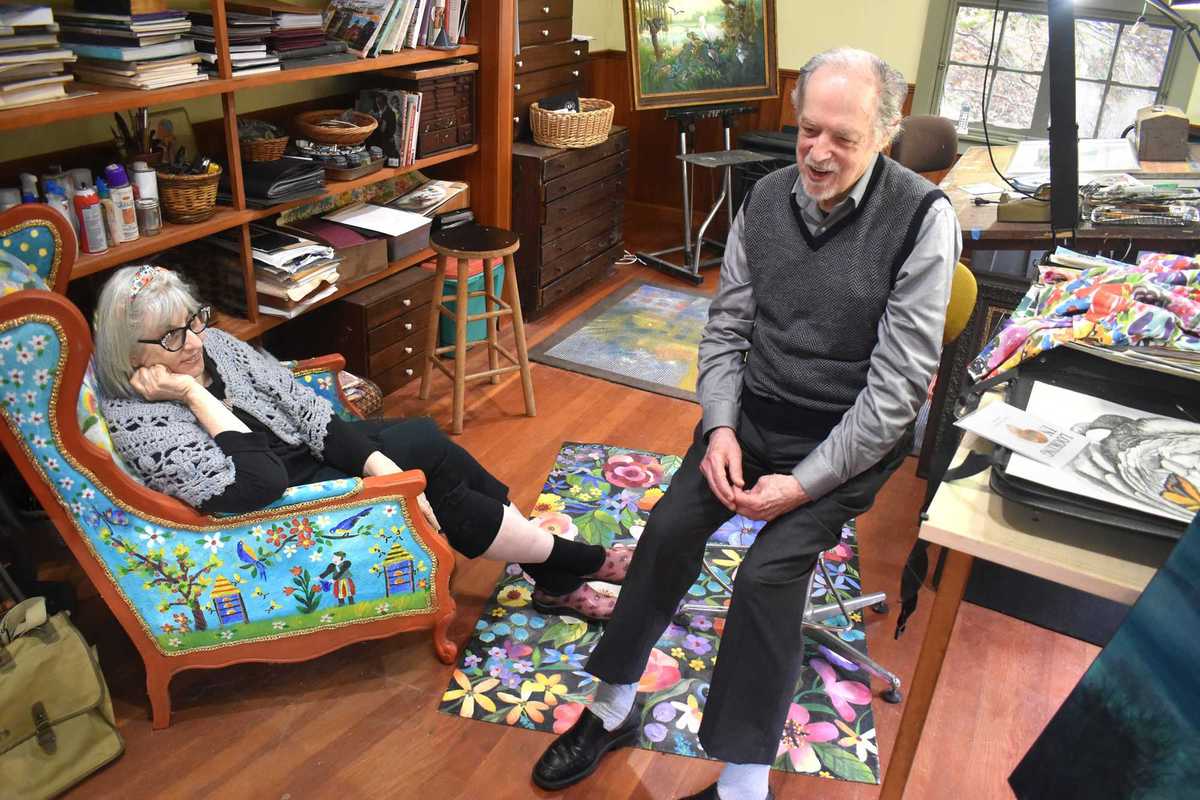
 Justine and Victor Valla in their studio with a painting of Victor’s,”Jonah and the Whale.” Robin Roraback


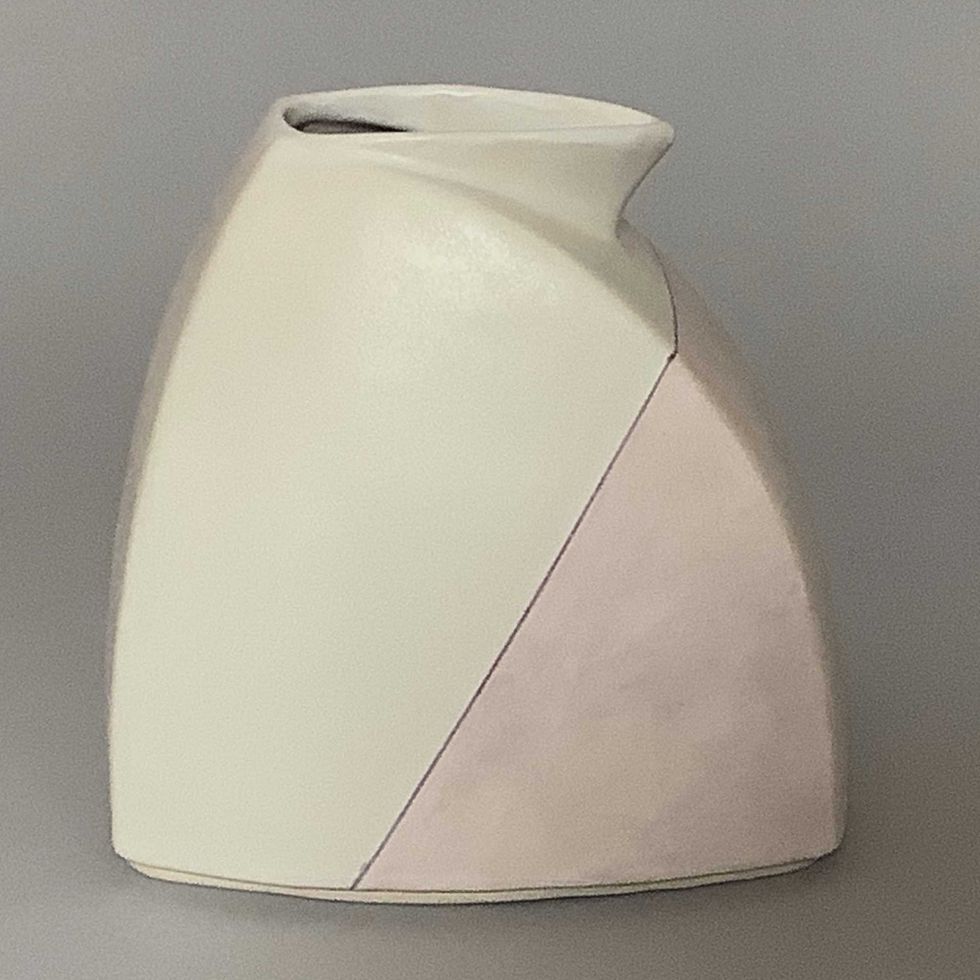 A ceramic vase by Kathleen Heidemann.Provided
 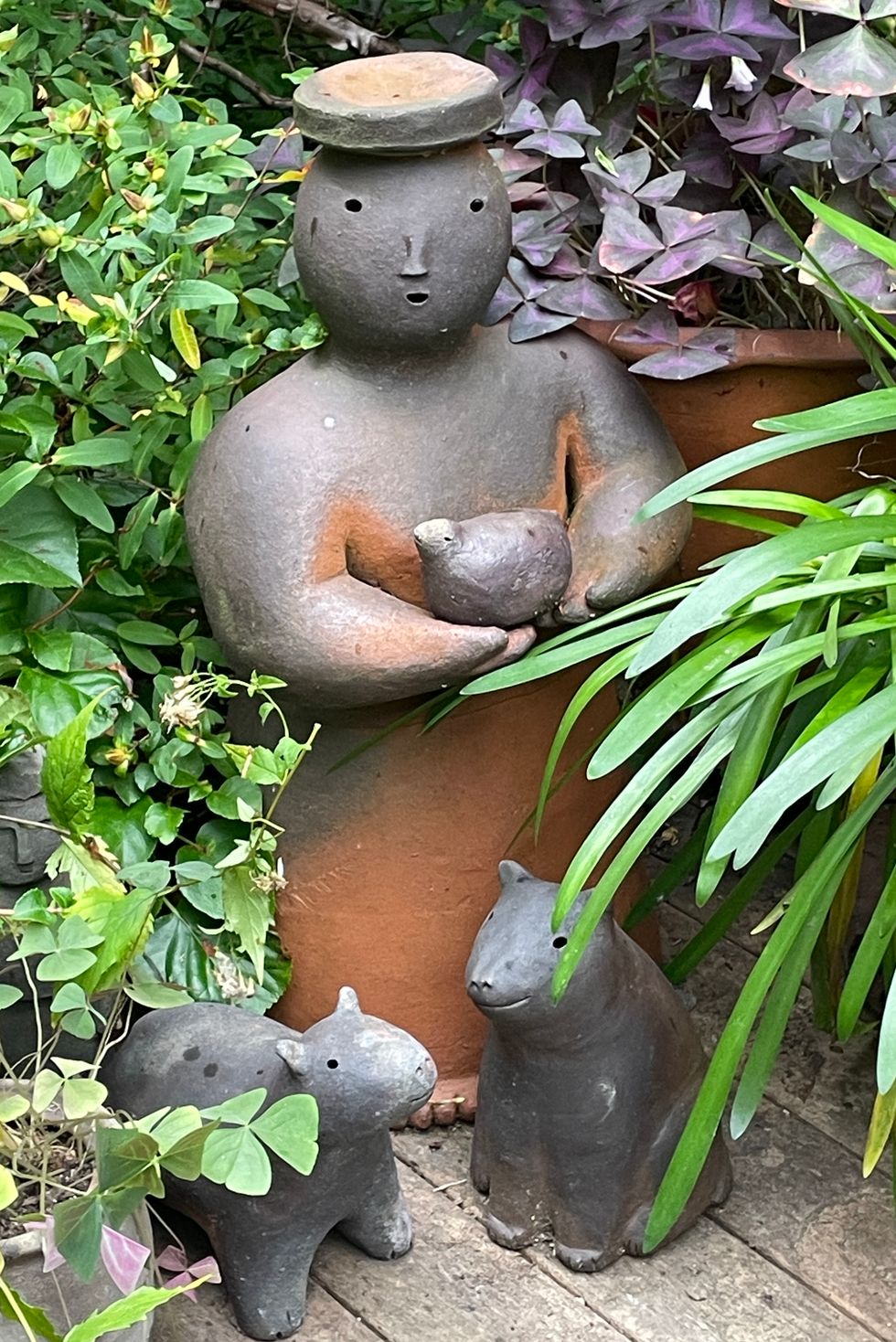 Joy Brown’s delightful ceramic sculptures.Provided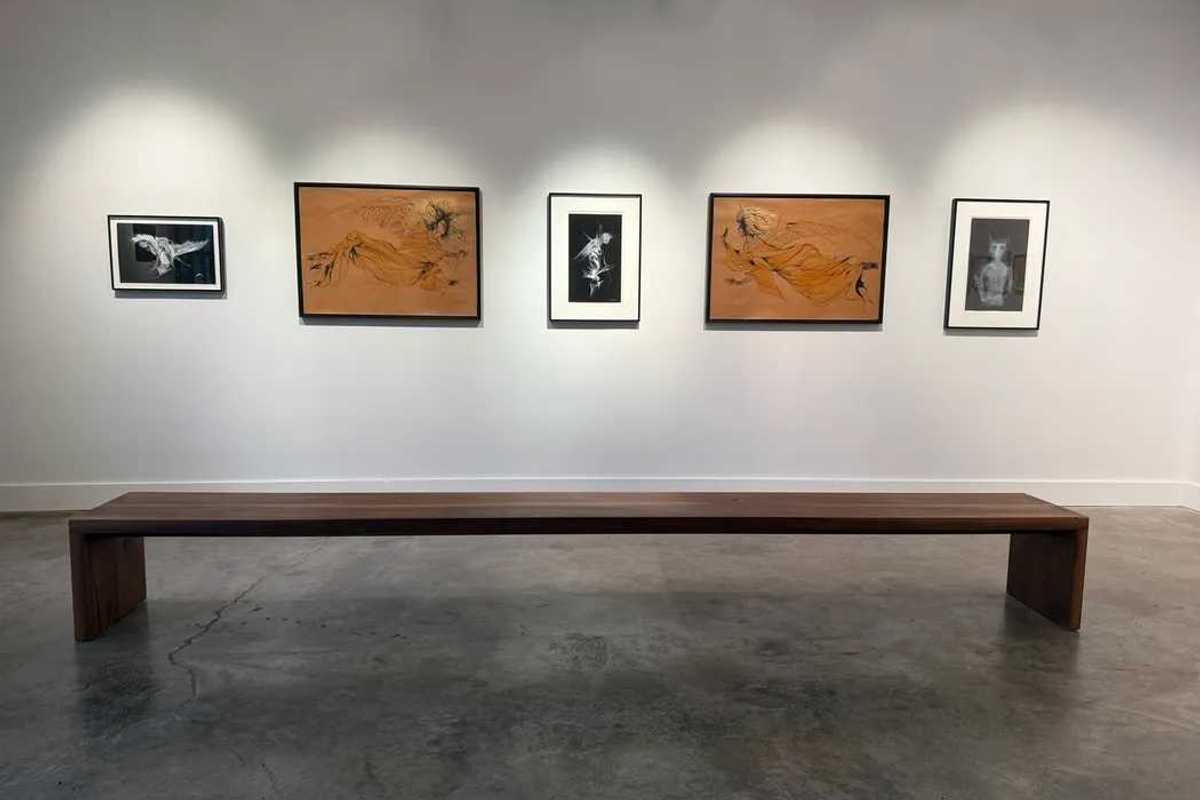
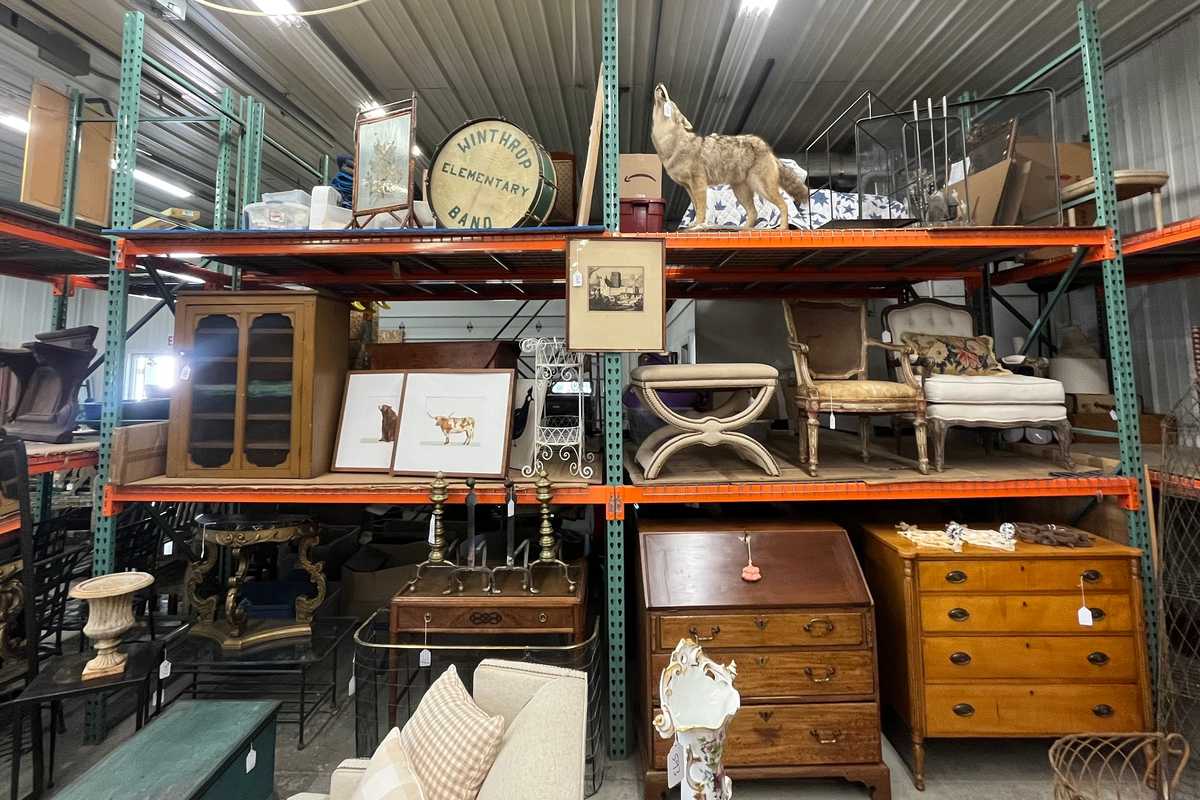
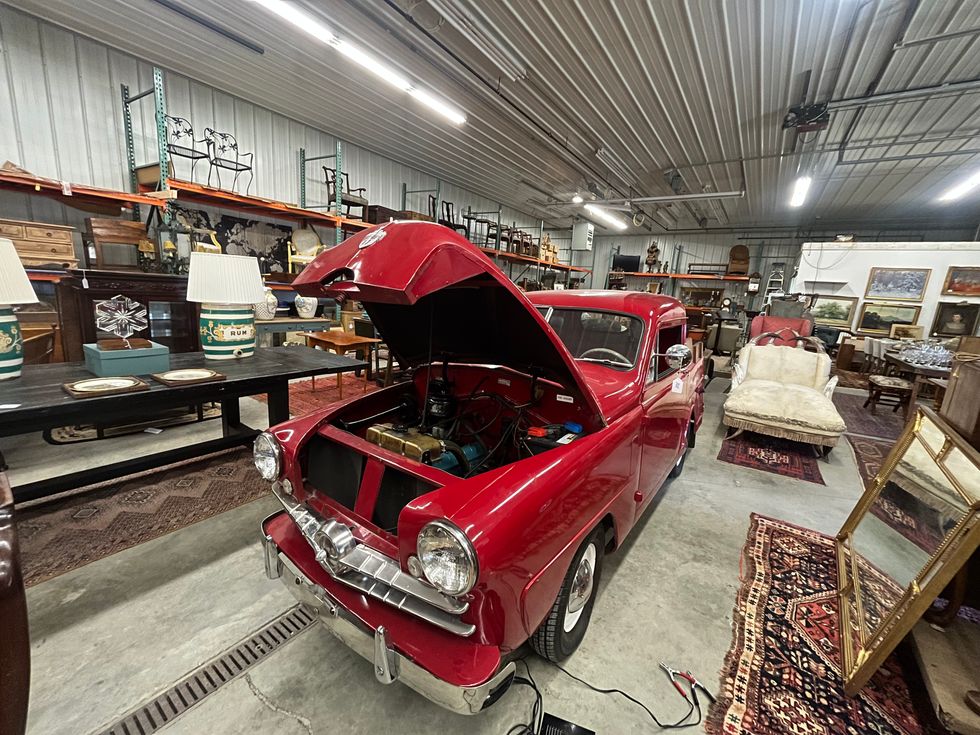 Hundreds of items at Stateline Auctions, including a candy-apple-red Crosley pickup truck.D.H. Callahan