What if I told you the only way you can get your college degree is by spending the next 20 years paying off the debt to attend that school. Would you still go?
Many people I know need to achieve that dream of walking across a stage and receiving a diploma to put themselves in a better position in life. However, that dream comes with a price tag now. A price tag that is so big at times that these people that I know have to give up on their dreams.
It has gotten to the point where higher education to earn a good paying job seems to be an unreachable luxury. Many kids who have a passion to pursue a certain career after high school cannot because they are too poor to reach a higher level of education. This makes higher education less about ability and more about affordability, reducing opportunity and diversity on campuses.
Even for those who make it to college, rising tuition widens the gap between students from wealthy families and those from low-income backgrounds. Many talented students must work long hours while studying, leaving them less time to focus on academics and extracurricular activities. The rise in cost takes away time from campus events and functions that students can attend during some downtime to get a leisure activity in.
In my personal experience as a student athlete, not only am I a full-time student that must prepare and study for class, but I also must prepare and train for my sport while also taking up a part-time job at the school. Balancing sport, school, and the mindset of making enough money to stay in school comfortably leads to lack in performance and mental health.
The issue of debt doesn’t just affect individual students. The issue of student debt affects entire communities and the country’s economy. When young people are forced to take out massive loans, they end up delaying important milestones like buying a home, starting a family, or even beginning a business. Instead of contributing to economic growth, they spend years trapped in a repayment cycle.
Furthermore, many students who start college but cannot keep up with tuition end up dropping out, leaving them with debt but no degree to show for it. This cycle creates long-term financial stress and limits upward mobility for millions of Americans.
The constant rise in tuition makes college feel less like an opportunity to learn and more like a business transaction. The cost of education discourages students from pursuing degrees in fields that truly interest them. Instead, many choose careers that simply offer higher salaries, rather than following their passions or pursuing work that benefits society. This means a lack of teachers, social workers, and artists. which are professions that shape communities and culture. When education becomes only about survival and not personal growth, society loses creativity and compassion. Schools should focus on helping students succeed, not just on making profits.
Colleges often justify tuition increases by pointing to improved facilities, technology, or campus programs, but those benefits mean little if fewer students can afford to experience them. Education should be a right, not a privilege reserved for the wealthy. If the goal of higher education is to prepare the next generation of thinkers, leaders, and innovators, then it must be made accessible to all who are willing to work hard for it.
Overall, the growing cost of college is transforming education, which is supposed to be a pathway to open doors, into a barrier that limits success for many hardworking students. Colleges and policymakers need to find solutions to make higher education more accessible and affordable.
Expanding need-based scholarships, increasing state funding for public universities, and controlling unnecessary fees could help ease the cost that gives many students an untenable burden. Investing in education benefits everyone by creating a stronger, more skilled population that can achieve a career after their time in college to help boost the economy and quality of life in our country.
If tuition continues to rise unchecked, fewer students will be able to achieve their educational goals, and the nation will lose out on the talent and innovation that come from diverse backgrounds filled with motivated graduates who still have so much potential left to reach.
Collin Jefferson is a sophomore at Mitchell College majoring in Business Management.



 Dick Hermans in the Oblong Bookstore on Millerton’s Main Street in 1985.Provided


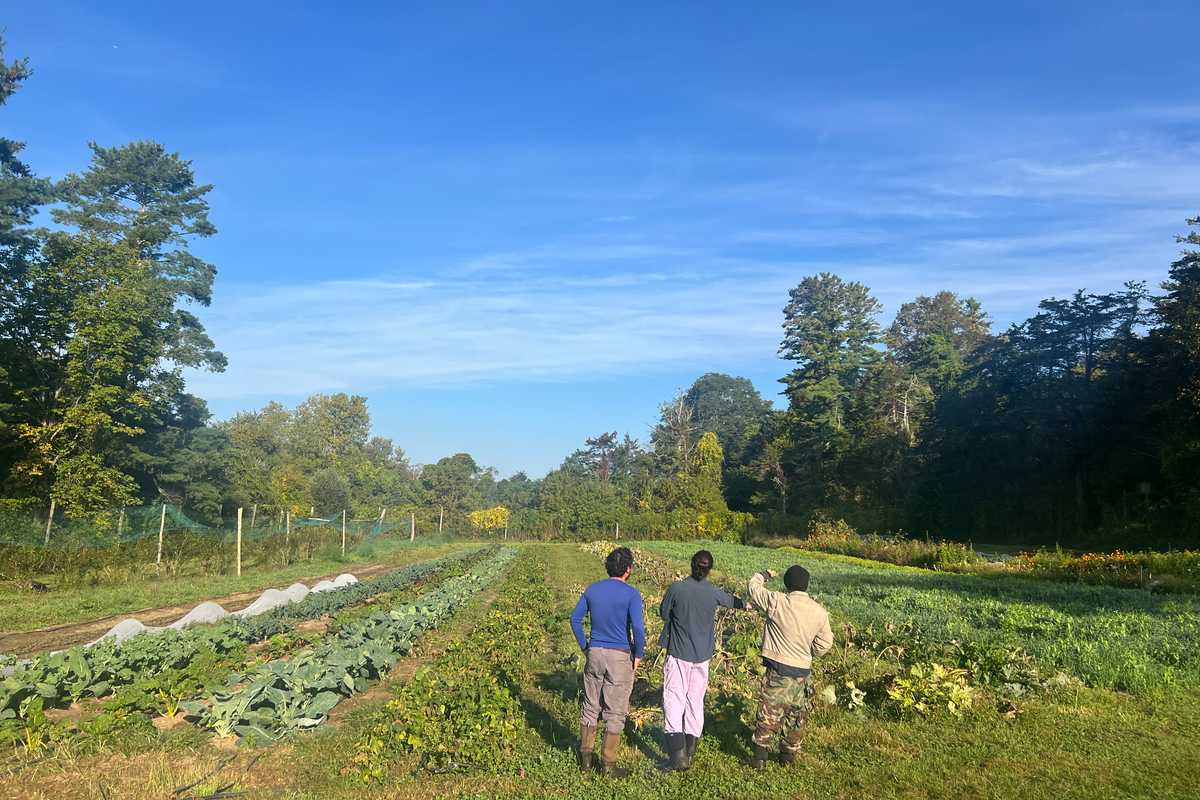
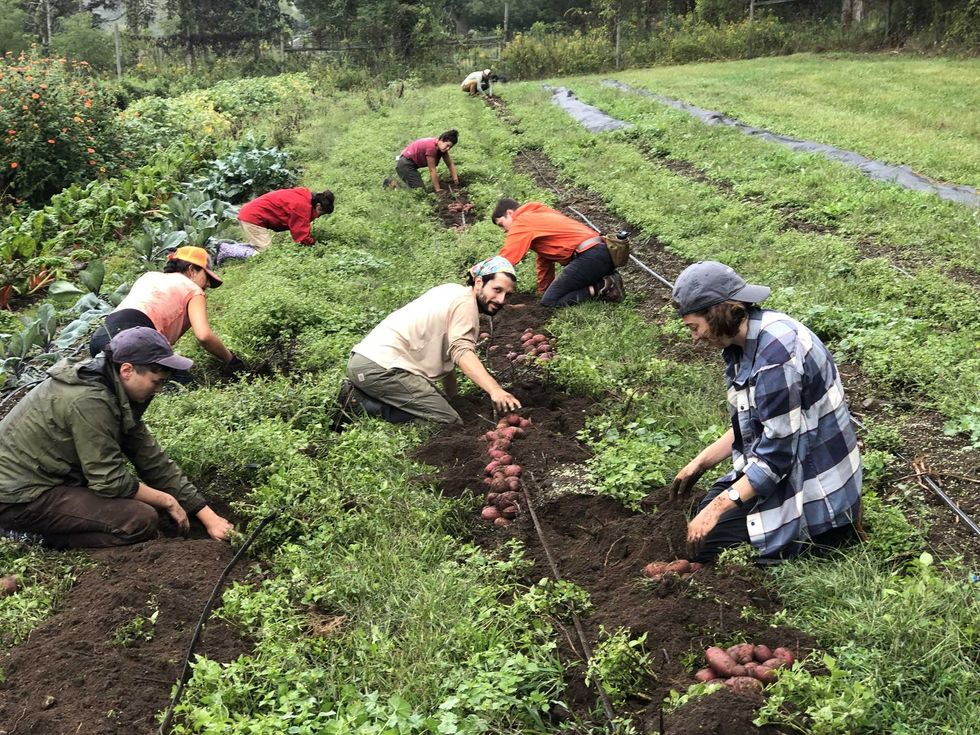 Fall storage crop harvests amid soil building cover crops at Adamah Farm in Falls Village. Janna Siller