Thank you!
Your support is sustaining the future of local news in our communities.

Webutuck endorses ‘Dignity for All’ initiative

WEBUTUCK — The three principals of the North East (Webutuck) Central School District attended the regular Board of Education (BOE) meeting on June 25 to give a joint presentation on the Dignity for All Students Act (DFAS).Superintendent James Gratto began the presentation by bringing the board up to speed.“A few weeks ago we put a draft policy into your board packets so you could see where we are headed with the DFAS. It does comply with the New York state education law, article two, stating that we need to have a formal board policy for DFAS,” he said.“The administrators and myself have been meeting on this throughout the spring,” Gratto continued. “It’s a work in progress but we do have a lot of the board policy already in place, so we didn’t need to reinvent the wheel. The Policy Committee has been working all year anyway, so they’ve been updating all the policies. It pretty much fell into line.”Gratto then informed the board that the presentation would be brief overviews.“The three principals are going to talk specifically about the programs they’re going to try to implement in the fall in each of the three buildings. It will take a lot of planning over the summer to actually put it together with what the specific plans will be,” he said.Responsive ClassroomWebutuck Elementary Principal Kathleen McEnroe presented the Responsive Classroom program to the board.“The power of language, how to build our school community — there are many aspects of Responsive Classroom, one specifically being the morning meeting. During that morning meeting the children greet each other, they share information and they usually have an activity. There’s also the morning message. It lets them know what’s going on, and there’s research that supports that allowing the students to know what’s going to happen in advance really sets their day. It also builds their classroom. They’re involved in creating the rules in the classroom, and they’re involved in creating the rules in our school,” she said.McEnroe spoke about being a bucket-filling school.“A few years ago [Speech Therapist] Rebecca Garrard found this book, “Have You Filled Your Bucket Today?” and we got copies for all the classroom teachers. This book is read to the students at the beginning of the year, and basically it is using the idea of filling someone’s bucket. When you say something nice to them you’re filling their bucket. A lot of the teachers have little buckets that they put pom-poms in or straws in so that they can see the bucket being filled. If they say something unkind to someone or do something that may hurt someone’s feelings then we say, ‘you dipped our bucket.’ So those are the kinds of things we do at Webutuck Elementary and the things that we use,” she said.McEnroe is excited about continuing the program.“We’ve had it since the mid-1990s. I will say that we need some new training on it because we have a lot of new staff that had not gone through the final training. It’s quite costly, but we’re looking into it,” she said.BOE Member Kristen Panzer was quick to support the program.“I’ve had kids here since then, and I first became aware of it through something that was sent home. I love it. It’s so valuable, and I hope that you will bring everybody online with it. I also hope that it’s something that you’ll share with the parents because it’s an incredibly valuable tool for parents at home. I hope you’ll keep pushing forward with it,” she saidMcEnroe agreed. “We send home a pamphlet with the students, and you’re right, it is a valuable tool,” she said. “I have a daughter in the school and she’ll say to me, ‘Mom, you’re stepping on my words,’ and it’s important and it’s good that she expresses that.”BOE Member John Perotti also spoke up to support the program.“I remember when we started the responsive classroom many years ago now and our goal was that it would filter up to the higher classes, and we would develop programs within those parts of the system that would continue,” he said. “I think that if our graduating class was any indication, I think it’s been quite successful. I’m happy to hear that we’re still doing it.”The board thanked McEnroe and moved on to Eugene Brooks Intermediate School Principal Jay Curtis.Leader In Me“This transitions nicely from what Katy [McEnroe] was talking about. It’s a program based on Stephen Covey’s ‘Seven Habits of Highly Effective People.’ Mr. [Erik] Lynch, who is a teacher, came in and spoke about this program to me. The North Carolina school he taught at used it,” Curtis said.Curtis expressed that he believes fully in this program.“I’m a big fan of it. We’ve used it on a few kids this year in our school just to try it out. Basically it’s getting kids to make set goals and self reflect about exactly what they’re doing in the classroom,” he said. Curtis explained that each student will get a data notebook to record goals and progress.“As the year progresses the students will become more independent on setting those goals. The goal of this program in, say, three years, is to actually have the students run the parent-teacher conferences. That’s the ultimate goal, to really get that self reflection from the kids,” he said.Curtis believes so highly in the program that he has used it personally.“My five-year-old was not behaving as I would have expected, so we did it at home and it’s worked great. He has his data notebook and colors circles. We’re obviously not going to have fourth-grade kids coloring smiley faces. Theirs is a little more geared toward writing the sentences out,” he said.Panzer spoke out to compliment Curtis on the middle school program.“I went to an honor roll assembly last week and it was just a really nice morning. I really appreciated how you spoke to the kids, and I think the kids felt very excited and respected. It was very positive, so thank you,” she said.Without further questions, Gratto introduced Webutuck High School Principal Ken Sauer to speak.Developmental Assets“It’s interesting to listen to Mrs. McEnroe and Mr. Curtis talk about encouraging our kids to be self reflective. It’s one of those things we instituted this year in in-school suspension. When the students were sent there they were asked to do exactly what you [McEnroe] said they would do. We’d say ‘OK, what did you do and what should you have done differently so that you’re not in here again?’ So there is a consistent thread on all three levels that we’re trying to encourage that reflective practice,” Sauer said.Sauer then introduced his plan for going forward.“At the high school I’ve spoken with Elaine Trumpetto. She’s the director of CAPE [Council on Addiction Prevention and Education] and she is also a trainer for the Forty Developmental Assets. I’ve asked Elaine to put together a proposal to come in and do some staff training early in the year,” he said.Sauer handed a packet to the board that further explored the Forty Developmental Assets.“The fact is if we don’t involve our teachers in this development, this initiative, if we don’t create some buy-in, then it’s probably not going to succeed. There’s a common language here that’s consistent across the board from kindergarten through 12th-grade. I don’t think it’s a huge departure from anything we already ask our students to do,” he said.Sauer then outlined the training he would like to have Trumpetto do.“She is going to put a proposal together to come in, do some staff development, then come back in and work with a cohort of students. Then hopefully she’ll come in again later in the year and do some re-training and reflection with the students and staff. I know the counseling department is very on board with this,” he said.Sauer was very confident in the program.“In my experiences both as a teacher and a principal, it’s a very effective way of encouraging not only self reflection but also empowering kids to see where they have control, where they have some power to be able to take hold of their lives. I think the first step is of course creating a common vocabulary for all of the staff here,” he said.Panzer shared her knowledge of success with the program in other places.“I think that they’re using this tool in Housatonic Valley Regional High School. There is a youth organization, sort of like our [North East] Community Center but with a teen focus. They use this. I think that it’s been really a great tool for them, and I hope it can be that for us. It seems really interesting, and I’m excited about this,” she said.Panzer was also interested in how it would move forward.“We really need to start creating buy-in and doing the training. We need to make sure that we’re all singing from the same sheet of music,” she said.With no further questions, the board thanked the principals for the presentation.

Latest News

‘So Little to Do,’ so much to discover at James Barron Art

Curator Deborah Goodman Davis reads the Emily Dickinson poem “The Grass So Little Has to Do.” Spencer Finch’s “Following Three Bees (Zinnias)” buzzes in the background.

Photo by Natalia Zukerman

“The Grass Has So Little to Do,” on view at James Barron Art in Kent, takes its title from Emily Dickinson’s poem “The Grass So Little Has to Do,” written in 1862:

“The Grass so little has to do—
A Sphere of simple Green—
With only Butterflies to brood
And Bees to entertain—”

Keep ReadingShow less

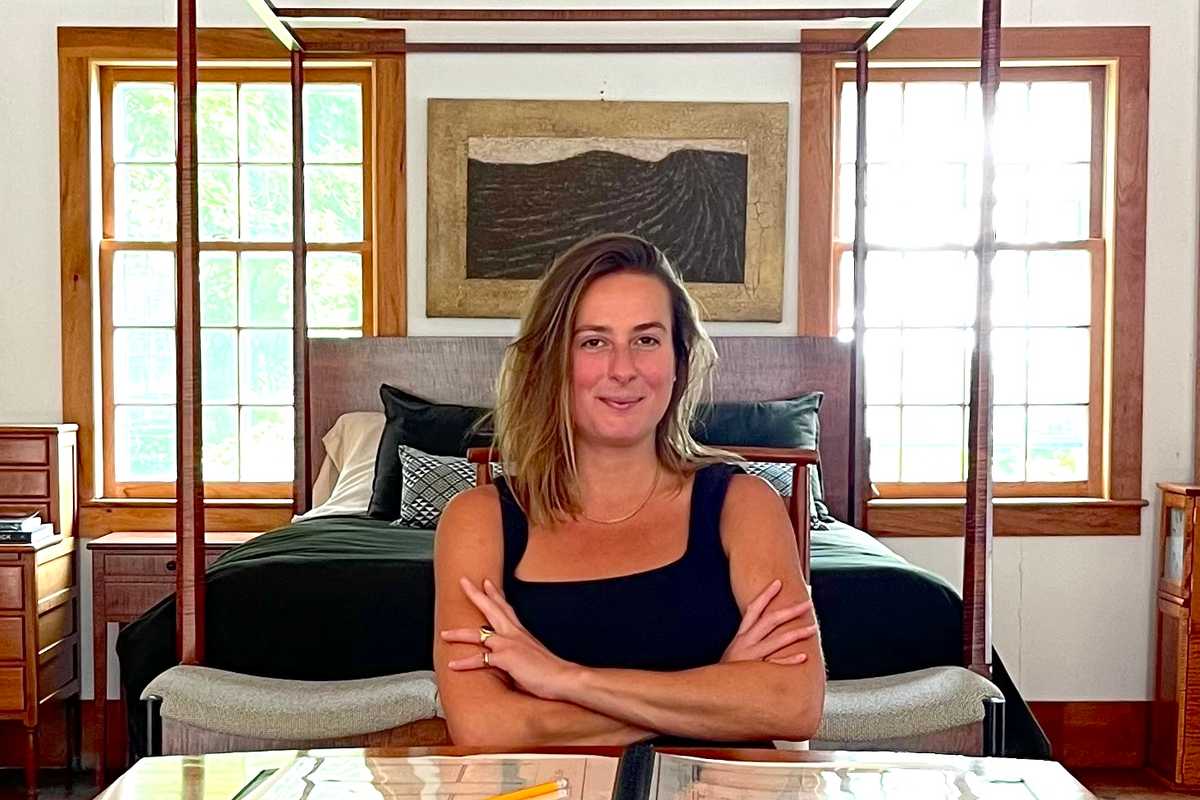
Marina Kotchoubey is not a woodworker

Marina Kotchoubey is not a woodworker

Marina Kotchoubey at the Ian Ingersoll Cabinetmakers showroom in West Cornwall.

Photo by D.H. Callahan

After 40-something years navigating the world of custom fine furniture, Ian Ingersoll was getting ready to retire. Starting off with a little dovetail stool that he sold at a shop in West Cornwall in the 1970s, he’d grown his skill and his business into something he — and the whole town — could be proud of. Shutting down that business was not an option.

Ingersoll built Ian Ingersoll Cabinetmakers, which produced mainly classical Shaker furniture, on passion: the passion he had to make a living through creative challenges and the passion of his employees, who all seem deeply in love with their craft.

Keep ReadingShow less
A legacy of giving at Norfolk Chamber Music Festival

One hundred and twenty years ago, Carl and Ellen Stoeckel commissioned New York architect E.K. Rossiter to design The Music Shed in Norfolk, Connecticut. After nearly a decade of entertaining their friends and neighbors with the finest music of the day, they built a permanent home for their beloved Litchfield County Choral Union.

The commission and full funding of the construction was not unheard of in an era when great fortunes led to public enrichment. Railroad tycoon John D. Rockefeller was instrumental in funding institutes of higher education. Steel baron Andrew Carnegie was building libraries all over the country, and famously said that a man who dies rich is a disgrace, challenging his peers to give their fortunes back to the people.

Keep ReadingShow less
google preferred source

Want more of our stories on Google? Click here to make us a Preferred Source.
Two unique exhibitions at Geary Gallery

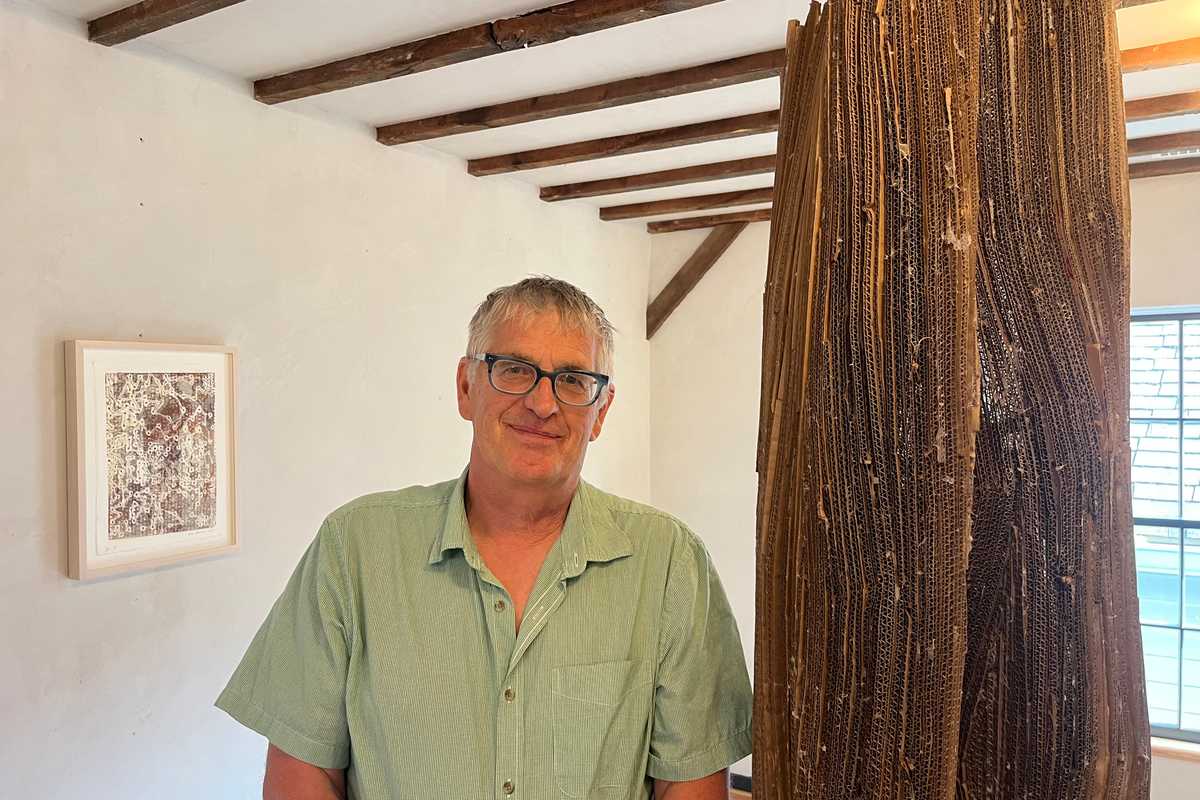
Henry Klimowicz with his sculpture, “Partial Pillar 1”

Photo by D.H. Callahan

On Saturday, Aug. 1, Geary Gallery opened its doors in Salisbury for two unique shows in its first- and second-floor gallery spaces. Art lovers flooded both floors over the course of the afternoon, giving the events a vibrant feeling that enhanced the importance of the art.

On the first floor is a show by Chicago-born, Colorado-based photographer Summers Moore, titled “Lobitos: Pueblo Fantasma,” or “Lobitos: Ghost Town.” The work centers around her daughter’s current hometown in Peru. Moore herself found a home away from home in Colorado in the mid-1980s and encouraged her children to seek out new places outside of their comfort zones.

Keep ReadingShow less

Writer’s retreat in the woods

Writer’s retreat in the woods

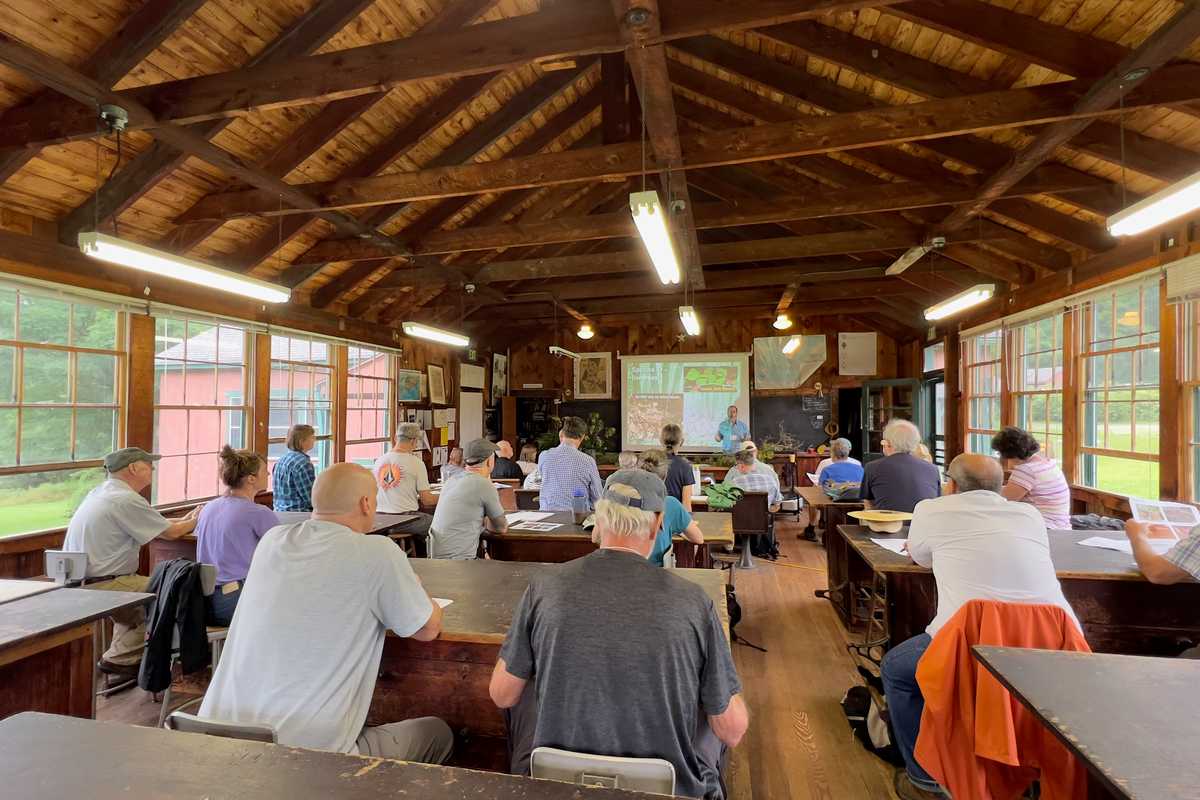
Participants in a 2024 Great Mountain Forest Woodland Academy workshop at Yale Camp.

Photo by Mike Zarfos

Great Mountain Forest (GMF) will host its first Nature Writing Retreat at the historic Yale Camp in Falls Village from Aug. 7-9, 2026. Writers of all levels are invited to draw inspiration from one of New England’s most notable forest landscapes. GMF envisions the retreat becoming an annual event celebrating writing, conservation and the relationship between people and forests.

This immersive three-day retreat reflects on the legacy of Hal Borland, the American writer and New York Times nature columnist whose work was deeply connected to this landscape. The retreat explores how wilderness shapes language, strengthens close observation and fosters environmental consciousness.

Keep ReadingShow less
From Cornwall to Rome, Adam Van Doren at Berkshire Botanical Garden

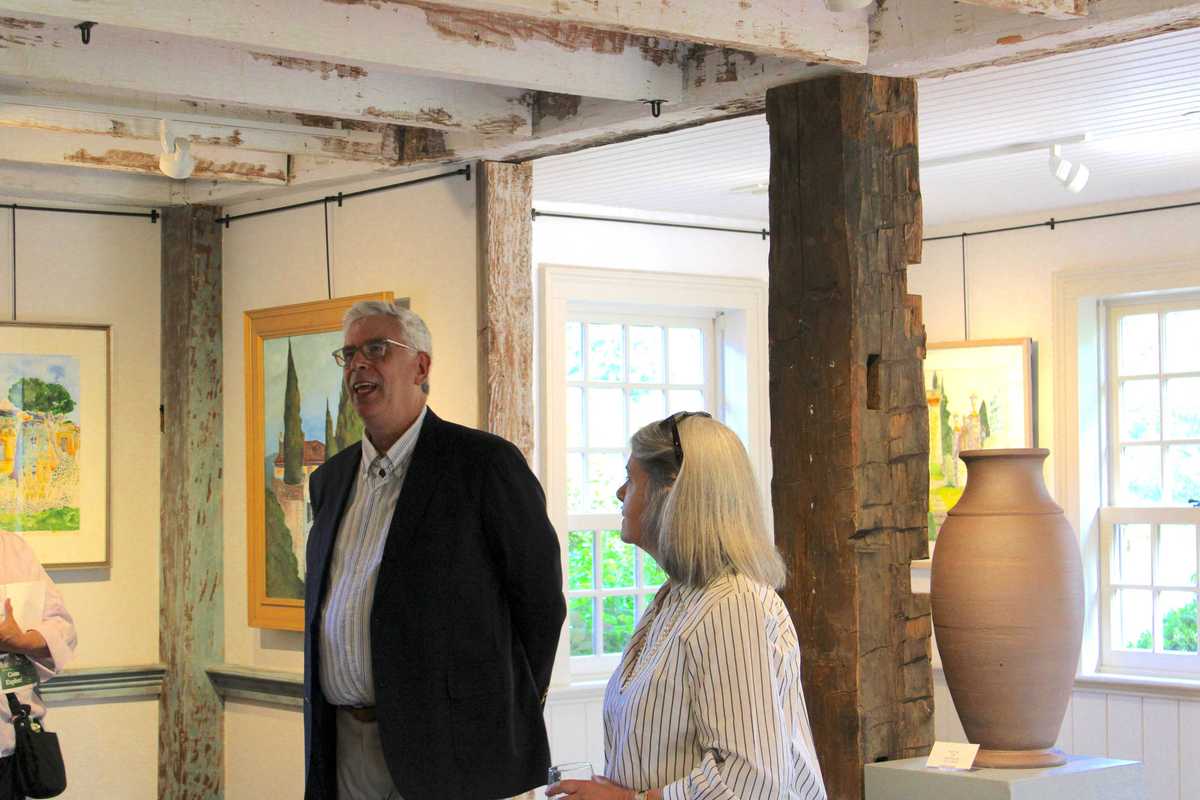
Artist Adam Van Doren and curator Donna Hassler talk to a group of visitors at the Berkshire Botanical Garden. A Stephen Proctor vessel sits to their left.

Photo by Natalia Zukerman

This summer, the Berkshire Botanical Garden in Stockbridge has hosted “Grounded in Nature: Paintings by Adam Van Doren,” an exhibition exploring the intimate relationship between architecture and the natural world.

On view for only a few more weeks in the Leonhardt Galleries, the exhibition features more than 35 watercolor and oil paintings by the New York-based artist, architect, author and Yale professor, curated by art historian Donna Hassler, director emerita of Chesterwood. The works span three distinct places that have shaped Van Doren’s artistic practice: New York City, Cornwall, Connecticut, and his travels throughout Europe.

Keep ReadingShow less
google preferred source

Want more of our stories on Google? Click here to make us a Preferred Source.
google preferred source

Want more of our stories on Google? Click here to make us a Preferred Source.