Thank you!
Your support is sustaining the future of local news in our communities.

What biology tells us about addiction

Second of a series on opioids


To understand how opioids take hold of humans and create addicts out of us, it’s important to see how they interact with our bodies and the cells that construct them. Most of the work needed to keep cells and bodies alive is done by proteins: the enzymes that drive chemical reactions, the collagen in bone and tendons, and the hemoglobin to transport oxygen are all proteins, which are chains of smaller subunits called amino acids. A particular protein, called the Mu opioid receptor, crosses the membrane of neurons and exists partly inside neurons and partly outside the cell. The outside part folds into a pocket that fits the shape of morphine and other opioids.  Its function is to detect opioids and signal neurons in the reward centers of our brains that they should respond to them. 

Without the Mu receptor, nerve cells throughout the brain and spinal cord would not bind opioids, and morphine would not help pain, cause euphoria or stop breathing. The fragment of Mu that pokes out of the cell also binds naloxone, which blocks the action of other opioids, whether morphine, heroin or OxyContin. Called an opioid antagonist, naloxone (one of its brand names is probably familiar: Narcan) interrupts the euphoric high of a user and plunges him or her into withdrawal, so most users do not like it at all. However, since breathing depends on the activity of neurons that are silenced by opioids, naloxone is also a lifesaver.  

Two other molecules, methadone and buprenorphine, do not cause euphoria or relieve pain, but they do prevent the symptoms of withdrawal by partially activating the Mu receptor. They are therefore used in medically assisted maintenance therapy for addicts to prevent relapse. 

The Grail of pain research is to find an opioid or other drug that relieves chronic pain but does not cause euphoria or addiction.  So far, no such compound has been found, but several candidates are beginning clinical trials. The Mu receptor changes shape when it binds an opioid and then engages other proteins.  This binding kicks off a cascade of biochemical activities in neurons that are understood in detail — information that may yet provide targets for new therapeutic drugs.  

Illicit drugs are often laced with fentanyl, so it is all too easy to overdose. That is because opioids bind to the Mu receptor with different affinities: heroin binds tighter than morphine, while fentanyl binds about 50 times tighter than heroin, which means that less fentanyl than heroin is needed to elicit euphoria, or to stop breathing.  

Constant exposure to opioids numbs an addict’s reaction to them. The biological reason for that is exposure causes neurons to inactivate their Mu receptors and to withdraw them from surface membranes. The result is the Mu receptors that remain on the cell surface or are dulled by chemical modification need more opioid or a second drug for a user to match that first well-remembered feeling of euphoria.  

So imagine an opioid user who has just been to rehab or prison and is not taking opioids. During the period of abstinence, downregulated opioid receptors will have been restored, making the neurons that control breathing more sensitive to heroin.  If and when there is a relapse, the patient may inject too much heroin, or perhaps fentanyl. In the United States in 2017, breathing stopped in about 72,000 lethal cases, up about 20 percent from the 2016.  According to an excellent report from the Aspen Institute Health Strategy Group, people recently out of rehab have a much greater chance of dying of an overdose than general users. 

Therapy is not simple. Post-detox medical and psychological support is crucial.  Simple detox is not sufficient.  Many drug users are mobile, live in dysfunctional groups and do not want to give up their drugs.  There are also laws regulating who can distribute methadone and buprenorphine, which complicates treatment. 

Despite these problems, there are heroes in the field. Dr. Herbert Kleber was a pioneer of medically assisted therapy, starting in the 1960s. For a time he was also a leader at the National Institute of Drug Abuse, a position that required Senate confirmation. Sen. Edward Kennedy, no stranger to substance abuse, asked, “Well, Dr. Kleber, you’ve been in the field for many years. How have you managed to keep up your optimism and energy and enthusiasm?” 

“No one had ever asked me that”, Dr. Kleber told the researcher William L. White, who interviewed him in 2013. “So I thought for a moment and out of the blue came a Talmud quote that I had read many years before: “The day is short. The task is difficult. It is not our duty to finish it. But we are forbidden not to try.”  That remains the case.


Richard Kessin of Norfolk, Conn., Professor Emeritus of Pathology and Cell Biology at the Columbia University Medical Center. Contact him at: Richard.Kessin@gmail.com for sources, especially The Aspen Institute report and more on Dr. Herbert Kleber, who recently died.

Latest News

Sam Lardner returns to the Northwest Corner for Vecinos Seguros 2 benefit

Sam Lardner and Barcelona will play a benefit for Vecinos Seguros 2 at Salisbury Congregational Church on Friday, July 24.

Virgo Martinez

On Friday, July 24, musician and educator Sam Lardner and his band, Barcelona, will take the stage at Salisbury Congregational Church for a benefit concert supporting Vecinos Seguros 2, an all-volunteer organization that provides emergency assistance and rapid-response support to immigrant families in Northwest Connecticut affected by U.S. Immigration and Customs Enforcement activity.

Lardner, who attended and later taught at The Hotchkiss School in Lakeville before moving to Spain in 1997, still considers the Northwest Corner his home in the United States. “It’s such a special place,” he said.

Keep ReadingShow less
Karina Powers and the power of tradition

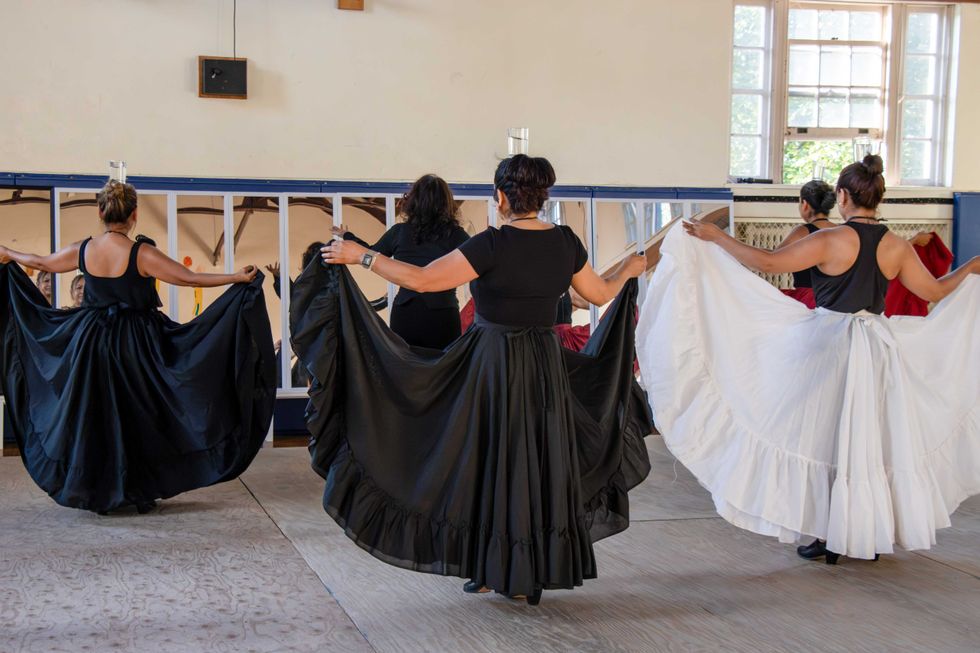
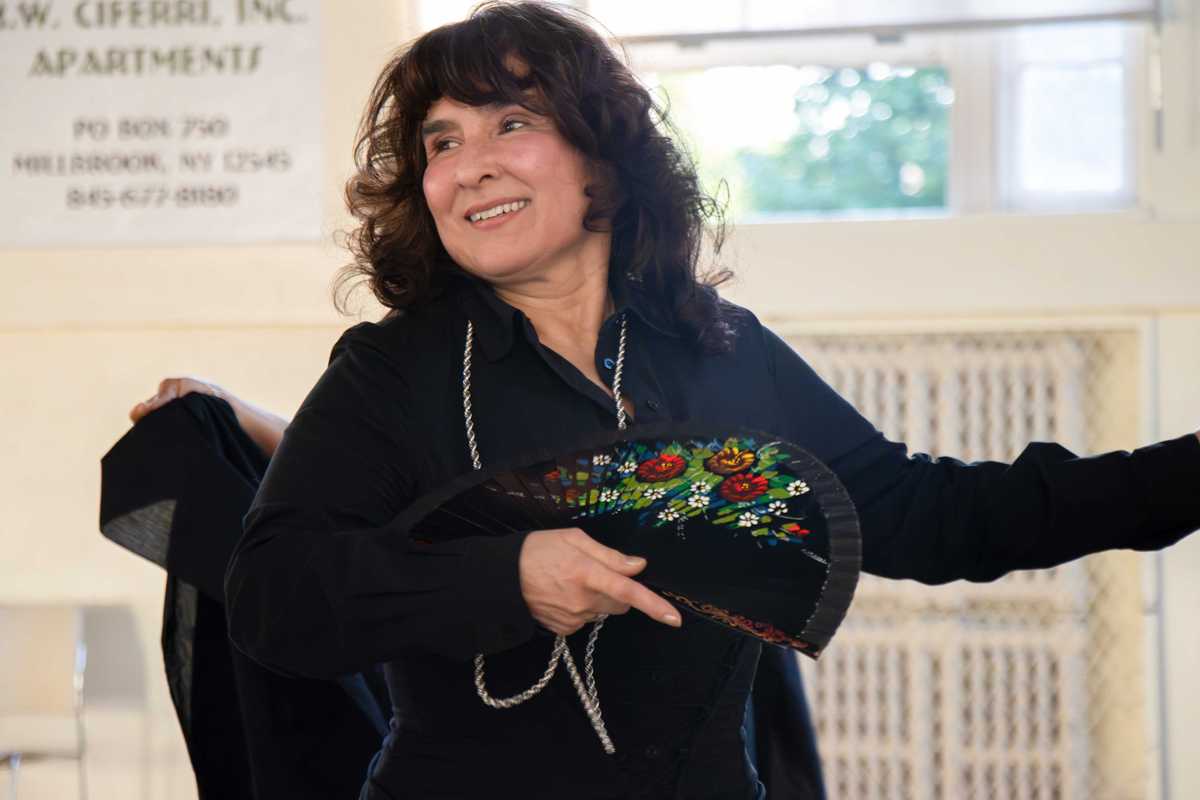
Karina Powers teaches traditional dances from Mexico in Millbrook.

Lucia Iandolo
This is an art and the arts unite nations.
—Karina Powers

Karina Powers began dancing at 4 years old. A professional dancer, singer, performer and Mexican folklore dance professor from Baja California, Mexico, she is the youngest of three sisters who were all involved in the arts. Powers now teaches traditional Mexican dances to adults through her company, Compañía De Danza Folklórica Regional Mexicana, in Millbrook. She said she has a strong passion for the history and art that exist within the dances she teaches, and she hopes to instill that passion in her students.

“Many of them have never danced this type of dance,” said Powers. “They’re from Mexico, but they came to the United States at a young age to work. They have that dream to learn, and now they have this opportunity.”

Keep ReadingShow less
Across generations at Litchfield Jazz Festival

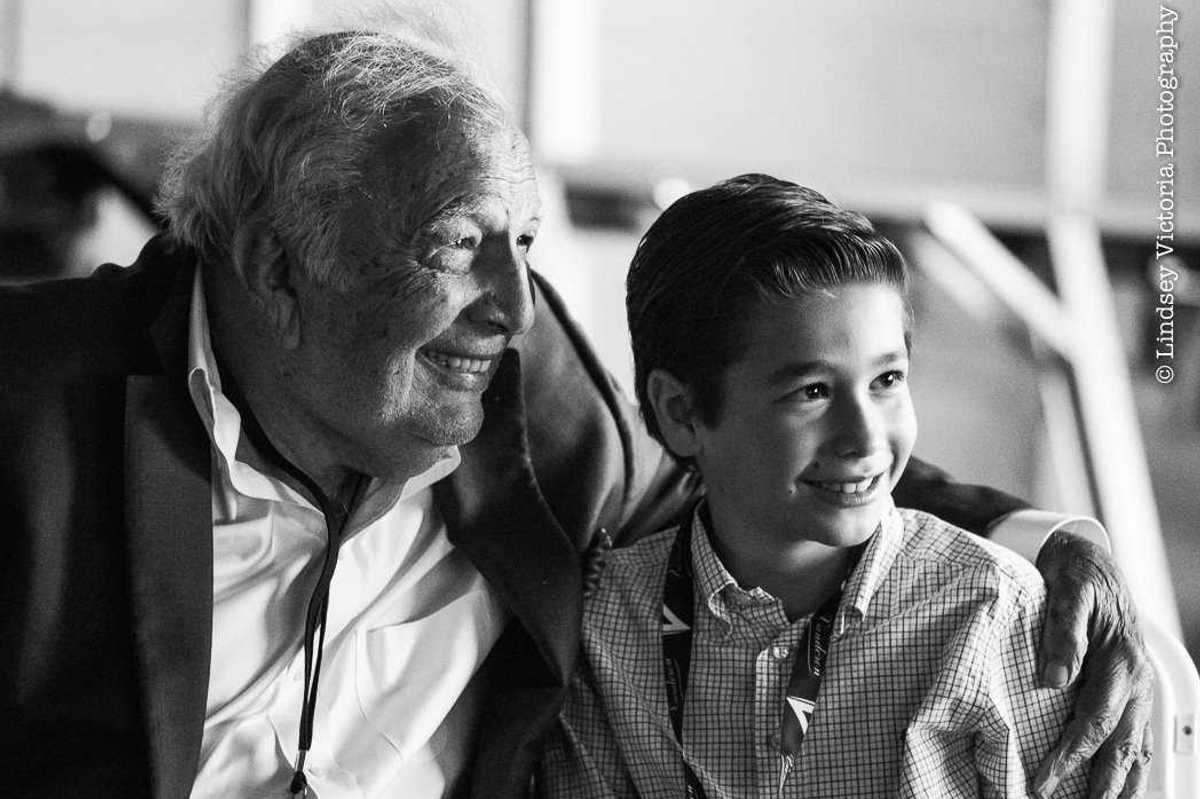
Bucky Pizzarelli and Brandon Goldberg at the Litchfield Jazz Festival in 2017.

Lindsey Victoria Photography

The Litchfield Jazz Festival opens its 2026 season on Friday, July 24, at the Frederick Gunn School in Washington, Connecticut. The evening will feature a gala and a concert led by saxophonist Don Braden featuring the Litchfield Jazz Fest Dectet.

The festival began in 1996 and has been going strong ever since. The list of past performers reads like a who’s who of modern jazz greats, including Christian McBride, Soulive, Joshua Redman, Dave Douglas, Brad Mehldau and John Scofield, all of whom helped revive the genre for a new generation of fans at the turn of the millennium. Vocalists like Diana Krall, Dionne Warwick and Dr. John have made appearances as well. And, of course, the festival has been graced by established masters like saxophonists Sonny Rollins and Wayne Shorter; guitarist Bucky Pizzarelli; bassist Rufus Reid; drummers Roy Haynes and Tito Puente; the Preservation Hall Jazz Band; and pianists Dave Brubeck and local legend Ahmad Jamal.

Keep ReadingShow less
google preferred source

Want more of our stories on Google? Click here to make us a Preferred Source.
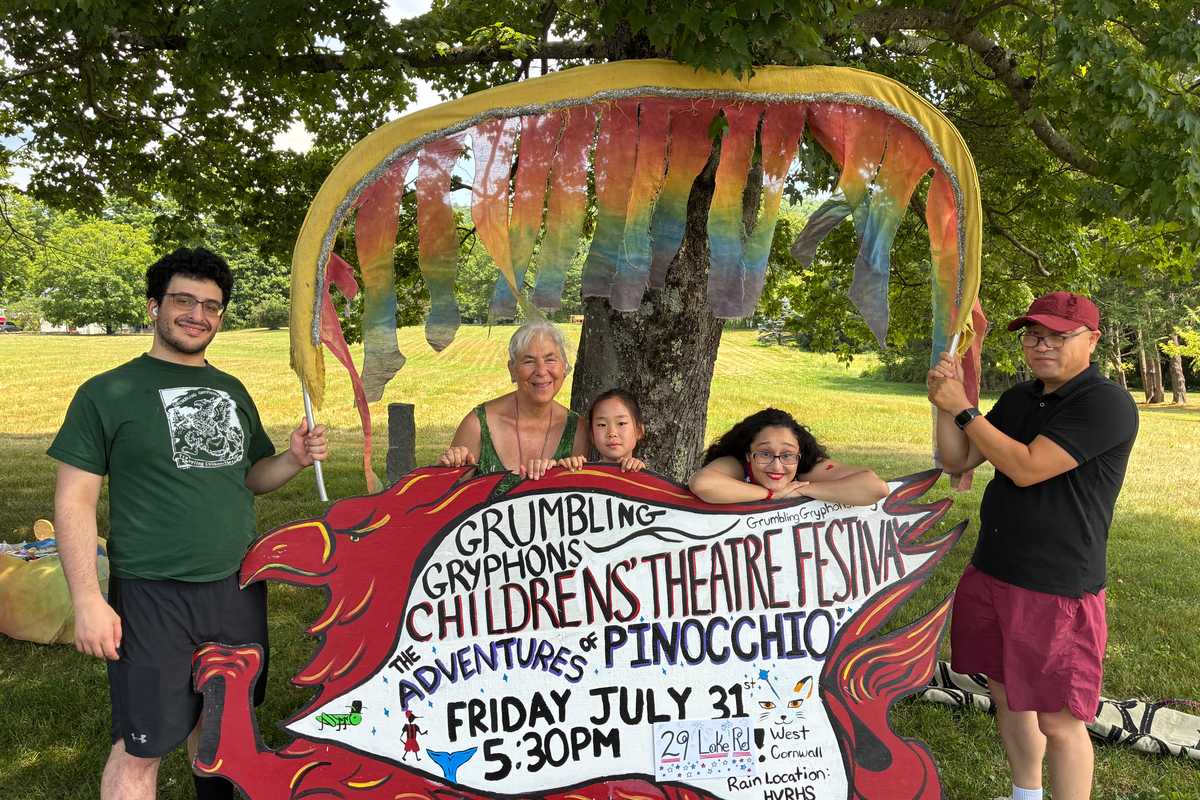
No grumbling here: Children’s theater camp returns

Danny Saed, assistant director of “Pinocchio”; his mother and co-founder of Grumbling Gryphons Leslie Elias; theater arts camper Joyce Sun; artist and counselor Natalie Resto; and Steven Sun, Joyce Sun’s father.

Jack Sheedy

Leslie Elias wants you to understand something about the group she calls Grumbling Gryphons Traveling Children’s Theater: “I like to say that we try not to grumble.”

For 46 years, she has used the nonprofit to educate and entertain children in the performing arts. Summer after summer, young campers learn about acting, singing, mask-making, costume-making and scenery painting. This year, as in years past, a five-day theater arts camp will culminate in a live performance of one of Elias’ original plays, guaranteed, she hopes, to quell all grumbling.

Keep ReadingShow less

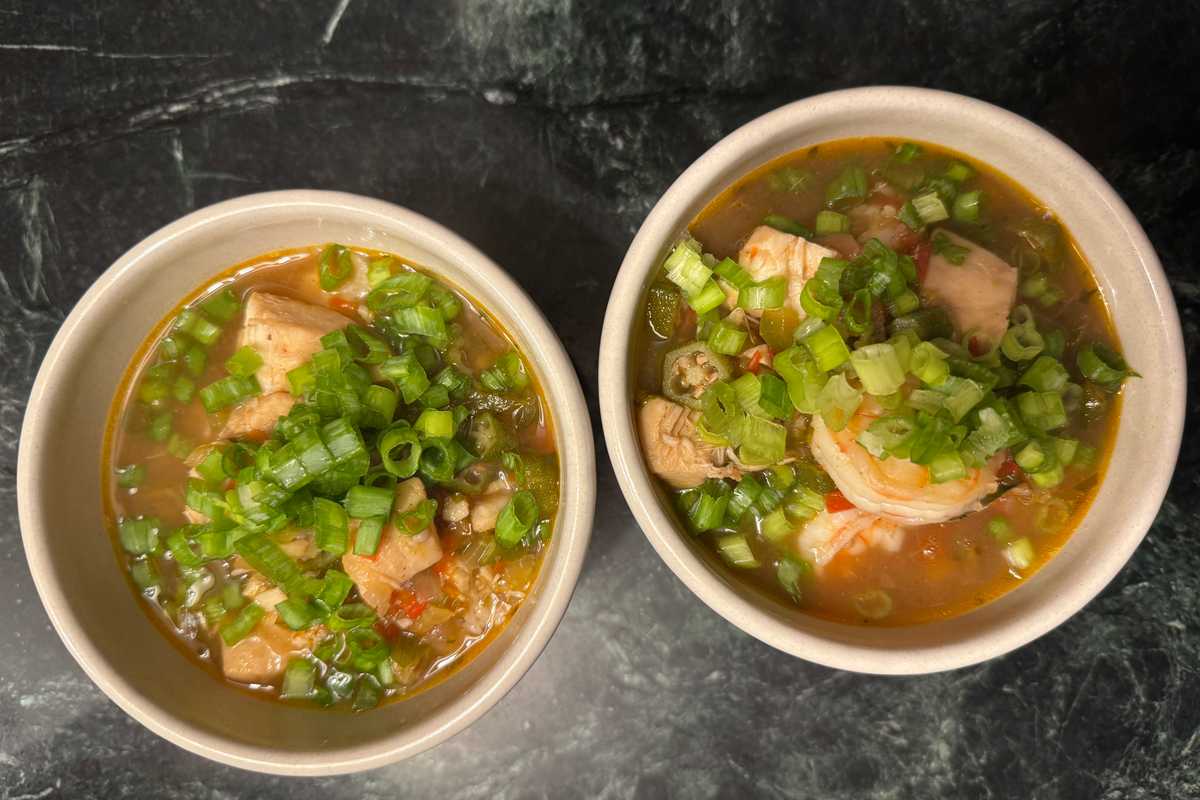
Sea bass and shrimp gumbo

Sea bass and shrimp gumbo

Sea bass and shrimp gumbo

Bobby Graham

Each month, Dugazon owners Bobby Graham and Matthew Marden share a recipe inspired by the traditions, stories and sense of welcome at the heart of their shop in Sharon, Connecticut. Visit Dugazon at 19 W. Main St. Wednesday-Sunday, 11 a.m. to 5 p.m. and online at dugazonshop.com.

This month we’re sharing one of our favorite comfort foods: sea bass and shrimp gumbo. While gumbo has a reputation for being a labor of love, this version skips the traditional roux, making it surprisingly approachable. The ingredient list may seem long, but once everything is prepped, it comes together quickly, rewarding you with a rich, flavorful bowl that’s perfect any time of year. Many of the pantry staples you’ll need for this recipe can be found right here at Dugazon.

Keep ReadingShow less
Sweet Petunia: a benefit to support Random Harvest

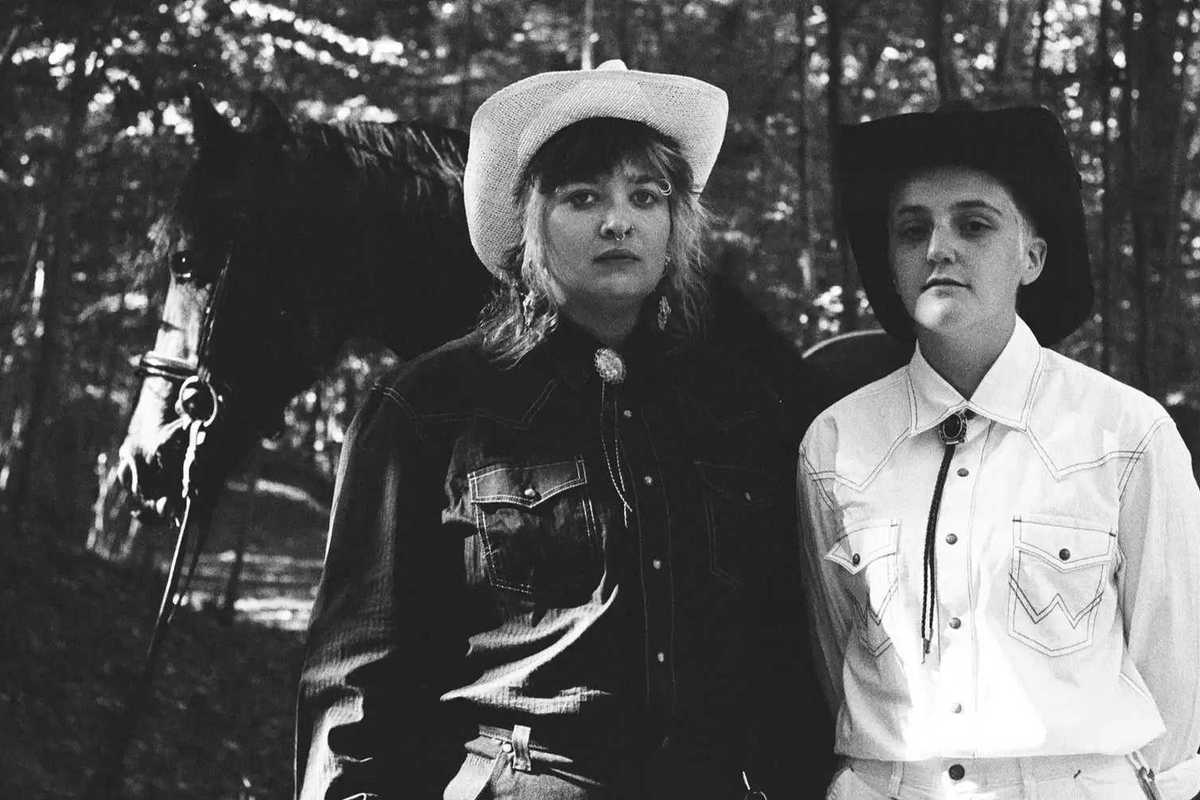
Alt folk duo Sweet Petunia to perform a benefit at Random Harvest on Saturday, July 25.

Provided

On Saturday, July 25, Americana/Alt Folk duo Sweet Petunia will perform at Random Harvest in Craryville, a worker-owned market, café and community space that supports farmers and brings people together through locally sourced food. The concert comes just months after the fatal two-vehicle crash at the intersection of Route 23 and County Route 7 that devastated the hamlet, disrupted local businesses and left a lasting emotional impact on the community.

After the crash, Random Harvest remained open and committed to connecting people through food and community. Simpson said the duo looks forward to contributing to a healing experience through their music.

Keep ReadingShow less
google preferred source

Want more of our stories on Google? Click here to make us a Preferred Source.
google preferred source

Want more of our stories on Google? Click here to make us a Preferred Source.