CORNWALL — “Mayday� was the last radio transmission from the pilot of a single-engine plane Sunday. His coordinates at the time of the transmission were automatically received with the call and passed on to the search-and-rescue team assembling at the West Cornwall Firehouse.
They could only hope the plane had gone down not far from those vital coordinates. Their ace was a hand-held GPS tracking system — essentially an electronic compass guided by satellite — that would lead them to the spot, a faster and more reliable method than maps and compasses. The steep mountainside off Route 7 at the south end of town would present enough of a challenge.
Less than two hours later, the badly injured pilot was brought out of the woods on a stretcher and strapped to the back of an ATV, his chances of survival greatly increased. His rescuers, a group made up primarily of youngsters, could smile: It was a job well-done — and it was only a drill.
Members of the Junior Cornwall Volunteer Fire Department had just had a good taste of what firefighters and EMTs go through on a regular basis: training.
Longtime volunteers on the scene said a plane has never gone down in Cornwall on their watch. But the idea here is to be ready for anything. Coming back down the mountain, the team noticed planes regularly passing overhead.
Training officer Jim Vanicky fired lots of “what ifs.�
“What if it had been a 747 that came down? Where would you get more ambulances from? Are there power lines near the crash site? Do you need the power company to respond? Are you going to need food brought in for survivors and rescuers?�
The questions are endless. Practicing presents real scenarios with real questions. The need is for constant assessment and reassessment.
“You don’t want to waste time bringing up equipment you don’t need,� is among the advice Vanicky doles out.
With GPS systems a major focus of the drill, adult volunteers learned just as much as the kids. EMTs Joyce Hart and Patience Lindholm peered intently over the juniors’ shoulders as they worked the palm-sized electronic devices.
Not that this group of youngsters spends a lot of time scanning tunes on iPods and texting on cell phones, but it’s that kind of natural understanding — or maybe lack of intimidation by electronics — that makes the GPS units putty in their young hands.
Ian Ridgway impressed the crew as he quickly figured out how to make the device work, during a crash course in GPS offered at the scene by Todd Zendzian, a resident of Avon. Lauren Kosciusko also manned a GPS tracker. Zendzian warned that it would point them to the coordinates via a straight line — that is, as the crow flies rather than as the roads are laid out.
The crew had to climb up a hillside and over a stone wall, cross another hillside field and find a way through thick brush in the woods. There is no straight line when tracking on the ground.
They also learned skills such as mapping significant land features (like a cliff to be aware of on the way back down), which can be especially useful after sunset.
After a few false starts into the woods, the group split up. Soon, Jonah Whiteside was radioing that they had seen crash debris. The pilot was found near the red tail section. Elizabeth Ridgway radioed that the pilot was conscious, with a broken arm and ribs, but with an altered mental status. She radioed for a stretcher while Jonah and Ian climbed farther up the mountain to confirm the plane’s registration number.
ATVs were put into action, hurrying a stretcher up the mountain as the pilot went into shock.
In a real crash, the Federal Aviation Adminstration would be headed for the site to investigate. After this drill was over, however, Vanicky headed back up to retrieve the “plane parts,� before someone mistook them for real crash debris.
He had made them out of plastic and sections of drainage pipe, and divulged before the drill that they had undergone some last-minute modifications.
“I was driving them to the site in the back of my truck when the rope snapped. One section fell into the road. They got some real banging up,� he said.



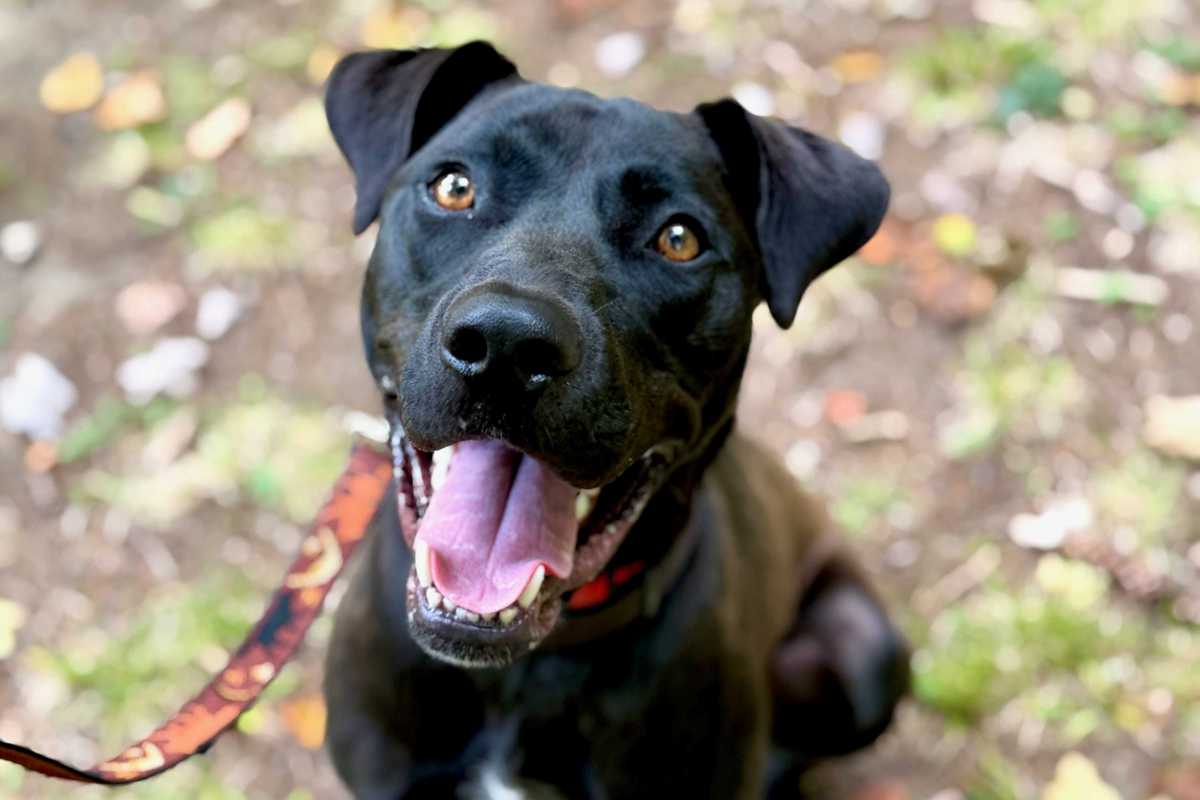
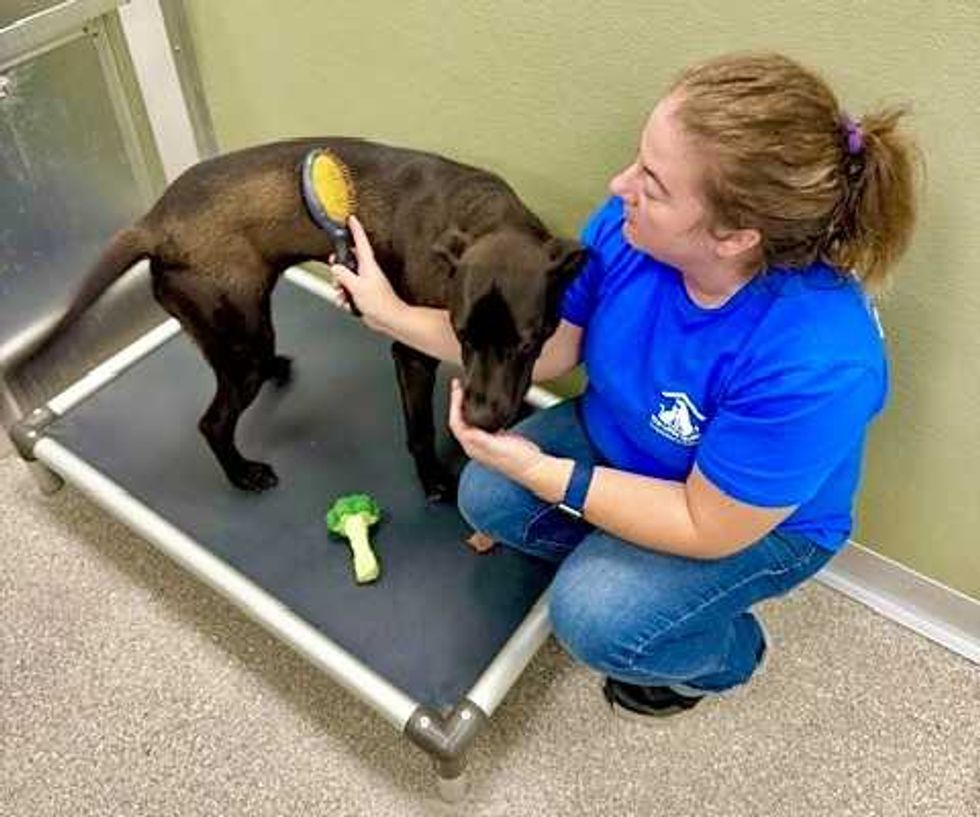 Tiffany Lemelin, shelter manager, brushing Marsala upon arrival.Provided
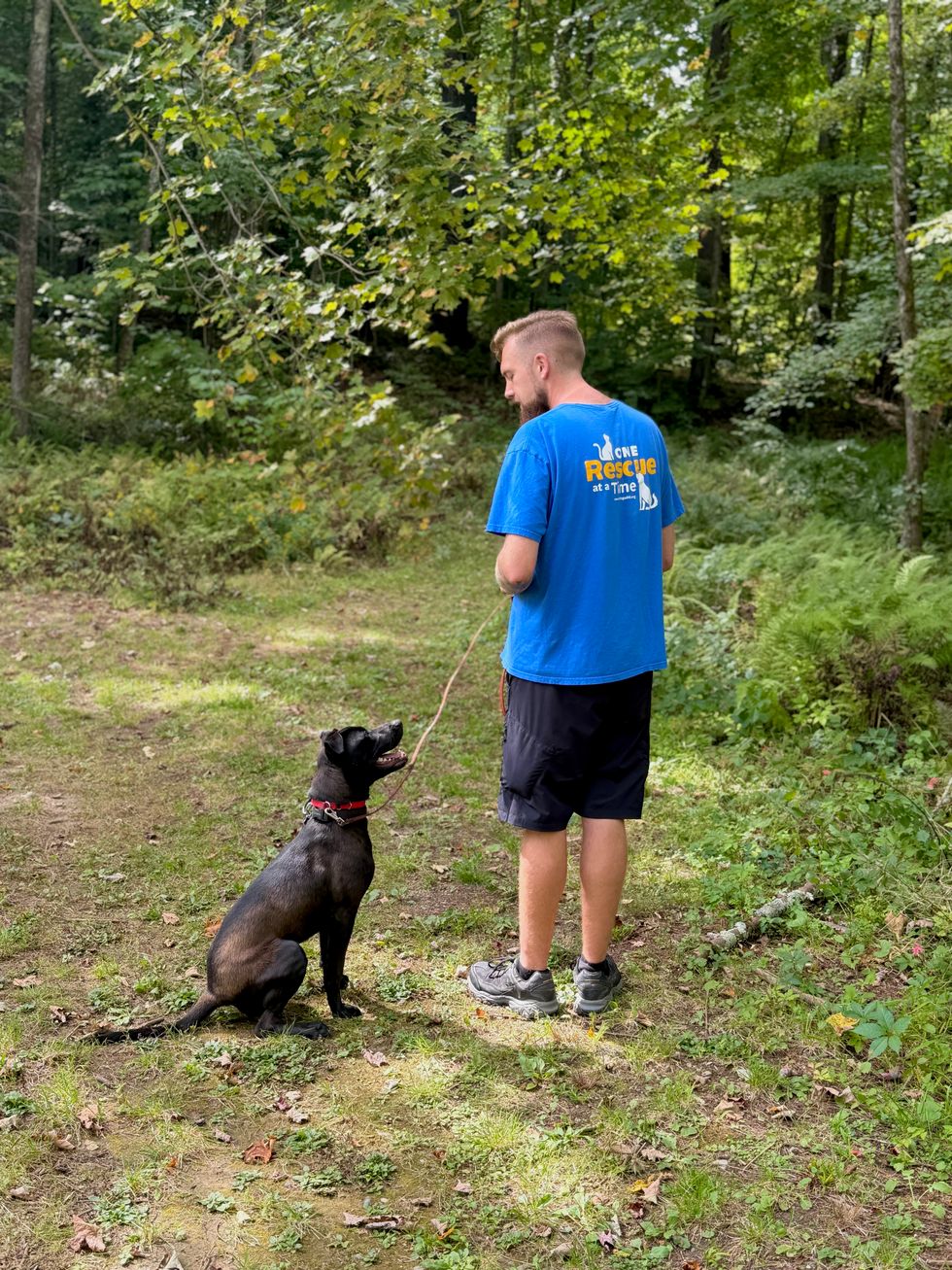 Michael DeBarba, certified dog trainer working with Marsala.Jennifer Almquist
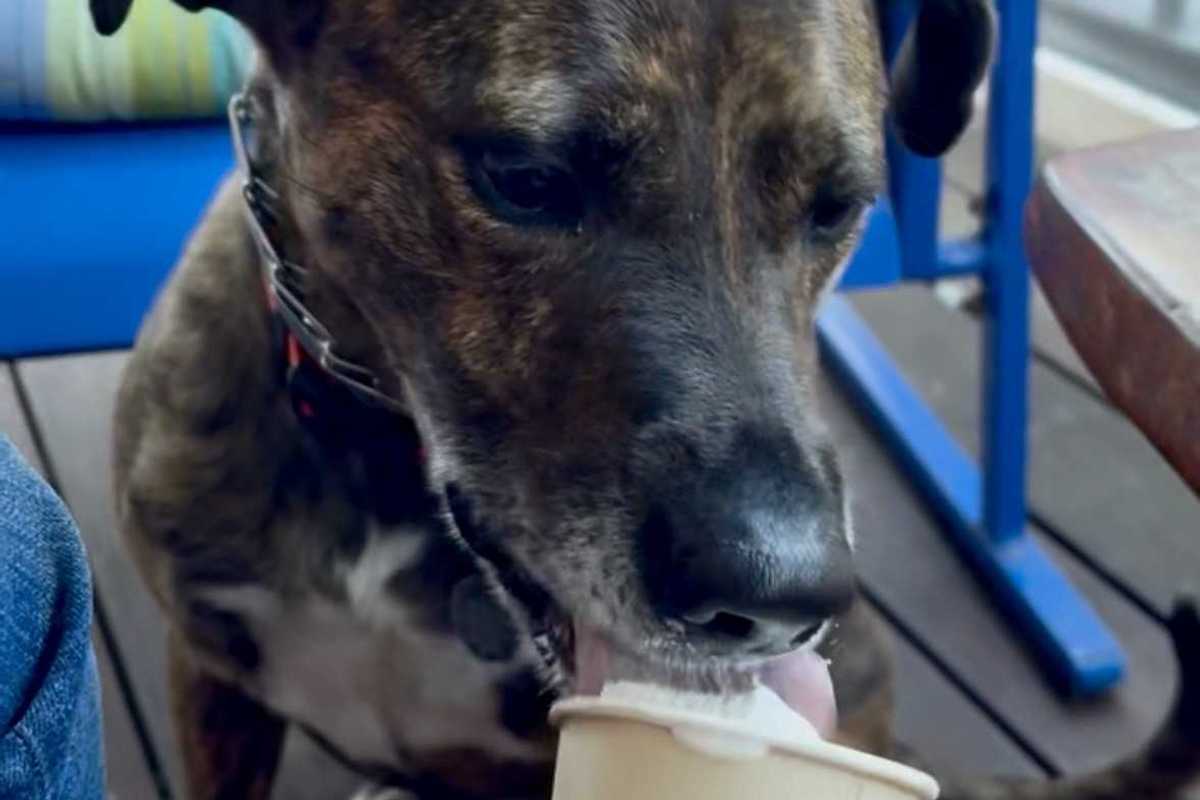
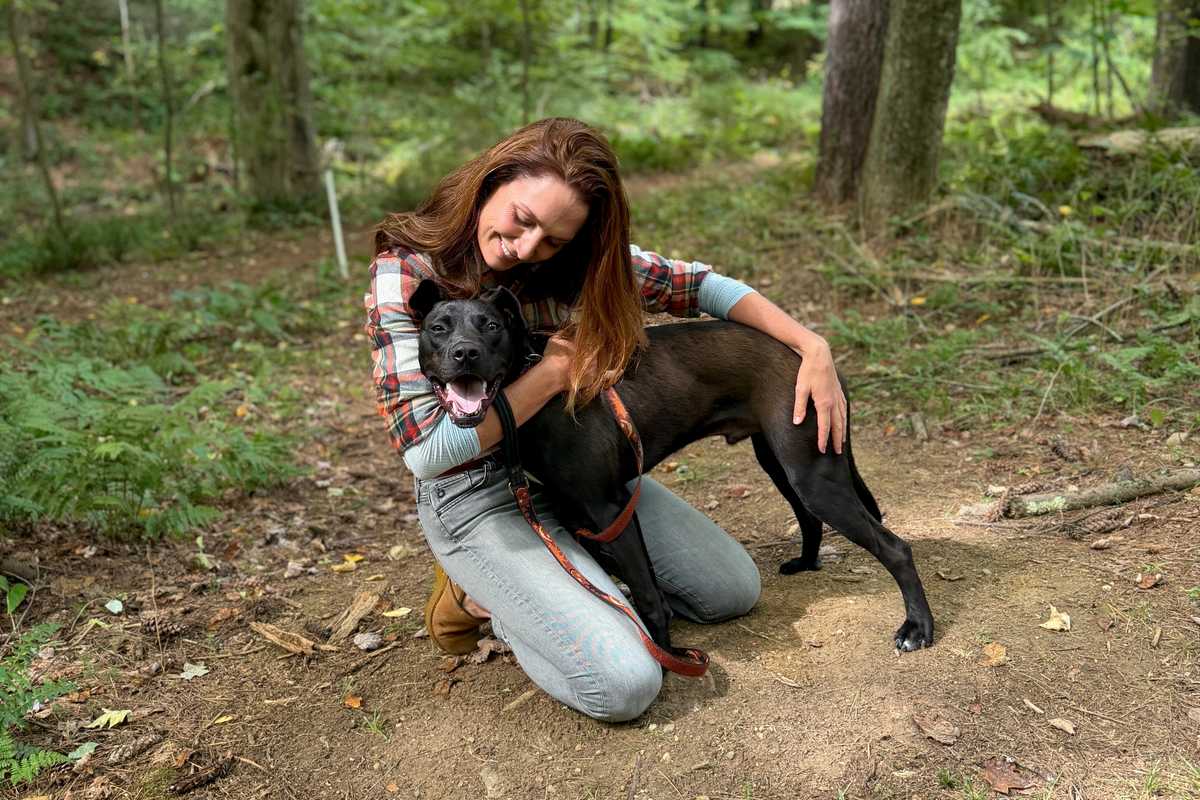 Marsala wins a heart.Jennifer Almquist