I am pleased to report that my attorney, Thomas Gallucio of Reston, Va., successfully caught and released several fish during a recent visit.
Thos has been my most disappointing student over the decades. But he’s a stubborn fellow, and I couldn’t help noticing that he has somehow ironed out the fatal kinks in his fly-casting.
He developed new ones instead.
The first triumph was a giant, man-eating perch. Playing this leviathan into the canoe was an epic struggle of at least 30 seconds. Man vs. wild animal. Who will prevail?
The perch went this way. Thos, face set with determination, hung on to his rod. The perch went that way. Thos, face set with still more determination, continued to hang on.
Finally, the mighty struggle came to an end. The ferocious perch was corralled, admired, photographed and released.
Thos also connected with largemouth bass and had a double perch haul when I decided he was ready for a two-fly rig.
Many of these triumphs came courtesy of the mop fly.
The mop fly is exactly what it sounds like: a piece of fabric somewhere between chenille and terrycloth, clipped from the head of one of those mops you’d use on a boat or in a commercial kitchen.
In its most basic form, the mop piece is attached to the hook with super glue, and doesn’t stay attached very long.
The more sophisticated versions are tied to the hook, with some hackle perhaps, and maybe with a bead head.
They come in loud colors —Alarming Yellow, Blaze Orange, Look Out for That Highway Worker Green.
The fly-fishing world is divided over this innovation. Traditionalists sniff with disdain at this bourgeois interloper. Less rigid anglers reason that the mop fly still has to be attached to a line and leader and cast with a fly rod in the right spot, and besides, they said the same thing about the Woolly Bugger.
I am in the latter camp, and have discovered over the last few months that freshwater fish of all kinds are perfectly happy to take a well-presented mop fly.
Some of them will also take a poorly presented mop fly. I’m looking at you, Mr. Bluegill, and you too, Mr. Brook Trout.
uuu
I have written before about Euro-nymphing, the style of fishing of three nymphs at once with a long leader and no line on the water, with a long rod.
I have taken this one step further — to Euro-mopping.
This is also exactly what it sounds like: three mop flies, fished together.
I put an unweighted one on top, and two beadhead mops in the middle and bottom.
Is Euro-mopping goofy? Yep. Does it work? Yep. Will I deny it if accused? You betcha.
(For extra heresy, try Euro-mopping with a Tenkara rod.)
Last word: I caught a giant, man-eating pickerel the other day with a big saltwater fly. The brute overwhelmed the net.
As I approached the slavering jaws with the forceps to remove the fly, it glared and tried to bite me. I quickly weighed the pros and cons.
1. The fly cost $2.50.
2. The fish is trying to bite my finger off, and looks like it could make a respectable effort.
3. But the fly cost $2.50.
4. The pickerel’s jaws are longer than the forceps.
5. Stop snapping at me, I’m trying to think.
6. A trip to the emergency room will cost more than $2.50.
uuu
After this careful and, I might add, lightning-fast analysis, I cut the leader and released the pickerel, which slid off into the depths, pausing only to hurl threats over its shoulder and spit out the fly (which cost $2.50).
It’s probably a good thing Thos didn’t catch the pickerel. He’s still at the intermediate level.



 Tiffany Lemelin, shelter manager, brushing Marsala upon arrival.Provided
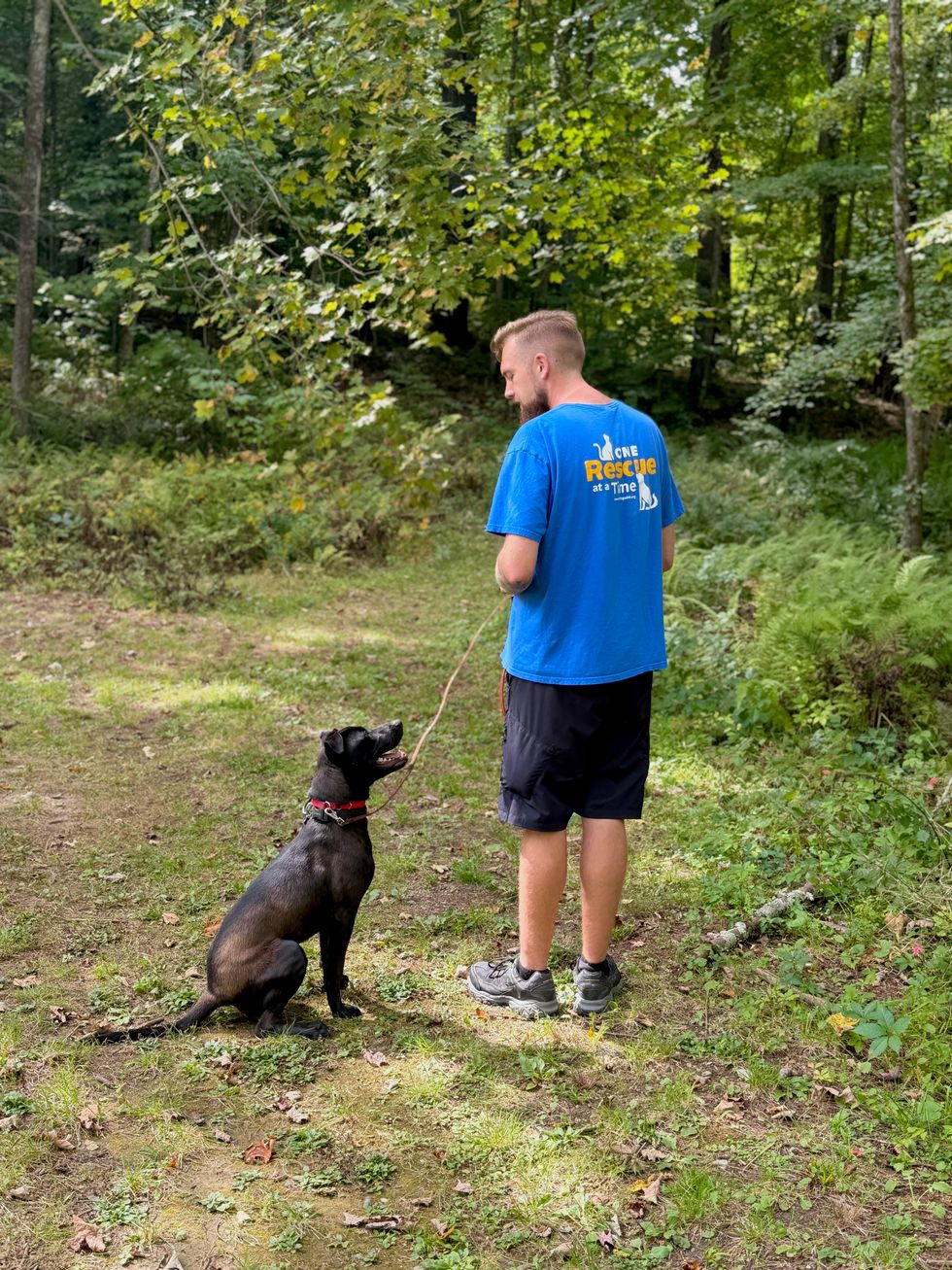 Michael DeBarba, certified dog trainer working with Marsala.Jennifer Almquist
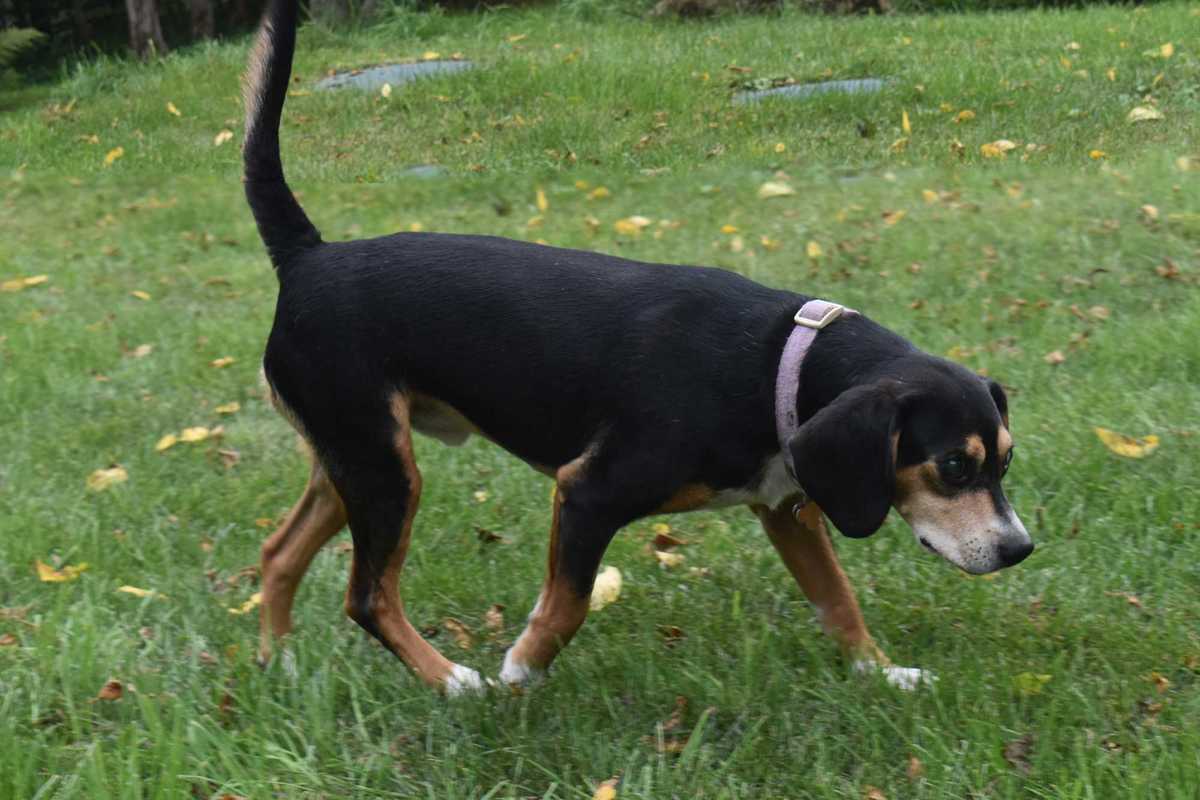
 Marsala wins a heart.Jennifer Almquist

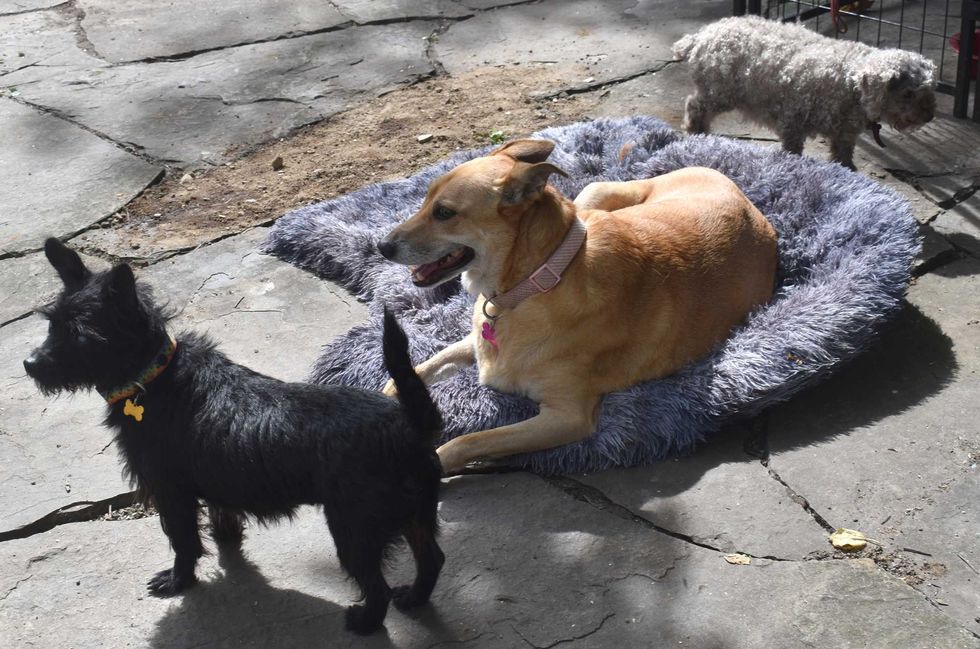 Sadie, center, a Carolina dog, plays with her friend Negra, a terrier mix. Bella Linda, the small poodle, has since been adopted.L. Tomaino
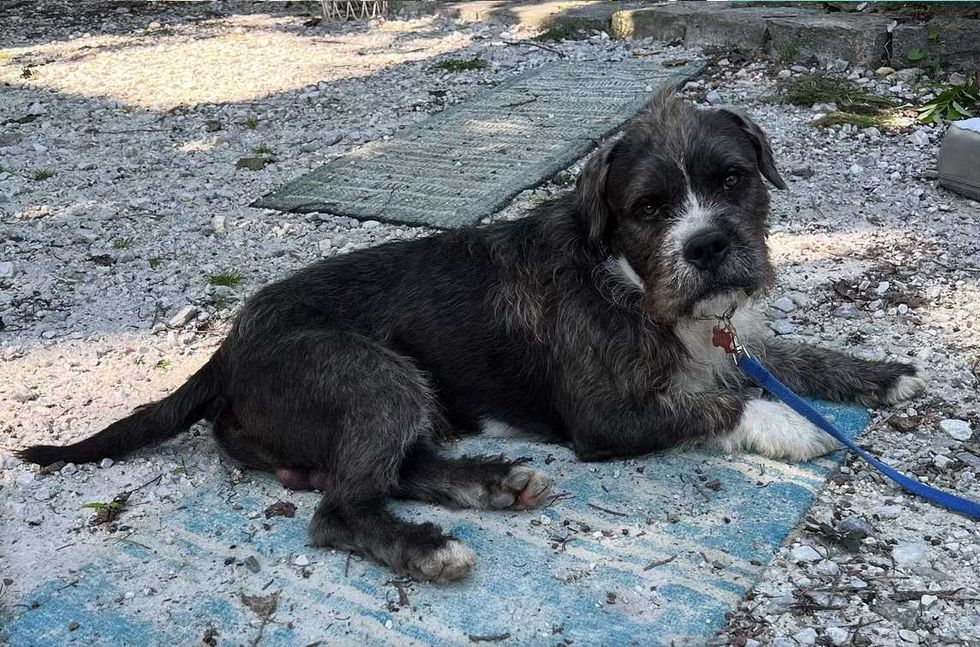 Wesley, a young, exuberant mix, is looking for an active home.L. Tomaino
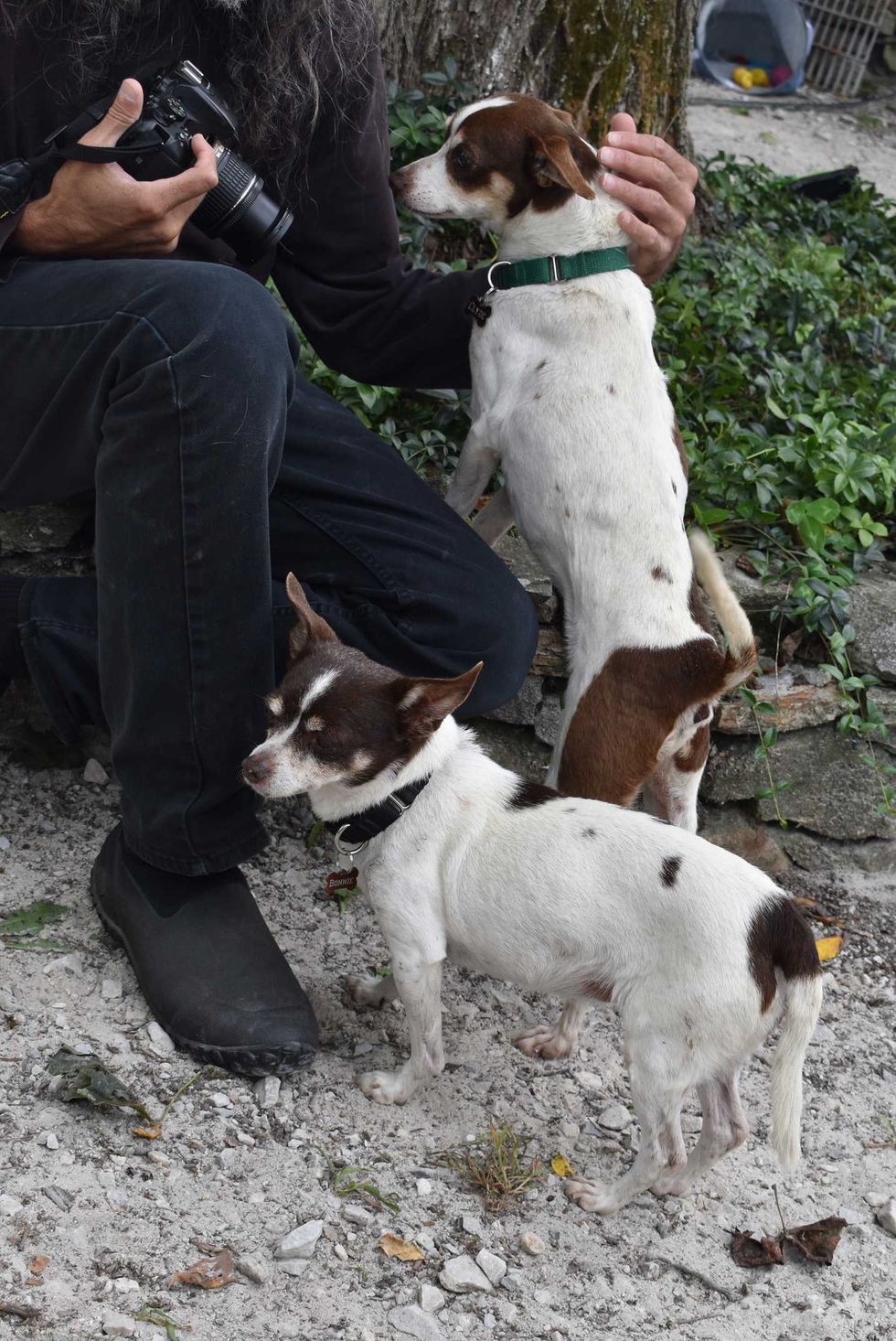 Bonnie and Clyde, an affectionate terrier pair.L. Tomaino


 Provided