GOSHEN —The world of words lost a great friend last week with the death of Madeleine L’Engle, the author of “A Wrinkle in Time,� a timeless work of fiction that literally was taken into space and has, for so many years, inspired young and old to look to the skies and beyond.
For those of us in Goshen, she was not so much a personal friend, as a friendly presence. Before she became ill, Madeleine could always be called upon by aspiring writers for advice. I’m a member of a writing group and she often held classes where she critiqued our efforts.
When our daughter, Sara, was studying at the Kent School she asked Madeleine if she would address the students. The world-famous author was on the stage in the school’s assembly hall in a time wrinkle.
She had an extraordinary memory for names. Before she had to leave her beloved Goshen farmstead, Crosswicks, before she was confined to the nursing home in Litchfield, she often was escorted by attendants to a nearby restaurant overlooking the Litchfield Green.
Folks she met would ask her tentatively, “Do you know who I am, Ms. L’Engle?� “Of course I do,� she would reply instantly and authoritatively.
It was certainly true in my case. I didn’t attend any of her writing classes, but in our early life in Goshen, my wife and I saw more of her and had dinner with her and her family, but she soon was spending more time in New York City.
At the end of last year, I was ensconced in the same nursing home for therapy after an operation. On the second or third day, there was a tumult outside my door. I limped to the corridor.
It was Madeleine L’Engle being pushed in her wheelchair to my room. “I want to see my very good friend, Barney Laschever,� she said in her authoritative voice. I couldn’t have been more flattered.
When Madeleine and her husband, Hugh Franklin, a well-known actor on afternoon shows, moved from New York to Goshen, she described it as a “village with more cows than people.� No longer true. When we moved to Goshen there were 31 active farms. Now there are only two. And if you want to see a cow, come to the Goshen Fair over Labor Day weekend.
Madeleine had a delicious sense of humor. In her official biography she writes that in Goshen her husband “brought a dead country store to life.� Hugh ran the store for nine years before returning to his acting career in New York and after that, around town, we loved what she said about Hugh’s time as a storekeeper: “It was his longest starring role.�
At the risk of sounding pompous, a risk I take too often, Madeleine and I had something else in common. She was the librarian for more than 30 years at the Cathedral of St. John the Divine. I have had a lifelong affair with libraries and books and presently am president of the Goshen Library Board of Directors and would love to have her advice on how to revitalize it!
The author of more than 60 books, she is best known around the world for “A Wrinkle in Time,� a sci-fi book that some say was the precursor of the Harry Potter books.
Madeleine once told National Public Radio that her inspiration for “A Wrinkle� was a phrase uttered by Einstein, “Anyone who is not lost in rapturous awe at the power and glory of the mind behind the universe is as good as a burned-out candle.�
Just after word of her death reached New York last weekend, and as the storm clouds gathered over the lake in Mt. Tom State Park, I hurried into my car to head for home. A female astronaut was being interviewed on National Public Radio. I don’t remember her name, but she said she had read “A Wrinkle in Time� as a very young girl, and kept rereading it. “It inspired me to become an astronaut and I carried her book with me into space,� she said.
Madeline, your “very good friend, Barney Laschever� is going to miss you. You lighted up the firmament.
— Barnett Laschever, Goshen
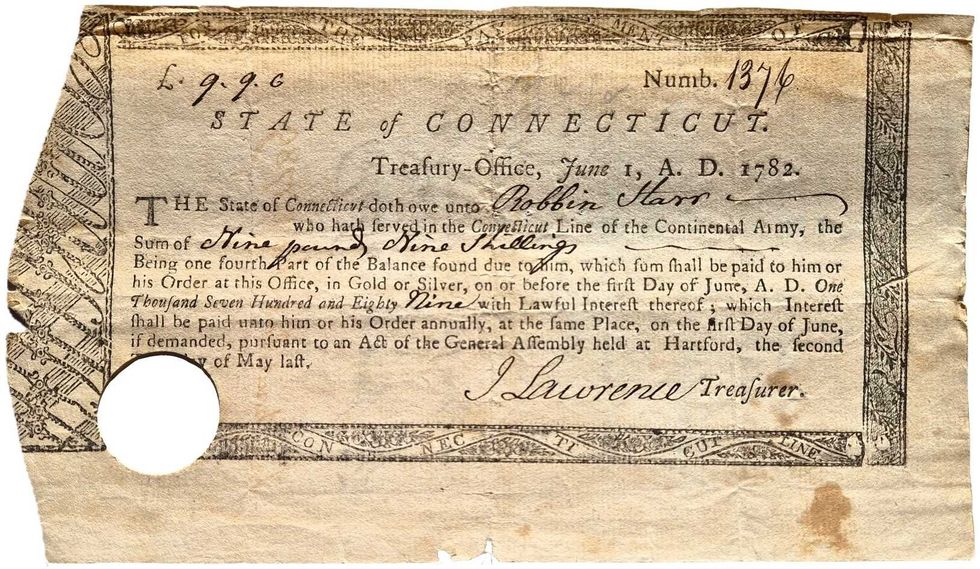 Pay Bill for Robin Starr’s service in the Continental Army.Courtesy the Alex Breanne Corporation
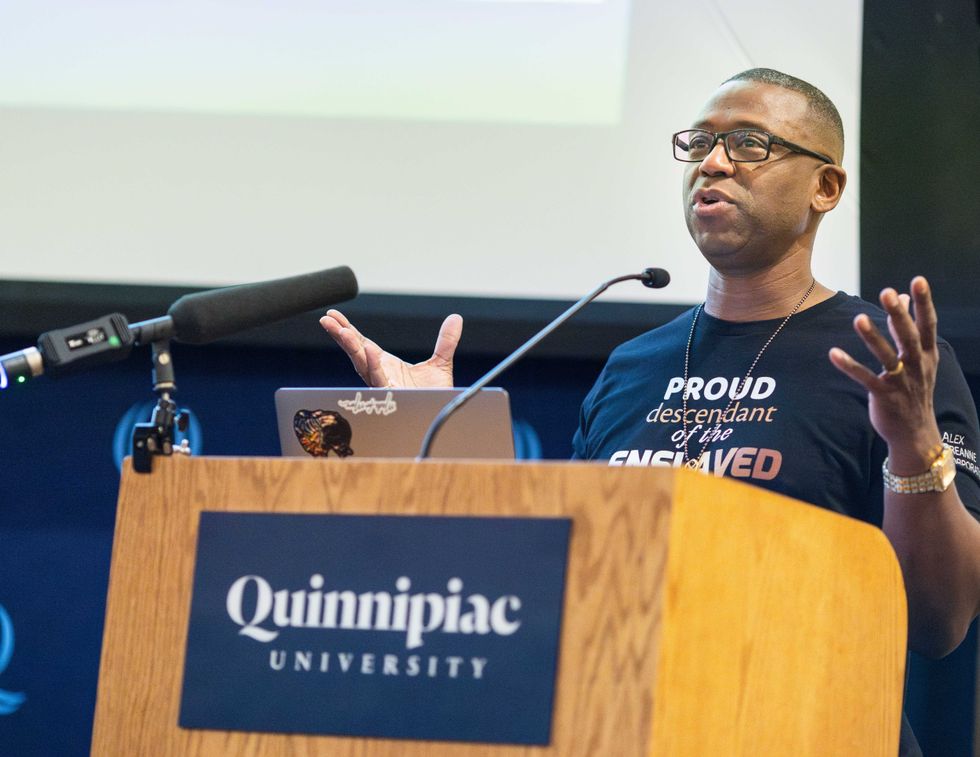 John Mills speaking at Quinnipiac University.Courtesy the Alex Breanne Corporation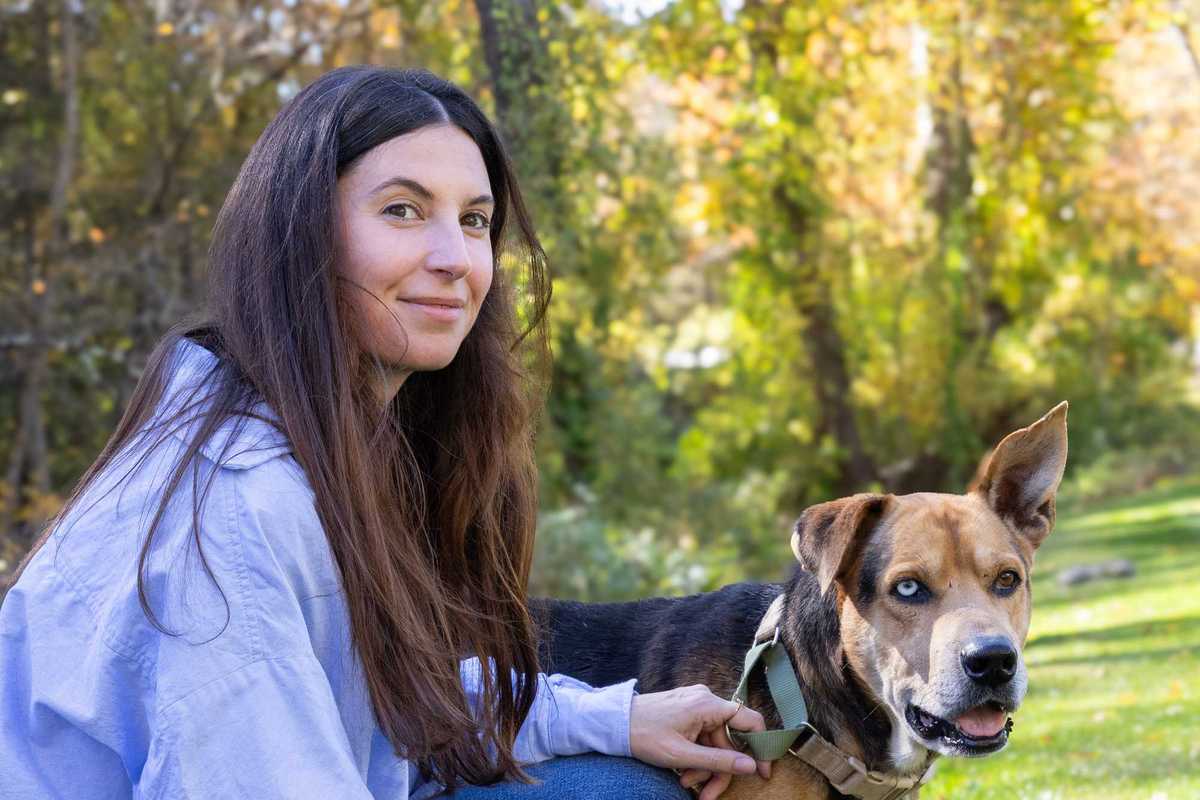
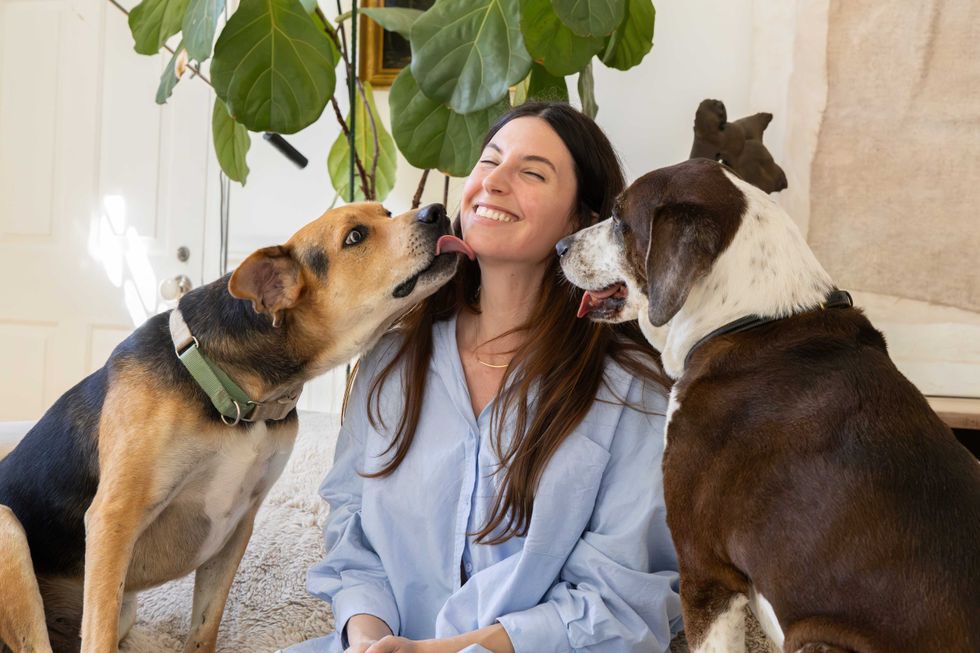 Stephanie Saetta,with her rescue dog George and Blue (left), a shepherd mix awaiting his forever home.Madi Long
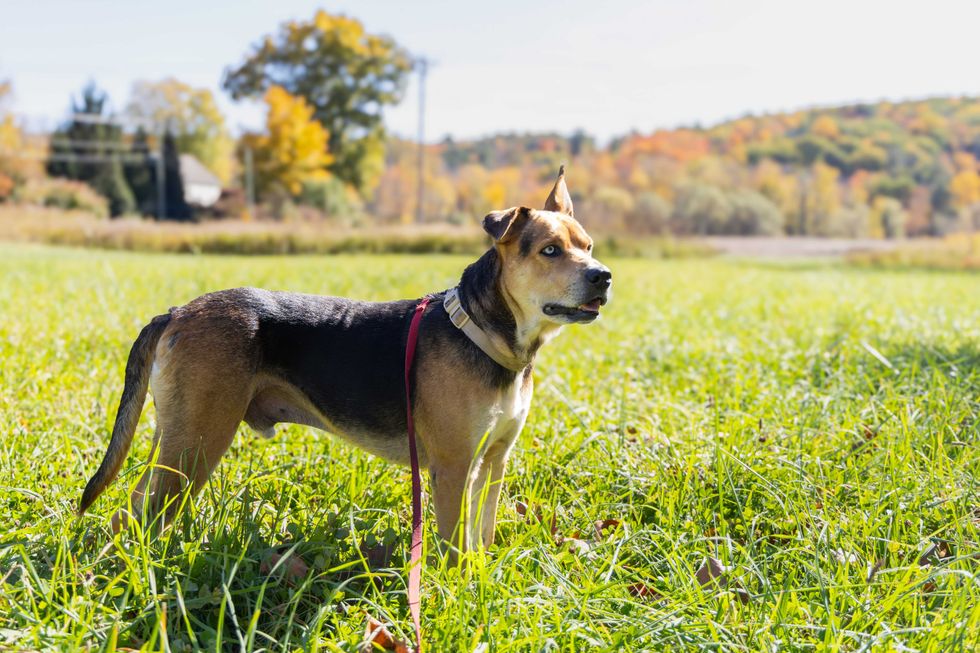 Blue, a 7 year-old Shepard mix, is waiting for his forever home. Madi Long