Now that Arizona has a law that requires cops to stop and detain anyone looking like an illegal immigrant and arrest those not carrying citizenship papers, what’s next, concentration camps?
We’ve done this sort of thing before. In the first half of the 20th century, more than 90 percent of Japanese immigrants settled in California and when the immigrants competed with whites for jobs in agriculture during the Depression, resentment boiled over.
There weren’t millions of illegal Japanese immigrants, only about 150,000 in the entire United States, but nearly all of them were on the West Coast. That the majority of them were Nisei, Japanese born in and citizens of the United States, didn’t matter when hysteria overtook judgment after the Japanese attack on Pearl Harbor.
Fears of Japanese spies and a Japanese attack on the West Coast prompted even the liberal Franklin Roosevelt to mindless action and he issued the infamous 1942 executive order that rounded up hundreds of Japanese and imprisoned them in isolated camps.
The Supreme Court upheld the internment as a necessary war measure but later ruled that U.S. citizens could not be detained without cause. Then, long after the war, in 1988, the Congress passed and President Ronald Reagan signed a legal apology for the internment outrage on behalf of the United States and blamed it on “prejudice, war hysteria and the failure of political leadership.â€
Arizona lacks only war hysteria as an excuse for the law signed last week by Gov. Jan Brewer, whose political leadership does not extend beyond her fear of a primary threat from the right.
The same malady has hit the state’s one-time conscience, Sen. John McCain, who is also being challenged by an anti-immigrant opponent. This challenge from the right moved the 2008 presidential candidate in that direction and he announced his support for the dreadful law just hours before the state Senate passed it on April 19. McCain has a serious challenger in the person of a radio talk show host and former Congressman who believes that same sex marriage could lead to marrying horses.
The governor is facing a threatened primary challenge from Joe Arpaio, the self-styled toughest sheriff in America and founder of Tent City, a county jail annex in the desert where inmates live in 110 degree heat over the so-far futile objections of the Justice Department and civil liberties groups.
But then, futile is the applicable word in the federal government’s failure to deal with the real crisis in illegal immigration. Like California in the Depression, but on a far grander scale, the West is being inundated by illegal immigrants, and Congress and two presidents, Bush and Obama, have so far failed to achieve badly needed immigration reform.
The conservative Arizona Republic, the state’s leading newspaper, had a good cry in the wilderness last week as it warned the governor not to sign the immigration bill that would result in “mounting divisiveness in a state that should be pulling together out of its economic hole.â€
The bill, wrote the newspaper, will cost the state in many ways, including “negative national media that includes biting satire and jaw-dropping characterizations of Arizona as land of backward people and oddball notions.†Notions like giving cops the authority to demand documents, which the west’s leading Catholic clergyman, Cardinal Roger Mahony of Los Angeles, likened to Nazism.
But let me point out we shouldn’t judge Arizona by this immigration law alone. There’s another that would require presidential candidates to prove their citizenship by producing birth certificates and a new gun law that allows anyone not already a convicted felon to carry a concealed weapon without the inconvenience of registration or a background check.
It’s a very strange state.
Dick Ahles is a retired journalist from Simsbury. E-mail him at dahles@hotmail.com.


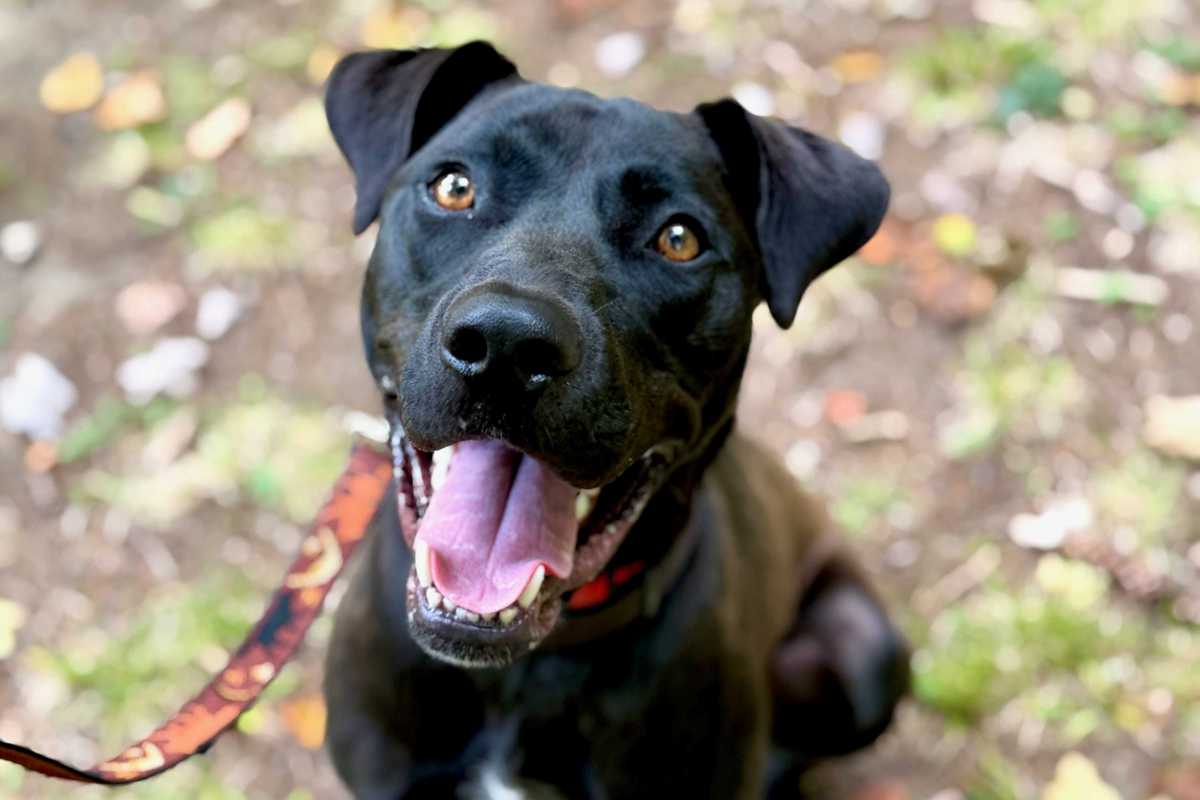
 Tiffany Lemelin, shelter manager, brushing Marsala upon arrival.Provided
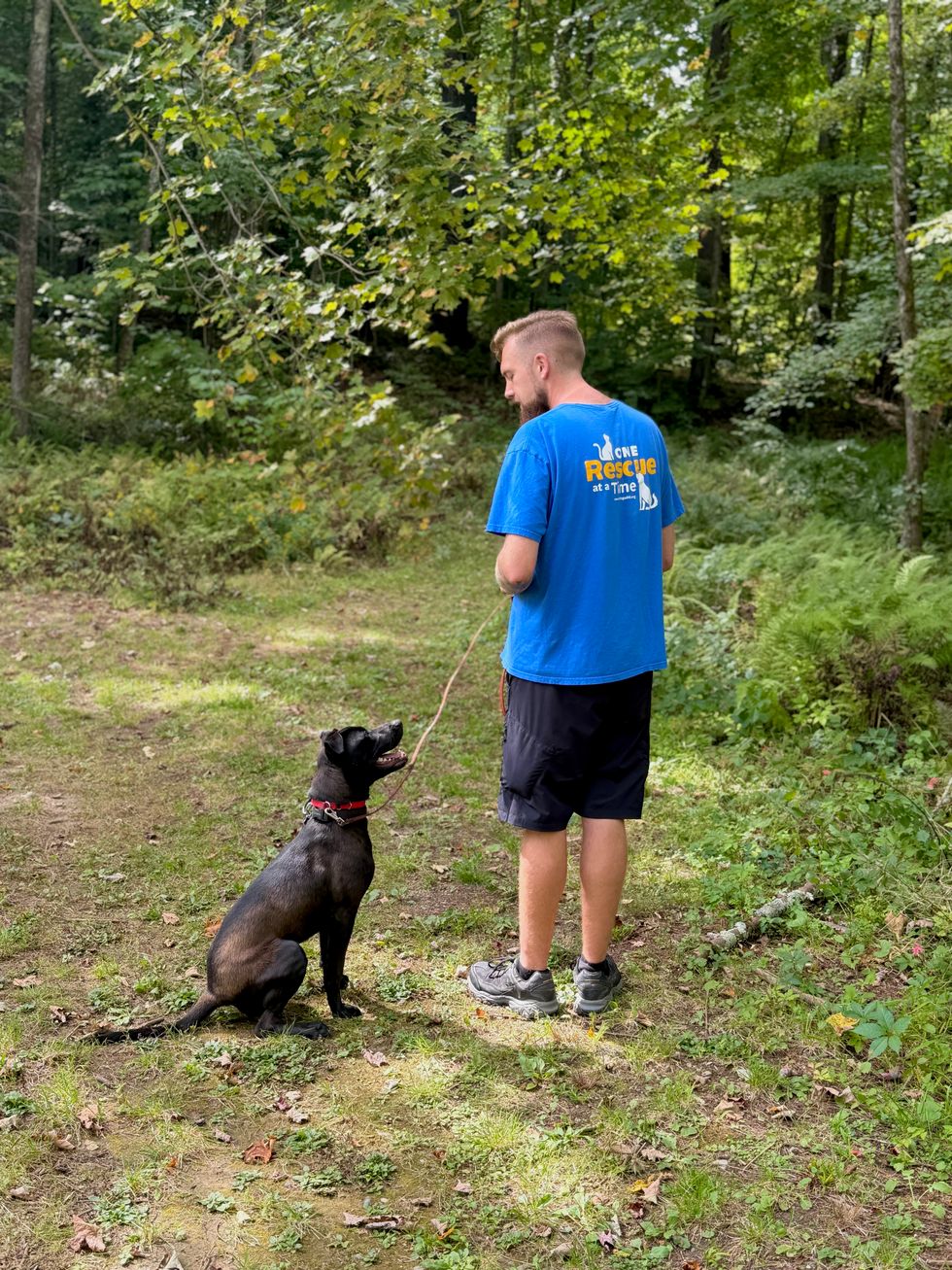 Michael DeBarba, certified dog trainer working with Marsala.Jennifer Almquist
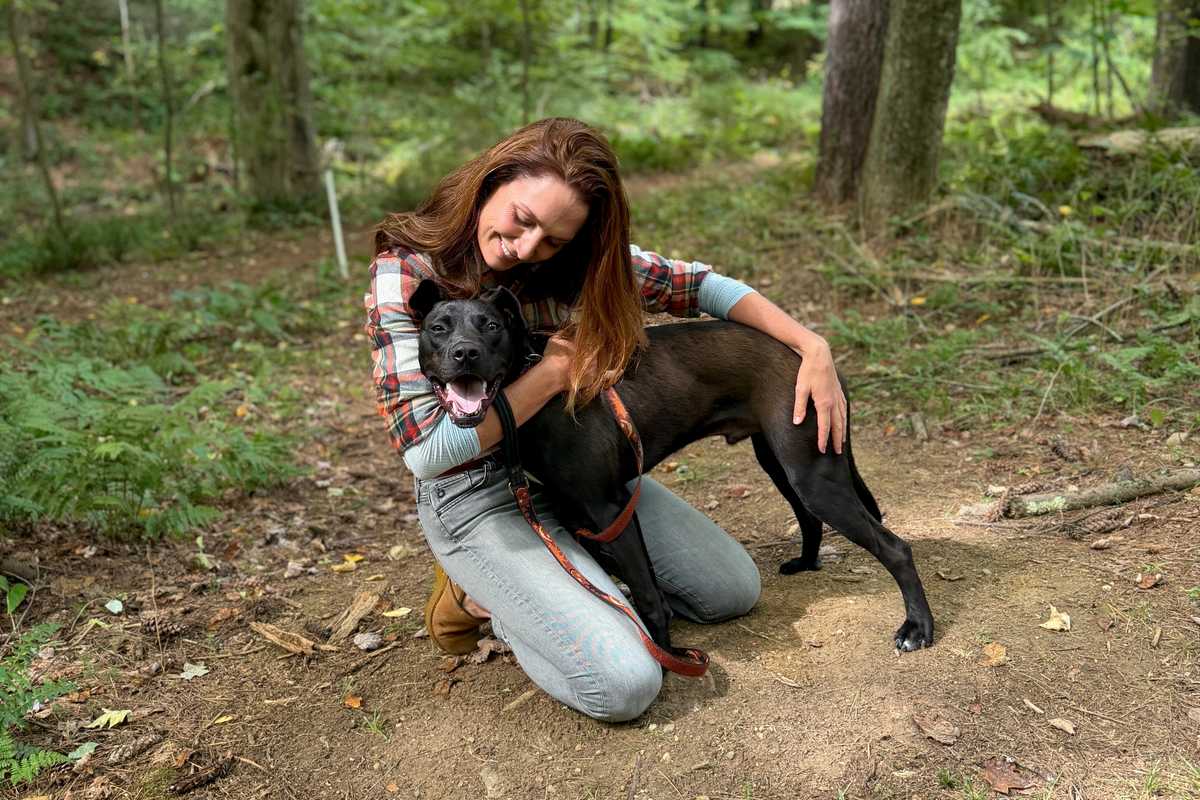 Marsala wins a heart.Jennifer Almquist
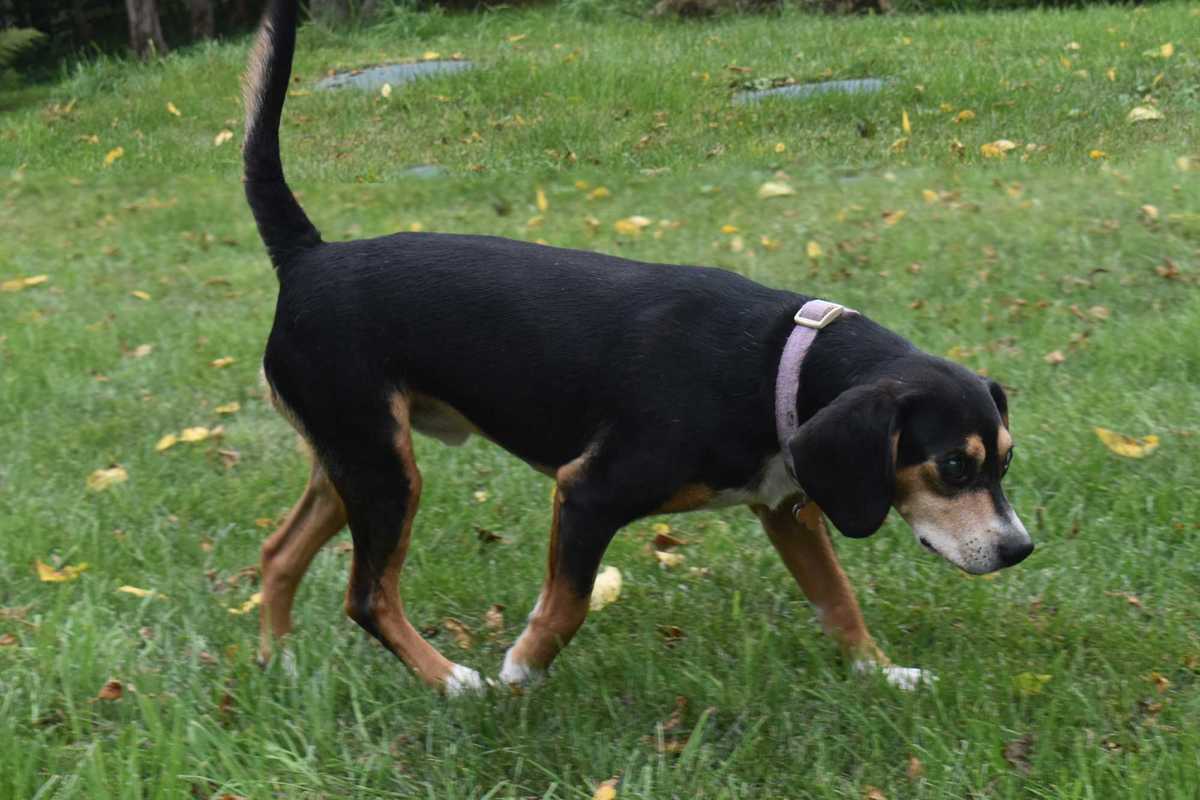
 Sadie, center, a Carolina dog, plays with her friend Negra, a terrier mix. Bella Linda, the small poodle, has since been adopted.L. Tomaino
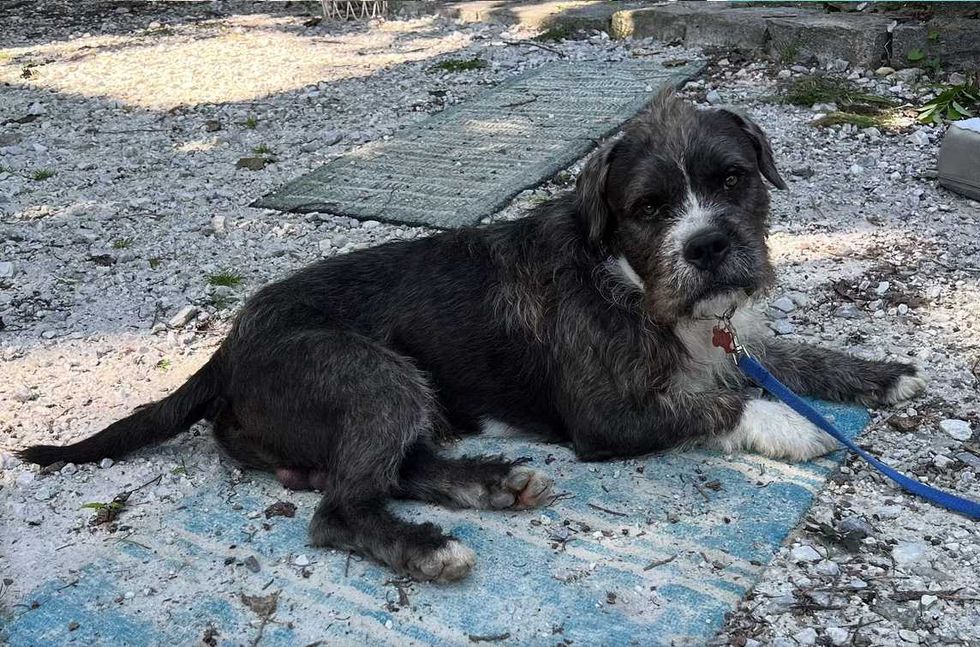 Wesley, a young, exuberant mix, is looking for an active home.L. Tomaino
 Bonnie and Clyde, an affectionate terrier pair.L. Tomaino

 Provided