SALISBURY — Boat trailers are beginning to line up at launches, docks are going back in, and the Northwest Corner’s lakes are stirring to life for another season. But beneath the surface, a quieter threat remains — one that lake leaders say is far from contained.
That threat is hydrilla, an invasive aquatic plant known for its rapid growth and ability to form thick underwater mats that choke waterways, disrupt ecosystems, and hinder boating, fishing and swimming.
As hydrilla continues to shadow the region’s waters nearly three years after its discovery at East Twin Lake, two local lake associations are pressing lawmakers to act on a pair of measures they say could determine whether the region stays ahead of the plant – or falls behind it.
The Twin Lakes Association (TLA) and the Lake Wononscopomuc Association, which rarely weigh in on legislation, are backing both a federal and state bill aimed at strengthening Connecticut’s ability to fund and respond to aquatic invasive species.
The push reflects lessons learned since June 2023, when the aggressive Connecticut River variant of hydrilla was first identified at East Twin Lake –the first confirmed detection of the invasive plant in a Connecticut lake – triggering an expensive, multi-year containment effort that continues today.
The legislation targets two critical gaps: consistent funding and faster response to new infestations.
“The Twin Lakes Association is not a political body and rarely weighs in on proposed laws,” said TLA President Grant Bogle. “But the Twin Lakes stand to benefit from passage of both bills, which address water quality and funding for removal of harmful plants.”
The federal bill would allow states to collect aquatic invasive species (AIS) fees alongside annual boat registration – a system that ended after a legal challenge. Since then, boaters have had to purchase a separate AIS stamp, a change lake groups say has reduced participation and weakened funding.
Bogle said the current system creates unnecessary friction and the pending boating bill makes sense by bundling fees.
“I am in favor of the state being able to add on a fee whereby boaters are required to pay more money to protect the lakes,” Bogle said. “We don’t invest enough in protecting lake recreation and ecosystems.”
The issue has drawn federal attention.
Sen. Richard Blumenthal (D-Conn) joined environmental advocates to request $5.5 million in federal funding to fight hydrilla in the Connecticut River.
The request, part of a fiscal year 2026 appropriations push, would support research, eradication and long-term management of the invasive species.
Blumenthal has led similar efforts since 2022, urging full federal funding for hydrilla research and testing as the plant’s footprint has expanded.
“It is a creepy, creepy monster of a plant, probably the most invasive aquatic plant in the world, and it has invaded Connecticut,” Blumenthal said. “It is a plague on the Connecticut River and also our lakes and streams.”
For Twin Lakes, those dollars are critical.
The association has received three $75,000 state grants for hydrilla treatment, part of an effort that has already cost hundreds of thousands and pushed its annual budget to about $500,000.
Reintegrating AIS fees into boat registration, advocates say, would simplify the process and provide more reliable, predictable funding for lakes across the state.
The Connecticut Federation of Lakes underscored that point in a recent newsletter:
“Reliable funding is essential if we are going to prevent the spread of invasive species, support early detection, and respond effectively when new infestations are found,” the group wrote.
At the same time, lake groups are backing a state-level proposal aimed at ensuring faster action when new outbreaks occur.
The bill — HB 5525 — would require the development of a “rapid and science-based” response framework to address hydrilla and other invasive aquatic species before they become entrenched.
Advocates say that kind of structure is essential.
Twin Lakes has been relatively fortunate, leaders say, in detecting the plant early and mounting an aggressive response backed by grants and private support. Even so, the battle is expected to continue for years.
“If we don’t do it, the lakes are going to be sitting ducks,” Bogle said.
The concern now is what happens elsewhere. Without a rapid-response system, new hydrilla infestations in lakes may go undetected and spread within and between lakes, often via boats and trailers.
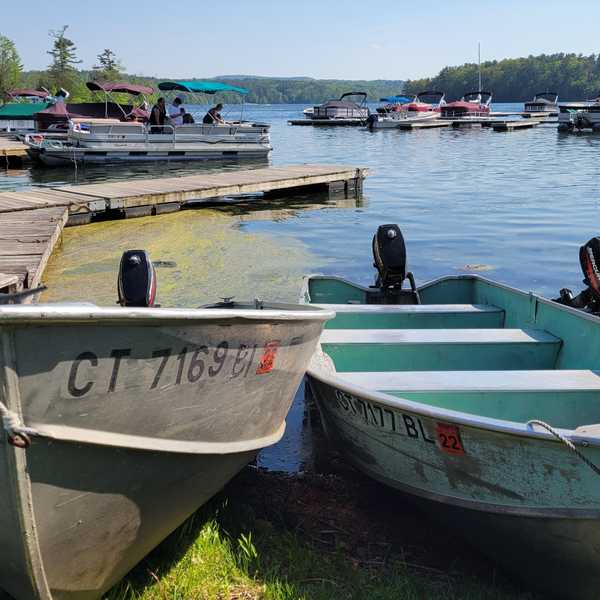
On Lake Wononscopomuc, also known as Lakeville Lake, where no hydrilla has been detected, prevention has already reshaped access.
The lake’s association has closed its boat launch to outside boaters since hydrilla was first discovered at East Twin — a precaution aimed at limiting the risk of introduction from contaminated watercraft.
“The Lake Wononscopomuc Association strongly supports both bills,” said Bill Littauer, the organization’s president. “We have registered our support with the relevant committees and urge our state representatives to support them. We regard the issues as essential to prevent the spread of hydrilla.”



 Pay Bill for Robin Starr’s service in the Continental Army.Courtesy the Alex Breanne Corporation
 John Mills speaking at Quinnipiac University.Courtesy the Alex Breanne Corporation
 Stephanie Saetta,with her rescue dog George and Blue (left), a shepherd mix awaiting his forever home.Madi Long
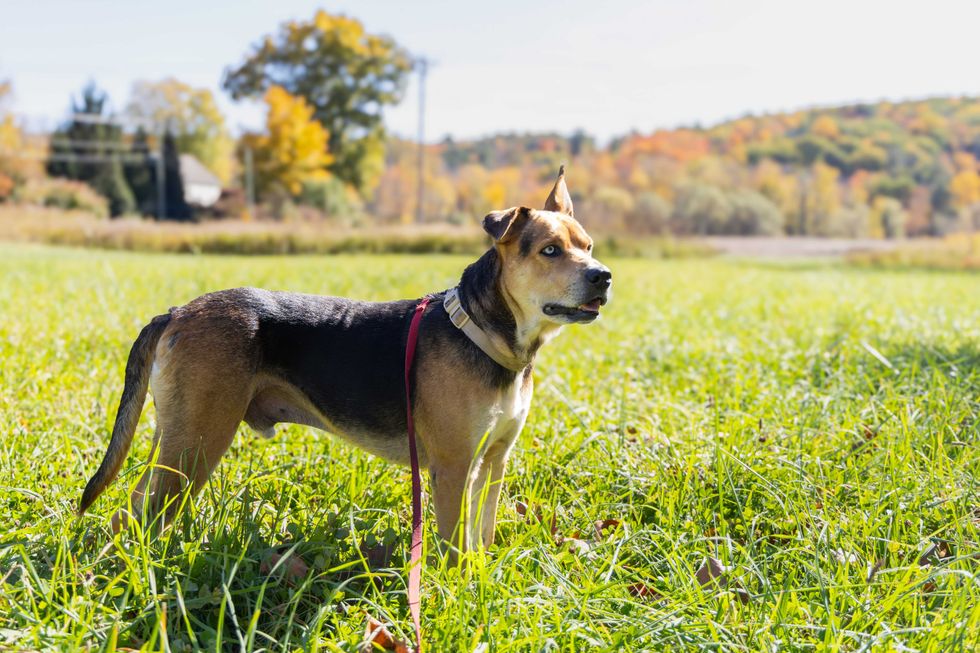 Blue, a 7 year-old Shepard mix, is waiting for his forever home. Madi Long