Thank you!
Your support is sustaining the future of local news in our communities.

The big lie …

Getting into college is not meant to be easy. It’s supposed to challenge our children, have them step up to the plate and deliver on academic accomplishments, likely supported by extra-curricular activities and athletic prowess. It’s a highly selective process — one that should encourage our young students to pursue that which might be difficult but is always rewarding. They should, after being admitted to their college of choice, feel proud of what they have accomplished. And for those who don’t get into their first- or second-choice schools, they should do their best wherever they wind up — and maybe improve their grades and achieve their goals with the next round of admissions.

College admission should not, under any circumstances, be granted to those with only the wealth and privilege to pay for it. Fair play demands that students are evaluated on their successes, in the classroom and on the field, certainly, but also as young men and women about to embark on a journey. They should be rewarded for being bright and hardworking, for doing their due diligence to get into an institution of higher learning and for earning their way in legitimately.

To see what happened last week, when dozens of people involved in what the United States Attorney’s Office called “a nationwide conspiracy” of cheating on college entrance exams and the admission of students to elite universities, is disconcerting, to say the least. Federal agents in multiple states justly arrested those involved in the scandal and charged them in federal court in Boston.  Some were CEOs and attorneys, others were fashion designers and actresses. All were charged with having used bribes to get their children into elite universities like Stanford and Yale.

Unmasked as the mastermind behind the scheme was William “Rick” Singer, a 58-year-old Newport Beach, Calif., man. His Key Foundation gave a mission statement online that it has “touched the lives of hundreds of students that would never have been exposed to what higher education could do for them,” adding it’s “met these students where they live, to encourage them, and open doors for enriching opportunities beyond their wildest imaginations.”

That appears to be a lie. The foundation, at the hands of Singer, reportedly doled out millions of dollars — $25 million, according to the U.S. Attorney’s Office — in bribes to get undeserving students into top colleges. Some were given false backgrounds as athletes ready to compete at the collegiate level. Others were given more time on their college entrance exams by claiming to be disabled. Still others allegedly had their tests taken for them, or were given the correct answers. Coaches and administrators at some of the named schools were reportedly bribed to say they were recruiting high performing athletes when really they were not. 

And then, furthering the deception, Singer had parents pay the dirty money to his “charitable organization” so they could evade paying taxes on the bribes.

If proven, this was a crime of grave deception and of weak morality. The parents who participated should feel ashamed. What kind of example does it set for their children? And how can their children, some of whom might have been aware of the deception and some of whom might not have been, hold their heads up high? What did they do to earn placement in a college that should probably have gone to someone else — someone who had their own challenges but worked hard to gain admission? Both the students who gained unfair admission and the students who were denied admission were cheated here.

Rules are there for a reason. They should not be bent for the highest bidder. We’re glad to see the Justice Department go after this. To fabricate credentials to get one’s child into college is a pretty big lie. To place a premium on going to a great school rather than doing great at any school, a disappointment. Maybe those who participated in this massive scandal will reconsider what it means to win at all costs and learn that victory is only worth something when it’s earned.
Latest News

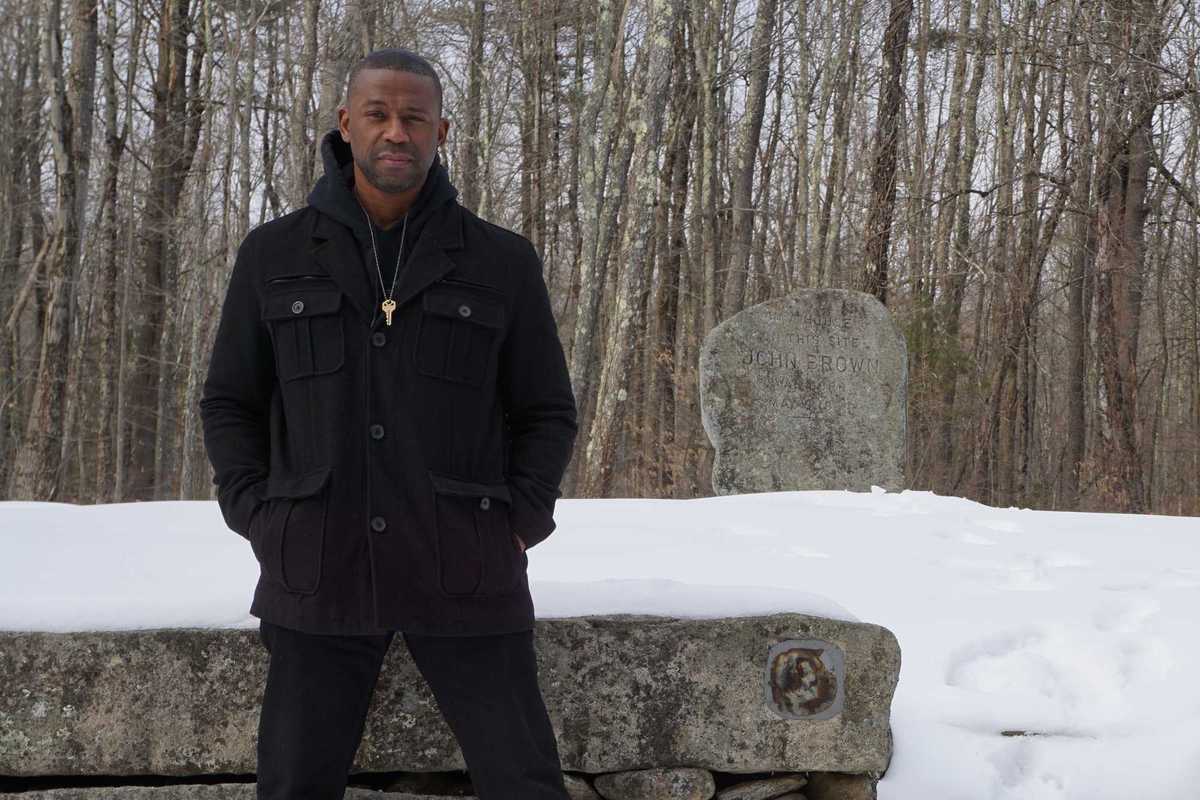
Cornwall Historical Society celebrates Connecticut’s Black patriots

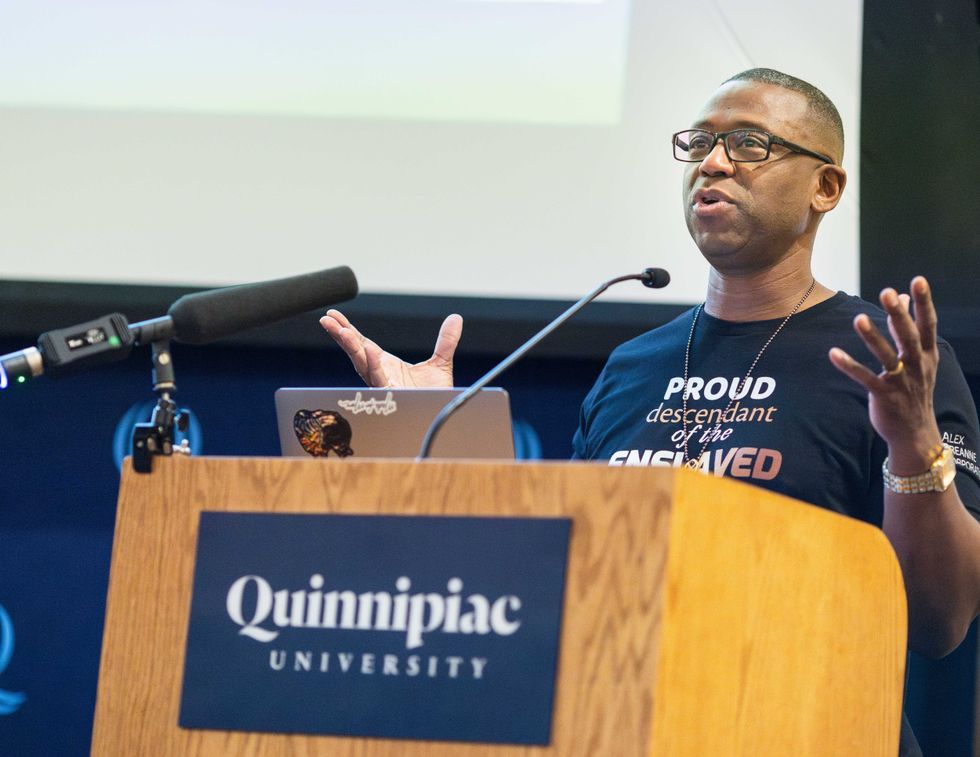
On Saturday, Oct. 24, at the Cornwall Historical Society, author and genealogist John Mills will breathe new life into the stories of some of Connecticut’s more underappreciated patriots. The reason these heroes were forgotten? They were Black.

At a time when white colonists were fighting for their own liberty and political independence, many Black men who fought alongside them remained enslaved. Some risked their lives only to return to bondage. Though enslaved people were promised freedom from both sides of the Revolutionary War in exchange for their service, Great Britain, too, was still deeply dependent on slavery. For Black people in America, the war presented both extraordinary risks and uncertain paths to the freedom that white colonists were demanding for themselves.

Keep ReadingShow less

A sanctuary for second chances

A sanctuary for second chances

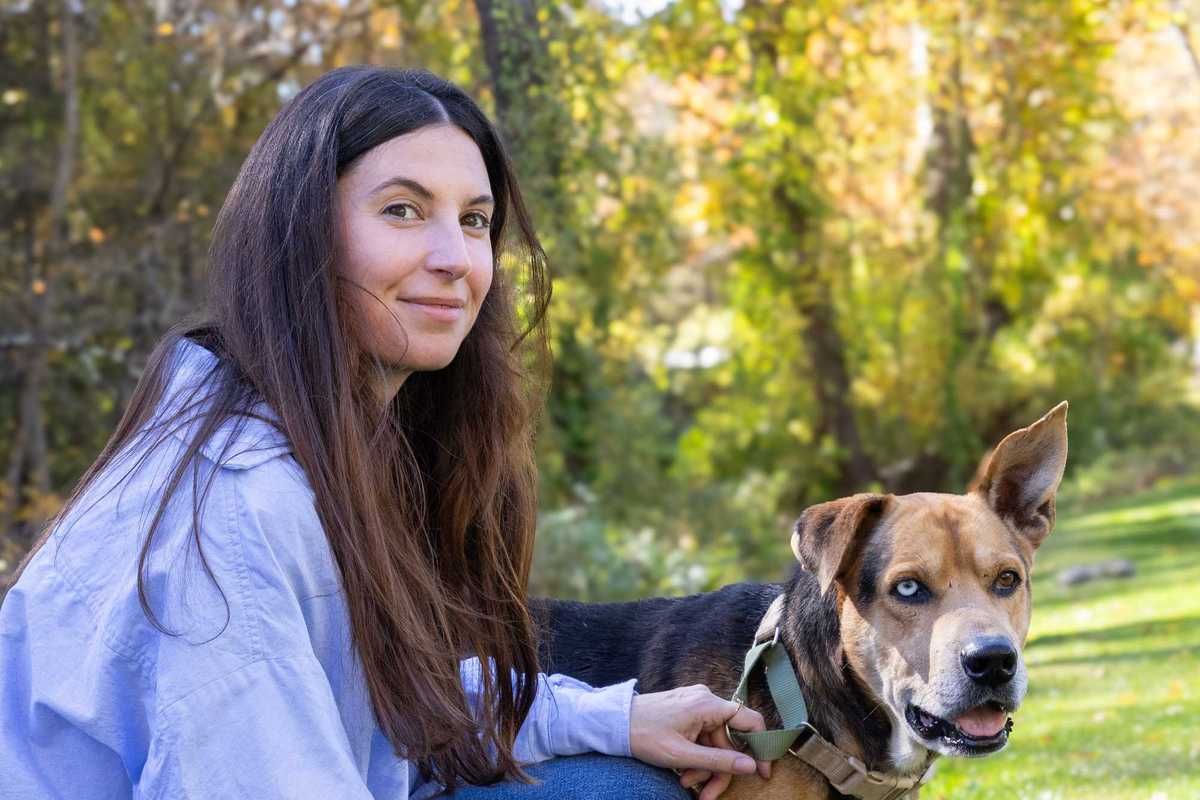
Stephanie Saetta runs Charlie Chicken Bones, a sanctuary in Salisbury.

Madi Long
You only get one or two of these soul connection dogs, so I do this in his honor.
— Stephanie Saetta

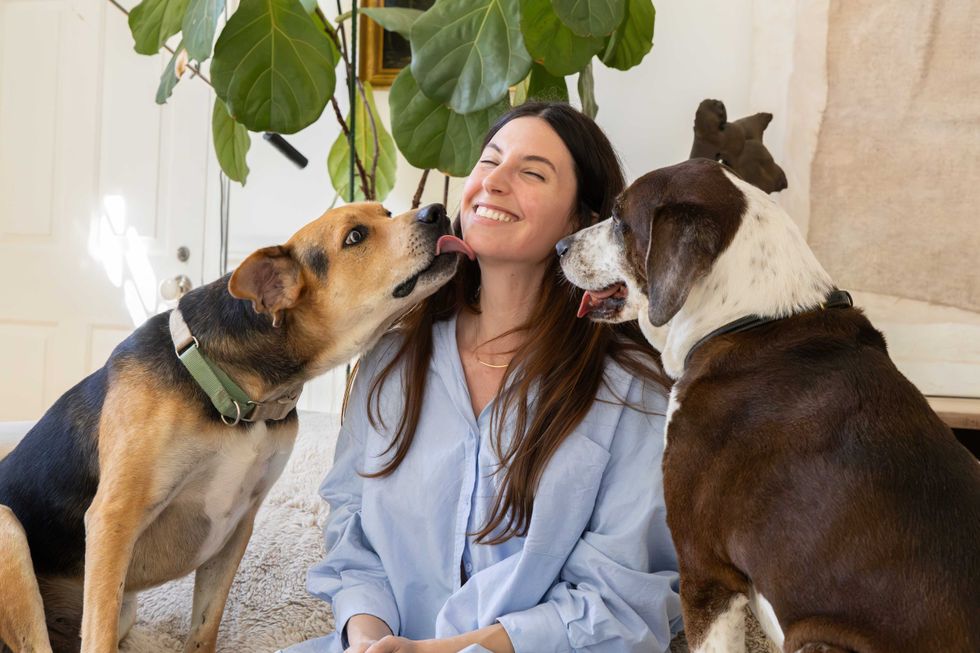
Stephanie Saetta has spent much of her life caring for others. A physician at White Plains Hospital, she has another calling at home in Salisbury — one that has four legs and a wagging tail. She runs Charlie Chicken Bone Sanctuary, a nonprofit dog rescue that brings dogs from overcrowded pounds and the streets of Texas to foster homes in northwestern Connecticut, where they can begin again.

The sanctuary is named for Charlie, the dog who taught her how special a bond between a person and rescue animal can be.

Keep ReadingShow less
Big ideas come to Lenox for inaugural field festival

Hunter Runnette, founder and board chair of field, has spent years fostering arts and cultural programming in the Berkshires.

Provided

What do joy, gardening, artificial intelligence, the American experiment and the creative process have in common? Quite a lot, as it turns out, at least when some of the world’s most compelling thinkers get together to talk about them.

From Friday, Oct. 23, through Sunday, Oct. 25, Lenox, Massachusetts, will host the inaugural field festival, a three-day gathering of writers, artists, scholars and cultural figures at Shakespeare & Company. Billed as a festival of ideas, entertainment, learning and discovery, field brings together an impressive roster of voices to explore everything from the deeply personal to the profoundly political.

Keep ReadingShow less
google preferred source

Want more of our stories on Google? Click here to make us a Preferred Source.

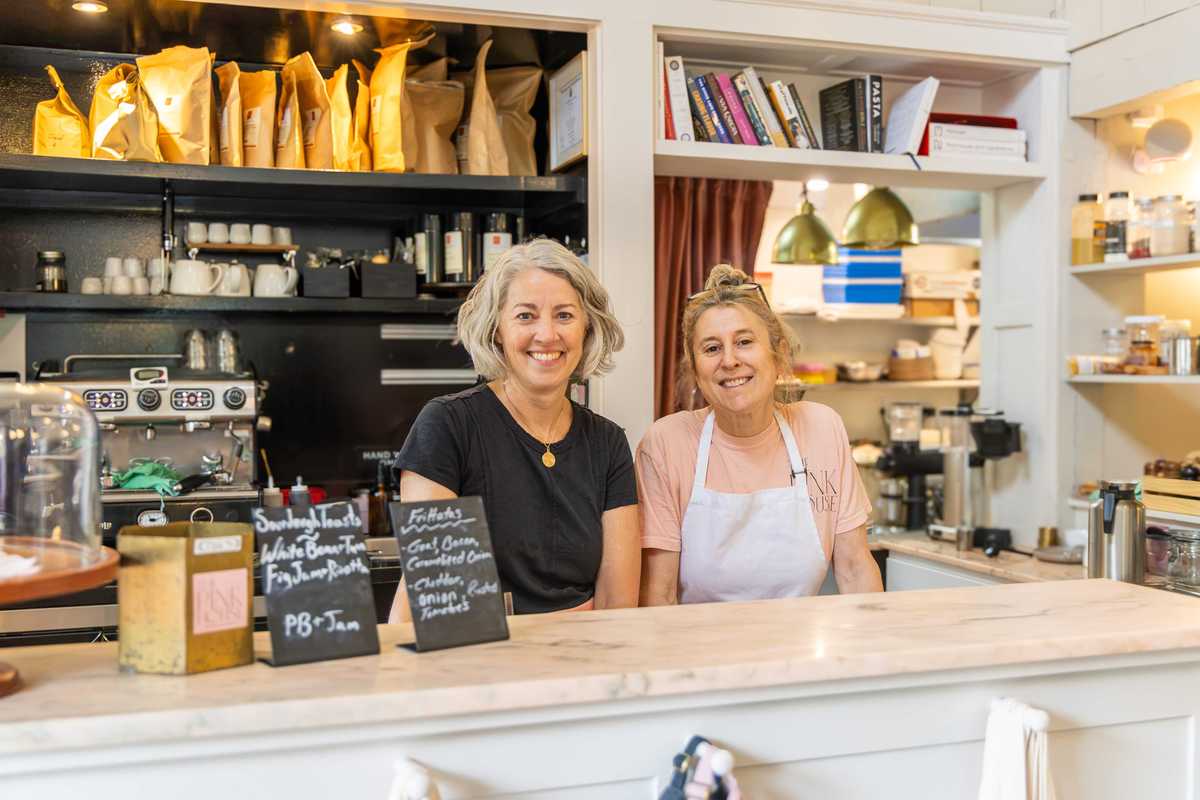
The Pink House AM is serving up community

Mare Rubin and Maggie Levine of the Pink House AM.

Madi Long

It all started with a yoga class. Mare Rubin was working on her second act after leaving the Upper West Side, where she’d raised a family and worked in corporate marketing. Newly empty nesters, she and her husband decided to move to the wilds of northwestern Connecticut, where they had spent 15 years as weekenders, to see what life in the woods had in store for them.

Rubin started teaching yoga classes at the Union in West Cornwall, a space designated by the town of Cornwall as a community hub with couches, Wi-Fi, occasional events and a growing yoga class schedule. She was adjusting well but missed one important thing about city life: a casual coffee shop.

Keep ReadingShow less
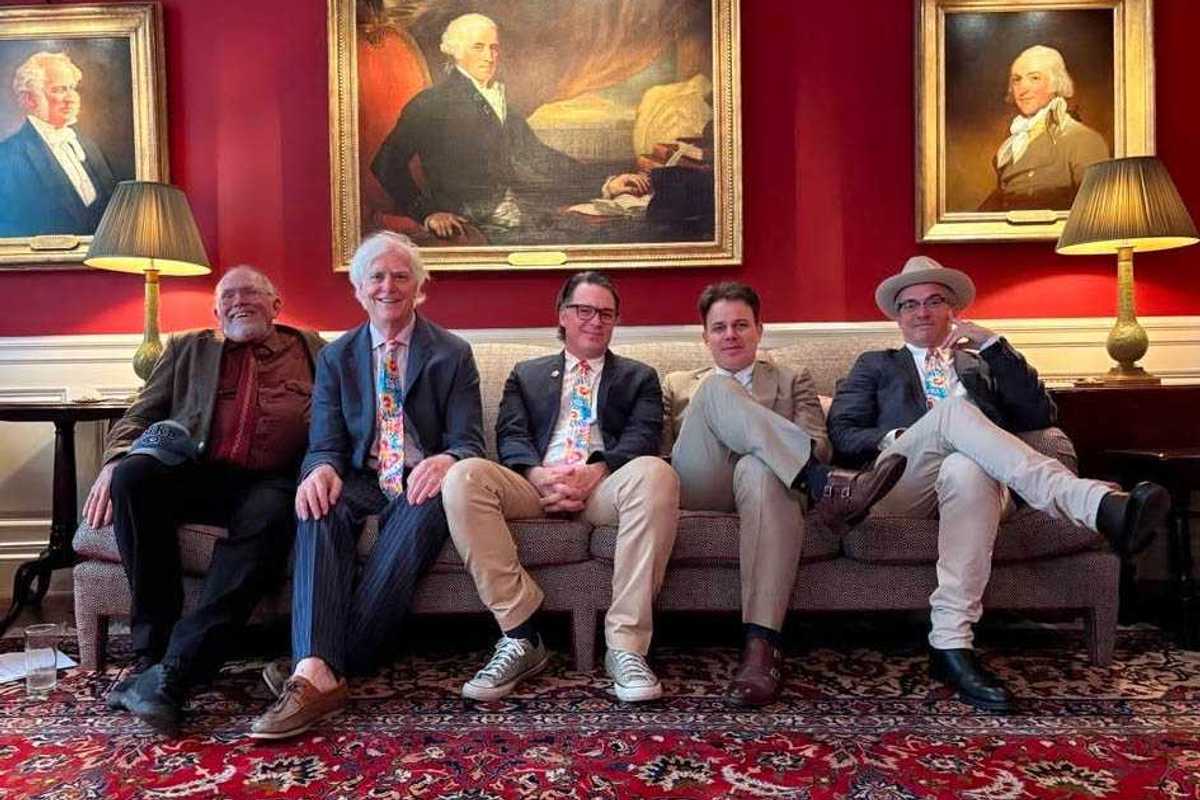
Sons of Astro are musicians, friends and bandmates — in that order

The Sons of Astro will be at the Common Pub in Housatonic on Oct. 24 and the 2nd Home Lounge in Winsted on Nov. 14.

Provided

No matter where they are in the world, musicians seem to find other musicians. There’s a shared language, a shared experience of being on stage and performing, and a shared enthusiasm for making those melodies by themselves or together. Such is the case with Norfolk and Brooklyn-based cosmic Americana band Sons of Astro.

That magnetic musicians’ bond drew Brooklyn-based singer-songwriter and multi-instrumentalist Mike Cobb into the orbit of singer-songwriter and multi-instrumentalist Matt Statler. The two neighbors took to each other right away and were soon playing open mics together. As an ethics professor at NYU’s Stern School of Business, Statler made the case that if he sat in for Cobb’s set and Cobb sat in for Statler’s, they could play together and double their stage time. Clearly, these men wanted to make as much music as possible. That became a little harder when Cobb and his family moved up to Norfolk, Connecticut.

Keep ReadingShow less
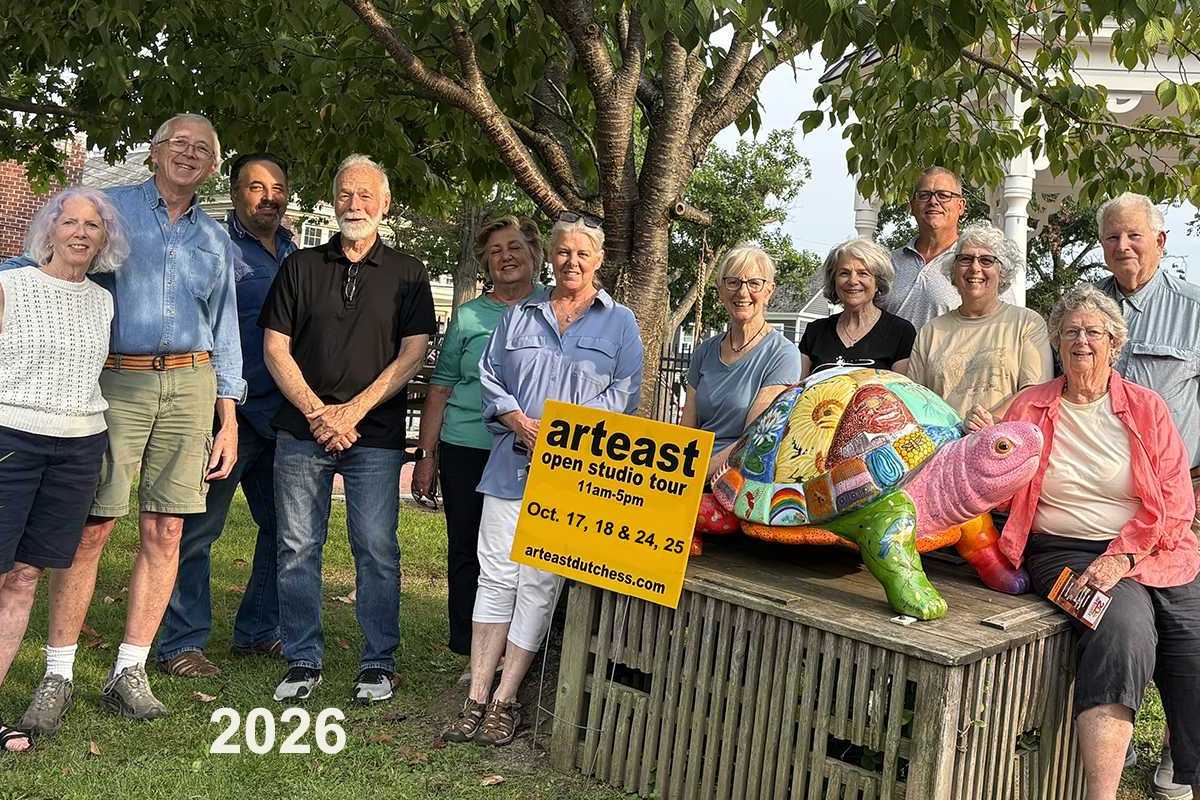
One more weekend to get inside the art at ArtEast

The participating artists in this year’s ArtEast open studios.

Provided

ArtEast’s annual October Open Studio Tour is already underway, but there’s still one more weekend to step inside the creative worlds of artists working throughout eastern Dutchess County. On Saturday and Sunday, Oct. 24 and 25, artists will once again open their studio doors, inviting visitors to see where the work happens, meet the people who make it and perhaps discover something worth taking home.

Now in its 21st year, the ArtEast October Open Studio Tour offers a self-guided journey with participating studios in Holmes, LaGrangeville, Hopewell Junction, Pawling, Patterson, Poughquag and Wingdale. Visitors can explore painting, photography, sculpture, mixed media and other artistic practices, and get some leaf-peeping in at the same time.

Keep ReadingShow less
google preferred source

Want more of our stories on Google? Click here to make us a Preferred Source.

google preferred source

Want more of our stories on Google? Click here to make us a Preferred Source.