WEBUTUCK — While the Webutuck Board of Education (BOE) works to reduce its cafeteria program deficits, it voted at its Aug. 2 meeting not to increase its school lunch rates.
Business Administrator Mary Grden recommended no increase to the lunch rates this year. But she qualified that by saying that the school should “be mindful of where we’re headed,� and suggested that at some point in the future the school could adopt an “a la carte� system with prices based on a student or teacher’s menu choices.
“Historically we’ve had a [cafeteria] program that ran huge deficits,� BOE President Dale Culver pointed out. Webutuck has been narrowing that gap, he continued, and moving forward the board will keep working to reduce that deficit while improving pieces of the program.
Trustee John Perotti was in favor of not increasing the lunch rates, feeling it would amount to yet more financial burden on district families.
The board also debated updating the cafeteria’s system of charges and collections.
Currently, any Webutuck student can charge food to a running tab that is sent home monthly to be paid. Parents can either pay off the debt when they receive the bill or put credit on the account in advance.
Grden estimated that the current aggregate total of collections still unpaid nears $1,200. But she also said that there was a pattern of unhealthy snacks being charged to the account, which brought up a discussion among board members on the options that parents have.
Board Vice President Joe Herald said that at one point the charge system was structured so that if a student or family’s charge balance reached a certain threshold any further charged lunches would be restricted to certain food items like peanut butter and jelly sandwiches.
Herald also said that currently parents have the option to restrict what foods can be charged to their child’s account, which would prevent students from abusing the system and charging lots of snacks or would send up a red flag if a child had particular food allergies.
The charge system is four or five years old, Herald said, but he believed there were still parents who were unaware of their options. He suggested the board continue to make further efforts to communicate better with the public in regards to these issues.
Superintendent Steven Schoonmaker said during an interview a few days after the meeting that he was under the impression that the charging threshold was still in place and the only issue was that it was inconsistently applied. That will change come this September, he said.
“I didn’t hear anything the other night to indicate that the board’s directive had changed,� he said. “There was discussion about the degree to which [the policy] was consistent before I got here, and it may well be that it needs to be reaffirmed.�
At the board meeting Schoonmaker added that the school would continue to work toward getting the appropriate families qualified for reduced lunch rates. It was mainly a matter of having them fill out the required paperwork, he said.
“We have a history here that parents have a lot of reluctance to sign up for that program,� Herald acknowledged. “There’s an associated stigma with it.�
The board discussed several possibilities to opening up those options to families, including installing a table at open house meetings to sign up for such programs.

 Sharon, CTBill Wakeley
  Mill Pond, Sheffield MADeb Segalla-Watson
 New Marlborough, MAWendy Miller
  Peter Austin
 Falls Village, CTPete Sanders
  Tom Carley
  Factory Pond, Lakeville CTBarbara Peck
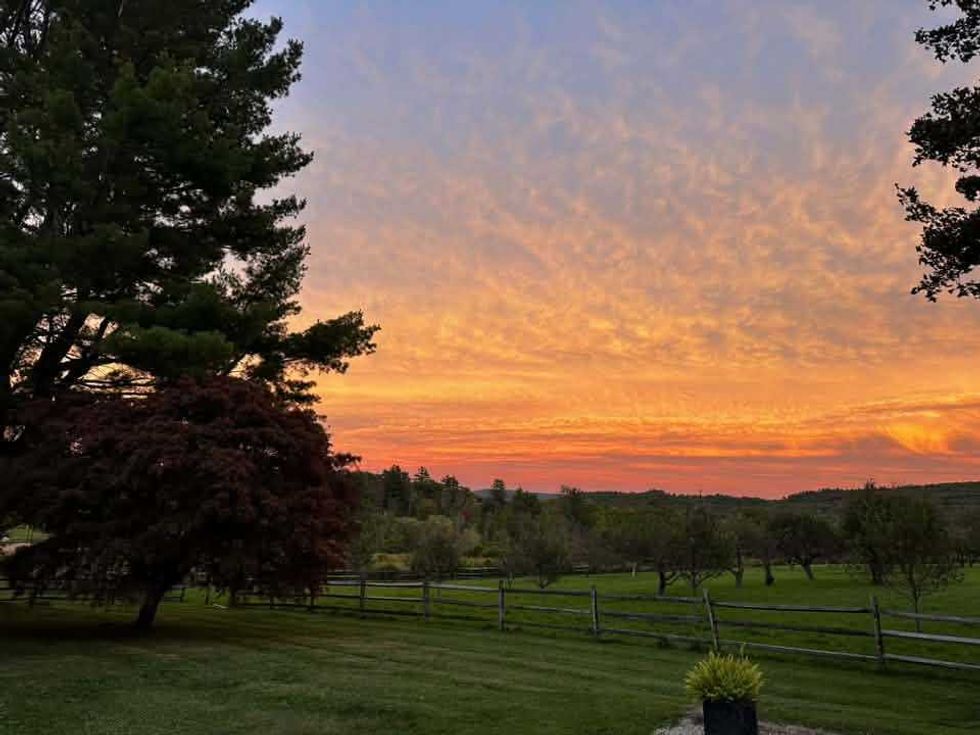 Lime Rock Road, Lakeville CTKeary Hanan
 Lime Rock Road, Lakeville CTJake Marcum
 Housatonic River, Sharon, CTBill Wakeley
 Norfolk, CTTom Carley
  Reed Brook, Deans Ravine, Canaan CTBill Wakeley


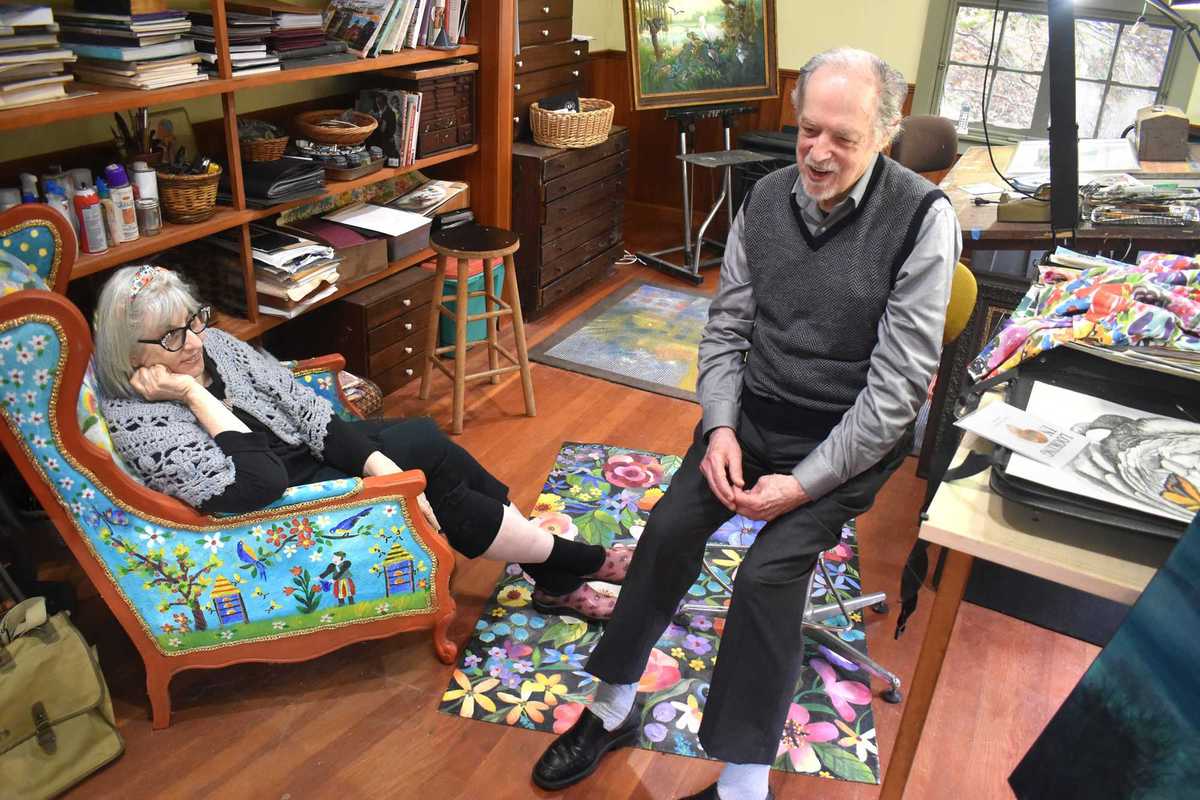
 Justine and Victor Valla in their studio with a painting of Victor’s,”Jonah and the Whale.” Robin Roraback

 A ceramic vase by Kathleen Heidemann.Provided
  Joy Brown’s delightful ceramic sculptures.Provided