SHARON — The town’s Economic Development Study Group held a meeting for business owners on Thursday, May 27, at Town Hall to discuss strategies and whether or not a chamber of commerce for the town should be formed.
The meeting was led by committee Chairman Lynn Humeston, who presented a report to the town last September that essentially said the town is not business friendly.
“We have seen some improvement since the report was issued,� Humeston said before the meeting. “The committee is hoping that, with business owners working together, it would help the town on a number of levels.
“Our non-profits in town are well utilized when their organizations have an event. If we had a chamber of commerce, we would be able to promote events together.�
She stressed that the goal of the group is not necessarily to create many new businesses but to support the ones that exist.
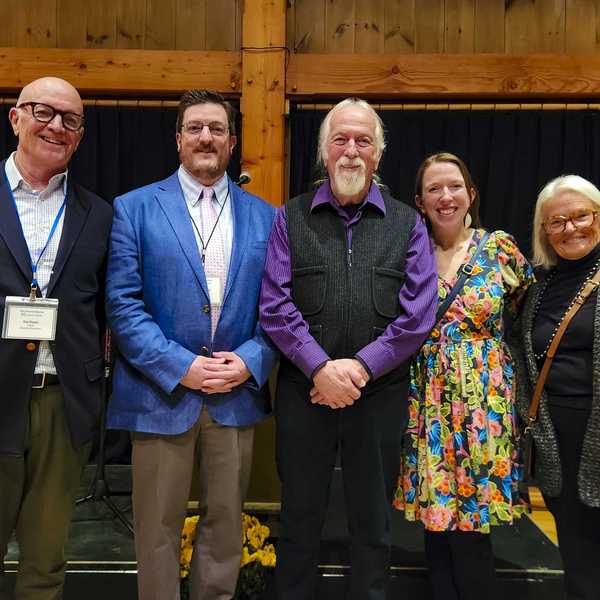
Along with the 45 business owners and community members, First Selectman Bob Loucks and Selectman Meg Szalewicz also attended the meeting.
During his election campaign in September 2009, Loucks told an audience at a meet and greet that Sharon Hospital CEO Charlie Therrien said Sharon is a dying town.
“I think it was a good statement because it brought us all to life,� Loucks said before the meeting. “No one likes to be told that.�
At the meeting, Humeston went over the results from the study report with the audience and gave some blunt assessments.
“One successful longtime business owner in town said to me that if they were starting a business today they would not choose Sharon,� Humeston said. “I found that just a little bit scary.�
As the meeting went on, the audience broke into two different focus groups to discuss the issues facing the town’s businesses and how to deal with them.
The groups were led by Study Group member Lea Davies and Selectman Szalewicz.
After the groups met, Davies and Szalewicz presented summaries.
Davies said the first thing his group suggested is that the town’s zoning and historic district be more friendly to businesses.
“For example, if you have a retail space, and if you change that space to office space, you lose the ability to ever go back to retail,� Davies said. “So there is not a lot of flexibility in how we use our buildings for retail and commercial. It seems like the town wants to move all of the buildings to residential use.�
Davies said the majority of his group told him that there was no cohesiveness among businesses in town, a situation that might be alleviated by forming a chamber of commerce.
“We have a hospital and Tri-Arts. We need to leverage that to make people think of Sharon as a destination,� Davies said.
His group also suggested the town create a business center downtown; find solutions for making transportation easier; and find a hardware store willing to open here.
Szalewicz said her group suggested many of the same ideas, including forming a chamber of commerce.
“The first thing our group discovered was that many of the business owners didn’t even know each other,� Szalewicz said. “They felt there needs to be some sort of business group so they can support one another. They do support each other by word of mouth, but it’s not happening the way that it should.�
Szalewicz said her group suggested creating a map of town businesses and said the town government should be more business friendly.
“Signs were also a major concern to the group,� she said. “We talked about how difficult it is for businesses to put signs up. The group felt that signs would make a big difference to businesses here.�
Before the meeting ended, Humeston asked the audience if there was any interest in forming a chamber of commerce. A majority of the audience raised their hands.
Lynn Mohlenhoff, Lee Kennedy, Helen Killmer, Darren Winston, Jenny Hansell and Amy Schuchat all volunteered to form a study committee to research the forming of a chamber.

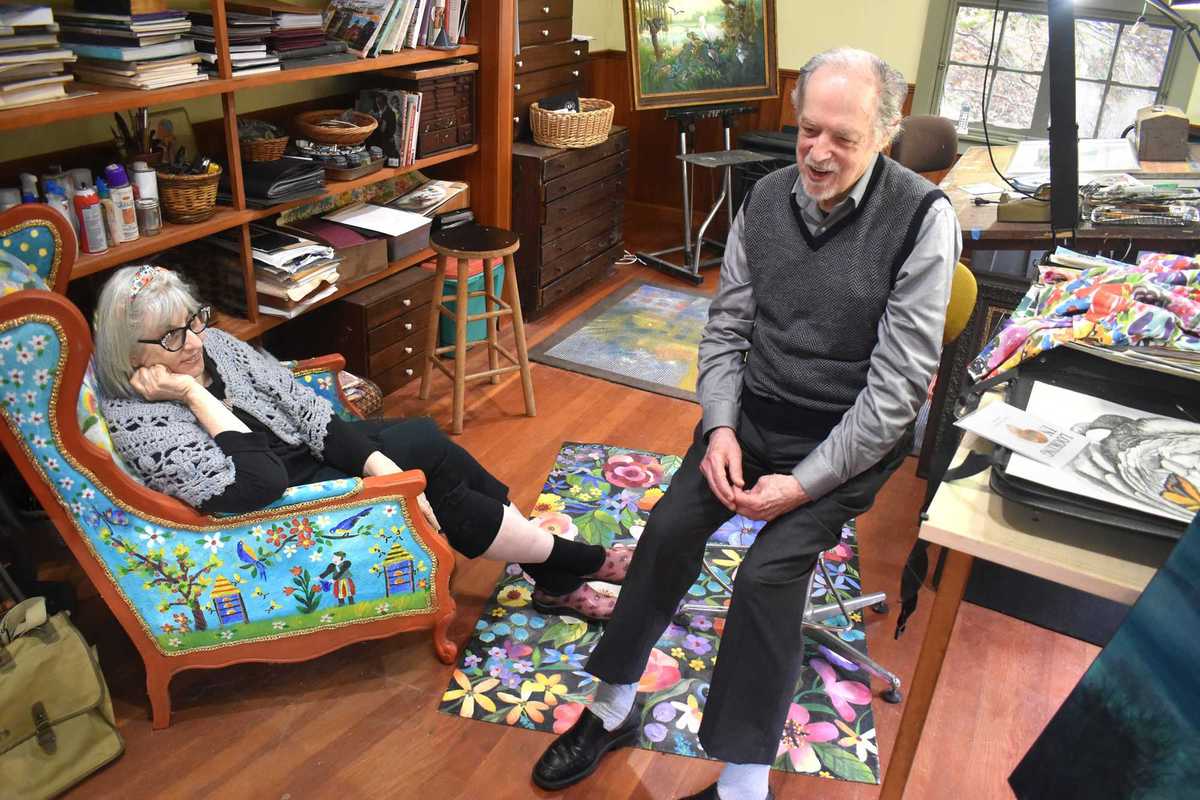
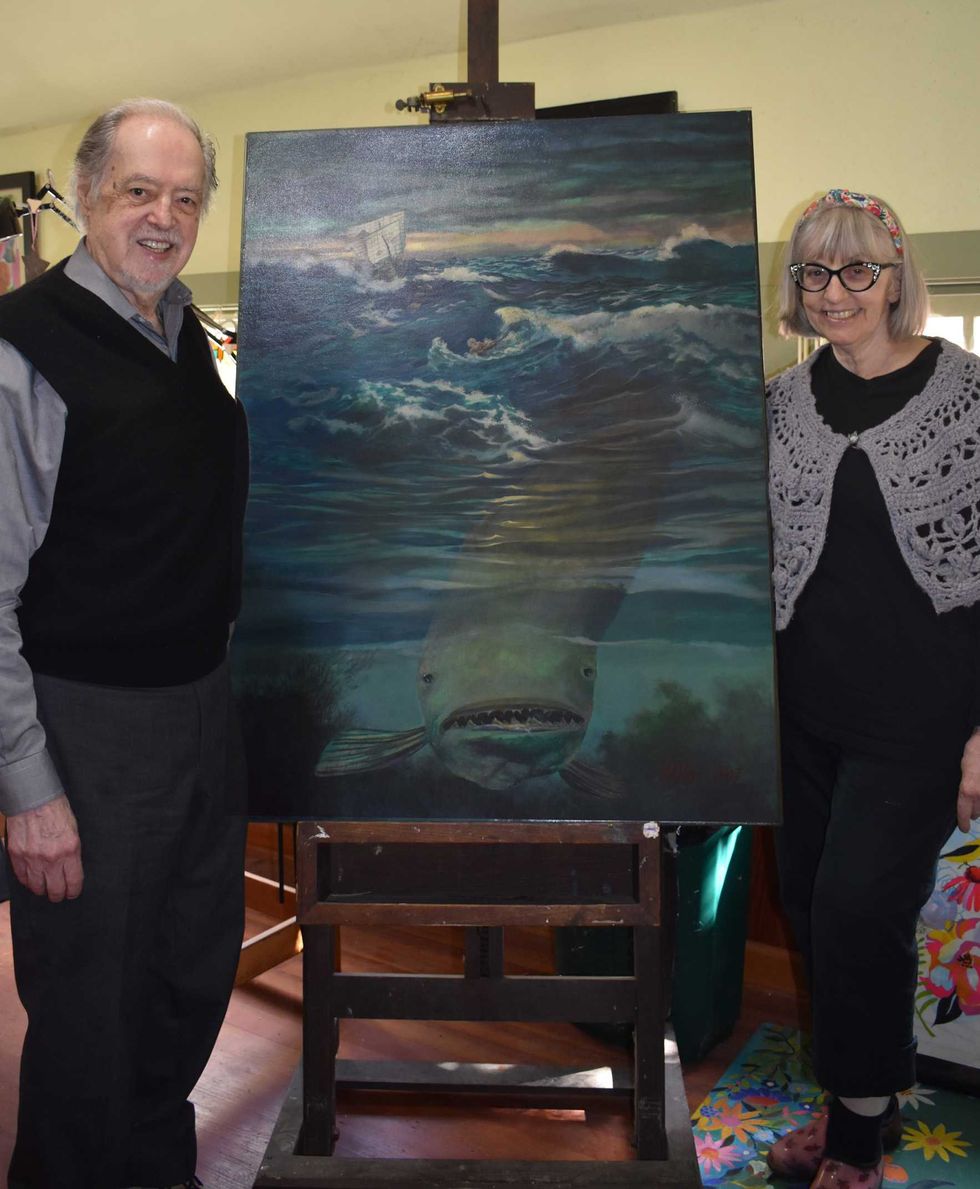 Justine and Victor Valla in their studio with a painting of Victor’s,”Jonah and the Whale.” Robin Roraback

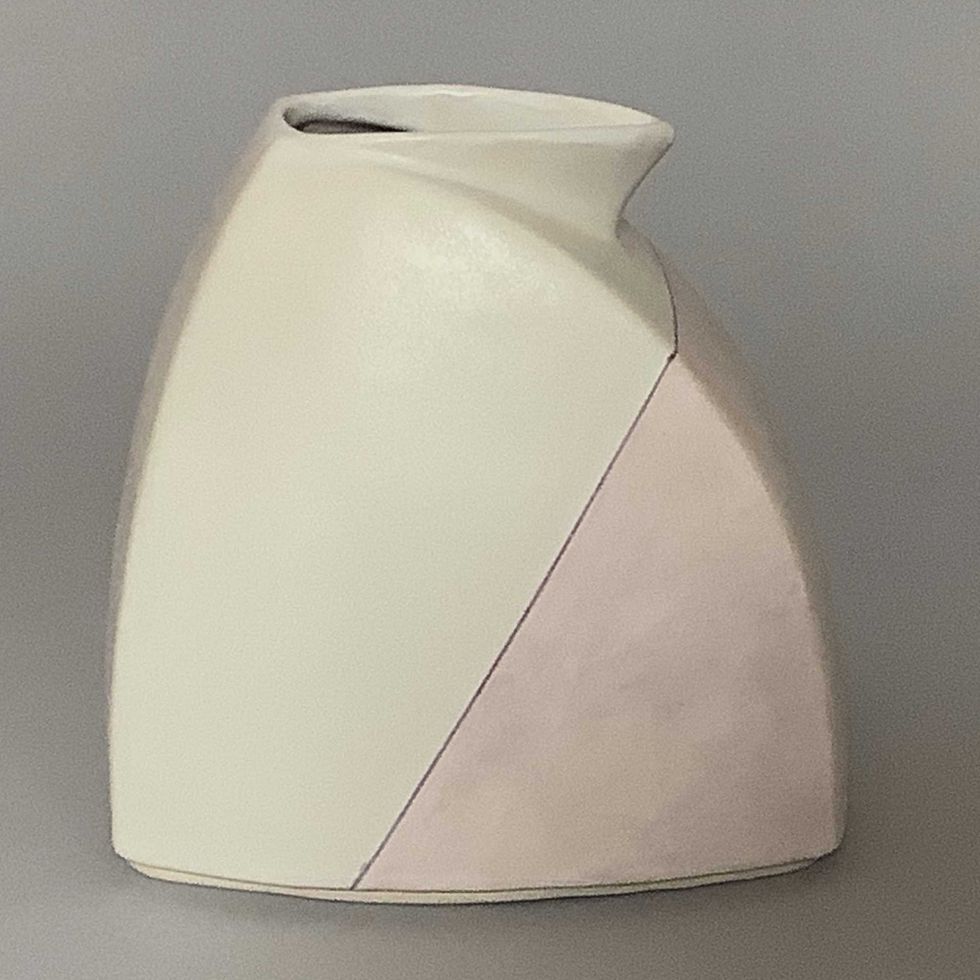 A ceramic vase by Kathleen Heidemann.Provided
 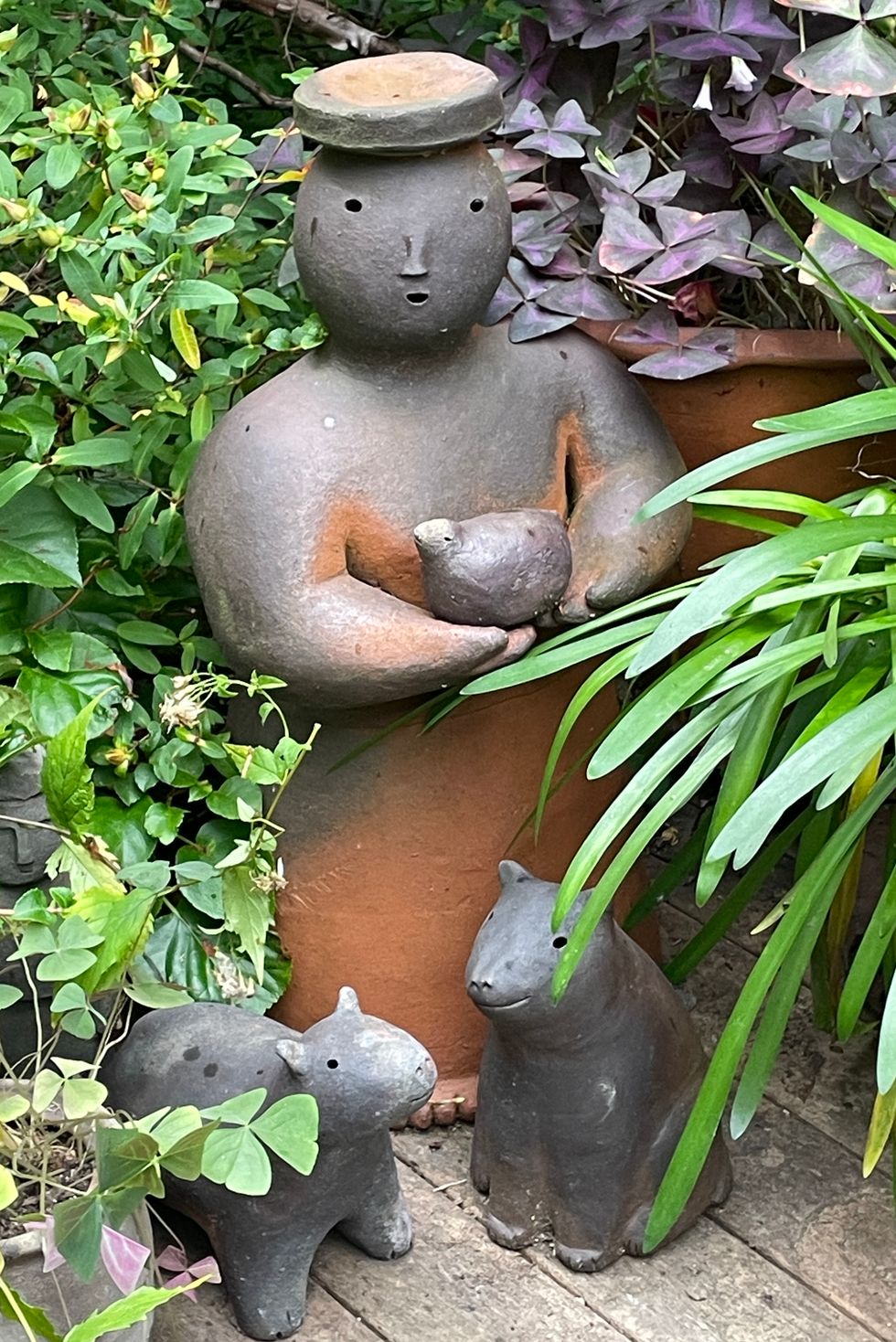 Joy Brown’s delightful ceramic sculptures.Provided