

Clouds of confusion over processing plan on Sodom Road

NORTH CANAAN — The debate over the use of acreage on Sodom Road appeared to come to an abrupt end at the July Planning & Zoning Commission (P&Z) meeting. Attorneys for the commission and the landowner at first disagreed, but ended up on the same page. At issue is property at 27-33 Sodom Road, where owner Martin Kozlak plans to store and process recycled concrete asphalt on a limited basis for projects for his company, Progressive Paving LLC.Little has been clear in the matter, including the nature of a complaint filed in April, the historical and current use, past permitting and how a proposed use fits into zoning regulation, or not. Discussion by and before P&Z includes the possible conversion of 1.38 acres to an industrial zone, with 4.325 acres remaining residential/agricultural.Zoning Enforcement Officer Ruth Mulcahy said the property was always zoned as farmland, but, “If the assessor has been taxing for a long time based on a use, you can often justify having an industrial use there.”That would not signify a zone change. The assessor cannot make those changes. The field card for the property defines the 1.38 acres as “Primary Commercial/Industrial Land.” The remainder of the property is zoned residential/agricultural.In May, nearby Sodom Road resident Bob Sprague filed a complaint that P&Z termed as nonspecific. Sprague spoke at the meeting about truck traffic and an industrial zone there that he said was established without action by P&Z.Commissioners decided then to order Kozlak to cease operations there until they could sort the matter out. But they never followed through on the order because no blatant wrongdoing by Kozlak was demonstrated. In fact, Kozlak claims he has done no work on the property except to mow the grass. Much of it, he said, is used as pastureland for his neighbor’s cows.In June, Kozlak was represented by attorney Mark Shipman. Town Attorney Judith Dixon was also present. The two presented views that were at odds with the other as they debated the historical uses, change of or expanded use and what would be considered allowed, nonconforming uses there.In July, a public hearing was held. A handful of residents who live in the general vicinity came and spoke at length, pleading with P&Z to maintain the rural character of that part of town, which attracted them to build homes there. John Considine, Donna Patchen and Richard Crump spoke against industrial uses and precedents that might open the door for others to do the same.However, while they called the area agricultural, Patchen spoke of how bad the town looks from the air and of the sand and gravel mining operation behind her Clayton Road home for years, which she said was done responsibly. Reclamation of the land included digging below the water table to create a small lake. The north end of town continues to be dotted with soft mining operations and aggregate processing.The Sodom Road property was purchased by Joseph Gulotta in 2009, who intended to sift top soil there, according to records on file. Kozlak intended to partner with him. But when Gulotta’s divorce caused him to back out of the plan, Kozlak bought the property, in September 2012. Before that, it was owned by Wayne Zinke, as part of a farm. A large recycling operation was the last major use.It’s all processingThe issues center around which nonconforming uses might be grandfathered — specifically, processing of materials that may have been done prior to when zoning regulations were enacted in 1999.Shipman said processing is processing, no matter what the materials. He said Zinke mined gravel and he verified that, in 2008, Zinke was told by P&Z he did not need a permit to process composted materials there. Later in the meeting, Shipman said a zone change was made by a prior commission.He repeatedly offered the reminder that there was no application pending by Progressive Paving and no cease-and-desist order that would require Kozlak to appear before the commission.P&Z did not offer any research on the matter. Mulcahy said it was before her time so she didn’t know, except that Gulotta had abandoned the use of the property. She said it is her opinion that only uses on the portion zoned industrial can be “grandfathered” and that, “I believe the assessor changed [the zoning] at some point.”Shipman said that Gulotta never abandoned the property and Mulcahy’s information was anecdotal. He also argued that the portable equipment Kozlak plans to bring in is just that, not structures as Mulcahy said local zoning describes them. It was Kozlak who eventually offered some perspective, saying he does not intend to construct anything permanent, such as at other sand and gravel sites nearby. Materials will be brought in occasionally and stockpiled. Once every one to two years, enough will accumulate to warrant bringing in portable equipment to process materials for projects. Nothing will be sold so it will not compete with other businesses. Kozlak said he is not opposed to limitations being placed on the operation to satisfy concerns of neighbors.Dixon spoke of expanded uses that would negate legal continuation of a nonconforming use, versus an intensification of a use. Case law, she said, is inconsistent on the matter. Her opinion was that if concrete or asphalt processing begins there, it would appear to exceed the grandfathered uses. The next step would be for P&Z to issue a cease-and-desist and summon Kozlak to present his case.In response, Shipman said first of all that the bituminous concrete and asphalt that would be processed there are essentially the same thing. He took issue with a statement that Kozlak did not confer with P&Z about allowed uses before he bought the property, but said Kozlak spoke with P&Z Chairman Steve Allyn when he was considering partnering with Gulotta. As to the main issue, Shipman said he agreed with Dixon that what Kozlak plans is an intensified use that would be allowed. As soon as Shipman concluded his remarks, Considine requested a chance to comment again. While P&Z typically includes public comment as the first and last items on its agenda, a motion was quickly made and approved to adjourn the meeting.

Latest News

‘Vulnerable Earth’ opens at the Tremaine Gallery

Tremaine Gallery exhibit ‘Vulnerable Earth’ explores climate change in the High Arctic.

Photo by Greg Lock

“Vulnerable Earth,” on view through June 14 at the Tremaine Gallery at Hotchkiss, brings together artists who have traveled to one of the most remote regions on Earth and returned with work shaped by first-hand experience of a fragile, rapidly shifting planet, inviting viewers to sit with the tension between awe and loss, beauty and vulnerability.

Curated by Greg Lock, director of the Photography, Film and Related Media program at The Hotchkiss School, the exhibition centers on participants in The Arctic Circle, an expeditionary residency that sends artists and scientists into the High Arctic aboard a research vessel twice a year. The result is a show documenting their lived experience and what it means to stand in a place where climate change is not theoretical but visible, immediate and accelerating.

Keep ReadingShow less
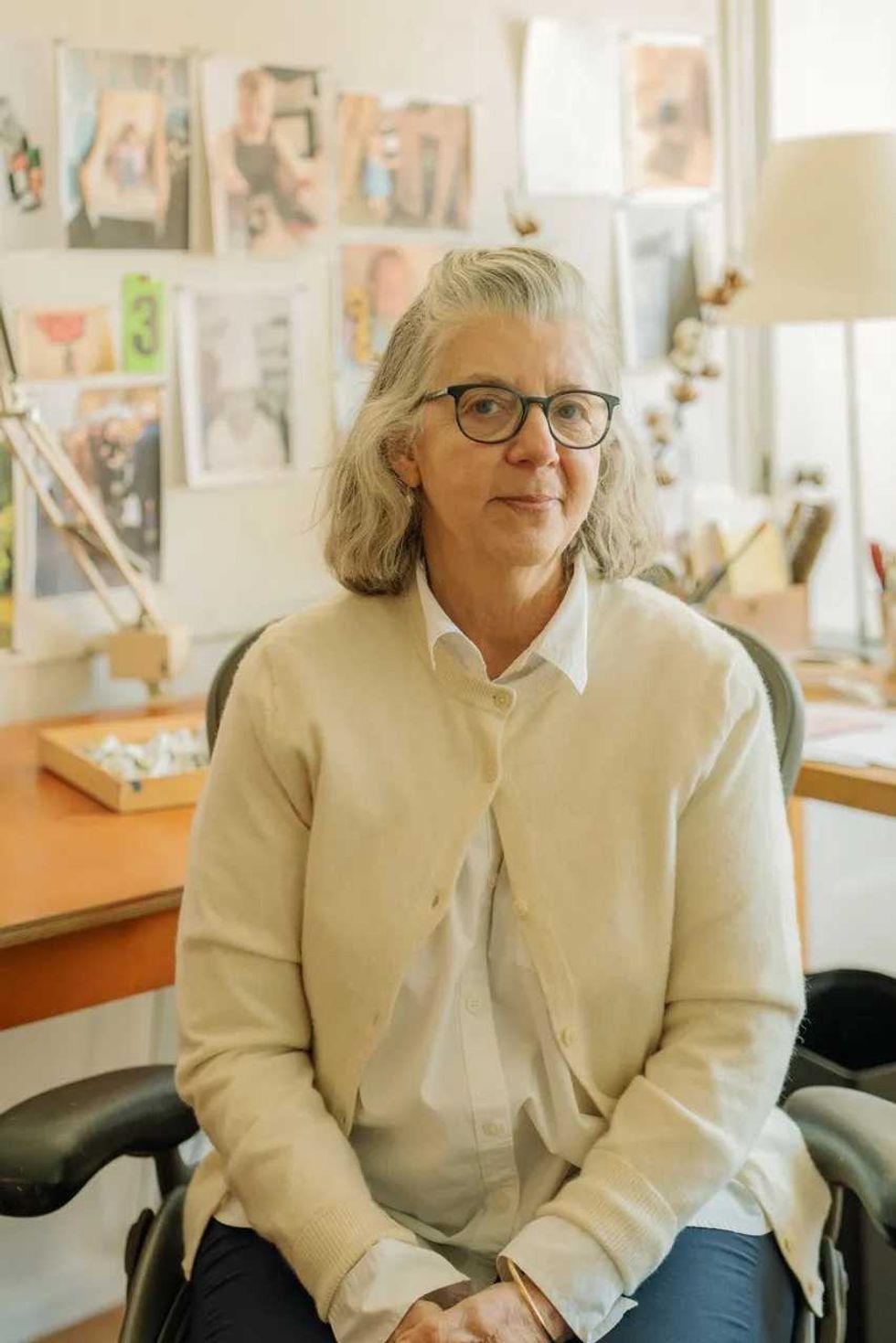
Beyond Hammertown: Joan Osofsky designs what comes next

Joan Osofsky and Sharon Marston

Provided

Joan Osofsky is closing the doors on Hammertown, one of the region’s most beloved home furnishings and lifestyle destinations, after 40 years, but she is not calling it an ending.

“I put my baby to bed,” she said, describing the decision with clarity and calm. “It felt like the right time.”

Keep ReadingShow less
A celebratory season of American classics and new works at Barrington Stage Company
Playwright Keelay Gipson’s “Estate Sale” will have its world premier this summer at Barrington Stage Company.
Provided

Amid the many cultural attractions in the region, the Barrington Stage Company in Pittsfield, Massachusetts, stands out for its award-winning productions and comprehensive educational and community-based programming. The theater’s 2026 season is one of its most ambitious; it includes two Pulitzer Prize-winning modern classics, one of the greatest theatrical farces ever written, and new works that speak directly to who we are right now as a society.

“Our 2026 season is a celebration of extraordinary storytelling in all its forms — timeless, uproarious and boldly new,” said Artistic Director Alan Paul. “This season features works that have shaped the American theater, as well as world premieres that reflect the company’s deep commitment to developing new voices and new stories. Together, these productions embody what BSC does best: entertain, challenge and connect our audiences through theater that feels both essential and alive.”

Keep ReadingShow less
google preferred source

Want more of our stories on Google? Click here to make us a Preferred Source.
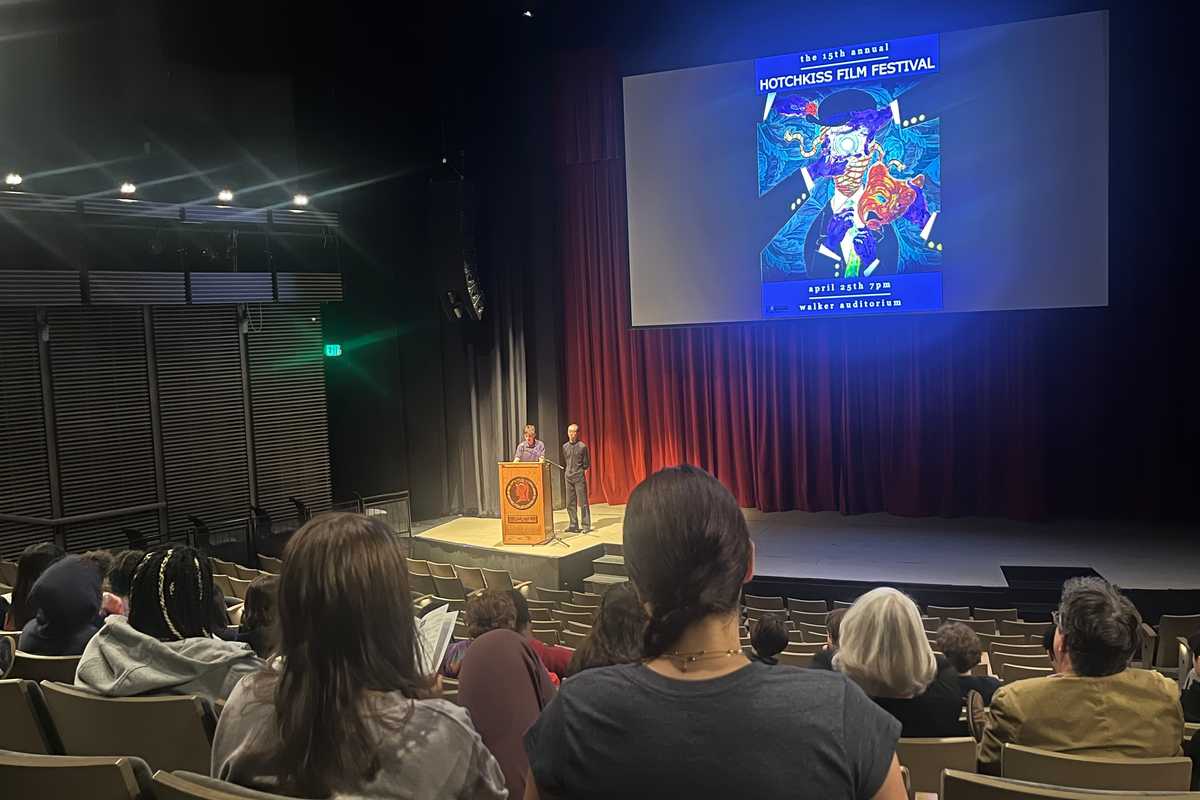
Hotchkiss Film Festival celebrates 15th year of emerging filmmakers

Student festival directors Trey Ramirez (at the mic) and Leon Li introducing the Hotchkiss Film Festival.

Brian Gersten

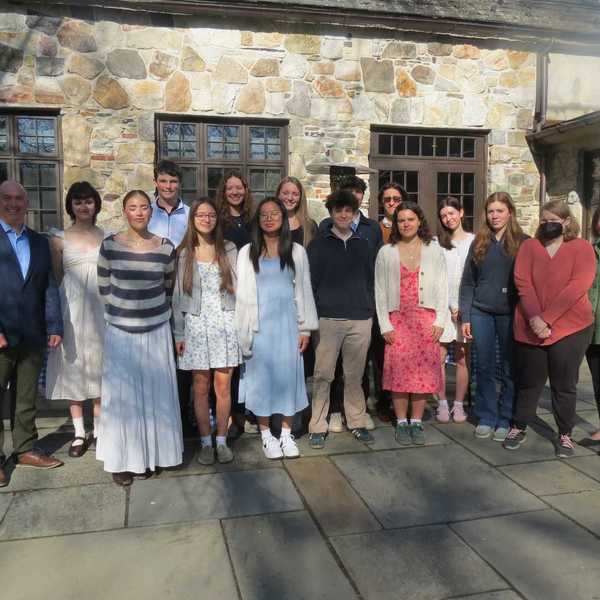
The 15th annual Hotchkiss Film Festival took place Saturday, April 25, marking a milestone year for a student-driven event that continues to grow in ambition, reach and artistic scope. The festival was founded in 2012 by Hotchkiss alumnus and Emmy-nominated filmmaker Brian Ryu. Ryu served as a festival juror for this year’s installment, which showcased a selection of emerging filmmakers from around the region. The audience was treated to 17 films spanning drama, horror, comedy, documentary and experimental forms — each reflecting a distinct voice and perspective.

This year’s program was curated by student festival directors Trey Ramirez and Leon Li, working alongside faculty adviser Ann Villano. With more than 52 submissions received, the selection process was both rigorous and rewarding. The final lineup included six films from Hotchkiss students.

Keep ReadingShow less
Artist Maira Kalman curates ‘Shaker Outpost’ in Chatham

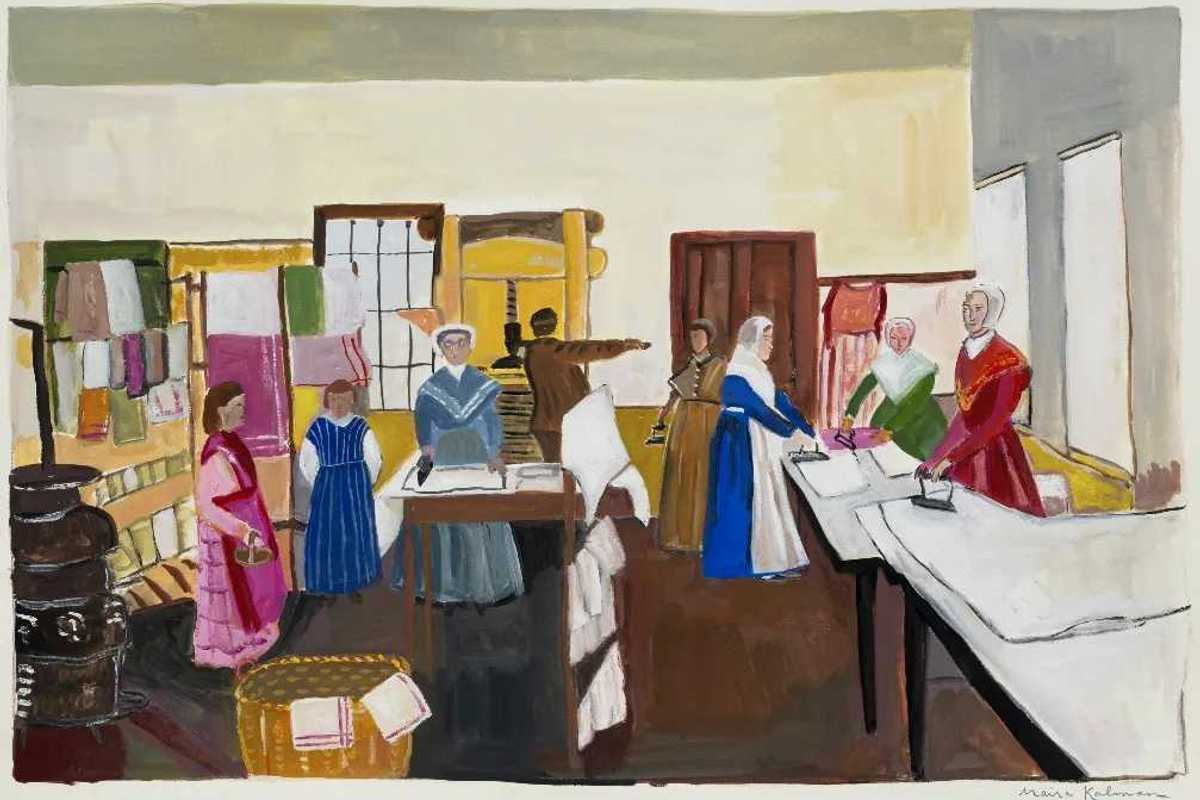
The Laundry Room, a painting by Maira Kalman from the exhibition “Shaker Outpost: Design, Commerce, and Culture” at the Shaker Museum’s pop-up space in Chatham.

Photo by Maira Kalman; Courtesy of the artist and Mary Ryan Gallery, New York

With “Shaker Outpost: Design, Commerce, and Culture,” opening May 2, the Shaker Museum in Chatham invites artist and writer Maira Kalman to pair her own new paintings with objects from the museum’s vast holdings, and, in the process, reintroduce the Shakers not as relic, but as a living argument for clarity, usefulness and grace.

Born in Tel Aviv, Maira Kalman is a New York–based artist and writer known for her illustrated books, wide-ranging collaborations and distinctive work spanning publishing, design and fine art.

Keep ReadingShow less

Ticking Tent spring market returns

Ticking Tent spring market returns

The Ticking Tent Spring Market returns to Spring Hill Vineyards in New Preston on May 2.

Jennifer Almquist

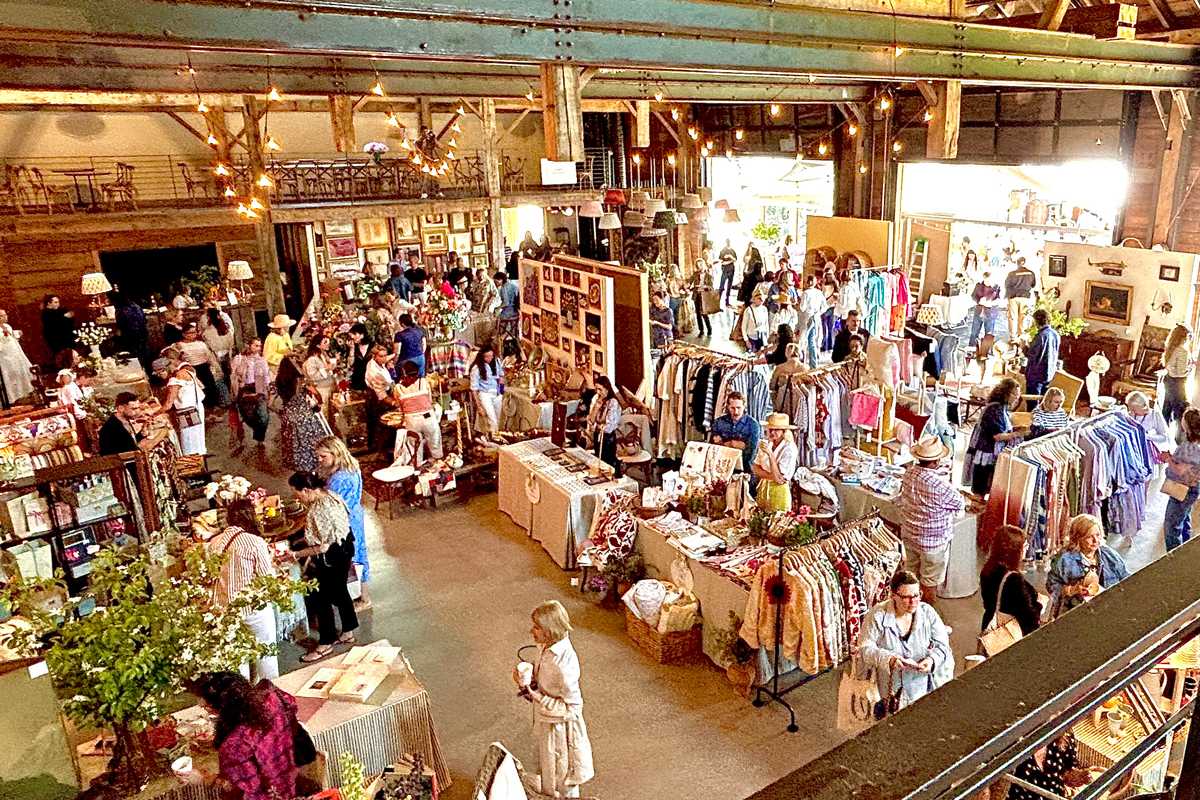
The Ticking Tent Spring Market returns to New Preston Saturday, May 2, bringing more than 60 antiques dealers, artisans and design brands to Spring Hill Vineyards for a one-day, brocante-style shopping event from 9 a.m. to 4 p.m.

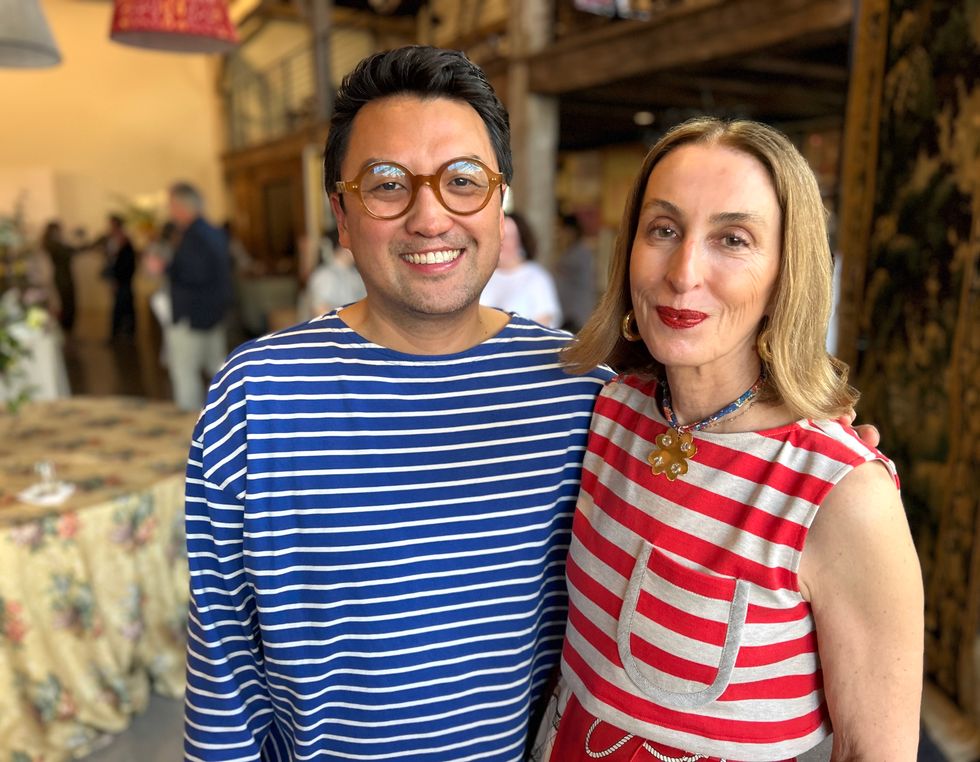
Co-founders Christina Juarez and Benjamin Reynaert invite visitors to the outdoor market at 292 Bee Brook Road, where curated vendors will offer home goods, fashion, tabletop and collectible design. Guests can browse while enjoying Spring Hill Vineyards’ wines and seasonal fare.

Keep ReadingShow less
google preferred source

Want more of our stories on Google? Click here to make us a Preferred Source.
google preferred source

Want more of our stories on Google? Click here to make us a Preferred Source.