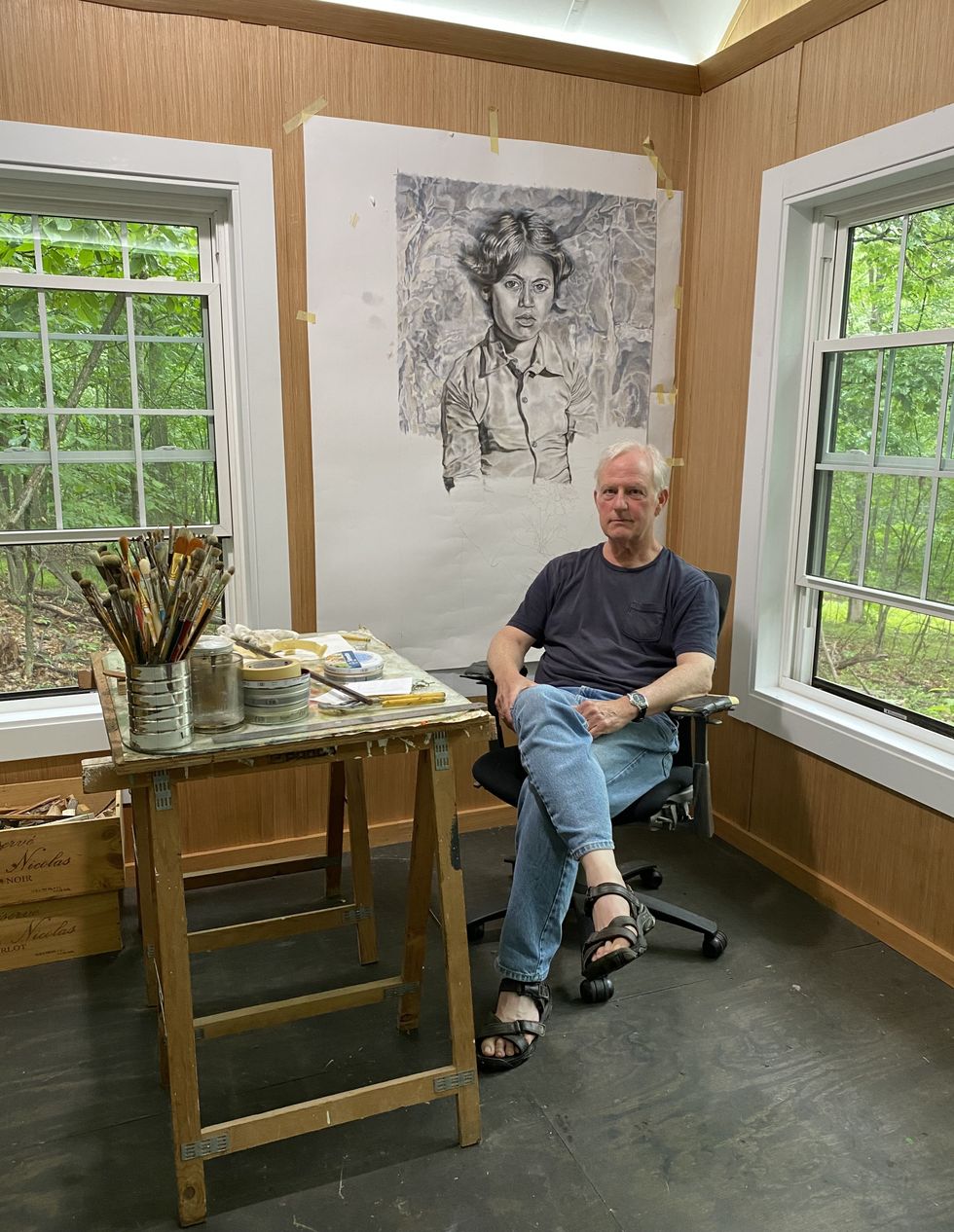
One of many patches of forest in Lakeville, Conn., featuring a steep hill, is painter Christopher Pouler’s “Little Walden Pond without the pond.”
Three years ago, Pouler and his wife bought the property, which measures 3.5 acres.
Their initial plan was to build a house there, but it was too expensive. Pouler had always wished for a studio outside his home, so he switched gears to fulfill those dreams. A friend, who is a builder, recommended that Pouler buy a custom-made shed, instead of building a small cabin from scratch.
It was an epic challenge to deliver the shed to the “Thoreau-esc” plot. It took two hours for a hydraulic-powered truck to “inchworm” the shed up the steep hill.
After its installation, Pouler furnished the inside. There is no electricity, so he uses a super-charged lithium-ion battery to fuel the lights in the studio, and a woodfired stove to keep warm in winter.
Reflecting on his favorite parts of the studio, Pouler reflected, “I love where I am. It’s in the woods. It’s super secluded.”
But it has its downsides. “It would be nice not to freeze for the first half an hour in the winter,” waiting for his stove to warm up the small room. Still, Pouler feels wiring the shed with electricity is not needed: he’s content with the battery and stove.
Pouler is also a designer, creating sets for broadcast news and television. With COVID-19, that work stopped — which allowed Pouler to focus on painting.
“The good thing is that, since COVID-19, I’ve been in the studio practically every day.”
A portrait and figurative artist, Pouler is interested in “the human condition and how it differs depending on where you find yourself.”
When Pouler became a father 20 years ago, he realized that his children would have privileges that are not available to so many children — refugee children, for example, who are faced with challenging environments all over the world.
“It’s random how you end up in a place — your life could so easily have been completely different.”
He painted pieces that showed his own children and refugee children, to reflect those thoughts.
With these portraits, he hopes to show that, no matter who they are, “this person or that person is a beautiful girl or young man or old guy.”
One of his portraits in progress is a young woman refugee from Iraq, whom Pouler described as a success story: “She’s in a safe place now.”
Pouler has a show coming up at the Berkshire School in Sheffield, Mass., in November; it will include her finished portrait, floating above two panels painted with yellow flowers.
Pouler chooses the word “installation” for his coming show — appropriate, because he hopes to “meld” his designing and painting skills. He also wishes to engage the students fully in the show, by having them write to child refugees in detention centers.
Books that Chris Pouler recommends
• “The Time Traveler’s Wife,” by Audrey Niffenegger
“This is an intelligent, quirky and beautifully written novel. It’s a story of a couple who learn to cope with the arbitrary nature of the husband’s time-traveling ability.”
• Tao Te Ching by Laotzu
“This book, written in the 4th century B.C., has been by my side since my freshman year of college. It contains what I believe to be some of the simplest yet most profound philosophy that I have ever read.”
• “Anselm Kiefer: A Monograph,” by Dominique Baqué
“This is a well-written and spectacularly illustrated monograph of one of the greatest living artists. While his art is completely different than mine, I am nonetheless inspired by it and his creative fearlessness.”
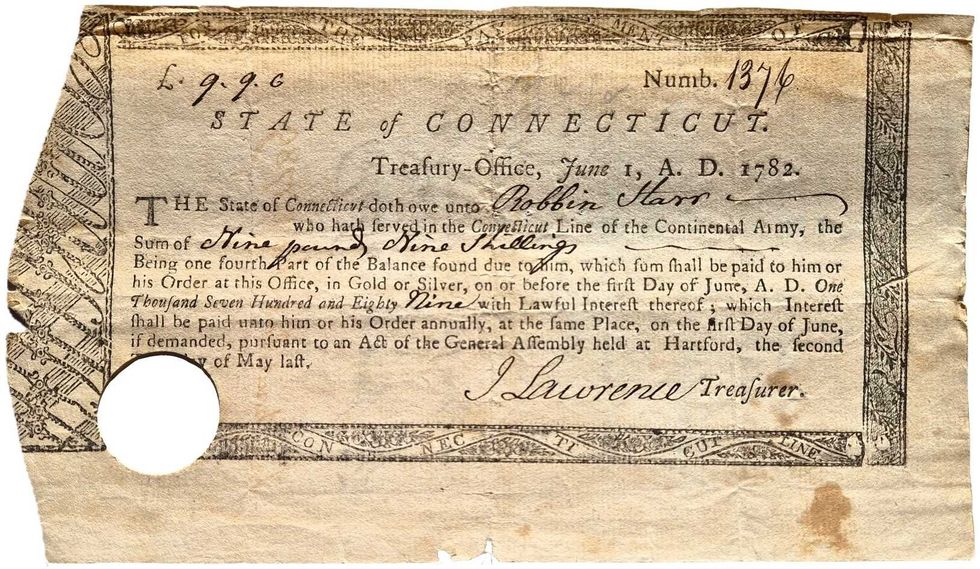 Pay Bill for Robin Starr’s service in the Continental Army.Courtesy the Alex Breanne Corporation
 John Mills speaking at Quinnipiac University.Courtesy the Alex Breanne Corporation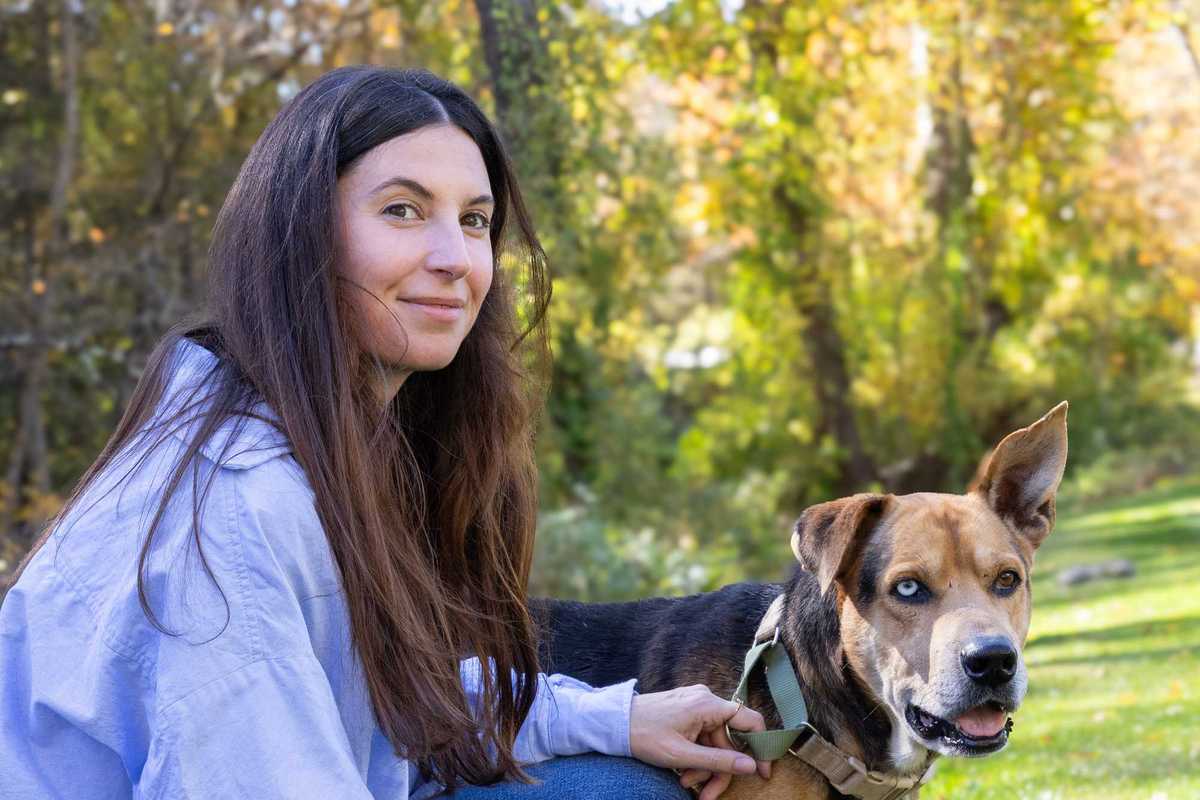
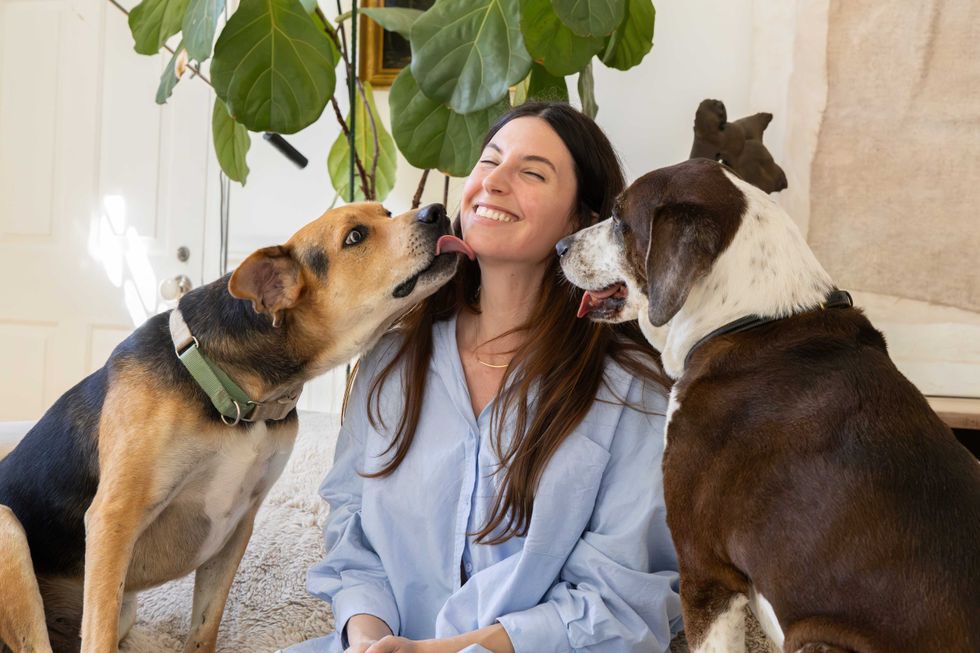 Stephanie Saetta,with her rescue dog George and Blue (left), a shepherd mix awaiting his forever home.Madi Long
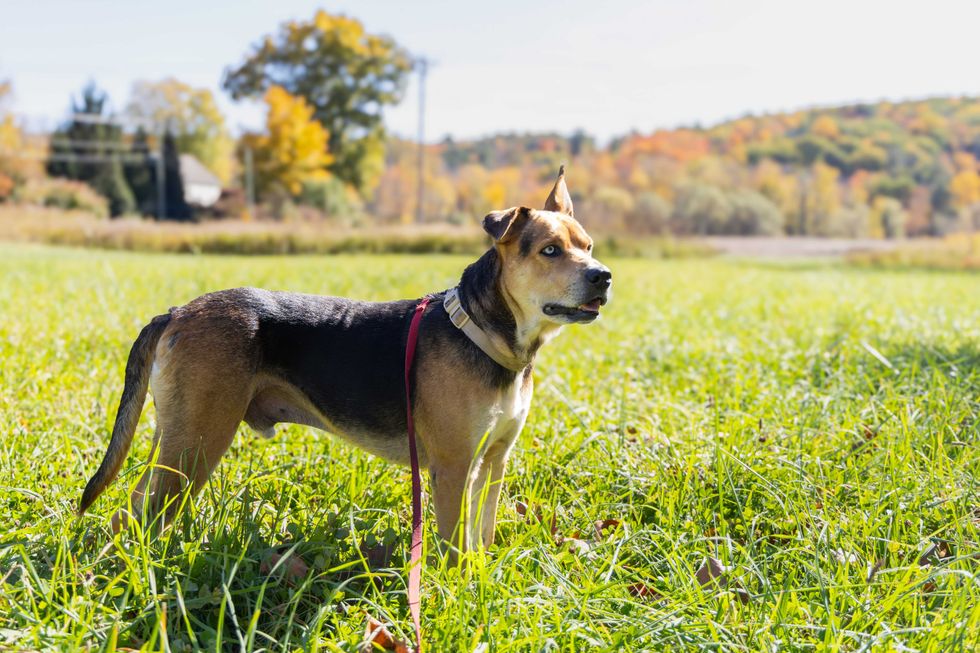 Blue, a 7 year-old Shepard mix, is waiting for his forever home. Madi Long