They’re new, they’re young, are they here to stay?
They’re new, they’re young, are they here to stay?
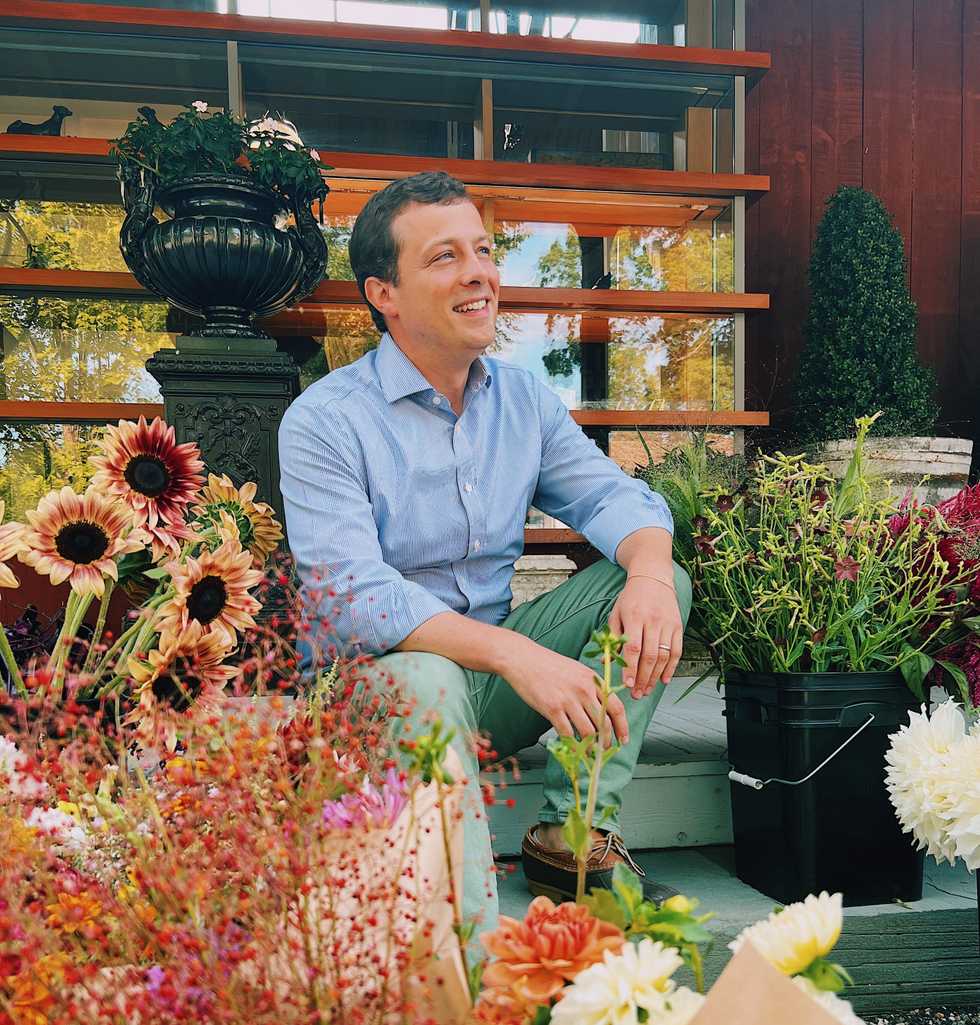
Jeb Breece is part of the wave of young New York families who have moved to the county full-time. Photo by Alexander Wilburn

It was 8 a.m. on a Saturday morning, the air sharp with an end-of-summer chill, when I meet Jeb Breece to set up the Kent Flower Market. The parking lot of Kent Barns in front of RT Facts Design & Antiques was a high-priced ghost town apart from our cars, but just give it a few hours. If you grow it, they will come.

Breece, 40, and his wife Sabina, 42, are part of a new wave of fresh-faced “full-timers” in rural Litchfield County, Conn., ex-Upper East Siders who traded Ralph’s Coffee and The Metropolitan Museum for winding backroads, old stone libraries and plenty of deer. The COVID-19 pandemic ignited a real estate surge in sleepy Northwest Connecticut, with families in their mid-to-late 30s and early 40s migrating not just for a season, but for permanent residence.

While Sabina may stop by the market with friends, the flower fever is all Breece, a portfolio manager at a wealth management and investment firm in Midtown Manhattan. He’s been growing flowers a d native plants at their home in Salisbury, Conn., Posy Hill Farm — named after the family dog. On market days, the second Saturday of each month, he’s joined by his 10-year-old son Henry, a day student at Indian Mountain School in Lakeville, Conn. Dressed to sell flowers in a Harry Styles-esque pairing of pearls and nail polish, Henry remarked he has an older brother who prefers sleeping to getting up bright and early to hawk dahlias (I can relate). “He’s going through puberty,” Henry said.

It was the last days of dahlias that September morning — and also the first time Kent Flower Market had offered the big rainbow-petalled perennials, due to drought conditions that August. Working with local agriculture means working within the parameters of the seasons and finicky weather conditions. Breece told me outright most of the flowers he sells would likely be considered “rejects” on a large professional scale, like New York City Flower District in Chelsea. Imperfect, by-the-season flowers are not the way most Americans are used to shopping for bouquets, which are grown and packaged overseas in countries like Ecuador or the Netherlands, and shipped to U.S. supermarkets. Brown Political Review reported in 2019 that “the cut flower industry in the United States takes in $34.3 billion of revenue each year. Of the flowers Americans buy, nearly 80% are imported from Colombia.”

Breece’s flower market, as “imperfect” as the mix of dahlias, geraniums, sunflowers, and celosias may be, are the product of his own garden with flowers grown on local farms like Anderson Acres in Kent — which is where we headed to pick up buckets of blooms for the market. Breece easily sees the benefit. “Carbon footprint is way less, plus keeping money within the local economy as opposed to shipping it off to global supply chains. Not to belittle… Look, where those flowers are grown, that production is likely done with low-cost labor and the people there need resources, but this is our community and I think it’s important we have a local farm economy.”

The goal, even on a petite fleur scale, is to aggregate supply and demand. “Help farmers sell their product even if they can’t be there at the market,” Breece told me. “I buy all the flowers from the farmers, I take the inventory risk, if it’s a s — y market, I eat it. I basically try to break even. We’re selling pretty close to wholesale price.”

Wholesale-priced bundles of dahlias meant a busy market once they opened at 10 a.m., especially for Henry, who had no problem swiping credit cards while I wrapped flowers in brown paper. He’s obviously in the right father-son side hustle, as he told me about the Martha Stewart fanfiction he pens in his free time, “Martha Stewart vs. Tacky Décor.” Henry’s hoping she’ll apparate, in the Harry Potter use of the word, one day at the flower stand. (Ms. Stewart, if you’re reading, come on Nov. 26 to make a middle schooler's dream come true.)

In the 2010s their family had a second home in Kent for excursions from the city. As Breece told me, “Pre-pandemic we were just weekenders. We came up to the country and we did our thing, kept to ourselves.” Now full-time homeowners in Salisbury, with their sons both at Indian Mountain, their view of these small towns has altered. “If you just look at my family’s involvement in the community, compared to when we just come up occasionally, it’s all changed dramatically for us. Now we’ve started the flower market, my wife’s gotten involved with The Little Guild, with Sharon Playhouse, I’m on the board of Hollister House, I’m on the board of Women’s Support Services. We also funded a joint project to turn a piece of conserved land in Salisbury to rehabilitate it into a wildflower meadow.”

Breece will tell you he’s heard Indian Mountain, a private school that typically accepted a large portion of international boarding students, now has a waitlist for eager day students — a demand that didn’t exist in previous years. “I really thought we’d see this wave that would dissipate… that after a year couples would start to say, ‘I can’t get sushi, I can’t go out,’ but people are staying. Our group who have come here, some of us have gotten involved in the community, but there are a lot of new families up here who still need to find their way to get involved”

The Connecticut census reports that a third of Salisbury’s population is 65 and older, but it doesn’t take statistics for Breece to see many of the town’s foundational institutions are run by a rapidly aging population in need of fresh support. “The community and nonprofit boards here skew really old, really retired — some incredible skill sets there, and great people — but there need to be new members if it’s going to survive. The wave of young families up here haven’t gotten there yet. Our group needs to step up.”


The Kent Flower Market returns for a holiday greenery sale on Nov. 26 at Kent Barns in Kent, Conn.

Latest News

‘Vulnerable Earth’ opens at the Tremaine Gallery

Tremaine Gallery exhibit ‘Vulnerable Earth’ explores climate change in the High Arctic.

Photo by Greg Lock

“Vulnerable Earth,” on view through June 14 at the Tremaine Gallery at Hotchkiss, brings together artists who have traveled to one of the most remote regions on Earth and returned with work shaped by first-hand experience of a fragile, rapidly shifting planet, inviting viewers to sit with the tension between awe and loss, beauty and vulnerability.

Curated by Greg Lock, director of the Photography, Film and Related Media program at The Hotchkiss School, the exhibition centers on participants in The Arctic Circle, an expeditionary residency that sends artists and scientists into the High Arctic aboard a research vessel twice a year. The result is a show documenting their lived experience and what it means to stand in a place where climate change is not theoretical but visible, immediate and accelerating.

Keep ReadingShow less
Beyond Hammertown: Joan Osofsky designs what comes next

Joan Osofsky and Sharon Marston

Provided

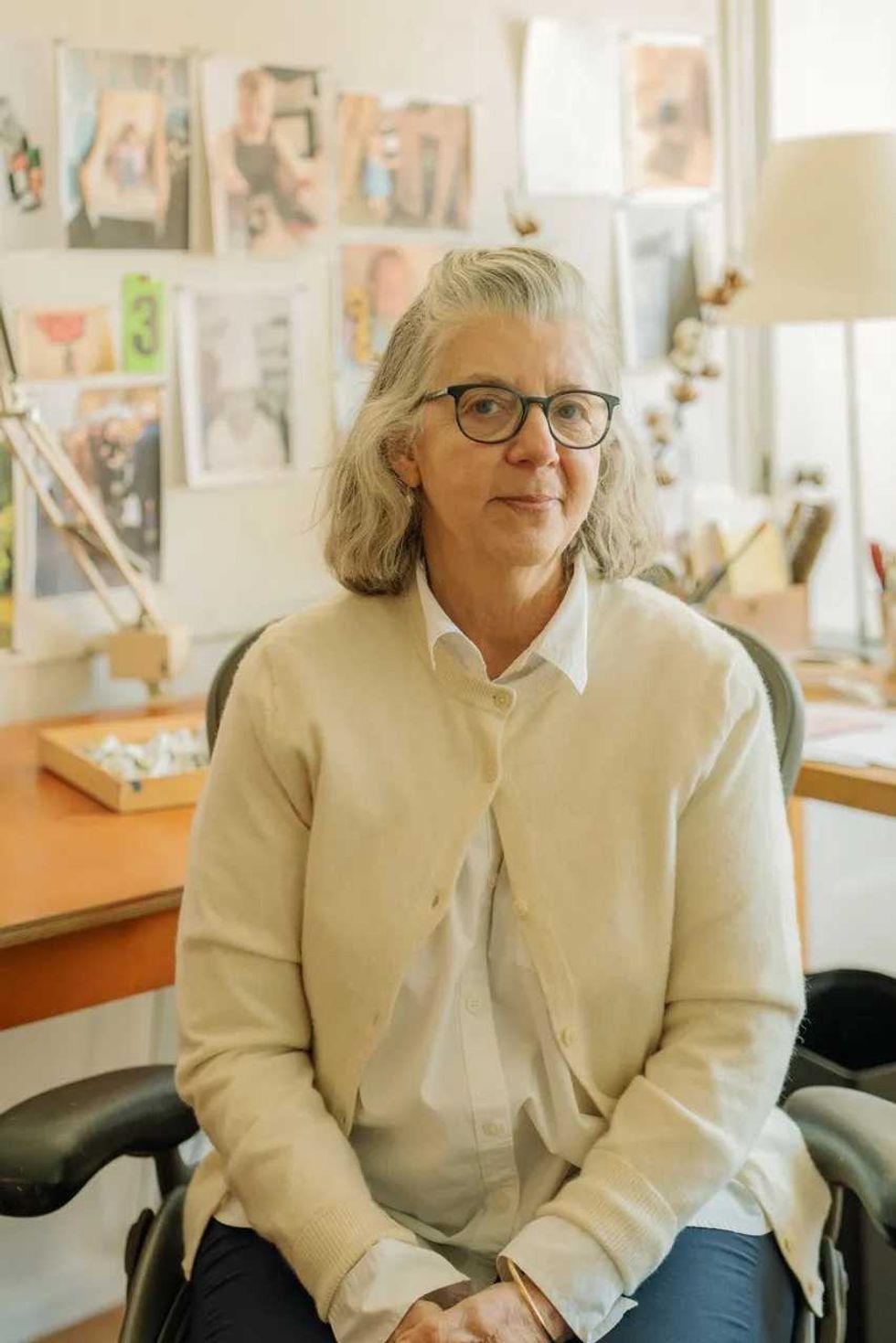
Joan Osofsky is closing the doors on Hammertown, one of the region’s most beloved home furnishings and lifestyle destinations, after 40 years, but she is not calling it an ending.

“I put my baby to bed,” she said, describing the decision with clarity and calm. “It felt like the right time.”

Keep ReadingShow less
A celebratory season of American classics and new works at Barrington Stage Company
Playwright Keelay Gipson’s “Estate Sale” will have its world premier this summer at Barrington Stage Company.
Provided

Amid the many cultural attractions in the region, the Barrington Stage Company in Pittsfield, Massachusetts, stands out for its award-winning productions and comprehensive educational and community-based programming. The theater’s 2026 season is one of its most ambitious; it includes two Pulitzer Prize-winning modern classics, one of the greatest theatrical farces ever written, and new works that speak directly to who we are right now as a society.

“Our 2026 season is a celebration of extraordinary storytelling in all its forms — timeless, uproarious and boldly new,” said Artistic Director Alan Paul. “This season features works that have shaped the American theater, as well as world premieres that reflect the company’s deep commitment to developing new voices and new stories. Together, these productions embody what BSC does best: entertain, challenge and connect our audiences through theater that feels both essential and alive.”

Keep ReadingShow less
google preferred source

Want more of our stories on Google? Click here to make us a Preferred Source.
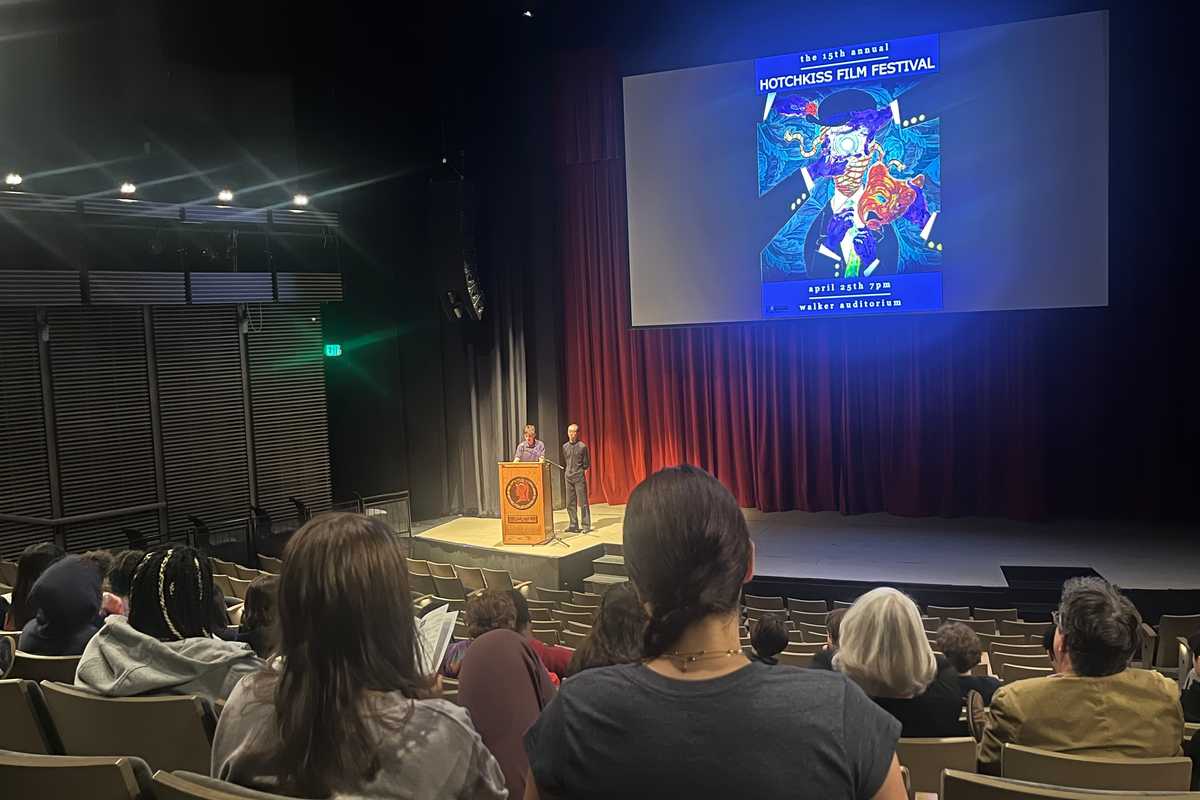
Hotchkiss Film Festival celebrates 15th year of emerging filmmakers

Student festival directors Trey Ramirez (at the mic) and Leon Li introducing the Hotchkiss Film Festival.

Brian Gersten

The 15th annual Hotchkiss Film Festival took place Saturday, April 25, marking a milestone year for a student-driven event that continues to grow in ambition, reach and artistic scope. The festival was founded in 2012 by Hotchkiss alumnus and Emmy-nominated filmmaker Brian Ryu. Ryu served as a festival juror for this year’s installment, which showcased a selection of emerging filmmakers from around the region. The audience was treated to 17 films spanning drama, horror, comedy, documentary and experimental forms — each reflecting a distinct voice and perspective.

This year’s program was curated by student festival directors Trey Ramirez and Leon Li, working alongside faculty adviser Ann Villano. With more than 52 submissions received, the selection process was both rigorous and rewarding. The final lineup included six films from Hotchkiss students.

Keep ReadingShow less
Artist Maira Kalman curates ‘Shaker Outpost’ in Chatham

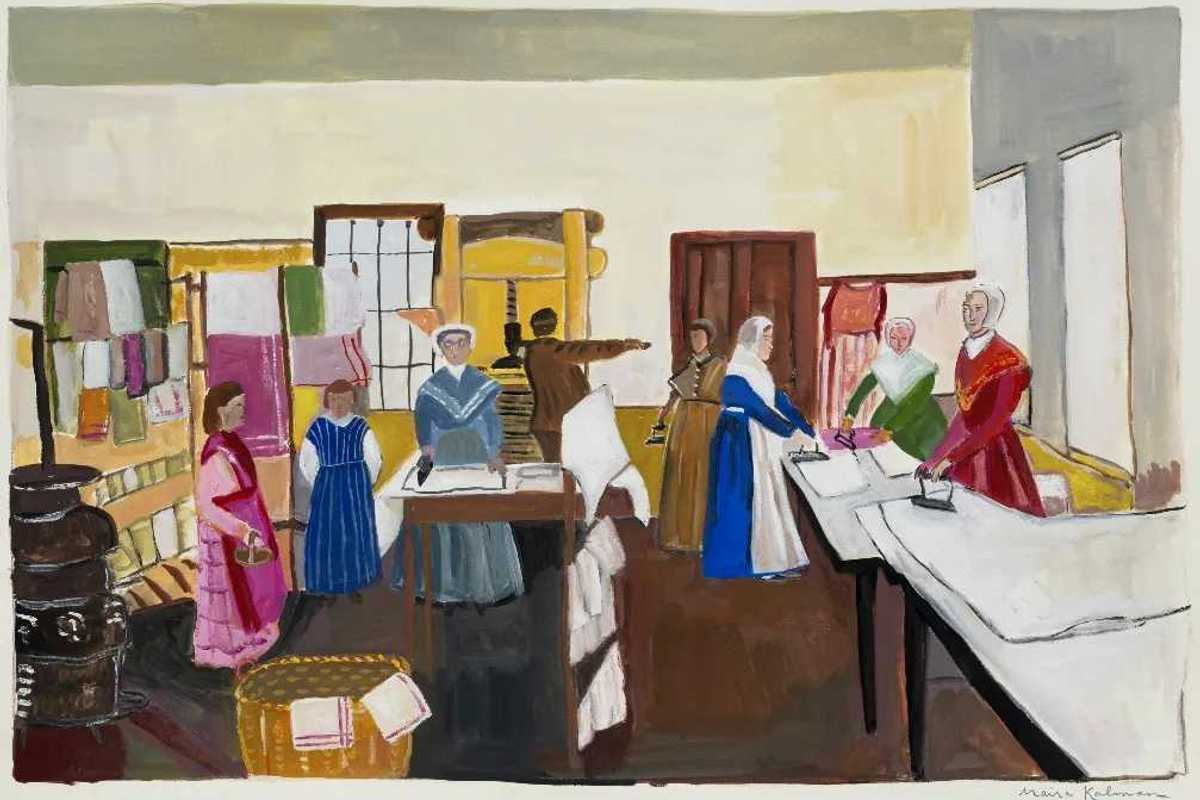
The Laundry Room, a painting by Maira Kalman from the exhibition “Shaker Outpost: Design, Commerce, and Culture” at the Shaker Museum’s pop-up space in Chatham.

Photo by Maira Kalman; Courtesy of the artist and Mary Ryan Gallery, New York

With “Shaker Outpost: Design, Commerce, and Culture,” opening May 2, the Shaker Museum in Chatham invites artist and writer Maira Kalman to pair her own new paintings with objects from the museum’s vast holdings, and, in the process, reintroduce the Shakers not as relic, but as a living argument for clarity, usefulness and grace.

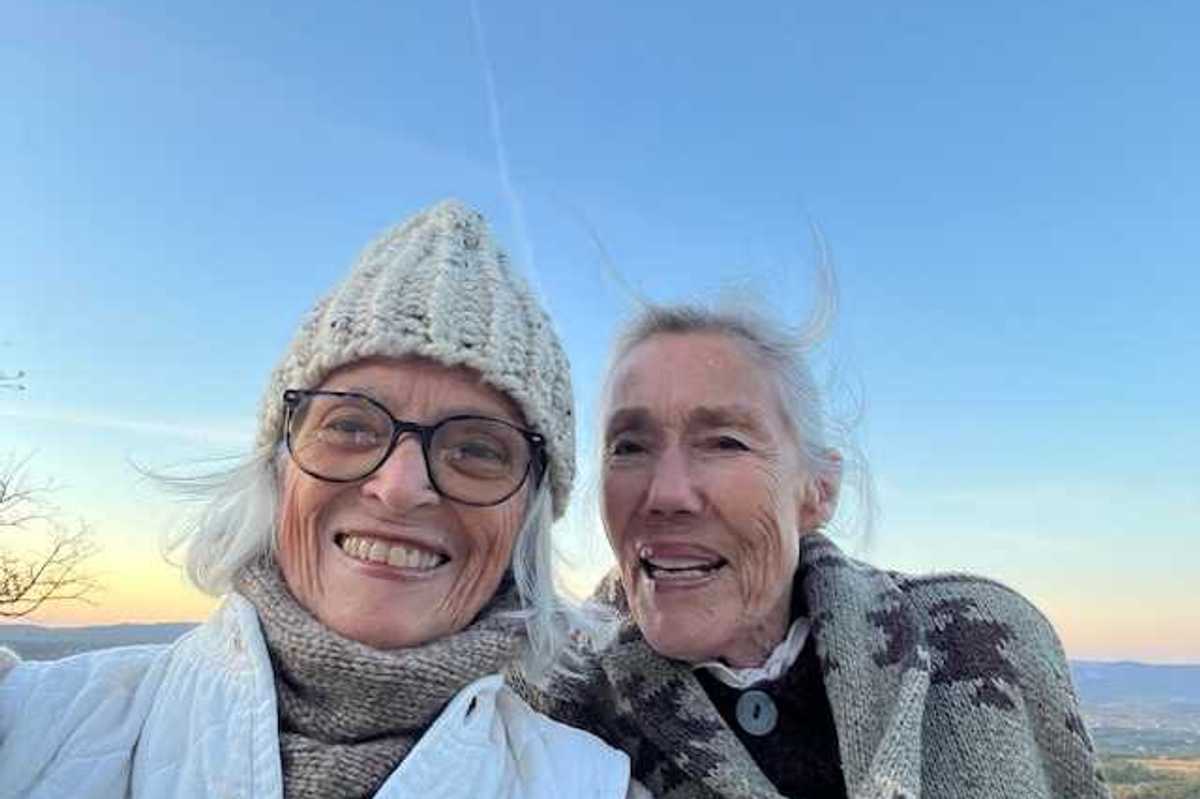
Born in Tel Aviv, Maira Kalman is a New York–based artist and writer known for her illustrated books, wide-ranging collaborations and distinctive work spanning publishing, design and fine art.

Keep ReadingShow less

Ticking Tent spring market returns

Ticking Tent spring market returns

The Ticking Tent Spring Market returns to Spring Hill Vineyards in New Preston on May 2.

Jennifer Almquist

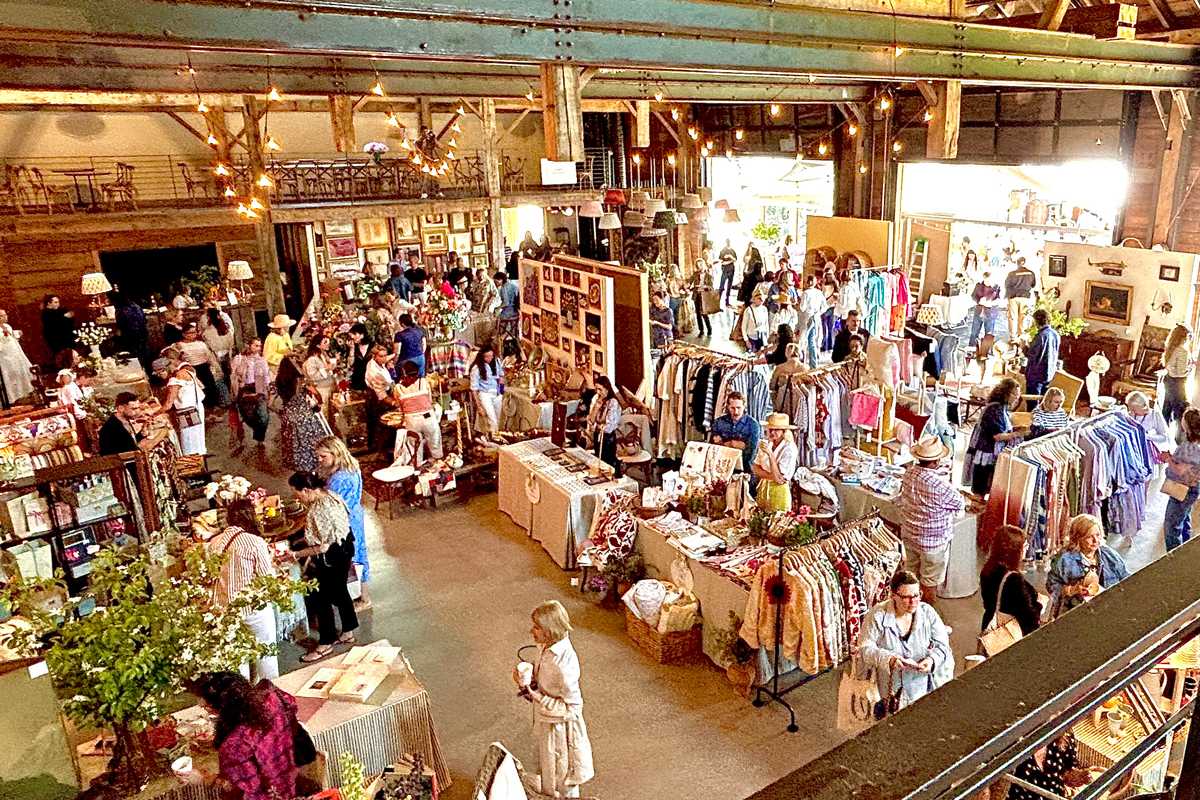
The Ticking Tent Spring Market returns to New Preston Saturday, May 2, bringing more than 60 antiques dealers, artisans and design brands to Spring Hill Vineyards for a one-day, brocante-style shopping event from 9 a.m. to 4 p.m.

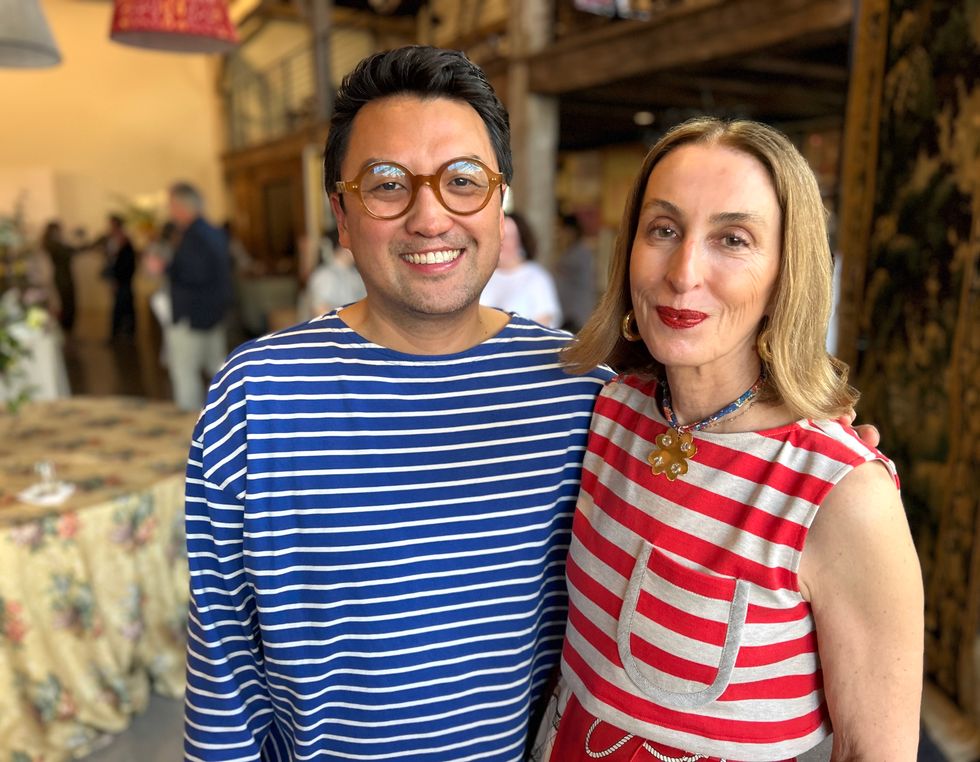
Co-founders Christina Juarez and Benjamin Reynaert invite visitors to the outdoor market at 292 Bee Brook Road, where curated vendors will offer home goods, fashion, tabletop and collectible design. Guests can browse while enjoying Spring Hill Vineyards’ wines and seasonal fare.

Keep ReadingShow less
google preferred source

Want more of our stories on Google? Click here to make us a Preferred Source.
google preferred source

Want more of our stories on Google? Click here to make us a Preferred Source.