Thank you!
Your support is sustaining the future of local news in our communities.

Discover Abigail Horace and Casa Marcelo

Functionality, spaciousness, and beauty: the guiding principles of Casa Marcelo, the start-up interior design business from Abigail Horace, echo the aesthetic values of Salisbury itself.

Her 2019 move from New York City to Salisbury was, in a some sense, a homecoming:

“The house that we grew up in had a backyard and we woke up to birds chirping and we had a community,” said Horace of her childhood home in Jamaica, Queens. “And that’s really what drew me up here. I felt like we do have more of a community here.”

Horace’s discovery of Salisbury was happenstance; a decade ago, her close college friend moved to Falls Village, where Horace visited her regularly, and fell in love with the area.

“Fast forward ten years,” said Horace, gesturing around Casa Marcelo’s warm, 19th century space: She and her husband moved to Falls Village in 2019 with a one-year-old; they are now raising two young sons in Salisbury.

After 10 years in high-end residential design in New York City, the move to the Northwest Corner was a welcome change for Horace. 

“I was exposed throughout my career to a lot of different kinds of luxury,” said Horace—she has designed for villas on Mustique (a private island in the Caribbean), penthouses with views of Central Park, lofts in TriBeCa and hedge funds in the Flatiron.

What Salisbury offers, she said, is the luxury of time and space: “[clients] are at peace and there’s no rush,” said Horace, commenting that even the contractors seem to have more time.

With the founding of Casa Marcelo, she’s been able to imbue her projects with that same spaciousness—working with the views up here, she said, is not unlike working with great art, in that the depth becomes a focal point of the space.

“I really try to give the space a chance to breathe,” she said. “It’s an additional layer of the design—to have a backyard that’s full of mountains.”

Part of letting the space breath, for Horace, is arranging it—both literally and metaphorically—around the life and personality of each client. She begins each project with an extensive questionnaire, which allows her to get a sense of how a potential client inhabits their space and their lives. It goes beyond the expected—beige, or colors? silver, or gold?—to ask how the client spends their leisure time, what their day-to-day routines consist of, where they love to travel, and what places they love the best. 

“I like figuring out who they are,” she said, particularly when their personal tastes and experiences differ from her own. “Those are the types of challenges that I like, because then I can really draw from my experience and design a space the client loves.”

There’s a challenge, said Horace, in creating a space that isn’t simply attractive, but feels deeply personal. (The logic is sound: No one actually wants to live in the chic little Parisian hotel featured in Arch Digest—all those exquisite grays are bound to become oppressive after a while.)

“I’ve walked into a lot of spaces that feel designed to the tee,” said Horace, comparing the effect to being in a museum. “It’s grounding to be  surrounded by things that you love and that remind you of who you are.” (Horace, who is half Dominican and half Panamanian, has a special regard for the way culture can be embedded in the texture of a home.)

Casa Marcelo is named for Horace’s family (Marcelo is her maiden name), and her design philosophy both honors and refutes her parents’ values.

“I think that my parents were extremely, extremely functional,” said Horace, and aesthetics were not a primary concern in her childhood home. In the formal living room, she said, the upholstered furniture was covered in plastic—including an exquisite chair which she saw uncovered for the first time this year (“I was like, wait, is this mohair?!”).

Now the mother of two young boys, Horace appreciates the practical functionality of her childhood home, she said, but she also believes that beauty is meant to be enjoyed, not to be preserved—practical, rather than precious.

“My mother had fantastic personal style,” said Horace. “That always inspired me, seeing the way that she put things together for herself. She was always fashionable—she had a really short bob, she wore a lot of pattern. She was just rocking it, all the time.”

Patterns and textiles are central to Horace’s approach: “The rug is the foundation of the room,” she said. Each space with the rug and the lighting: “Your eyes are just drawn up to the chandelier—it should be worth it […] Then I always have like a soft texture that everyone wants to sit on—something cozy.”

The space itself, she said, works best when it’s a frame for someone’s life. “Ideally, an interior is the backdrop of a lot of memories for a lot of people.”

Ultimately, it is Horace’s goal to create homes rooted in all of the aspects of a client’s life—their heritage, their routines, their social and interior lives, the things they love and the memories they cherish. A space like that “helps you to breathe better, or come into your day enthusiastically,” said Horace. “It can completely shift your mindset.”

Abigail Horace in her new design studio, Casa Marcelo. Photo by Maud Doyle
Related Articles Around the Web

Latest News

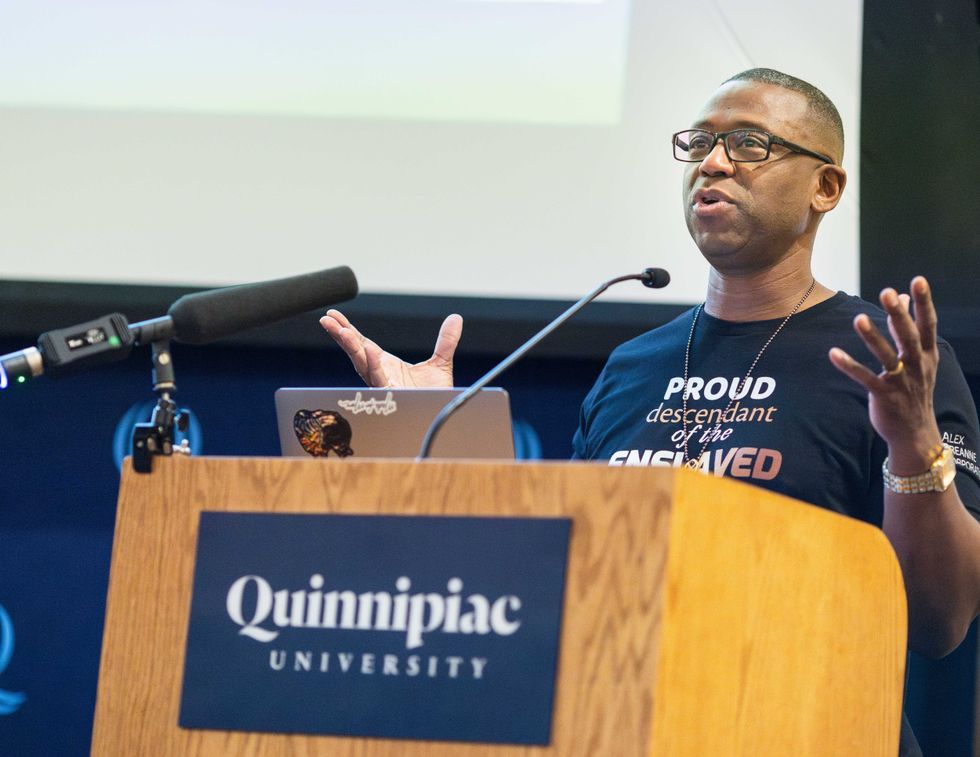
Cornwall Historical Society celebrates Connecticut’s Black patriots

On Saturday, Oct. 24, at the Cornwall Historical Society, author and genealogist John Mills will breathe new life into the stories of some of Connecticut’s more underappreciated patriots. The reason these heroes were forgotten? They were Black.

At a time when white colonists were fighting for their own liberty and political independence, many Black men who fought alongside them remained enslaved. Some risked their lives only to return to bondage. Though enslaved people were promised freedom from both sides of the Revolutionary War in exchange for their service, Great Britain, too, was still deeply dependent on slavery. For Black people in America, the war presented both extraordinary risks and uncertain paths to the freedom that white colonists were demanding for themselves.

Keep ReadingShow less

A sanctuary for second chances

A sanctuary for second chances

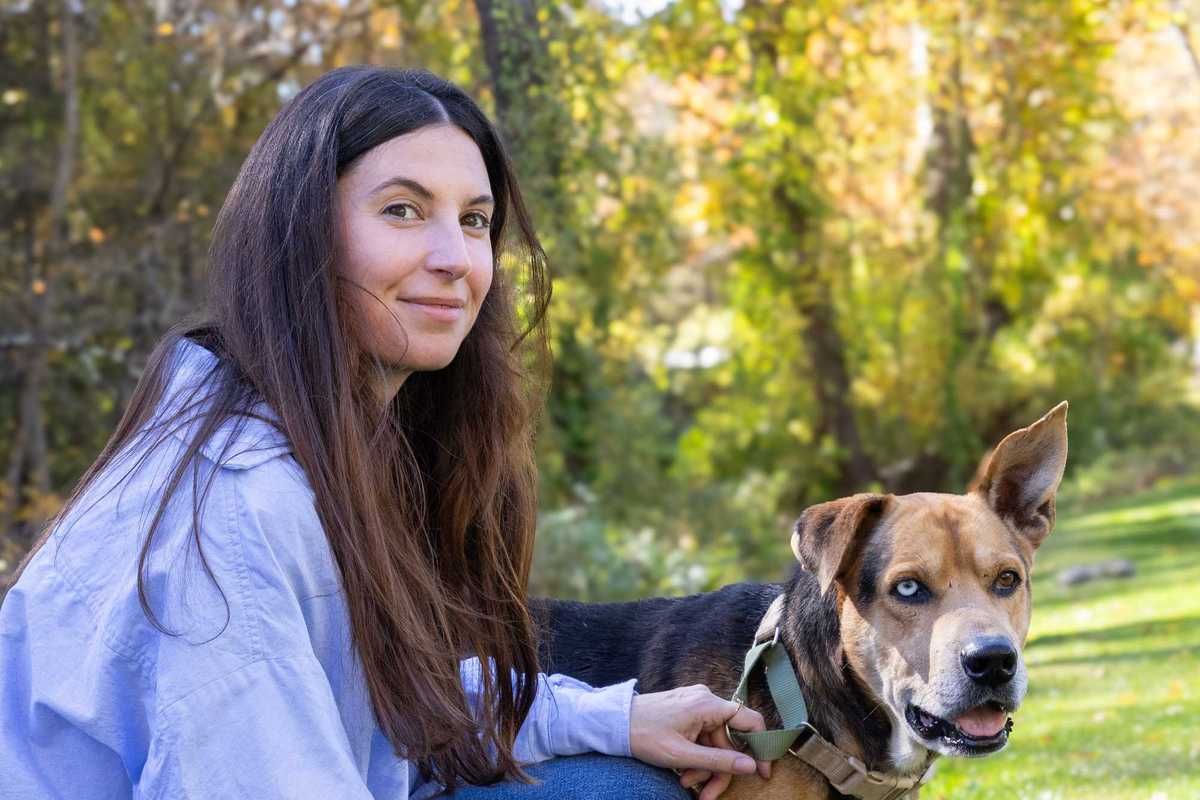
Stephanie Saetta runs Charlie Chicken Bones, a sanctuary in Salisbury.

Madi Long
You only get one or two of these soul connection dogs, so I do this in his honor.
— Stephanie Saetta

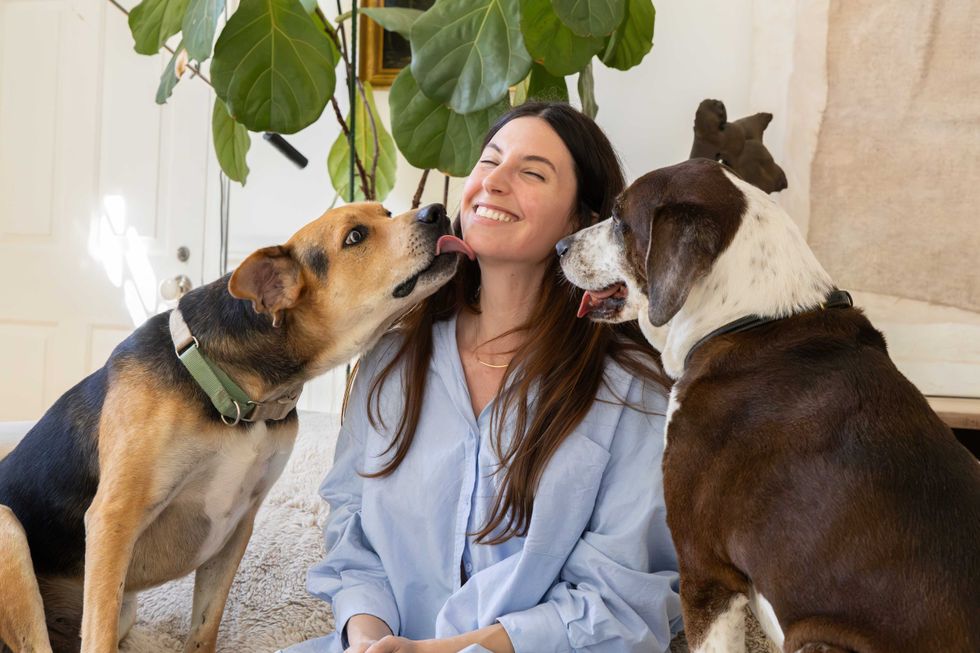
Stephanie Saetta has spent much of her life caring for others. A physician at White Plains Hospital, she has another calling at home in Salisbury — one that has four legs and a wagging tail. She runs Charlie Chicken Bone Sanctuary, a nonprofit dog rescue that brings dogs from overcrowded pounds and the streets of Texas to foster homes in northwestern Connecticut, where they can begin again.

The sanctuary is named for Charlie, the dog who taught her how special a bond between a person and rescue animal can be.

Keep ReadingShow less
Big ideas come to Lenox for inaugural field festival

Hunter Runnette, founder and board chair of field, has spent years fostering arts and cultural programming in the Berkshires.

Provided

What do joy, gardening, artificial intelligence, the American experiment and the creative process have in common? Quite a lot, as it turns out, at least when some of the world’s most compelling thinkers get together to talk about them.

From Friday, Oct. 23, through Sunday, Oct. 25, Lenox, Massachusetts, will host the inaugural field festival, a three-day gathering of writers, artists, scholars and cultural figures at Shakespeare & Company. Billed as a festival of ideas, entertainment, learning and discovery, field brings together an impressive roster of voices to explore everything from the deeply personal to the profoundly political.

Keep ReadingShow less
google preferred source

Want more of our stories on Google? Click here to make us a Preferred Source.

The Pink House AM is serving up community

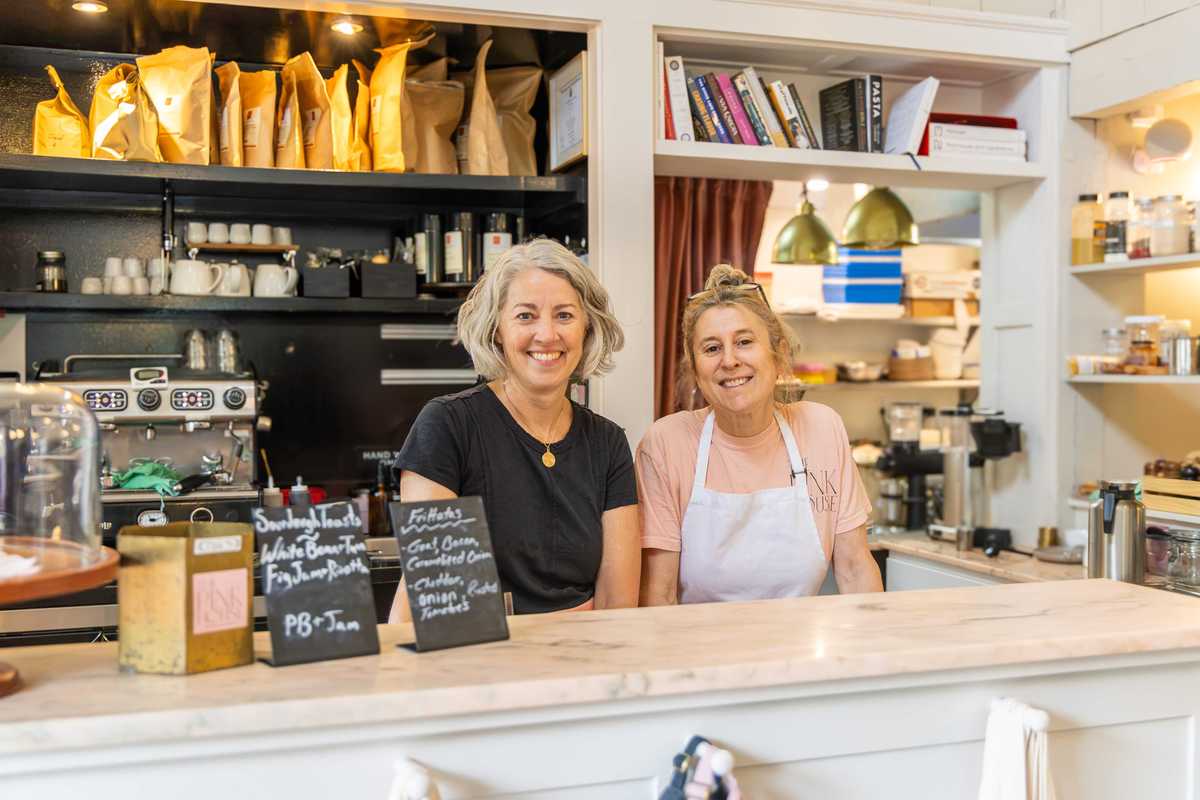
Mare Rubin and Maggie Levine of the Pink House AM.

Madi Long

It all started with a yoga class. Mare Rubin was working on her second act after leaving the Upper West Side, where she’d raised a family and worked in corporate marketing. Newly empty nesters, she and her husband decided to move to the wilds of northwestern Connecticut, where they had spent 15 years as weekenders, to see what life in the woods had in store for them.

Rubin started teaching yoga classes at the Union in West Cornwall, a space designated by the town of Cornwall as a community hub with couches, Wi-Fi, occasional events and a growing yoga class schedule. She was adjusting well but missed one important thing about city life: a casual coffee shop.

Keep ReadingShow less
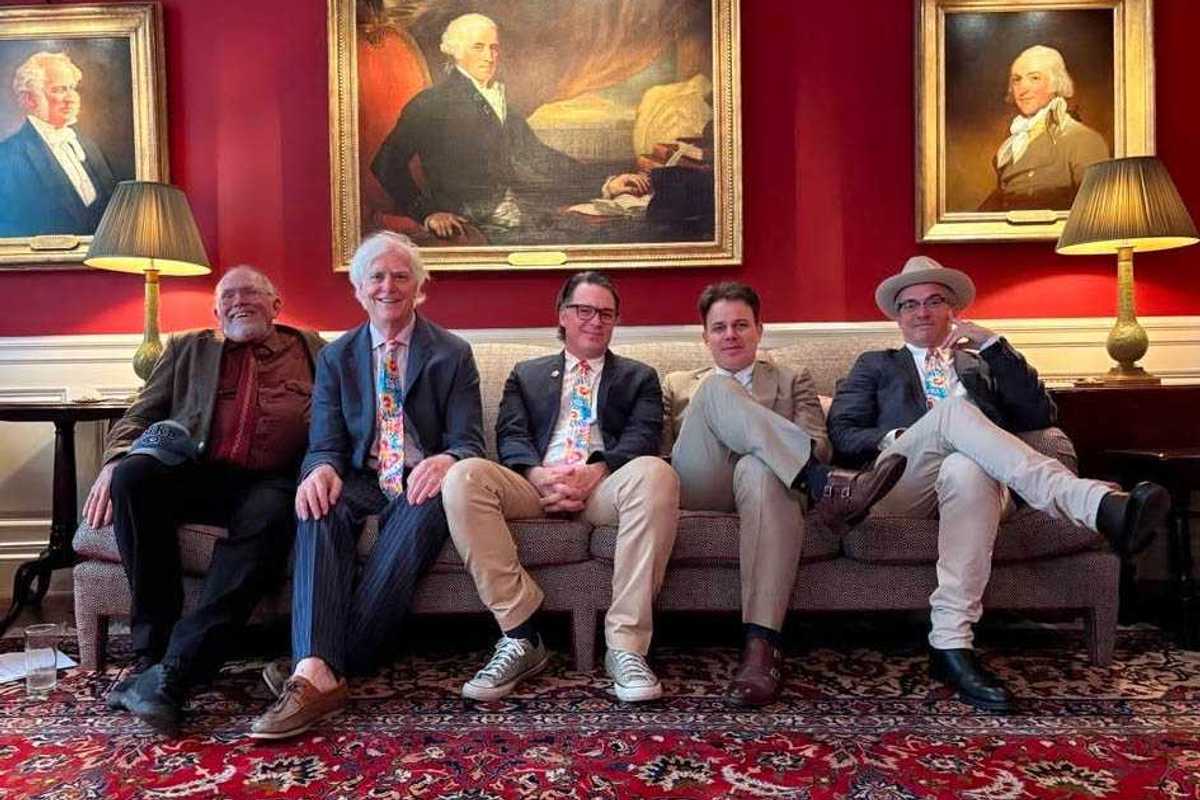
Sons of Astro are musicians, friends and bandmates — in that order

The Sons of Astro will be at the Common Pub in Housatonic on Oct. 24 and the 2nd Home Lounge in Winsted on Nov. 14.

Provided

No matter where they are in the world, musicians seem to find other musicians. There’s a shared language, a shared experience of being on stage and performing, and a shared enthusiasm for making those melodies by themselves or together. Such is the case with Norfolk and Brooklyn-based cosmic Americana band Sons of Astro.

That magnetic musicians’ bond drew Brooklyn-based singer-songwriter and multi-instrumentalist Mike Cobb into the orbit of singer-songwriter and multi-instrumentalist Matt Statler. The two neighbors took to each other right away and were soon playing open mics together. As an ethics professor at NYU’s Stern School of Business, Statler made the case that if he sat in for Cobb’s set and Cobb sat in for Statler’s, they could play together and double their stage time. Clearly, these men wanted to make as much music as possible. That became a little harder when Cobb and his family moved up to Norfolk, Connecticut.

Keep ReadingShow less
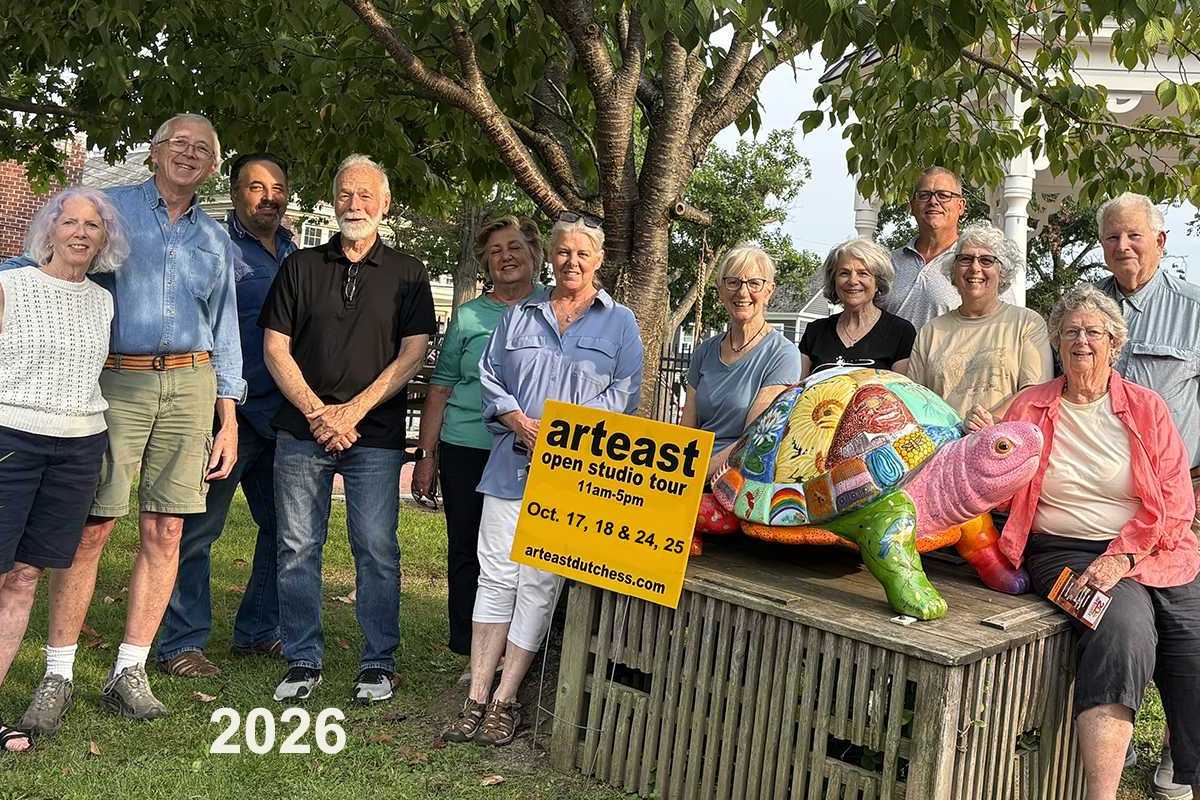
One more weekend to get inside the art at ArtEast

The participating artists in this year’s ArtEast open studios.

Provided

ArtEast’s annual October Open Studio Tour is already underway, but there’s still one more weekend to step inside the creative worlds of artists working throughout eastern Dutchess County. On Saturday and Sunday, Oct. 24 and 25, artists will once again open their studio doors, inviting visitors to see where the work happens, meet the people who make it and perhaps discover something worth taking home.

Now in its 21st year, the ArtEast October Open Studio Tour offers a self-guided journey with participating studios in Holmes, LaGrangeville, Hopewell Junction, Pawling, Patterson, Poughquag and Wingdale. Visitors can explore painting, photography, sculpture, mixed media and other artistic practices, and get some leaf-peeping in at the same time.

Keep ReadingShow less
google preferred source

Want more of our stories on Google? Click here to make us a Preferred Source.

google preferred source

Want more of our stories on Google? Click here to make us a Preferred Source.