There was a time when bathroom humor involved something other than computers. Those were the good old days. Now it involves (ahem) workload. Recently a retired friend of mine visited his replacement at his former place of employment and discovered that the poor guy received “gifts� of computers from management. New laptops for the office, for his car, (hopefully when the vehicle ain’t movin’), computers for his home and well, probably for the john, too. It appears that the computer revolution has invaded man’s last bastion of peace, contentment and privacy and, oh yeah, they’ll get around to waterproofing them for the shower.
The recession takes part of the blame for this because of the job insecurity that allows management to squeeze their employees to work harder while rewarding themselves generously. The majority of the blame goes to the Gordon Gecko management style of American corporations. This country’s working class hasn’t had a crueler more corrupt collection of executives since the robber barons of turn-of-the century America. Upscale execs probably have computer free bathrooms, hell, it’s in their contracts.
These days, coffee at Starbucks is a mere technicality, second to the laptops and text messaging. On a Sunday afternoon a woman waiting on the line in front of me explained while she “texted� that she was checking her office mail and sending business messages on Sunday, on line for a latte ... right!? I asked her what she’d do on the beach and if she ever simply relaxed in a hammock with a drink in her hand, listening to music?! She appeared to be confused by the question. She was workin’ but it was Sunday and I was “hangin’ out,� hey, you remember “hangin’ out?� It’s a relaxing thing to do, goes well with coffee, tea, beer, or bourbon, it’s a nonwork thing. A jazz combo’s recording can be added, icing on the cake of tranquility.
While visiting a friend on Cape Cod, I wandered into a tag sale at a small beachfront hotel. I met the manager/owner as he stared sadly, longingly at a friendly old piano that centered the beach-front room. “You selling the piano?� I asked. Poor guy almost cried. “Wonderful memories,� he answered. “We gathered around it, sang, had some drinks around the piano, but I can’t fight these changing times.�
He explained that he was having the building rewired because hotel guests worked on their computers in the cocktail lounge. The piano music was disturbing them. They also used laptops out on the beach. He was redesigning the hotel for guests who were totally involved in working on their computers. His eyes watered as he spoke. Moment of silence. I walked out to the beach.
A warm sea breeze brought back a memory of Manzanillo, on the Sea of Cortez, west coast of Mexico, my girlfriend and I had rigged up a couple of hammocks beneath a scanty palm leafed overhang, drinking rum punch, sea breeze, sea gulls, just “hangin’ out.�
I’m reminded of a quote from the great artist/writer James Thurber. He said it was impossible to explain to his wife that while he was standing, staring out of the window, he was working. One of the great creative talents of the 20th century was standing, working, thinking, staring out of a window and thinking creative thoughts. Mr. Thurber knew how to “hang out.�
Bill Lee lives and draws in Sharon, Conn., and New York City.
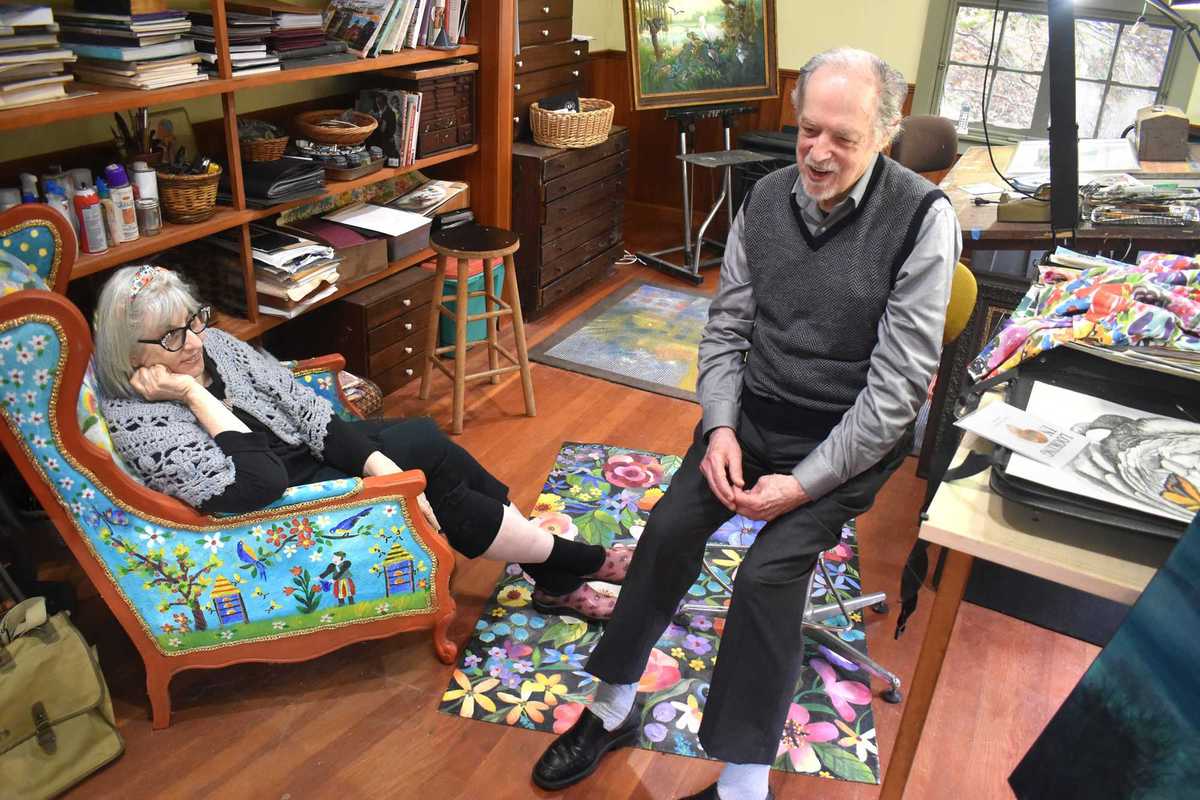
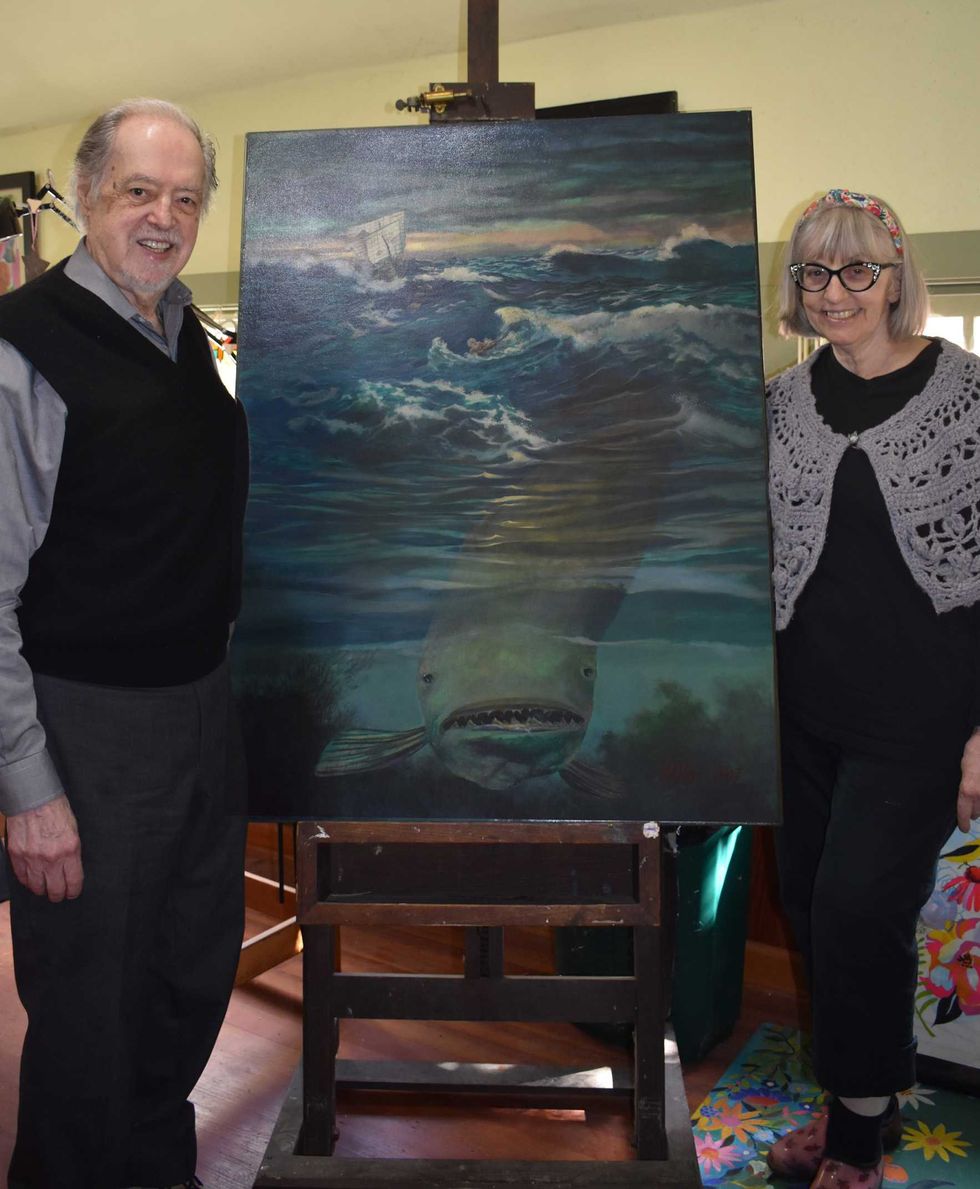 Justine and Victor Valla in their studio with a painting of Victor’s,”Jonah and the Whale.” Robin Roraback

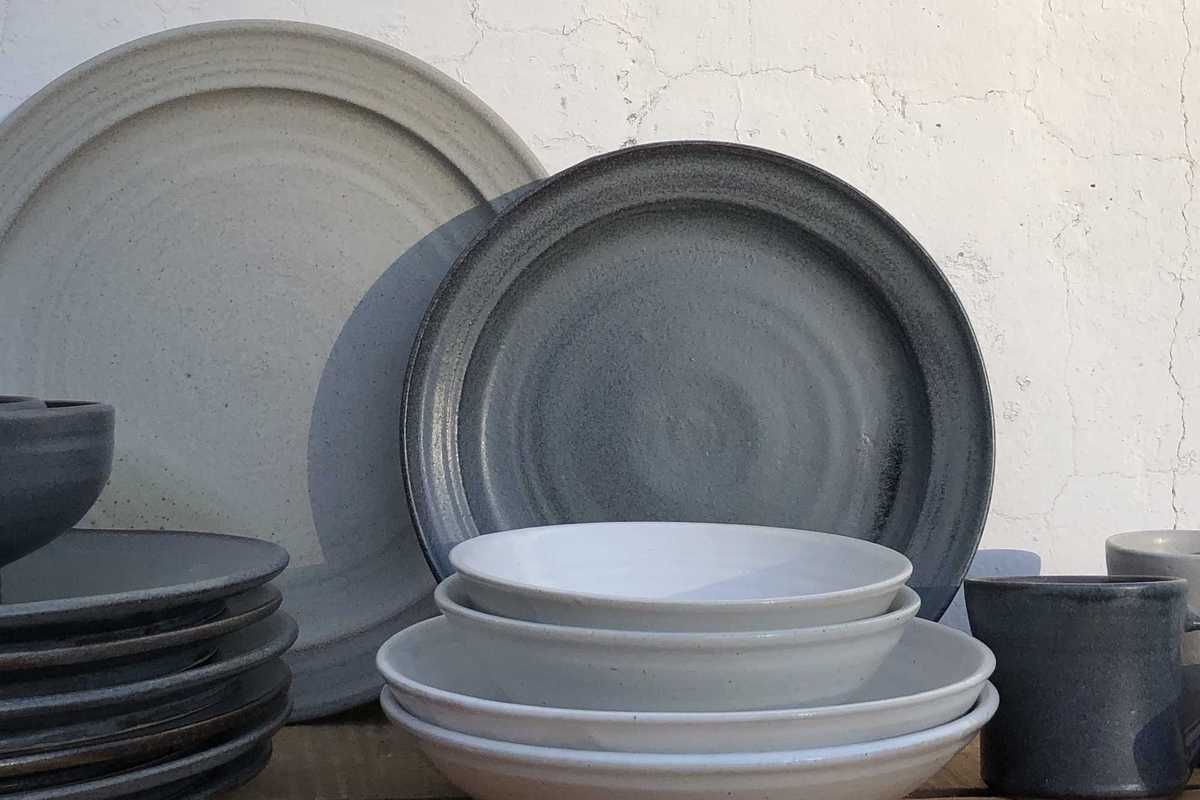
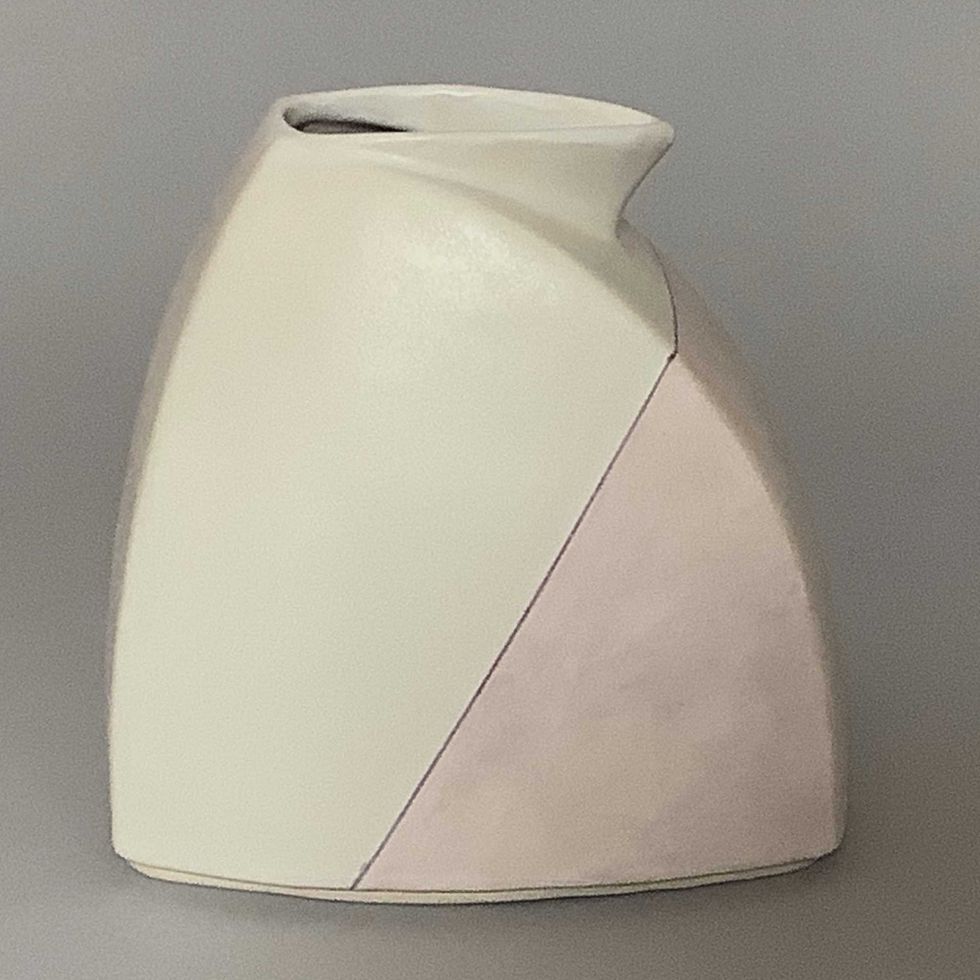 A ceramic vase by Kathleen Heidemann.Provided
 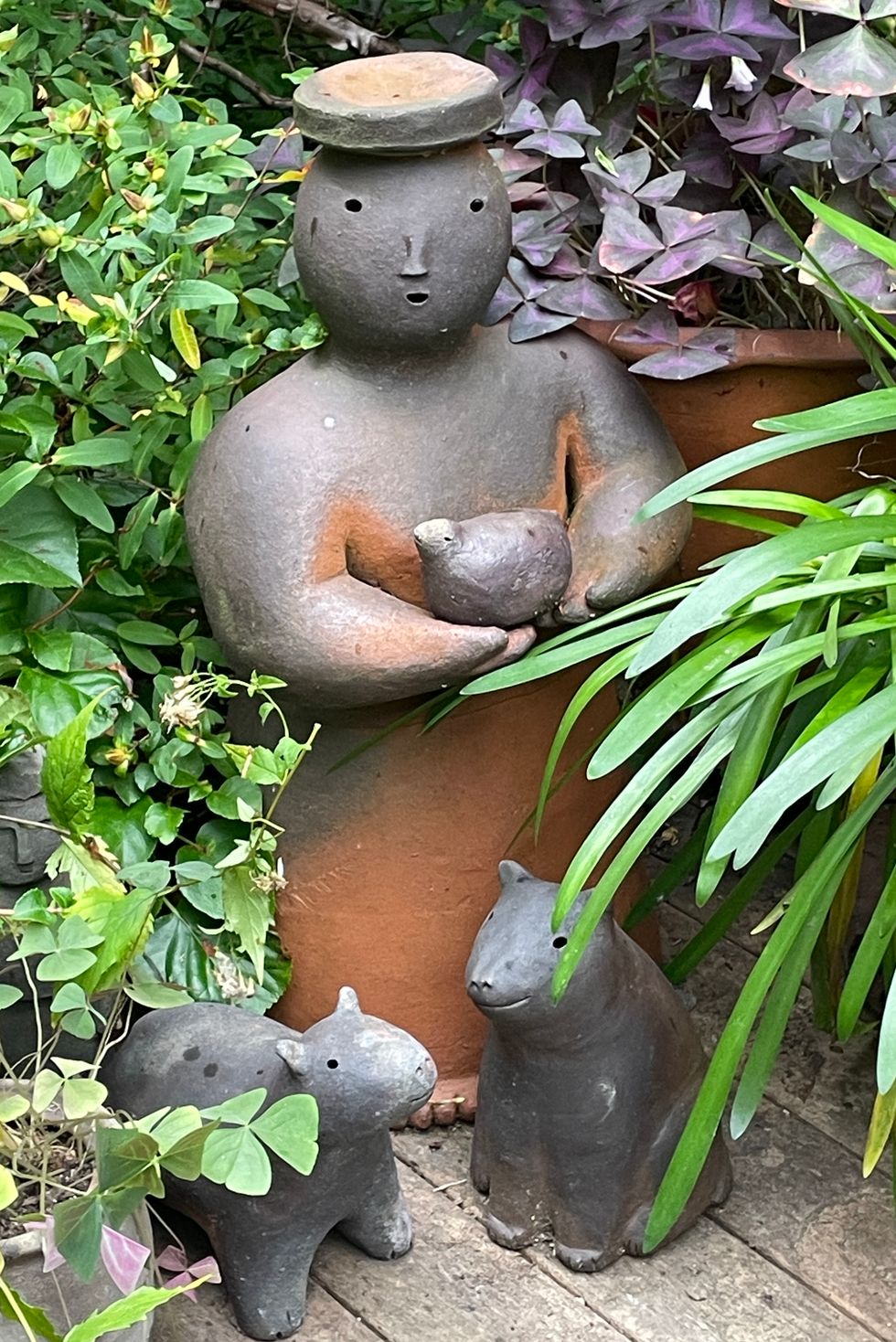 Joy Brown’s delightful ceramic sculptures.Provided
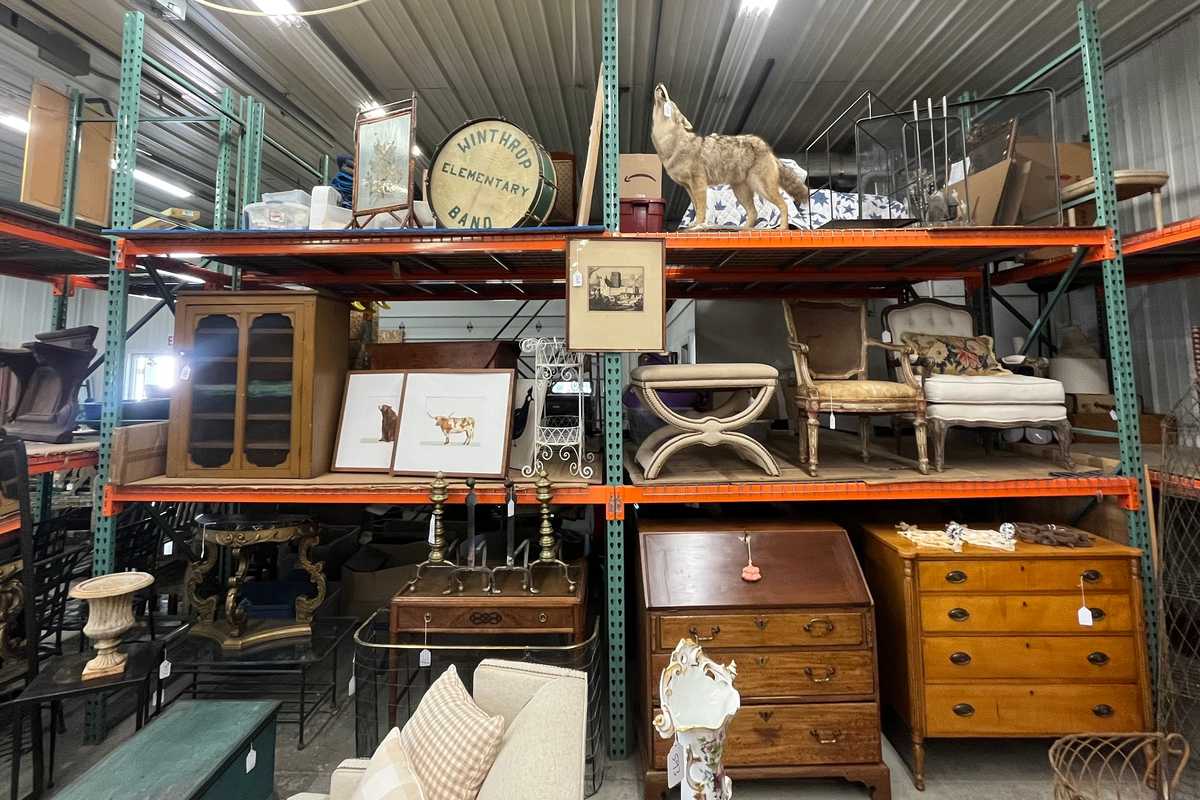
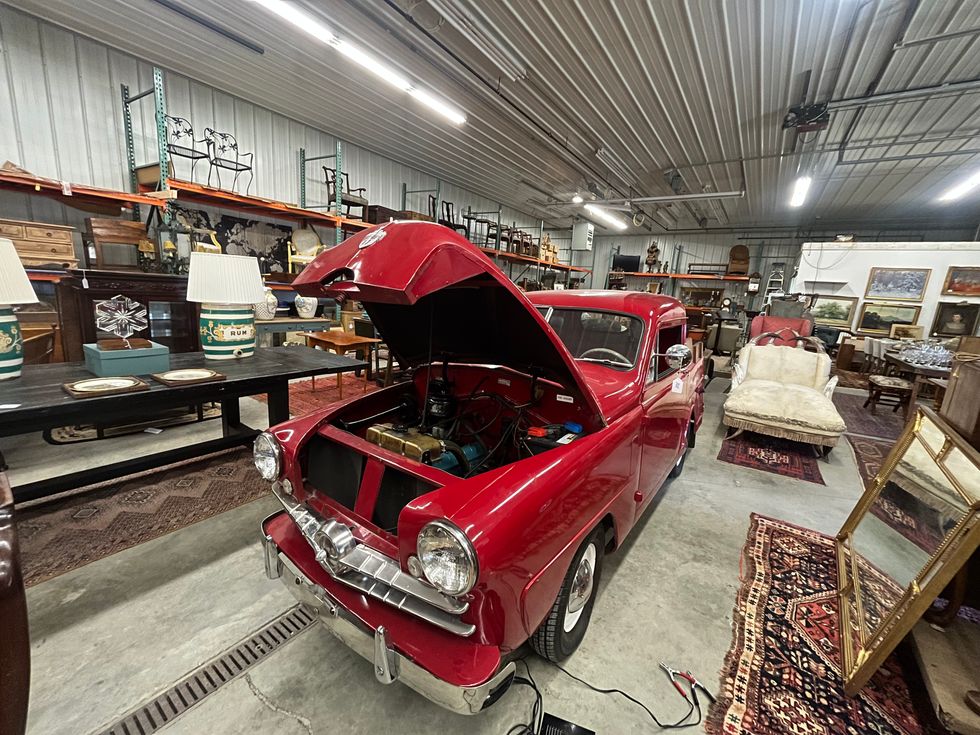 Hundreds of items at Stateline Auctions, including a candy-apple-red Crosley pickup truck.D.H. Callahan