Part 1 of 2
President Donald Trump woke up one morning recently and declared that he had in effect “decided to give the Golan Heights to Israel.” In doing so, he reversed long-standing U.S. foreign policy and violated United Nations resolutions on the subject. Of course, the Golan has gas and oil reserves, as well as a near endless supply of fresh water, but there’s more to it than that, namely the matter of national security for all nations concerned.
In fairness to Donald Trump, he probably meant no ill, but simply knew little or nothing about the geography, history and complexity of the beautiful Golan Heights. He “went with his gut,” so to speak. While working with the World Health Organization in the Middle East in the 1980s, I got a bit more engaged in the Golan enigma, more than might be considered customary for a health worker, but here is my story, which is quite different from Trump’s. It begins with some background history.
Most of us know, or should know, that following the Six-Day War between Israel and its mostly Muslim-Arab neighbor states in 1967, Israel seized the Golan Heights from Syria, held onto it, militarized it, and moved Israeli settlers in, while moving Druses, Muslims, Arabs, Palestinians and others out (an exchange of about 26,000 residents).
The United Nations member states condemned the Israeli seizure, resolving that “the acquisition of territory by force is inadmissable,” and adding specifically that “The Israeli decision to impose its laws, jurisdiction and administration in the occupied Syrian Golan Heights is null and void and without international legal effect.” But no firm action was taken because the United States, with a seat on the UN Security Council, exercised its one-vote veto power in Israel’s behalf.
Then followed the Yom Kippur War of 1973, ending eventually with Egypt taking back the Sinai Peninsula. This was later confirmed and agreed to at the Camp David Accords sponsored by U.S. President Jimmy Carter, and by the 1979 Peace Agreement dealing with such issues as colonization of Palestinian lands by Israeli settlers. It was signed between Egyptian President Anwar Sadat and Israeli Prime Minister Menachem Begin. Together, Sadat and Begin won the Nobel Peace Prize. Peace is a risky business in the Middle East. Four years later President Sadat was assassinated in Cairo by a Jihadi extremist in 1981. Why? For signing a peace agreement.
The 1979 diplomatic and political peace agreement, handing over and demilitarizing Sinai, received accolades in the national and international media. Less noticed was a parallel technical agreement among experts concerned with marine biology and environmental protection to designate Southern Sinai as an internationally protected demilitarized maritime zone from Sharm El Sheikh to Ras Mohammad (great scuba diving, coral reefs and myriad species of fish and underwater life). The United States’ involvement in this even went from the N.Y. Museum of Natural History to the 101st Airborne Division (to ensure demilitarization). It was the technical environmental agreement that made the eventual diplomatic and political one possible.
It is not normally in the remit of the World Health Organization (WHO) to get involved in any political controversy and disputed situations such as the one involving Israel, Palestine, Syria and the Golan Heights. But it happens. Under the activist leadership of Denmark’s Dr. Halfdan Mahler, who was Director-General of WHO from 1973 to 1988, it became increasingly evident that the international campaign to realize the goal of Health for All (HFA) sometimes meant involvement in inescapably related political issues in order to get the health job done.
In 1985, WHO Director-General Mahler appointed me to serve as Director of Support Program for the WHO Eastern Mediterranean Region. It became immediately obvious that it was almost impossible to effectively reach HFA goals in an under-served, under-represented region, area or population under such a severe and complex political dispute as was the Golan Heights.
As a practical matter, who was in charge, whom should we work with, and from whom could we have authority to do so? How could clean water be assured for human health? Was there any way in which WHO could contribute to dispute resolution and peace in the Golan Heights? Officially, perhaps not, but unofficially, possibly yes.
It occurred to us that we could possibly replicate the success of a lesser-known technical and environmental maritime agreement, adopted after the 1973 war in Sinai, which had made the widely known official political Peace Agreement feasible, transferring a demilitarized Sinai back to Egypt in 1979. Could this work for the Golan Heights?
So we worked on an informal draft plan, a suggestion really, based not on maritime considerations but on humanitarian ones, and notably concern for ornithological protection of millions of migratory birds that use the crest lines of the Golan Heights, northward in spring and southward in autumn. Each year, 2,000 to 3,000 raptors (birds of prey), such as rare Pomeranian and Steppe Eagles, are slaughtered by AK-47-toting idiots who leave the carcasses uneaten along the slopes and snowy crest lines of the Golan mountains.
Part 2 next time.
Anthony Piel is a former director and general legal counsel of the World Health Organization.



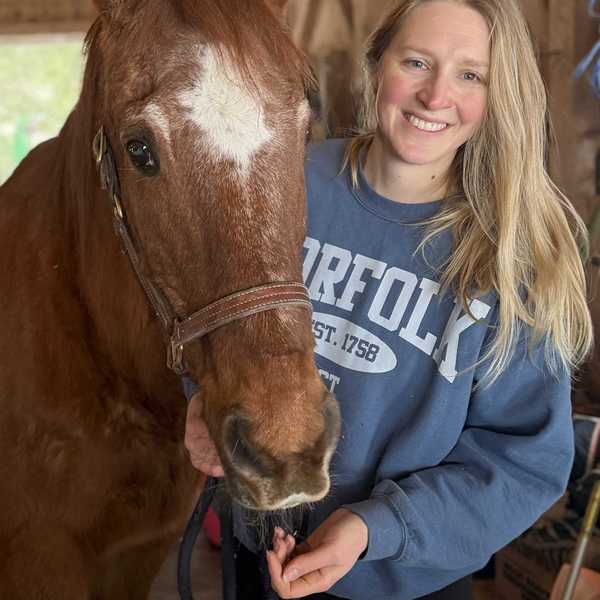
 Tiffany Lemelin, shelter manager, brushing Marsala upon arrival.Provided
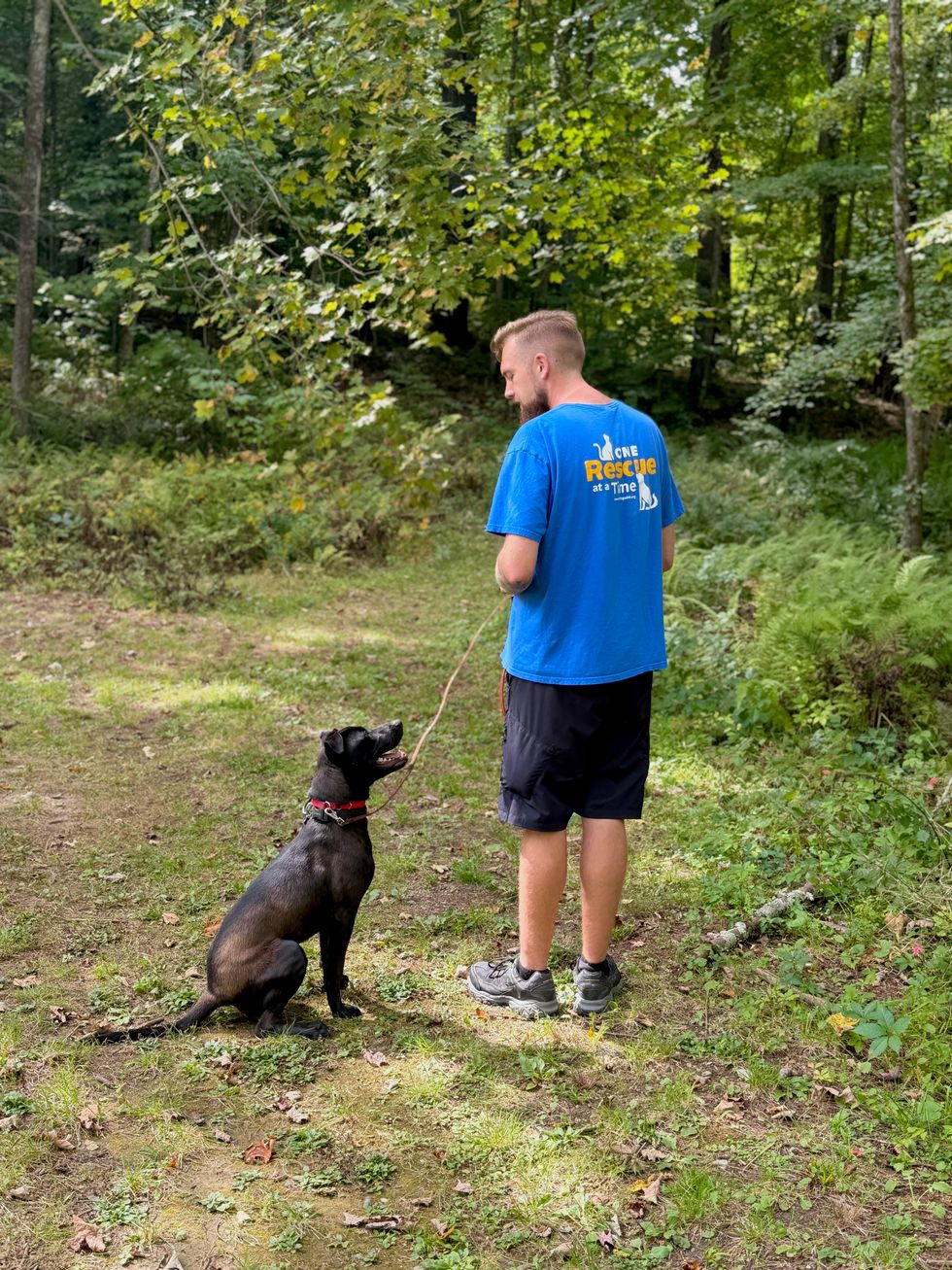 Michael DeBarba, certified dog trainer working with Marsala.Jennifer Almquist
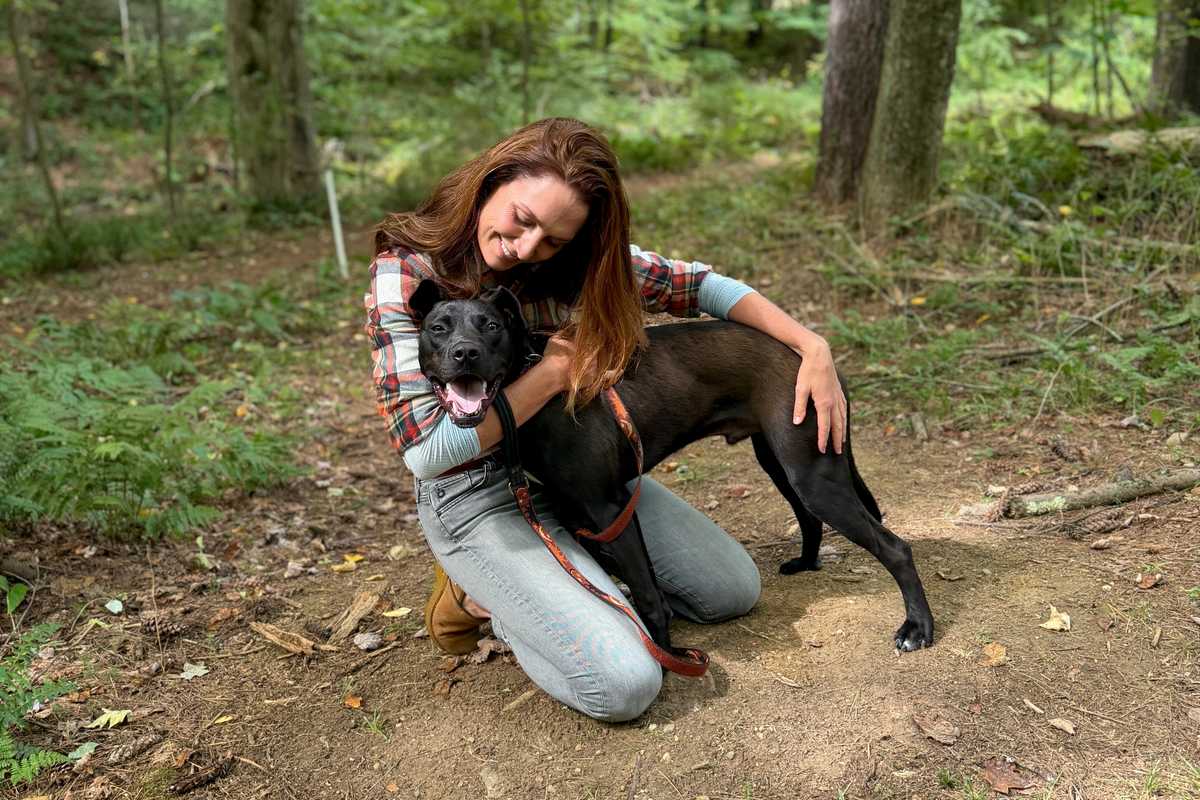 Marsala wins a heart.Jennifer Almquist


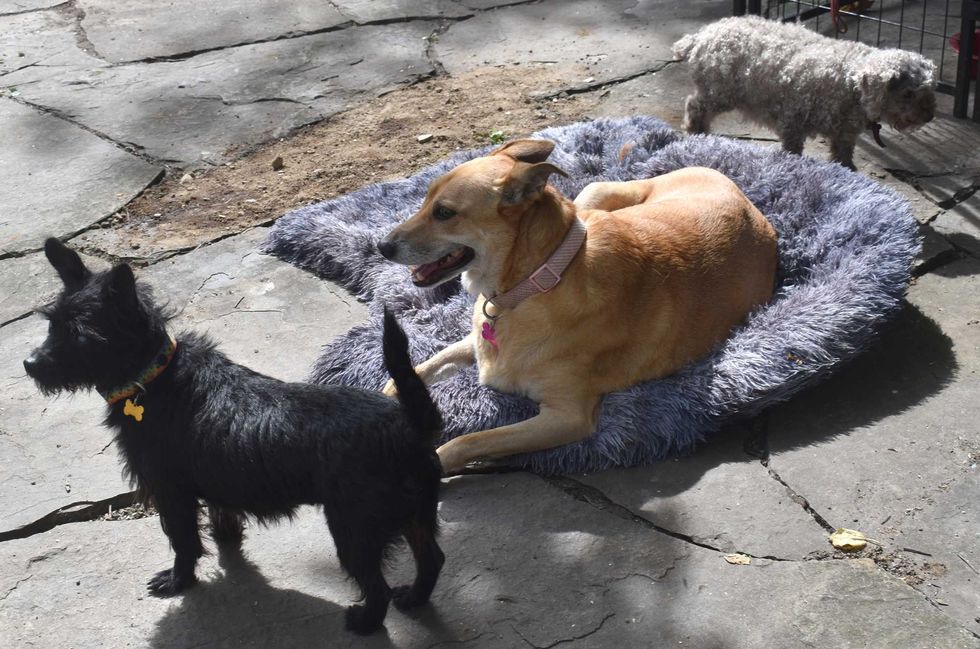 Sadie, center, a Carolina dog, plays with her friend Negra, a terrier mix. Bella Linda, the small poodle, has since been adopted.L. Tomaino
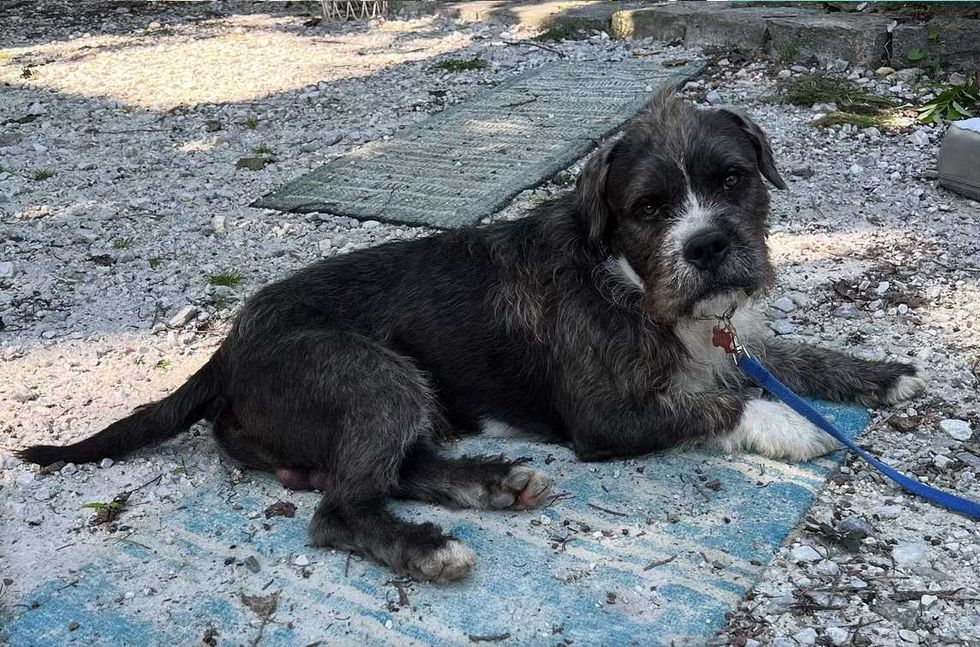 Wesley, a young, exuberant mix, is looking for an active home.L. Tomaino
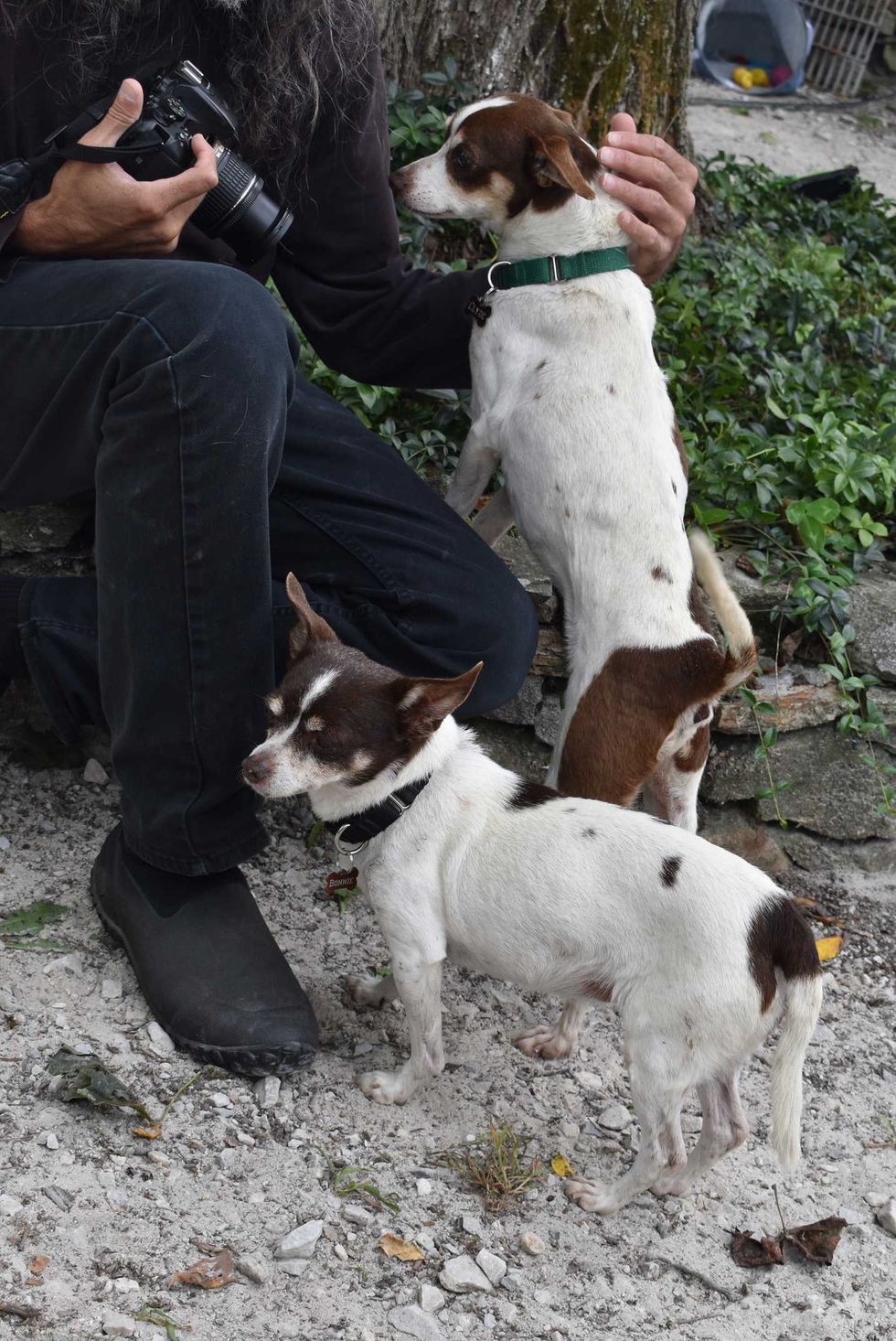 Bonnie and Clyde, an affectionate terrier pair.L. Tomaino


 Provided