PINE PLAINS — Following her return from Tijuana, Abby Nathanson, founder and director of Engaging People in Change (EPIC) in Millbrook, spoke to the Pine Plains community about conditions at the border between the United States and Mexico, sharing her insights and experiences in a discussion on Wednesday, May 15, in the Community Room above the Pine Plains Free Library.
Democratic Committee member Amy Rothstein introduced Nathanson’s, a 2014 graduate of Vassar College, a social activist and a Spanish interpreter.
Nathanson touched on how the meaning behind words like “caravan” and “Mexican” had expanded over time, as she had learned from her experiences at the border and in working with rural and immigrant high school students in northeastern Dutchess County.
Nathanson volunteered to help migrants in Tijuana during her Christmas holiday, putting to use skills she acquired through her work with EPIC. During her time in Tijuana, she worked both as an individual and as a volunteer with the Border Rights Project under the auspices of the bi-national, legal services organization Al Otro Lado.
Projecting a map of the United States onto a screen and zooming in on the area between San Diego and Tijuana, Nathanson asked the community if any of them had gone to San Diego and visited Tijuana while they were there. She invited them to share their impressions of Tijuana. One person recalled the abundance of merchandise, stores and pharmacies he had seen during his visit. Nathanson agreed, describing Tijuana as the most cosmopolitan place she had every been to as far as what outlets were available.
Gesturing to a photo of a sign indicating which direction people should walk in to enter the United States from Tijuana, she pointed out the peculiarity of having the United States within walking distance and having it still be inaccessible.
When talking about the experiences faced by migrants as they seek asylum, Nathanson said, “No rational human would put themselves through the situation I’m about to describe unless they had to.”
She explained that for asylum seekers (or individuals asking for political protection who can’t return to their own country) to put themselves through the arduous process to gain freedom, they have to fear persecution on one of five protected grounds, including: ethnicity, political opinion, religion, race or membership in a particular social group. She also clarified that asylum seekers differ from refugees as refugees are brought to the United States by the government while asylum seekers come of their own volition.
After reaching the entry point for the United States, Nathanson said asylum seekers are required to demonstrate what led to their decision to seek asylum; which group or individuals they fear; why their individual situation exists; if there was any police environment; and that they can’t go anywhere in their home country to seek protection. While she said individuals could previously seek asylum by surrendering themselves, now a list, which she referred to as “the illegal list,” has been instituted to decide who can claim asylum each day.
Pointing out the various entry points along the northern and southern borders of the United States, Nathanson reported that each entry point has its own version of the list.
Given the flaws in this system, Nathanson spoke of restrictions asylum seekers face to make their case, such as having to wait a six-week period just to be evaluated or needing to be at the entry point at the right place and time to see if they qualify. During this waiting period, she talked about the different paths migrants take to start their lives; while some decide they won’t qualify and choose to cross the border illegally, others build lives in Mexico while they wait.
Nathanson explained, “It would be a full-time job to keep up to date on every little change happening.” She also shared a few brief stories she heard from fellow volunteers and people she met at the border.
As a key word of counsel in her discussion, she advised her audience, if the situation ever arose, not to approach asylum seekers to ask them what led to their decision. To give the audience a clear understanding as to the choices at stake, she asked them to imagine how they would respond if they had been through the most traumatic experience of their life and, after surviving those experiences, what they would do if they had to share those experiences with a stranger who doesn’t speak their language and is ultimately deciding their fate.
“What choice would you make if you were in that situation… if you could no longer live in your home?” Nathanson asked.
By volunteering in Tijuana, she told people they would get to help others make better informed decisions. In opening the floor for questions from her audience, she offered to talk about a variety of related subjects, such as her work in asylum and juvenile status law. The audience spoke up to share their reactions to the realities of what happens to children at the border, the complicity of the Mexican government and the influence of the list.
“It’s really been absolutely fascinating and I know we all appreciate it,” Rothstein said to Nathanson, following the talk.
“I think it’s really cool that so many people care about this issue that they came out,” Nathanson replied.
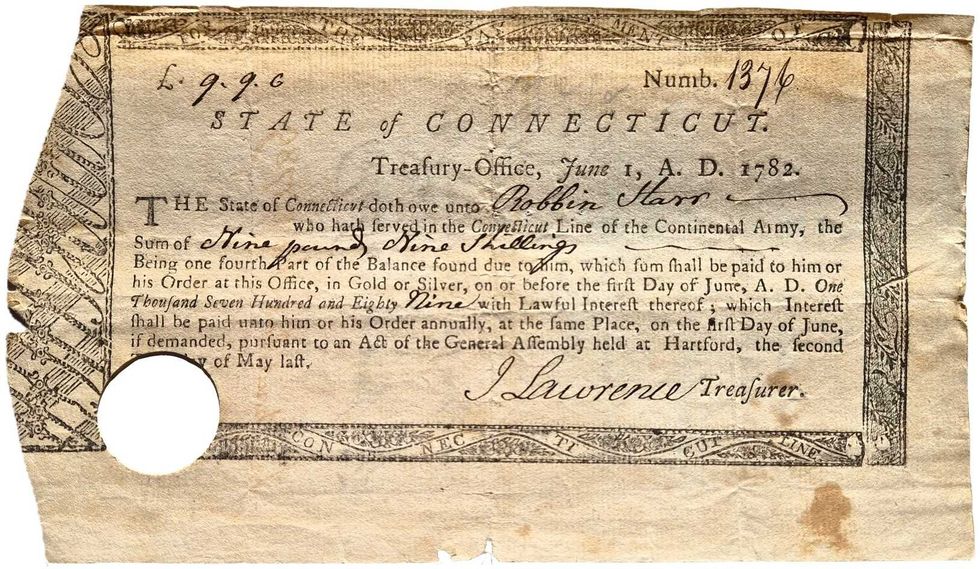 Pay Bill for Robin Starr’s service in the Continental Army.Courtesy the Alex Breanne Corporation
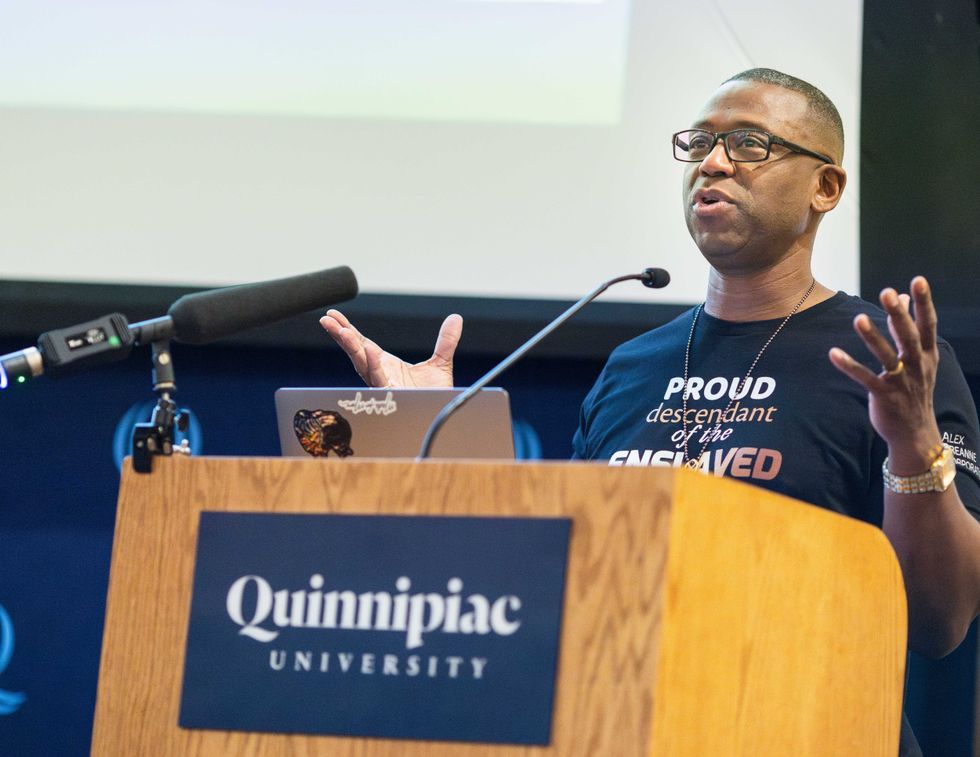 John Mills speaking at Quinnipiac University.Courtesy the Alex Breanne Corporation
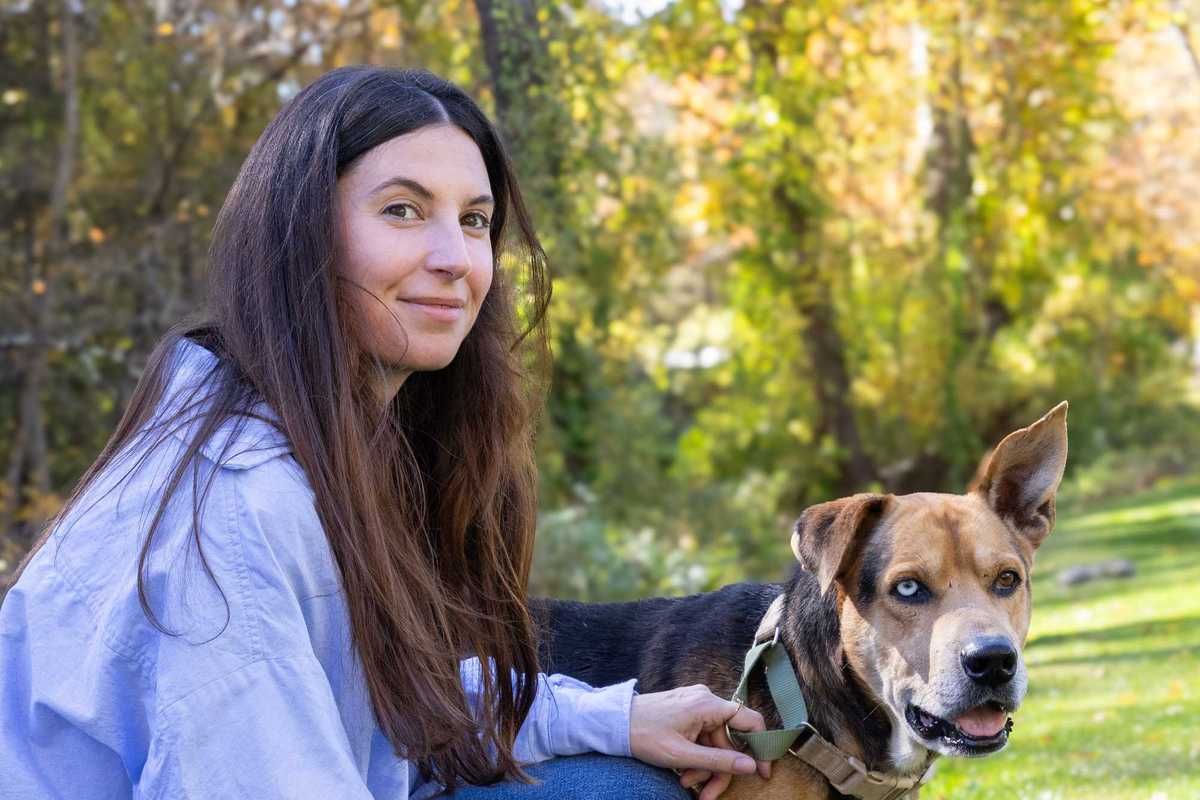
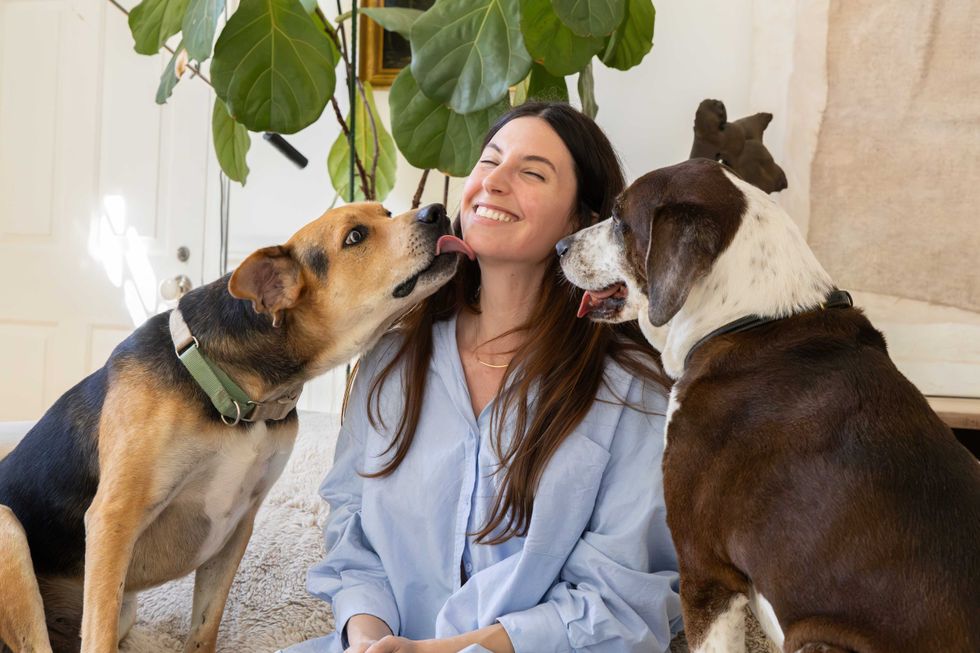 Stephanie Saetta,with her rescue dog George and Blue (left), a shepherd mix awaiting his forever home.Madi Long
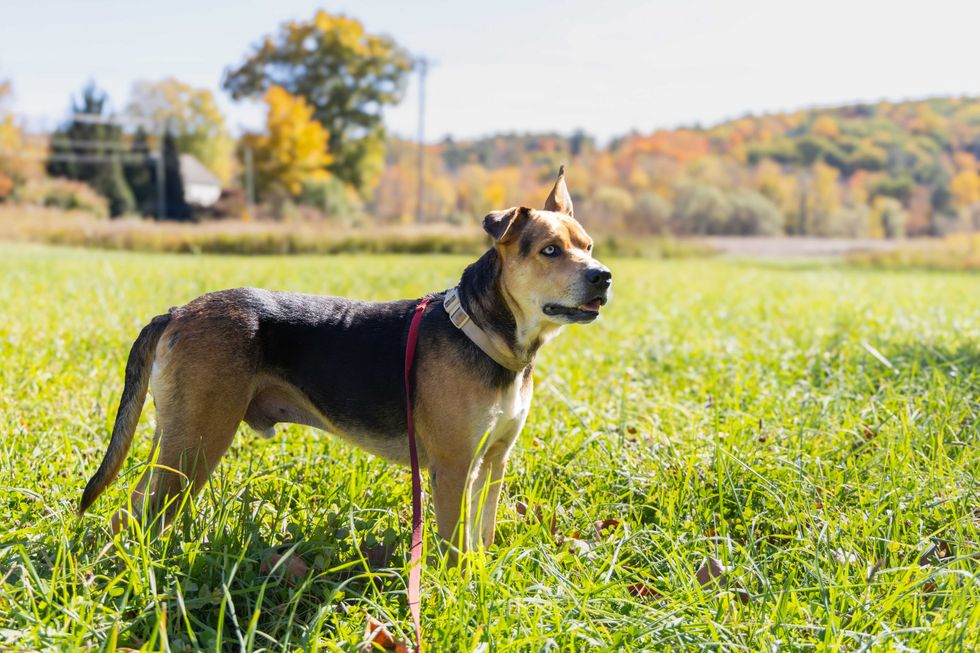 Blue, a 7 year-old Shepard mix, is waiting for his forever home. Madi Long