Americans have a certain sense of entitlement about having access to public land, a point made eloquently by filmmaker Ken Burns in his series on the National Parks currently airing on PBS. As Burns points out, the act of creating public land which gives all citizens the chance to experience nature is quintessentially American, democratic, as compared with Europe, for instance, where open land is commonly owned by aristocratic families, who may or may not choose to share it with their neighbors. The United States has gotten this right, setting aside such awe-inspiring land and wonders of nature for all to enjoy.
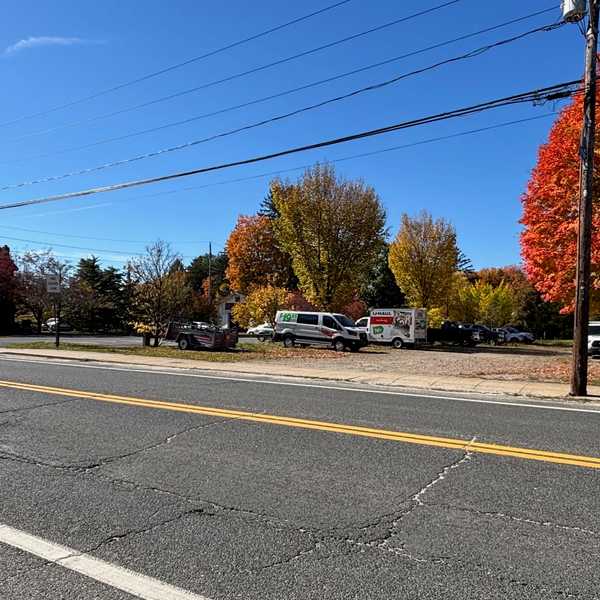
This sense of entitlement, however, has made for a contentious, and now litigious, battle in Sharon over the use of an easement, owned by the town, which is on Joray Road, an area not owned by the town, but rather, is privately owned. Property owners there had hikers, cyclists, horseback and surrey riders given access to their property through the town’s easement, until a contractor for two residents of the area decided to put up a fence across the easement during the construction of their home. The gate remained once construction was completed, and became the center of controversy. Those residents who have regularly used the easement for recreational purposes, which is its intention, are adamant that there should be no gate blocking any town easement, even if walkers and horses can still pass. But the property owners who posted the gate believe they were denied due process of the law when the town ordered them to remove the gate without a public hearing.
It’s a difficult problem, with valid arguments on both sides. Last weekend, however, a firm majority of 47 residents of the 80 at a special town meeting discussing the issue voted, against the advice of the attorney retained by the town’s insurance group, to go to federal court to preserve the easement as town property. This takes the discussion out of the hands of the town, or the selectmen, or the property owners, and places it in those of the courts, and the lawyers for both the town and the property owners who erected the gate.
There is a lot of money at stake in taking on such a court case, about half-a-million dollars in the assessment of the town’s insurer. If the town does not win the case, the town will be paying the bill for the lion’s share of that $500,000, mainly attorney’s fees, in order to try to preserve an easement that does not even lead to open, town-owned or state-owned land. The selectmen had hoped a settlement could be reached in order to avoid going to court and incurring all the costs associated with that, but the vote did not go that way. Now, even if the town wins the case which centers on the rights for due process by the property owners, there will still be large attorney’s fees, somewhere in the range of $200,000, for which the town will be responsible.
At a time when all towns are struggling with their budgets, and Sharon, specifically, has multiple infrastructure problems that need to be addressed in the near future, this seems like a lot of money to put toward maintaining one such easement. Because the vote has taken the town in that direction, however, this issue of the Joray Road easement will play out in the courts, and the discussion will be a very costly one.
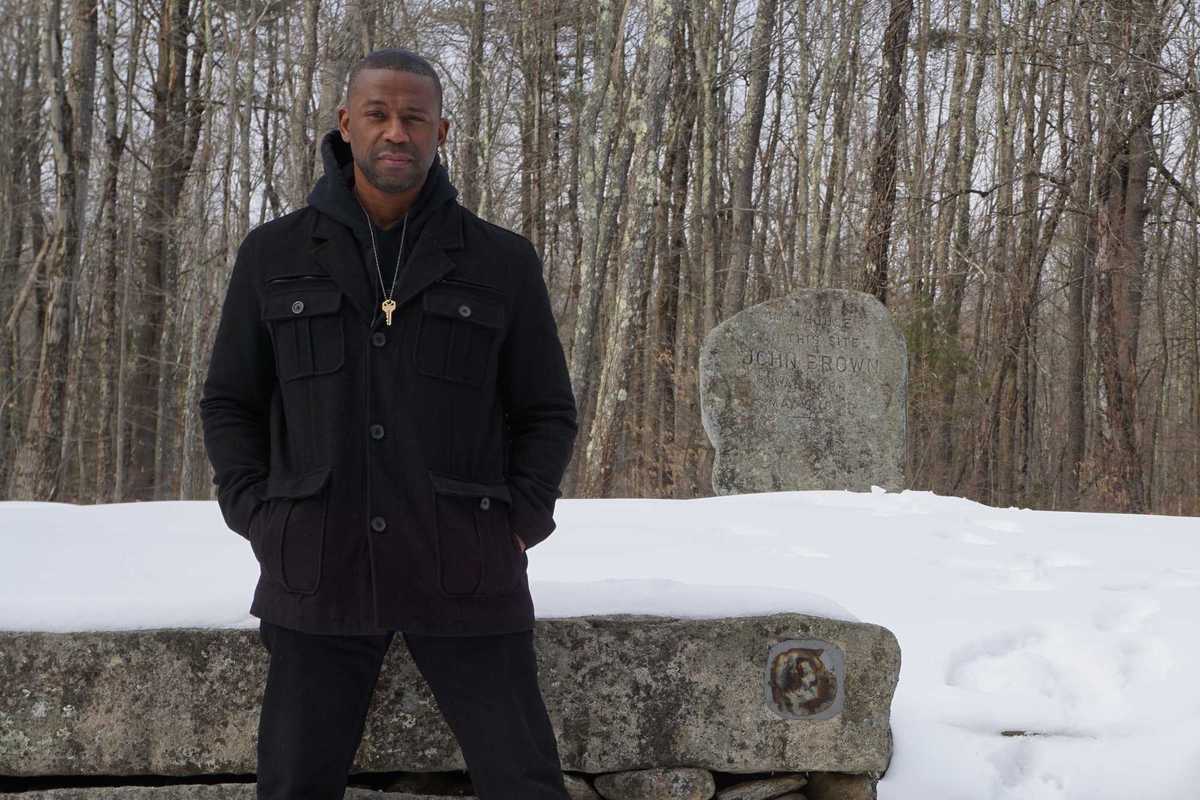
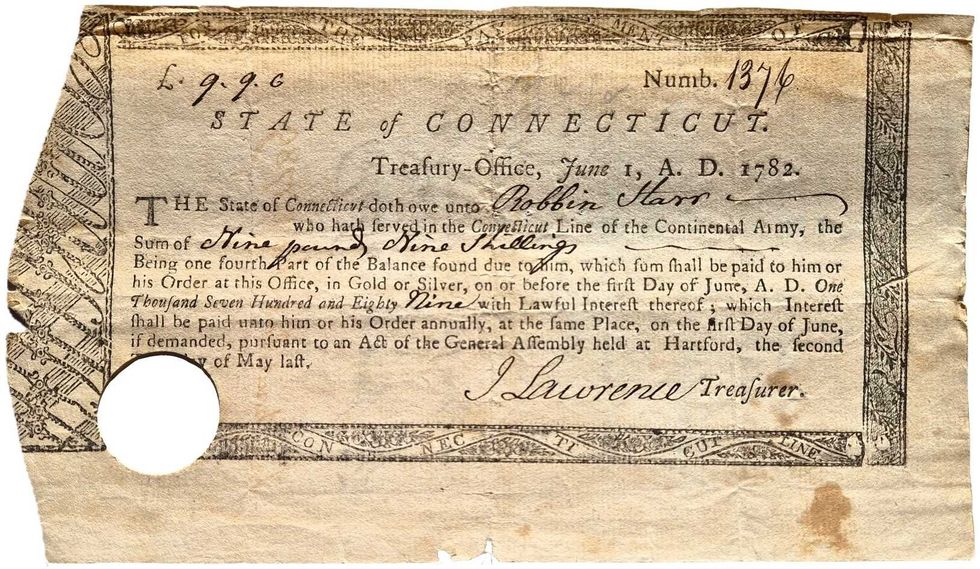 Pay Bill for Robin Starr’s service in the Continental Army.Courtesy the Alex Breanne Corporation
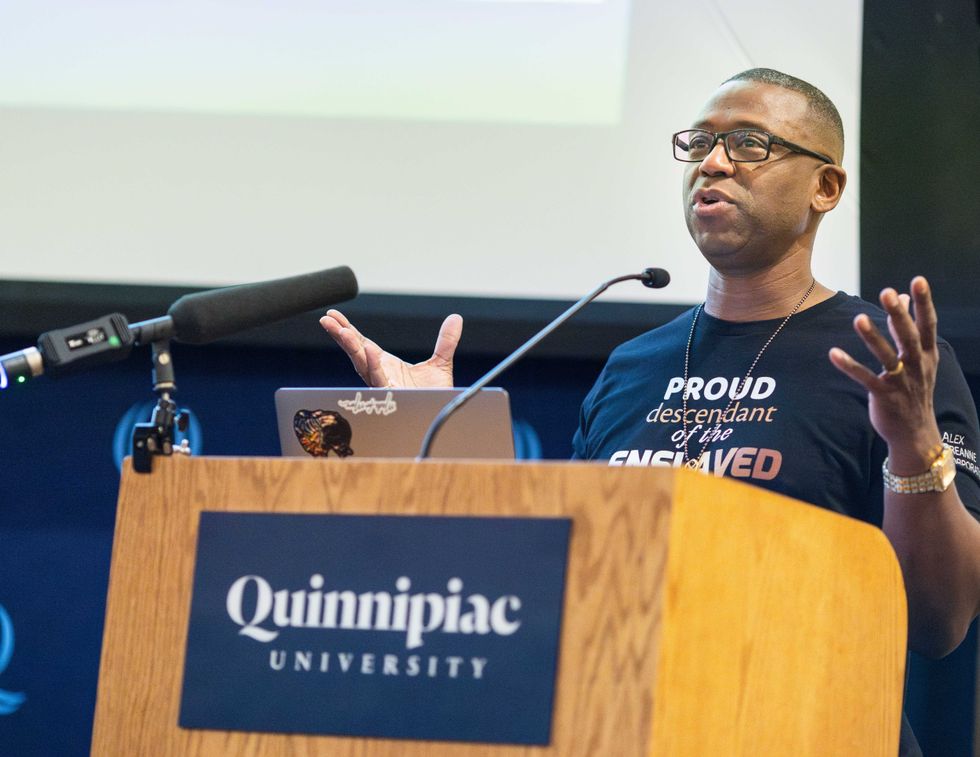 John Mills speaking at Quinnipiac University.Courtesy the Alex Breanne Corporation
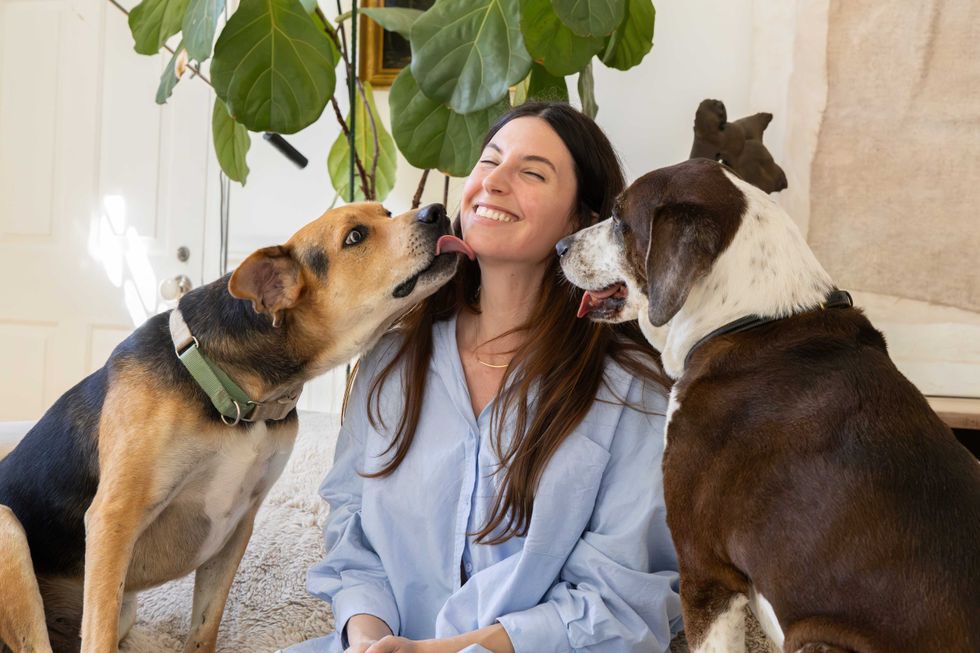 Stephanie Saetta,with her rescue dog George and Blue (left), a shepherd mix awaiting his forever home.Madi Long
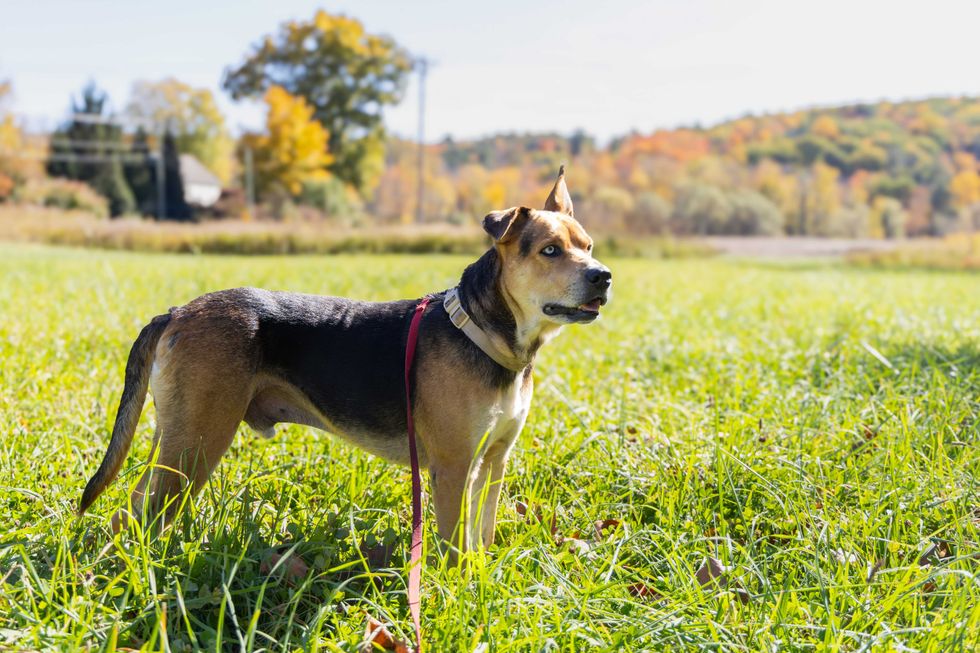 Blue, a 7 year-old Shepard mix, is waiting for his forever home. Madi Long