Facing challenges after life of working

When Charles Aznavour wrote “Yesterday When I Was Young,” he touched on a theme that resonates with so many of us. I retired early last spring after a 40-plus year career on Wall Street, preceded by careers in television news and local NYC government, working for Mayor John Lindsay.

I soon learned that my newfound challenges, frustrations, disappointments and fears are not unique to me, but are happening to so many of us, as our lives suddenly take a 180-degree turn. It is not simply about age, tho I’ll address that in a later column, but a realization that suddenly nothing seems familiar (although it is really a gradual process). We start to eat differently; we deal with a whole new set of doctors and medications; our exercise regime shifts; shopping is different; our travel habits change; our relationships with friends and family evolve; and nothing seems the way it was throughout our working lives.

I have always worked. I grew up in Westchester County in a lower middle class family. My father died when I was only 12, and my mother worked full-time to support me and my younger sister.

As soon as I turned 16 and got my “working papers,” I took two buses summer days to work at Korvette’s department store, and when I was older I worked as a counselor at summer camps to help pay for college. I then worked my way through college in the cafeteria and library (in combination with loans and scholarships), and knew I’d have to have a job lined up the moment I graduated.

It was startling to learn that this new retirement gig is nothing like my prior life — the high heels replaced with sneakers; the suits and dresses with yoga pants and T-shirts; the corporate gym with walking on my road trying to avoid the local pit bull and the poison ivy; restaurant dining with takeout pizza; and subways, buses and taxis with my own Subaru (my very first car).

Accustomed to an intense working day, I initially busied myself going through closets and cleaning the basement, meeting friends for lunch (I’d not taken a real lunch break in over 40 years), sleeping late ( I’d spent decades setting my alarm for 5:30 a.m. to go to the gym before work); and getting my first dog and suddenly becoming a “ dog person” (growing up in apartment houses, my pets were turtles and parakeets and goldfish, and then cats once I lived in NYC). Somehow I managed to fill my day, and then late last spring I left NYC for good, and that just drove home how much my life was changing .

So here I am trying to figure out what next, and I struggle. I love sleeping in, but feel guilty. I enjoy having friends for brunch and dinner, but miss dining out. It’s so much more efficient doing my own nails — now quite short — but I miss treating myself to manicures. I love the quiet on my road, but I miss the energy of the City. Then there are all the new things I worry about, like black ice on the road or running out of gas, CVS not having one of my many new medications, or running out of Oatmilk, the house being a mess when someone drops in unexpectedly, new aches and pains I can’t figure out, slipping on the ice, the deer eating my flowers, the dog eating the meat we took out for dinner, and so much more. These may sound like silly problems, and I am keenly aware that we live in a world and at a time when so many are suffering with very serious challenges, but for the purposes of this column, I hope to address the many issues that confront so many of us who, in one way or another, are just trying to acclimate to this new chapter in our life. I have actually compiled a list of 50 possible topics, but I expect many more will come to mind as I start to write.

Please feel free to reach out to me with your thoughts or questions at Gweng@millertonnews.com

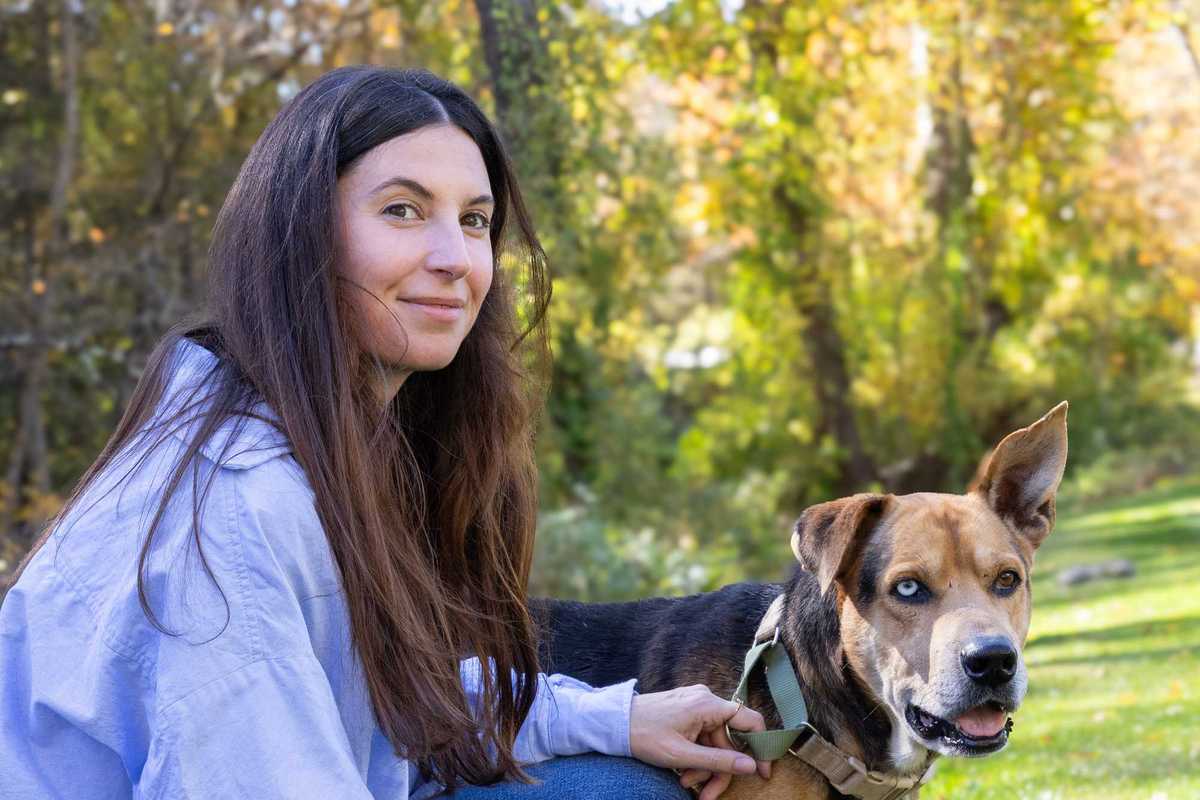
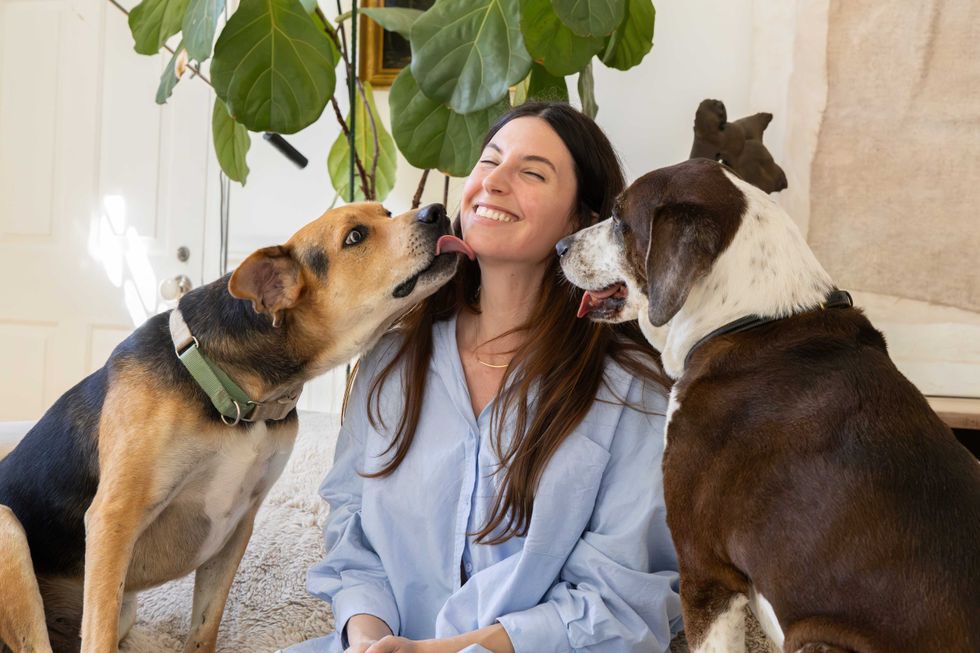
Gwen Greene is retired and lives in Pine Plains with her partner Dennis, her puppy Charlie, and 2 Angus cows, also retired.
The views expressed here are not necessarily those of The Lakeville Journal and The Journal does not support or oppose candidates for public office.

Latest News

To mow or not to mow?

To mow or not to mow?

A partially mowed meadow in early spring provides habitat for wildlife while helping to keep invasive plants in check.

Dee Salomon

Love it or hate it, there is no denying the several blankets of snow this winter were beautiful, especially as they visually muffled some of the damage they caused in the first place.There appears to be tree damage — some minor and some major — in many places, and now that we can move around, the pre-spring cleanup begins. Here, a heavy snow buildup on our sun porch roof crashed onto the shrubs below, snapping off branches and cleaving a boxwood in half, flattening it.

The other area that has been flattened by the snow is the meadow, now heading into its fourth year of post-lawn alterations. A short recap on its genesis: I simply stopped mowing a half-acre of lawn, planted some flowering plants, spread little bluestem seeds and, far less simply, obsessively pluck out invasive plants such as sheep sorrel and stilt grass. And while it’s not exactly enchanting, it is flourishing, so much so that I cannot bring myself to mow.

Keep ReadingShow less

Where the mat meets the market

Where the mat meets the market

Kathy Reisfeld

Elena Spellman

In a barn on Maple Avenue in Great Barrington, Kathy Reisfeld merges two unlikely worlds: wealth management and yoga, teaching clients and students alike how stability — financial and emotional — comes from practice.

Her life sits at an intersection many assume can’t exist: high finance and yoga. One world is often reduced to greed, the other to “woo-woo” stretching. Yet in conversation, she makes both feel grounded, less like opposites and more like two languages describing the same human need for stability.

Keep ReadingShow less
Capitol hosts first-ever staging of Civil War love story

Playwright Cinzi Lavin, left, poses with Kathleen Kelly, director of ‘A Goodnight Kiss.’

Jack Sheedy

Litchfield County playwright Cinzi Lavin’s “A Goodnight Kiss,” based on letters exchanged between a Civil War soldier and the woman who became his wife, premiered in 2025 to sold-out audiences in Goshen, where the couple once lived. Now the original cast, directed by Goshen resident Kathleen Kelly, will present the play beneath the gold dome of Connecticut’s Capitol in Hartford as part of the state’s America250 commemoration — marking what organizers believe may be the first such performance at the Capitol.

“I don’t believe any live performances of an actual play (at the Capitol) have happened,” said Elizabeth Conroy, administrative assistant at the Office of Legislative Management, who coordinates Capitol events.

Keep ReadingShow less
google preferred source

Want more of our stories on Google? Click here to make us a Preferred Source.

Hunt Library launches VideoWall for filmmakers

Yonah Sadeh, Falls Village filmmaker and curator of David M. Hunt Library’s new VideoWall.

Robin Roraback

The David M. Hunt Library in Falls Village, known for promoting local artists with its ArtWall, is debuting a new feature showcasing filmmakers. The VideoWall will premiere Saturday, March 28, at 6 p.m. with a screening of two short films by Brooklyn-based documentary filmmaker and animator Imogen Pranger.

The VideoWall is the idea of Falls Village filmmaker Yonah Sadeh, who also serves as curator. “I would love the VideoWall to become a place that showcases the work of local filmmakers, and I hope that other creatives in the area will submit their work to be shown,” he said.

Keep ReadingShow less

A bowl full of stars

A bowl full of stars

A bowl full of stones.

Cheryl Heller

There’s a bowl in my studio where pieces of the planet reside. I bring them home from travels, picking them up not for their beauty or distinction but for their provenance. I choose the ones that speak to me — the ones next to pyramids, along hiking trails, on city sidewalks or volcanic slopes.

I like how stones feel in my hand: weighty, grounding. I don’t mind them making my pockets and suitcase heavier. The bowl is about the size of an average carry-on. It has been years since it was light enough for me to lift.

Keep ReadingShow less
One-woman show brings Mumbet’s fight for freedom to Scoville Library

On March 29, writer, producer and director Tammy Denease will embody the life and story of Elizabeth Freeman, widely known as Mumbet, in two performances at the Scoville Library in Salisbury. Presented by Scoville Library and the Salisbury Association Historical Society, the performance is part of Salisbury READS, a community-wide engagement with literature and civic dialogue.

Mumbet was the first enslaved woman in Massachusetts to sue successfully for her freedom in 1781. Her victory helped lay the legal groundwork for the abolition of slavery in the state just two years later. In bringing Mumbet’s story to life, Denease does more than reenact history.

Keep ReadingShow less
google preferred source

Want more of our stories on Google? Click here to make us a Preferred Source.

google preferred source

Want more of our stories on Google? Click here to make us a Preferred Source.