Johnny Lee recorded “Looking for Love in all the Wrong Places” for “Urban Cowboy” and that seems like the perfect metaphor for dating at this stage of life.
When most of us first entered the dating world several decades ago, we met each other at parties, college, where we lived, the gym, bars, or while shopping. I met my first husband at a small menswear store on the Upper West Side, although for the life of me I have no idea what I was doing there, and I recall one fellow I met in line waiting to vote — he worked for the FBI and I remember every time he came into my apartment he took off his gun and my biggest fear was that the cat would somehow get to it !
I met my late husband at the gym — that was really the ideal place to meet although I joined it simply because it was nearest to my office — it was in the World Trade Center, where all of us Wall Street crazies arrived when it opened at 6 a.m. We found ourselves on adjoining treadmills (along with then Mayor Ed Koch), progressed to running across the Brooklyn Bridge together, and what ultimately ensued was a glorious 37 years! Not surprisingly, that pushed many of my girlfriends to join a gym; as a bonus, I also met some women who have become my dearest friends over the years.
Dating was easy, frequent, often casual, challenging, and sometimes led to heartbreak, but for most of us, it was part of the process of finding a spouse, of meeting THE person we thought we could spend the rest of our life with. We had very definite rules and tended to judge each other critically — would our friends like the person, would our parents, did we agree on everything, were we similar in every way imaginable, and could we finally STOP dating and get married.
Fast forward to 2020 after my husband’s passing and I realized I could have a wonderful life flying solo, but I wanted to try dating again. I was still living in the City, and anticipated meeting someone “organically” at dinner parties or at the gym (again), at benefits or at the bookstore, through business or volunteering. I assumed it would be as simple as it had been 40 years before, but I was SO wrong. For starters, I didn’t have the energy to go out all the time, let alone “flirt” as I used to, and I wasn’t even sure what that would look like at this stage of life. A friend once complained to me that men no longer looked at her on the street, and I pointed out that men still looked at me, but they were just much older than I remembered!
There was always the possibility of being “fixed up,” but in a world where single older women far outnumber single older men, the likelihood of that declined with each passing year. A friend mentioned a man she knew in Boston who was recently widowed and she felt confident we would really hit it off. He suggested we Face Time, and when we did I thought he was delightful — attractive, intelligent, charming — he told me after about a half hour that we weren’t suitable for each other and ended the call rather abruptly. I was stunned, and deeply offended, but it was a fast preview of what dating life could become. I no longer had the energy to look my best every day, to sign up for classes where I might meet someone, to be the extra person at a dinner party of married couples, to travel alone, and to check on whether or not a man was wearing a wedding ring (which I realize that many of us who are widowed, often still do for some period of time after our spouse passes away).
I needed a new way to meet men, and in upcoming columns will discuss online dating — the ugly, the bad, the good and sometimes you just hit the jackpot!
Please reach out to Gwen with your thoughts or questions at GwenG@millertonnews.com
Gwen lives in Pine Plains with her partner Dennis, her puppy Charlie, and two Angus cows (who are also retired!).
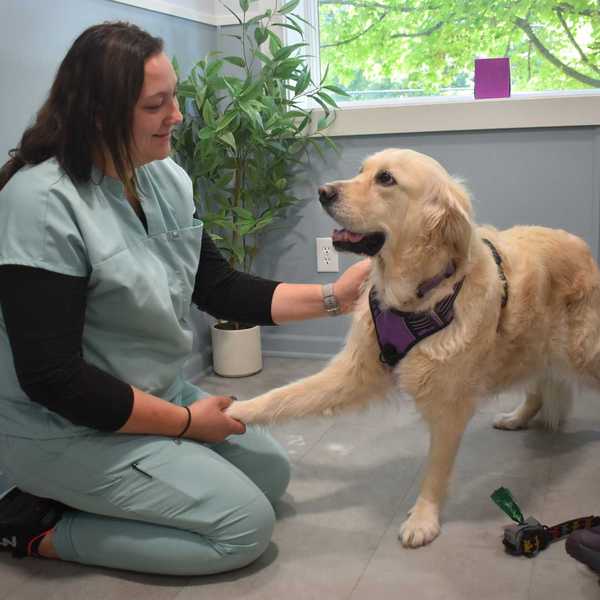
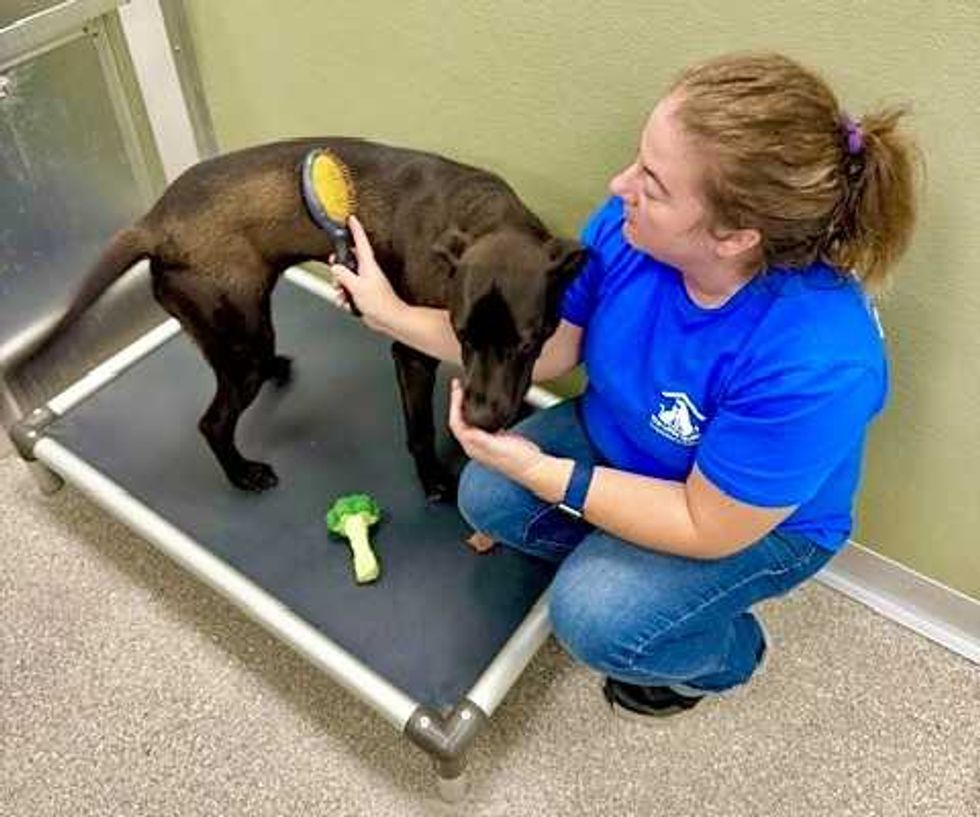 Tiffany Lemelin, shelter manager, brushing Marsala upon arrival.Provided
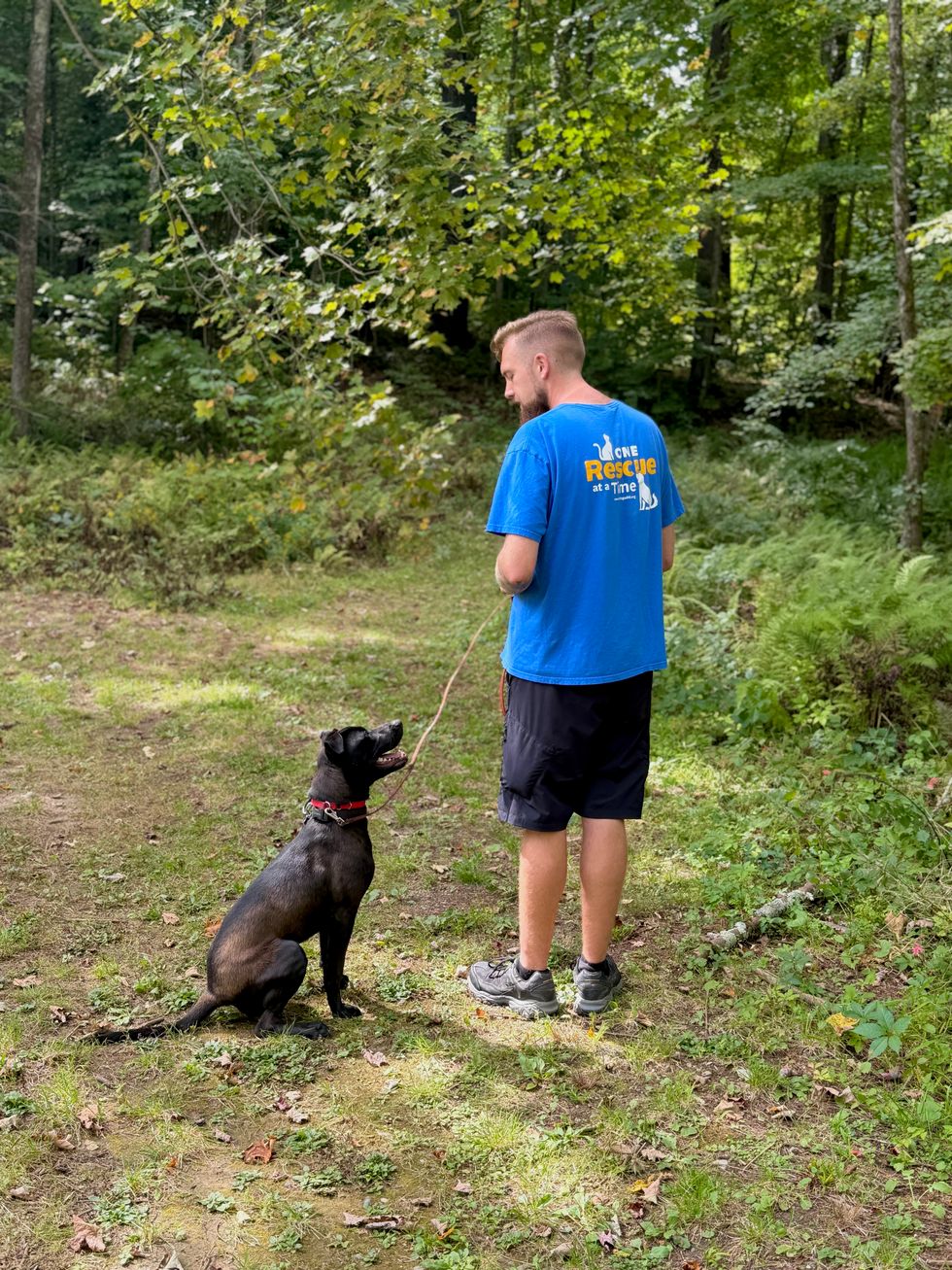 Michael DeBarba, certified dog trainer working with Marsala.Jennifer Almquist
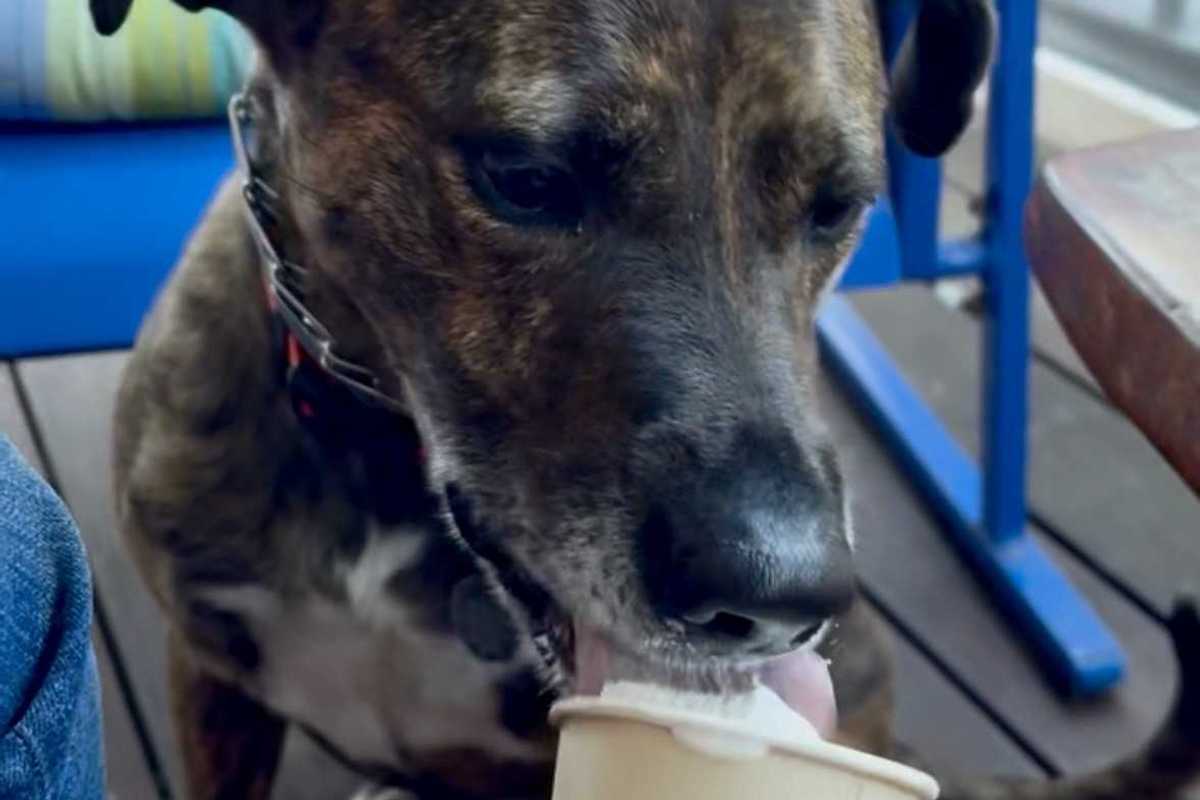
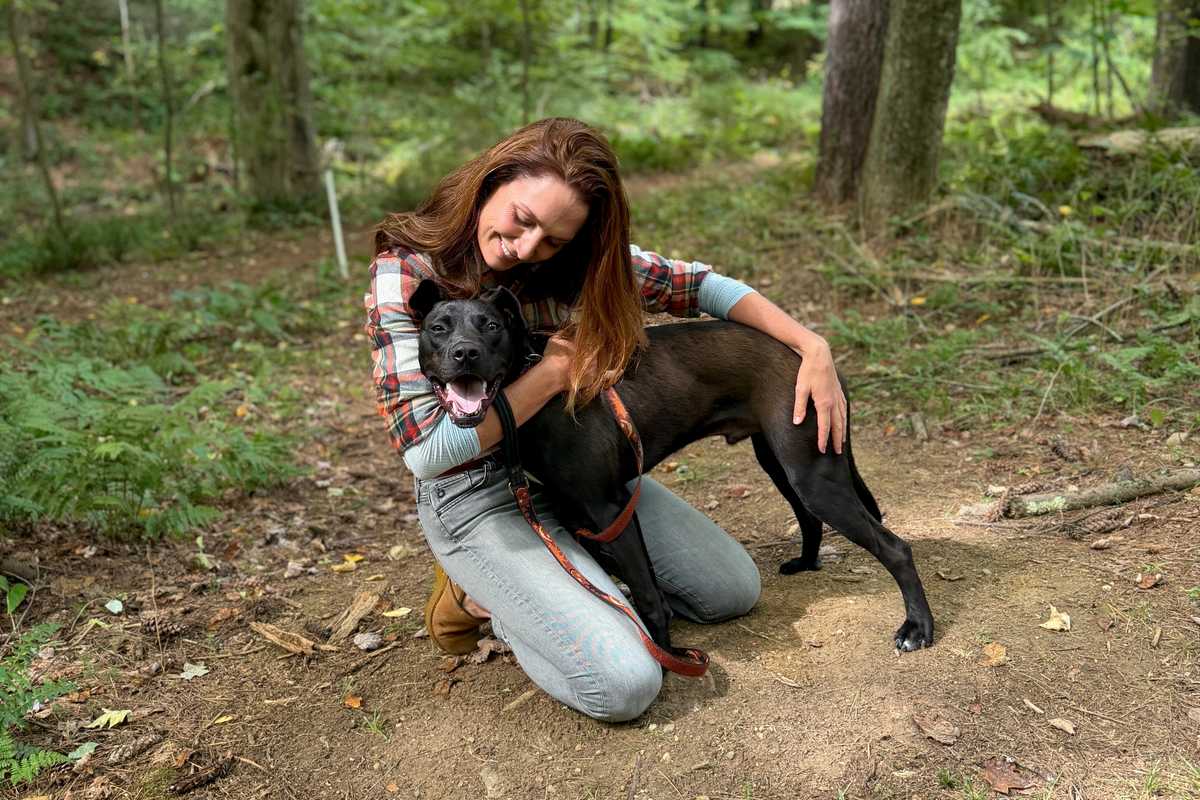 Marsala wins a heart.Jennifer Almquist
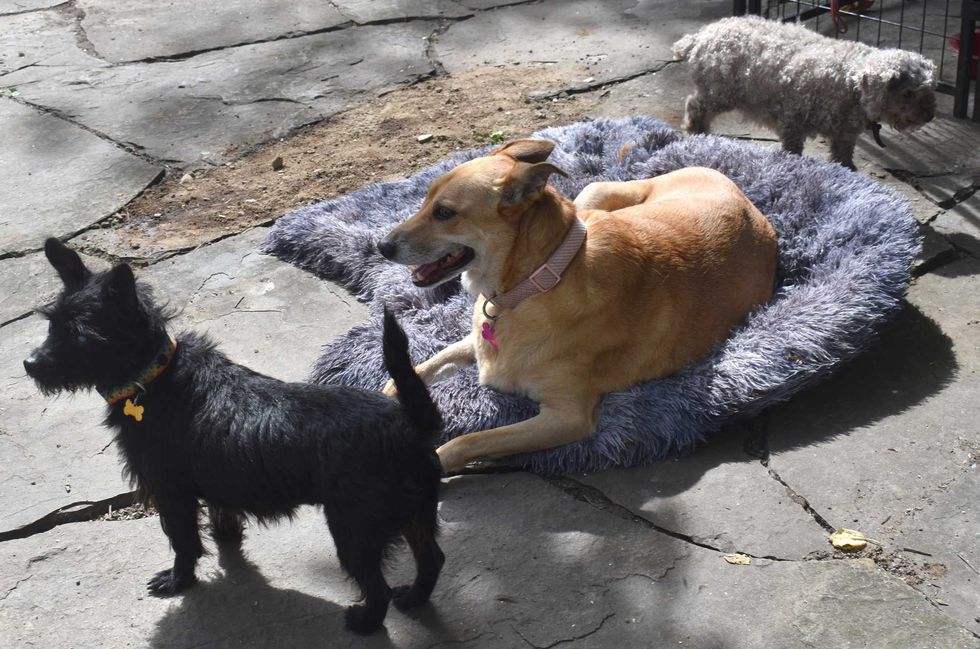 Sadie, center, a Carolina dog, plays with her friend Negra, a terrier mix. Bella Linda, the small poodle, has since been adopted.L. Tomaino
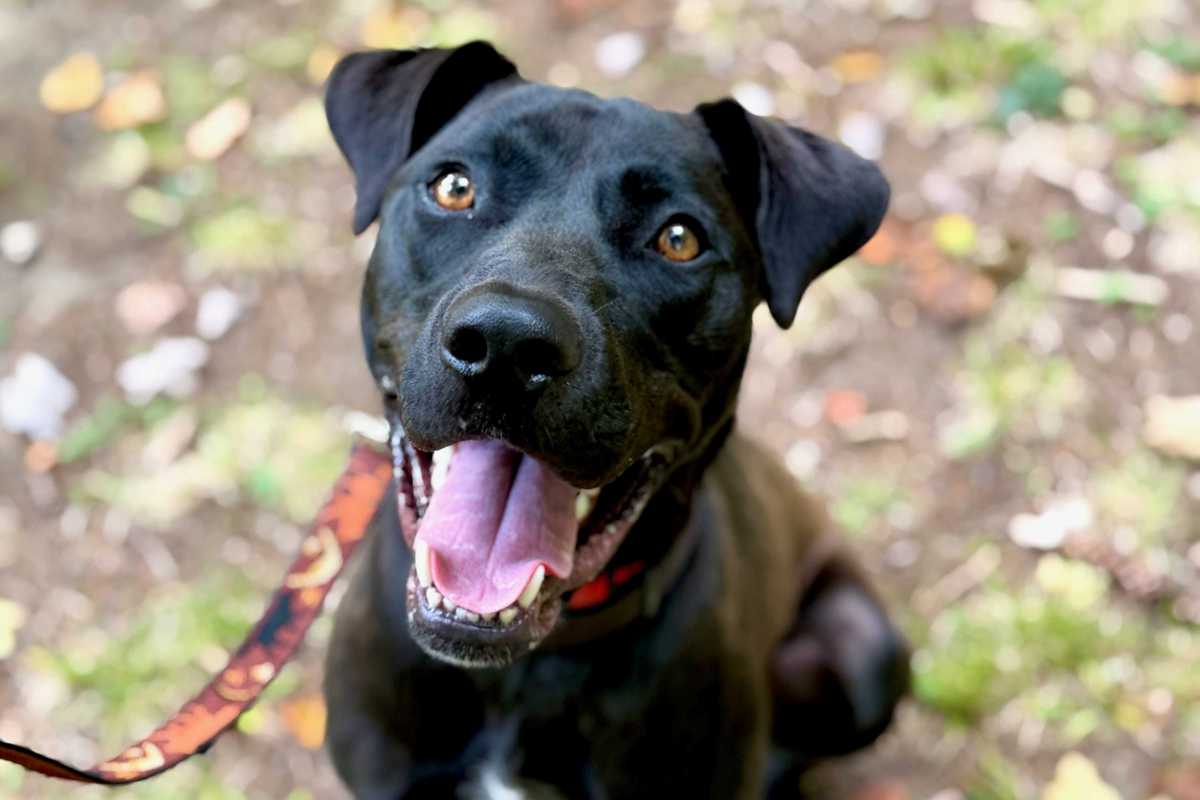
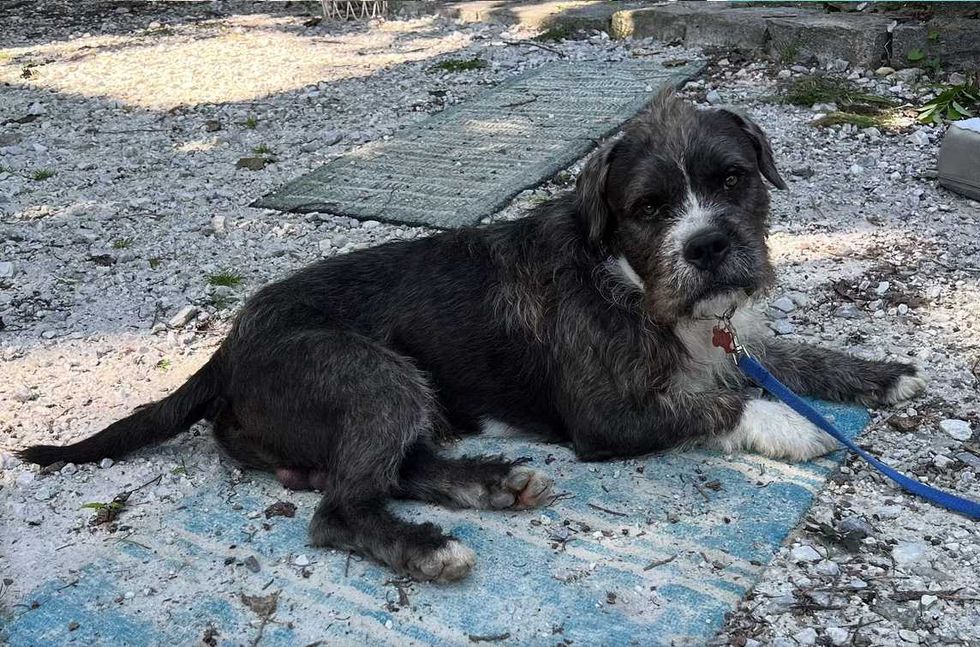 Wesley, a young, exuberant mix, is looking for an active home.L. Tomaino
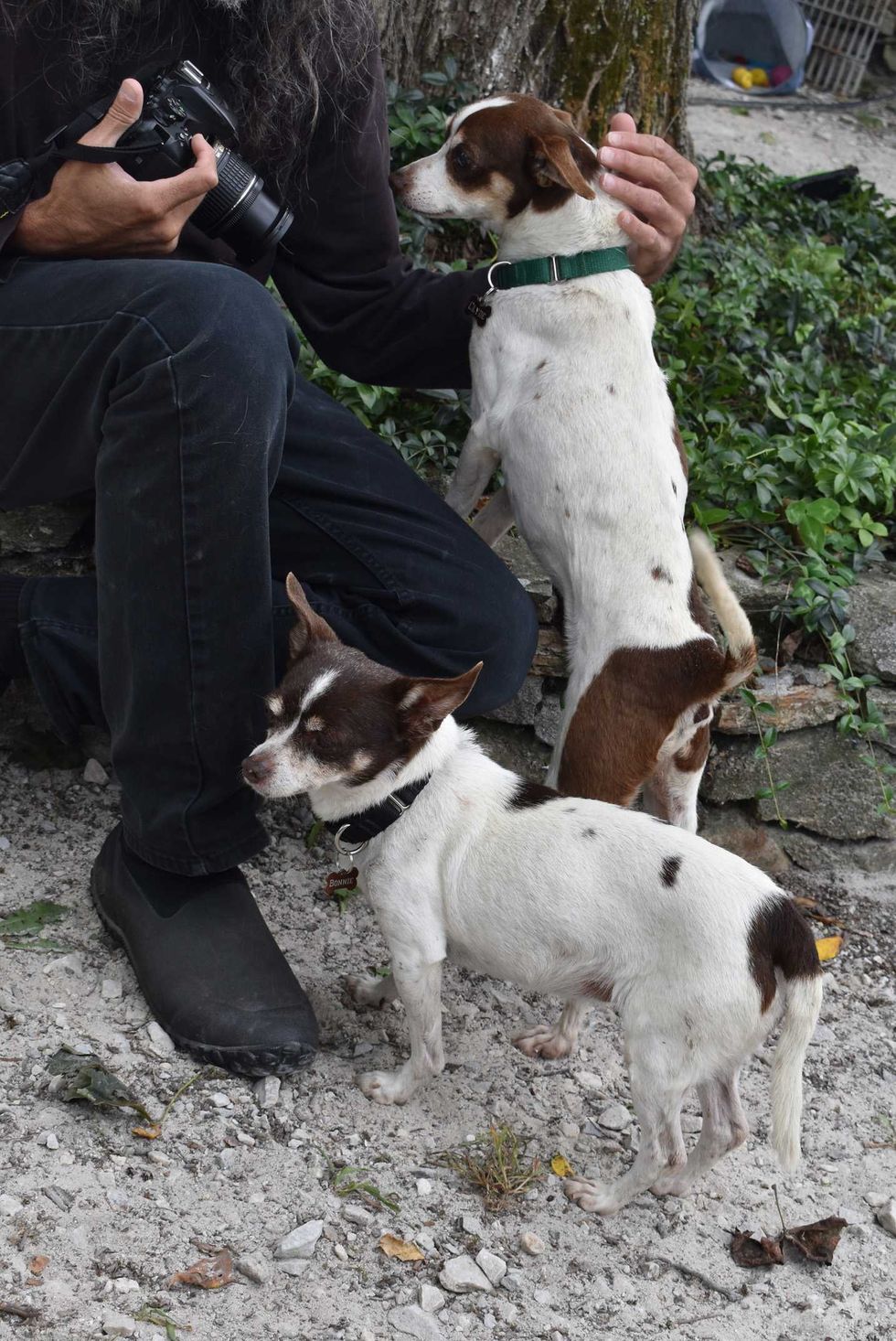 Bonnie and Clyde, an affectionate terrier pair.L. Tomaino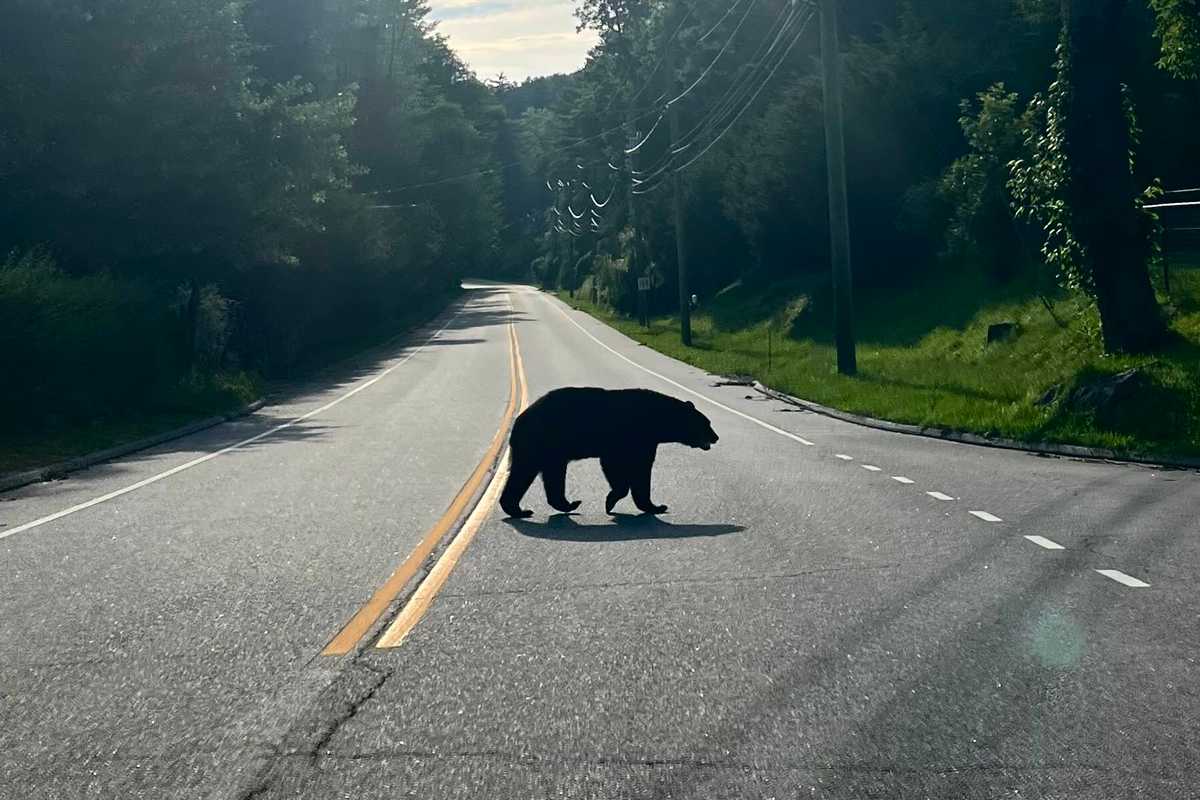

 Provided