It is with a sigh of relief and a hopeful smile that many Northwest Corner residents wave goodbye to 2009 and look forward to the arrival of 2010. Like all years, this last one had its ups and its downs, but the lows were particularly low. It was a year of tragedy, loss and remarkably bad weather.
The weather may seem trivial, but it was the intense unending rain of last spring that brought about perhaps the greatest heartbreaker of the year, the drowning death of 16-year-old Kaelan Paton in the unnaturally swollen Housatonic River on the last day of school. Kaelan and several friends rode their bicycles to the nearby Great Falls after finishing classes for the year at Housatonic Valley Regional High School.
After jumping into the rushing river, one of the boys was swept away in the current. Kaelan, an experienced swimmer and kayaker who grew up in and at the river, dived in to save his friend but was caught up by the currents himself. His body was found a week later.
Although there weren’t necessarily more deaths in 2009 than in any other year, there were several deaths that, like Kaelan’s, had an impact on the entire community. Shortly after Kaelan’s drowning, 44-year-old Nick Givotovsky of Cornwall died while plowing a field on an antique tractor, the kind favored by many Northwest Corner residents. John Foley, beloved longtime fire chief in North Canaan, died suddenly and unexpectedly at the age of 58. The ceremony in his honor by family, friends and firefighters was a beautiful and moving tribute to a man who touched many lives.
All three deaths happened in a span of just a few weeks.
Perhaps the hardest hit by events in 2009 was Housatonic Valley Regional High School. The drowning death of the popular freshman came just a few weeks after an after-prom party held at a home in Cornwall that got out of hand. The police were called, the father who hosted the party was arrested and three inebriated youngsters had to be taken to the emergency room at Sharon Hospital. In October, students made plans for a homecoming dance; a king and queen were to be selected, for the first time in decades. The dance was canceled before the royalty could be voted on, when it was suspected that some students had brought liquor into the school.
Northwest Corner residents also took part in a series of public discussions on illegal drug use, which coincided with a three-part series on drug use and trafficking in The Lakeville Journal. There are three substance abuse treatment facilities already in the region, and “sober houses,� designed to provide a safe and positive environment for addicts in the post-treatment phase of recovery, continue to spring up.
School administrators and board members (at the high school and throughout the school district) were also embroiled in a conflict with a political tinge. President Barack Obama spoke live on television to students across the nation on the Tuesday after Labor Day weekend, shortly after students returned from summer vacation. The only school in the region to let children see the live telecast was the tiny Lee H. Kellogg School; the student population is very small and Principal Maria Bulson and school staff were able to call all the parents in the school community to get permission for their children to see the telecast. Other school administrators videotaped the speech and showed it at a later date. The controversy continued through the fall; the Cornwall Consolidated School Board of Education discussed creating a policy in case the situation should ever arise again. It was only last month, in December, that board members decided not to make a formal rule but to leave the decision to the discretion of administrators and the board.
And through all the other trials of the year for Region One and Housatonic administrators, there remained one looming and constant obstacle: the bridge. Throughout the year, the bridge over the Housatonic River on U.S. Route 7 connecting Falls Village to Salisbury’s Lime Rock section has been limited to a single lane as the span is upgraded and widened. Although the work has gone relatively smoothly, the construction work has made access to the school difficult for students, parents and staff from towns other than North Canaan and Falls Village. Salisbury residents could of course pass over the Amesville iron bridge — except of course during the brief period when that bridge was shut down as well. As a sign of silent protest, someone tossed the concrete barriers at the iron bridge into the Housatonic. At the other, larger bridge project drivers have responded with stoicism. There was, however, a car accident on the bridge on the first day of school in September.
With memories of the worst of the year out of the way, we can turn to some of the happier moments of 2009.
The remarkably wet weather was a leitmotif of much of the year, as mentioned before. But rather than simply fret about it, Northwest Corner residents took action. Many towns created energy task forces and many took part in the 20 Percent by 2010 initiative of the state’s Clean Energy Fund. Cornwall was honored as one of the most energy-efficient towns in the state and was named a federal Environmental Protection Agency (EPA) Green Power Community. Area schools also made moves toward a greener future. The Hotchkiss School in Lakeville was also honored by the EPA; it was ranked eighth in the agency’s list of Top 20 green power purchasers among all elementary and high schools in the country.
Social responsibility remains a priority for many area residents. In addition to doing their bit to protect the environment, area towns also made strides to create affordable housing, not only for young families but also for retirees.
The area has also made great strides in preserving and protecting stretches of open land, farmland and forest. Several notable conservation easements were created in 2009, including a 705-acre package on Skiff Mountain that required the cooperation of several government and nonprofit agencies as well as multiple generations of private landowners over several years.
The fight against cell towers and cell phone use has become somewhat muted in recent years, as more and more area residents begin to use the portable devices. Plans for tower construction are moving forward slowly in several towns, notably Kent and Cornwall. Falls Village is still presenting fairly vigorous opposition to efforts from service providers to erect a structure within the town’s borders.
Cell service and the Internet are no longer viewed with suspicion by everyone, though. Sharon residents in remote corners of the town were ecstatic when they learned last month that, at last, they’ll be able to get high-speed Internet service — a boon for telecommuters and for entrepreneurs with home-based businesses (a growing segment of the Northwest Corner population). The electronic age has had a profound impact on The Lakeville Journal Co. In 2008, the company shut down its in-house printing press. But the company was happy to announce in November that the beloved four-bay Goss Community Press will not be scrapped; a Brooklyn, N.Y., printing company purchased the press and is now using it to print Russian-language newspapers and magazines.


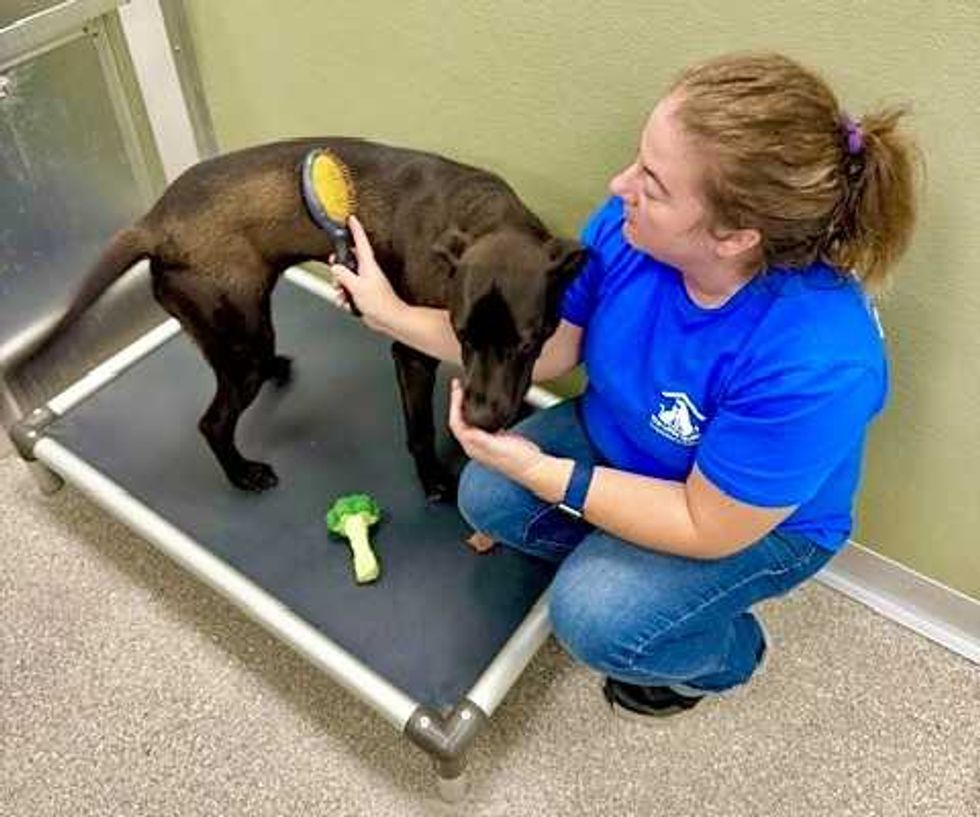 Tiffany Lemelin, shelter manager, brushing Marsala upon arrival.Provided
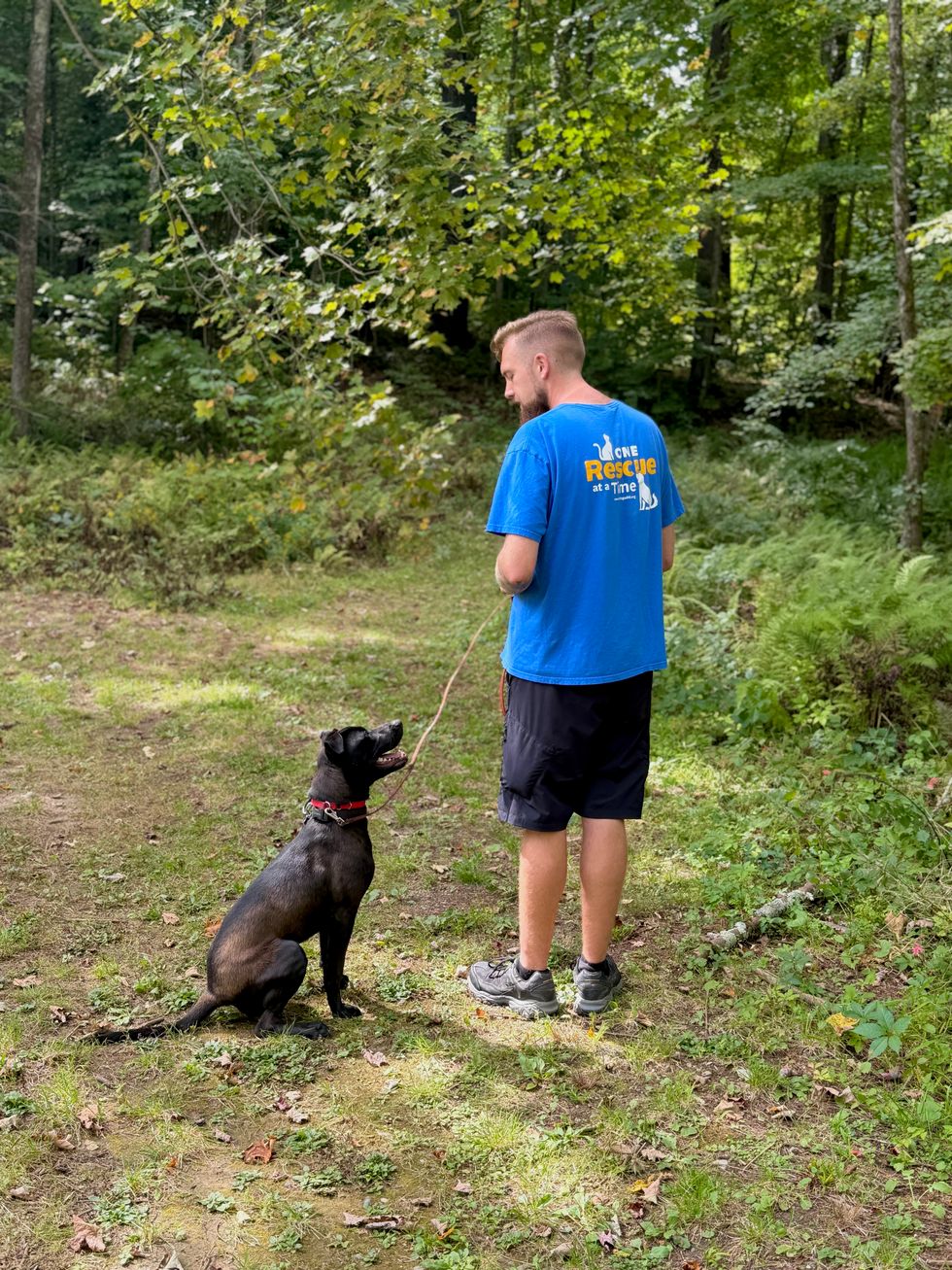 Michael DeBarba, certified dog trainer working with Marsala.Jennifer Almquist
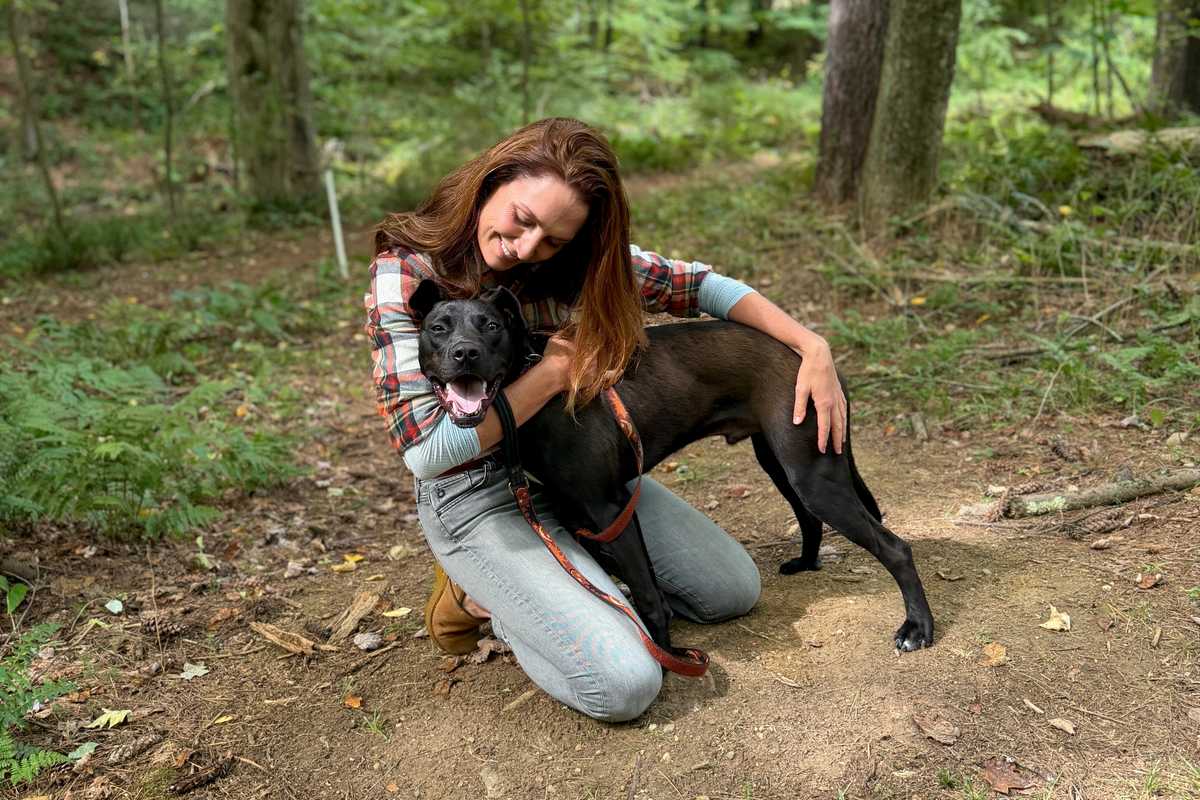 Marsala wins a heart.Jennifer Almquist

 Sadie, center, a Carolina dog, plays with her friend Negra, a terrier mix. Bella Linda, the small poodle, has since been adopted.L. Tomaino
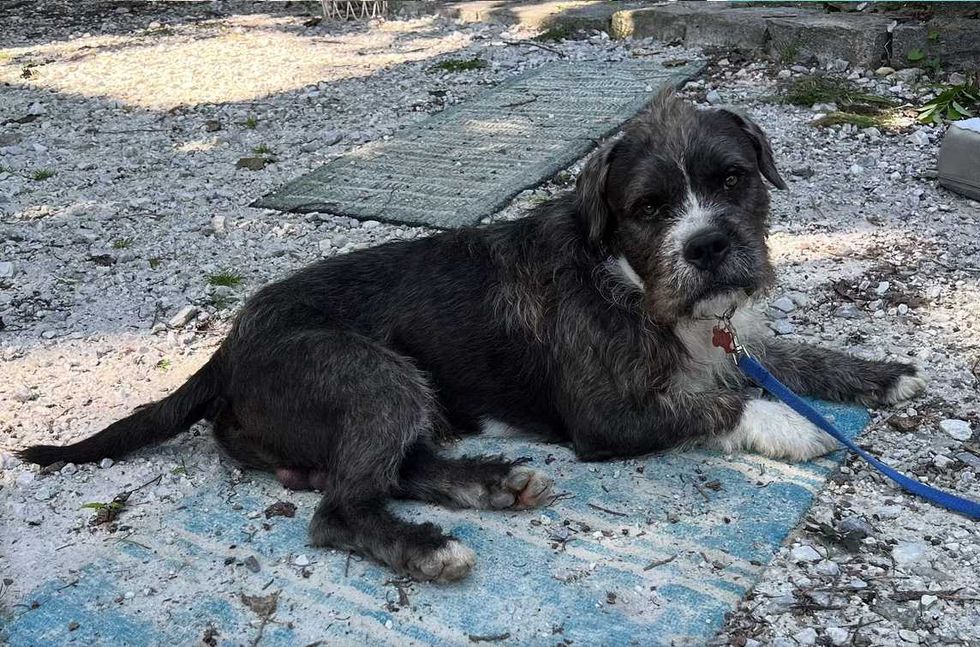 Wesley, a young, exuberant mix, is looking for an active home.L. Tomaino
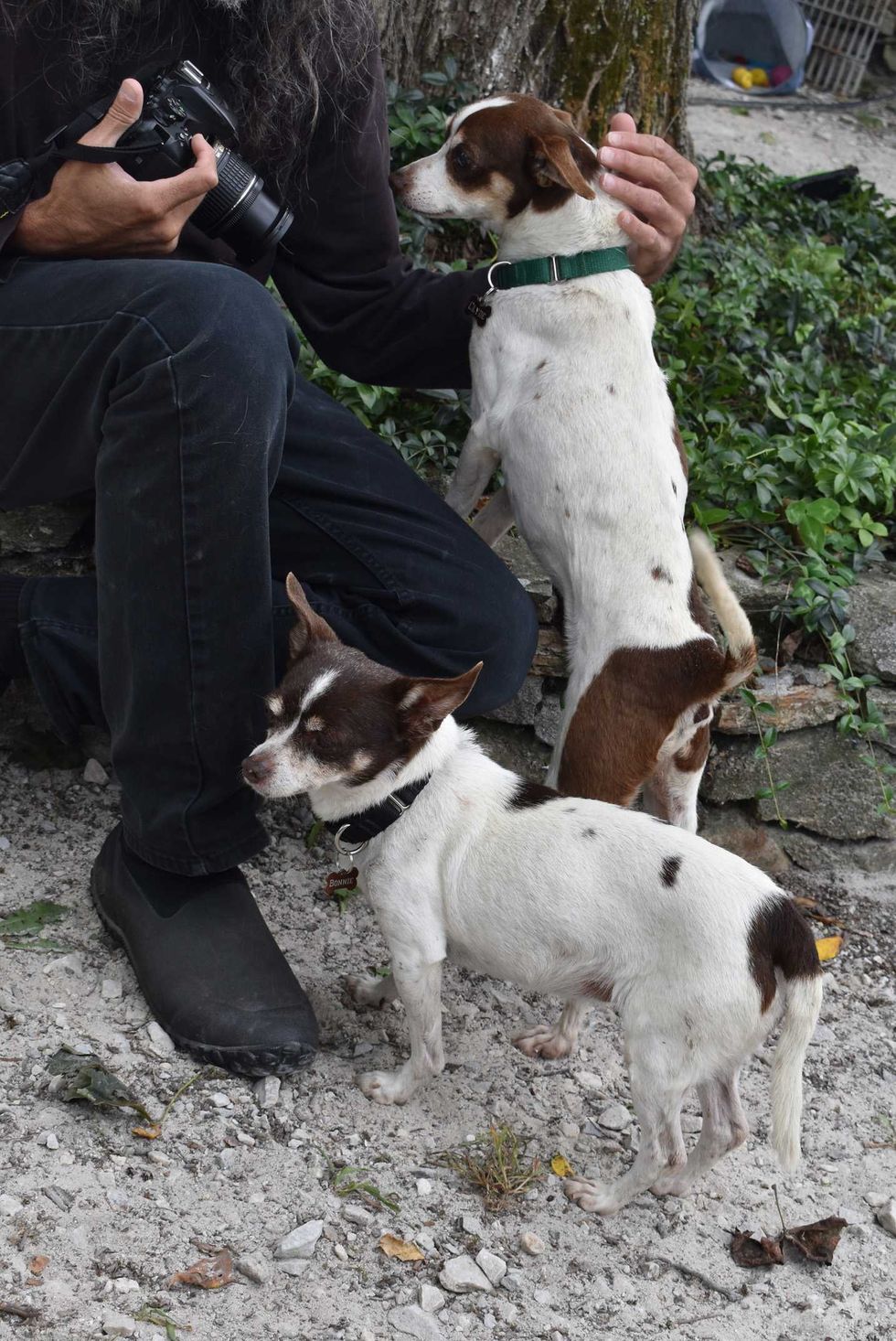 Bonnie and Clyde, an affectionate terrier pair.L. Tomaino
 Provided