SHARON — When Sharon Hospital was sold to for-profit Essent Healthcare Inc. in June 2003, state law required that the $16 million in proceeds be transferred to a nonprofit organization with a similar purpose — to promote healthier individuals and communities.
To meet that mandate, Foundation for Community Health (FCH) was formed to steward that mostly unrestricted windfall for the benefit of the rural, 17-town region, where Northwest Connecticut and the Greater Harlem Valley in New York meet, served by the hospital.
Fast-forward two decades and the Sharon-based philanthropic organization, under the stewardship of Nancy Heaton, its president and CEO, has granted more than $21 million through 609 grants to 118 organizations and invested thousands of staff hours to support better health to communities, many of which have historically been underserved.
An auditor’s Dec. 31, 2022, financial statement showed the foundation’s total assets at $32.6 million.
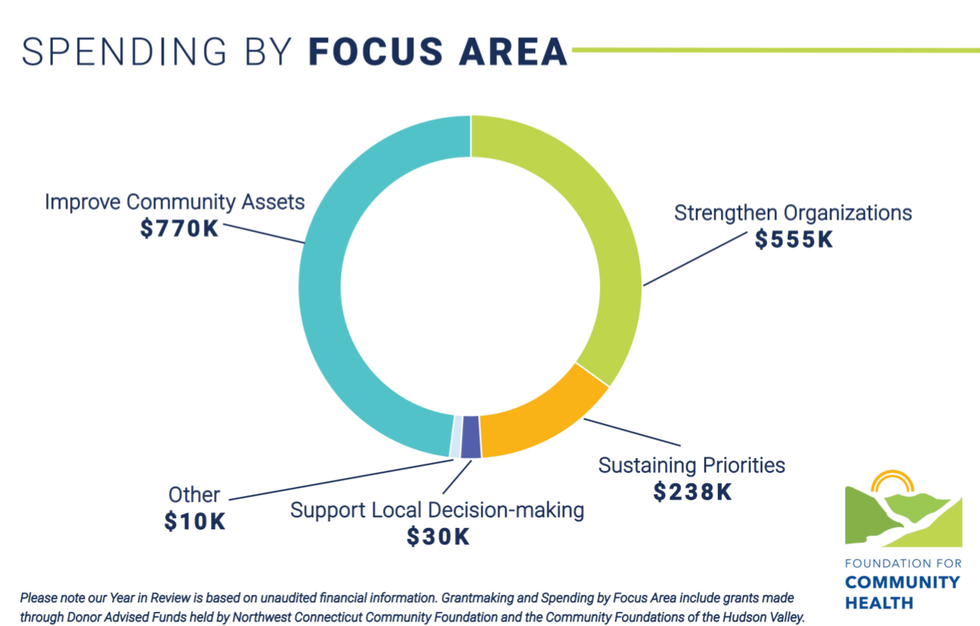
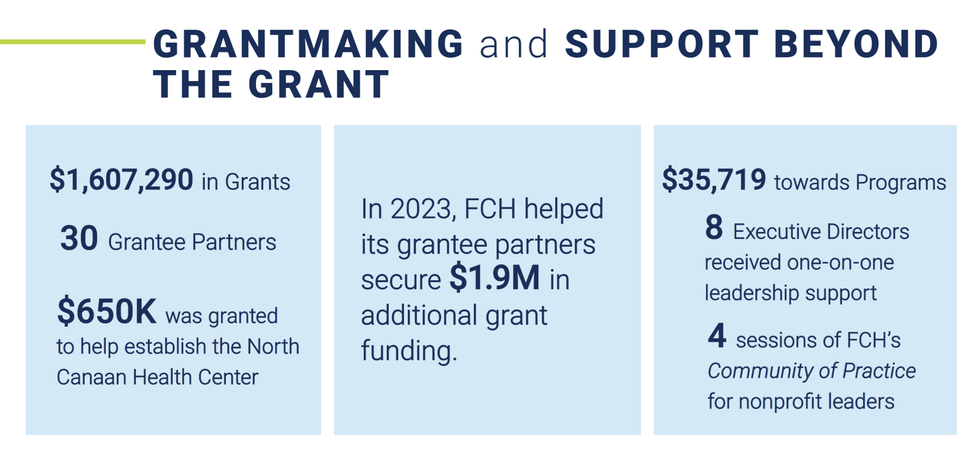
In 2023 alone, FCH’s 20th anniversary, the foundation awarded more than $1.6 million in grants to 30 grantee partners, including $650,000 to help establish the North Canaan Health Center. Since 2017, FCH has awarded about $2 million toward the North Canaan Health Center. The long awaited opening is expected in spring 2024.
Support also extended beyond the grants. FCH helped its grantee partners secure $1.9 million in additional grant funding and nearly $36,000 toward programs. Eight executive directors received one-on-one leadership support, and four sessions of the foundation’s Community of Practice assisted nonprofit leaders.
“Our goal has really been more focused on strengthening the capacity and sustainability of these organizations so they can do their work more efficiently,” said Heaton.
Conditions that influence health span beyond medical care, such as access to food, safe and stable housing, and the opportunity for positive childhood experiences. According to FCH, “On average, 45 percent of renters in our community pay more than 35% of their income on housing.”
“The pandemic shone light on all the issues and cracks and needs, and how fractured our system is,” noted Natashea Winters, FCH’s director of programs and learning.
2023: a ‘year of newness’
Heaton described 2023 as “a year of newness,” with new tools to capture support beyond the grant, new community members including two new board members and one new staff member, and five new grantee partners.
Based on feedback from its grantee partners, FCH developed a Community of Practice for Nonprofit Leaders, offering one-to-one leadership support to executive directors of organizations. The foundation also helped grantee partners secure nearly $2 million in additional grant funding.
“I think it speaks to the value we can provide. We call it support beyond the grants,” Winters noted. “No two organizations are the same. It’s part of the uniqueness of our region and uniqueness of our foundation.”
Neither are the communities served by FCH the same. For instance, she said,“Dover is our largest community and our neediest community.”
The organization’s board of directors comprises representatives from throughout its vast region.
In 2023, two new faces joined the FCH board: Dover Plains, New York, resident Jill Fieldstein, business manager of the Louis August Jonas Foundation in Rhinebeck, New York; and Dr. Zachary McClain of Falls Village, medical director of the Wieler Health Center at The Hotchkiss School in Lakeville.
Extending support to nonprofits’ leaders
Last October, FCH granted $81,500 to eight nonprofits through its Capacity Building Grant Program. Since its start in 2021, the program has granted $423,070 to 21 organizations by supporting important work including strategic planning, infrastructure needs, leadership support and organizational restructuring,
FCH has been “a consistent supporter” of Greenwoods Counseling & Referrals Inc., which provides affordable mental health care, education and related services throughout Litchfield County, according to its executive director John Simoncelli.
The $15,000 grant his organization received from FCH last October helped with a much-needed expansion, Simoncelli explained.
“We’ve grown a lot in the seven years since I’ve been here. When we started, we had about four employees and now we have 25,” he explained. “We’ve maxed out our space in Litchfield.”
The recent grant was instrumental in the opening of a satellite office in Torrington, “and eventually in Winsted as well.” With the new offices, he said, comes a need to hire staff, rent the spaces and furnish them: “That’s what the money is being used for, these expansion efforts.”
Simoncelli praised the work of FCH. “They’ve been a part of our growth all along, and I can’t say enough about how they have evolved their grantmaking process. In my mind it has been revolutionary. I feel that Natashea has a great sense of what we do and how the money is being spent.”
Helping seniors, protecting immigrants
The Lakeville-based Chore Service Inc. was the recipient of a $12,000 grant from FCH last fall. The funding, said Executive Director Jane MacLaren, has been critical for helping seniors and disabled residents live safely and independently in their homes.
“Our federal funding has been reduced by 33%, which is difficult as the need is increasing. Last year we served 137 clients in seven towns and provided part-time work to 30 workers and 5,181 hours of service,” MacLaren noted.
“The foundation’s support has been instrumental to Chore’s commitment to increasing community impact, maintaining organizational health and long-term financial viability. Many people do not have the means to pay for services, so they call Chore. We provide services regardless of ability to pay, so for many, we are a last resort to remaining at home.”
A $15,000 Capacity Building Grant was also distributed to the Columbia County Sanctuary Movement in Hudson, New York.
“We are really grateful for this fund,” said Diana Laura Cruz, co-executive director of programs and services. “CCSM has experienced a rise in racist and xenophobic attacks against our immigrant community. Funds have been able to support our staff to rest and recover while also giving us the opportunity to train community members to keep us safe.”
This story has been updated to correct Natashea Winters' name and title.
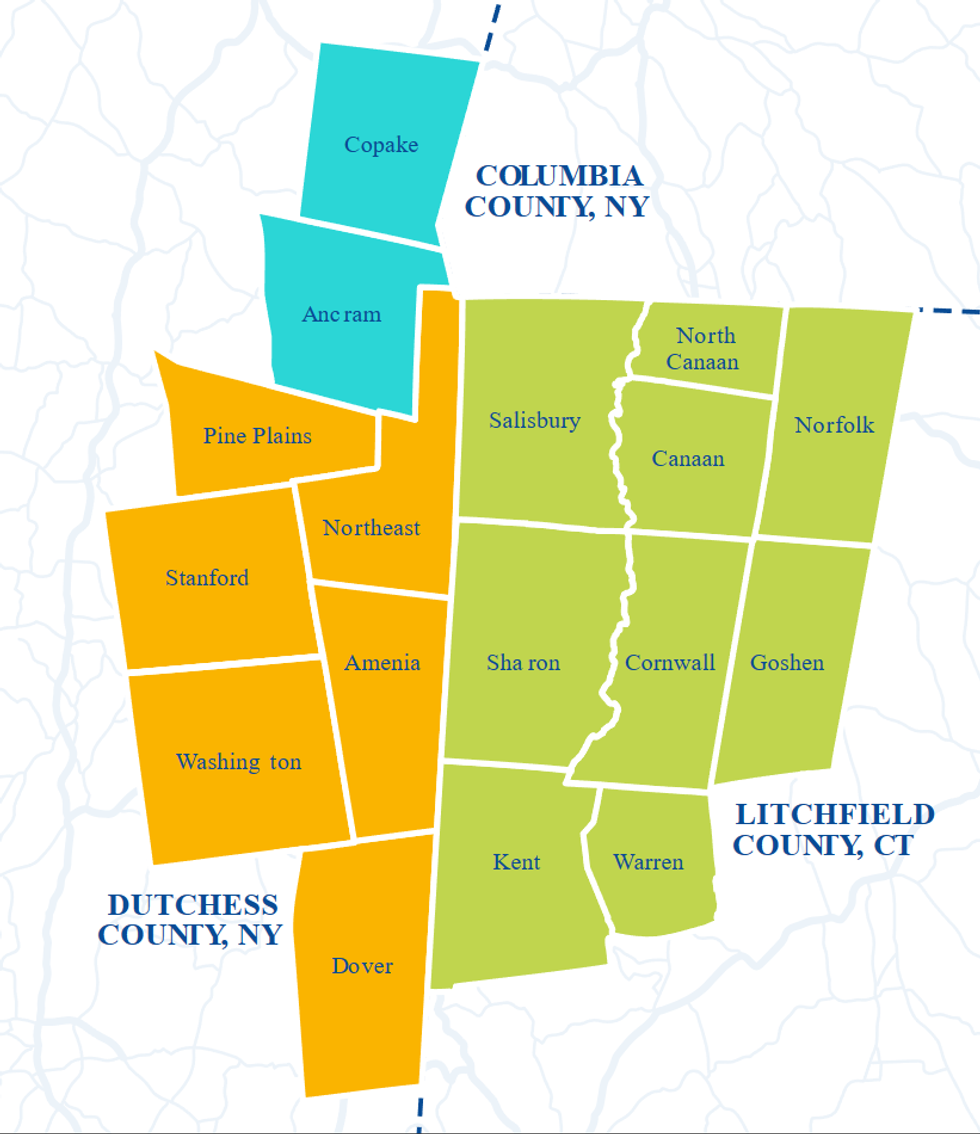
Image courtesy of Foundation for Community Health
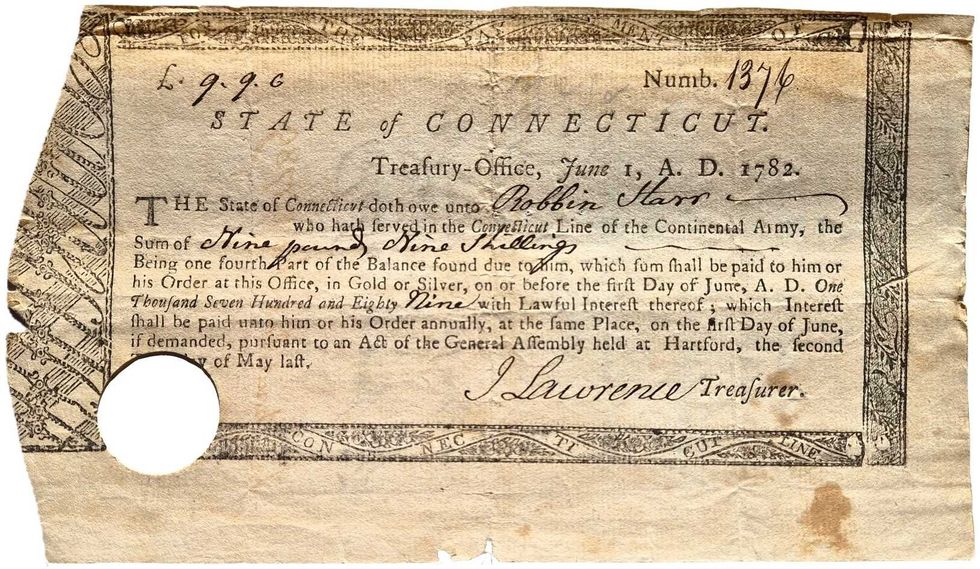 Pay Bill for Robin Starr’s service in the Continental Army.Courtesy the Alex Breanne Corporation
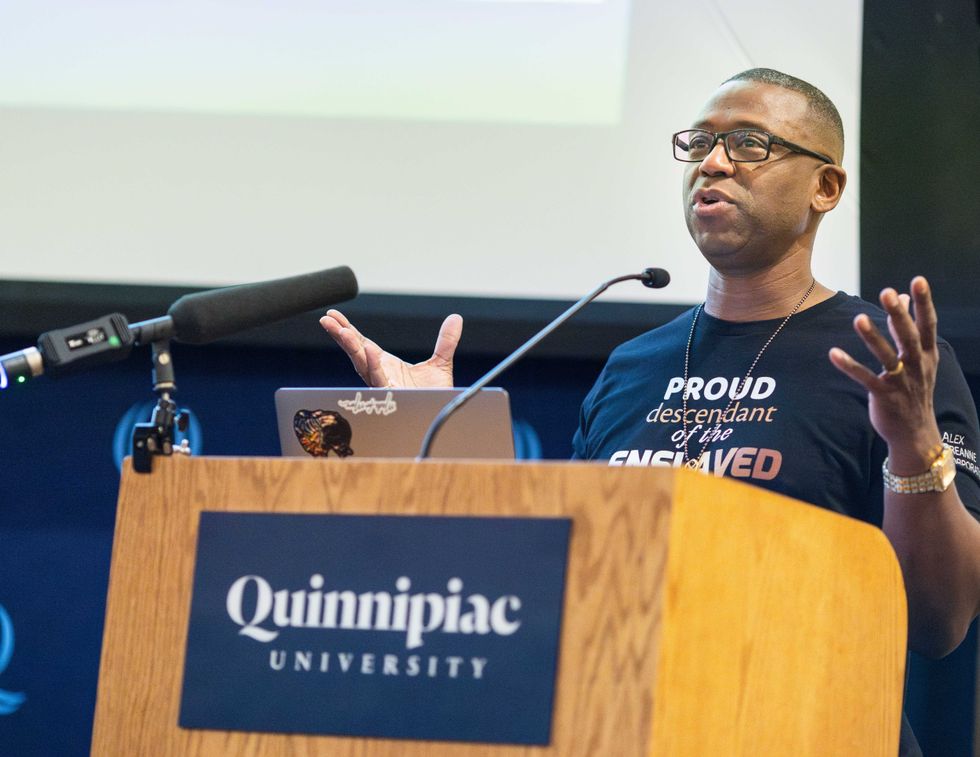 John Mills speaking at Quinnipiac University.Courtesy the Alex Breanne Corporation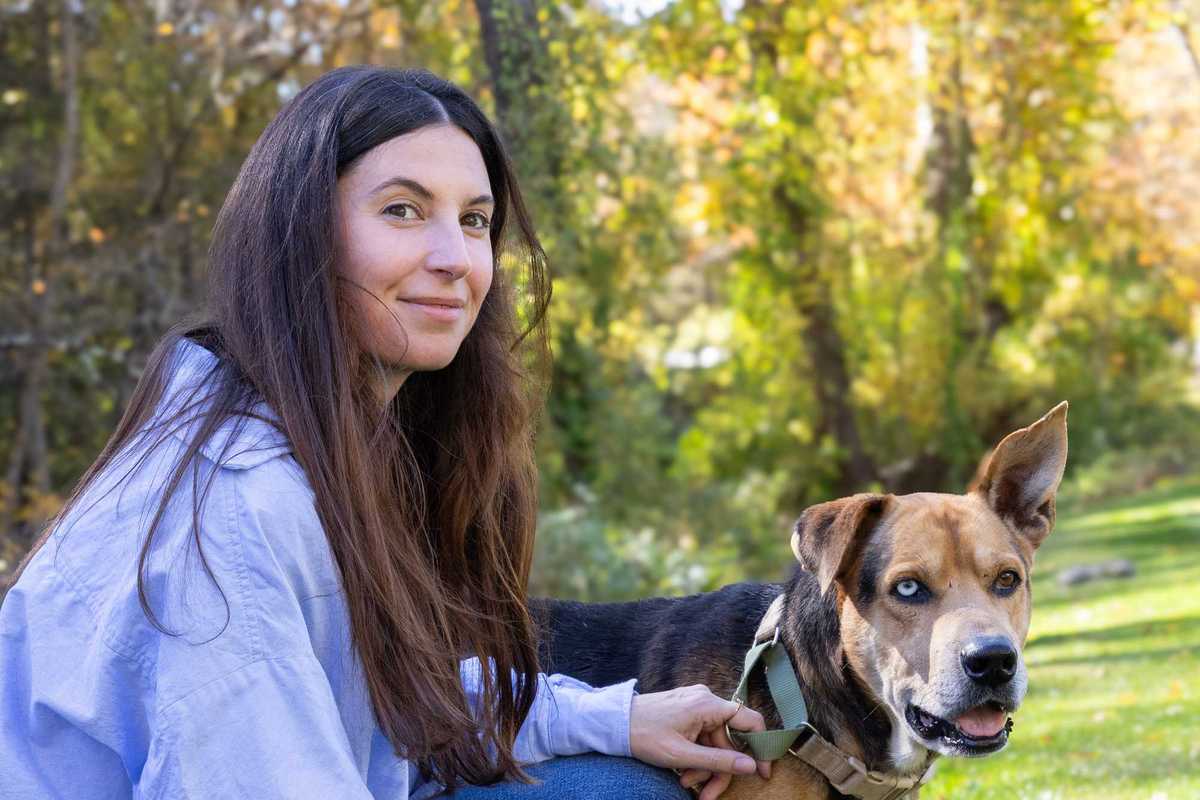
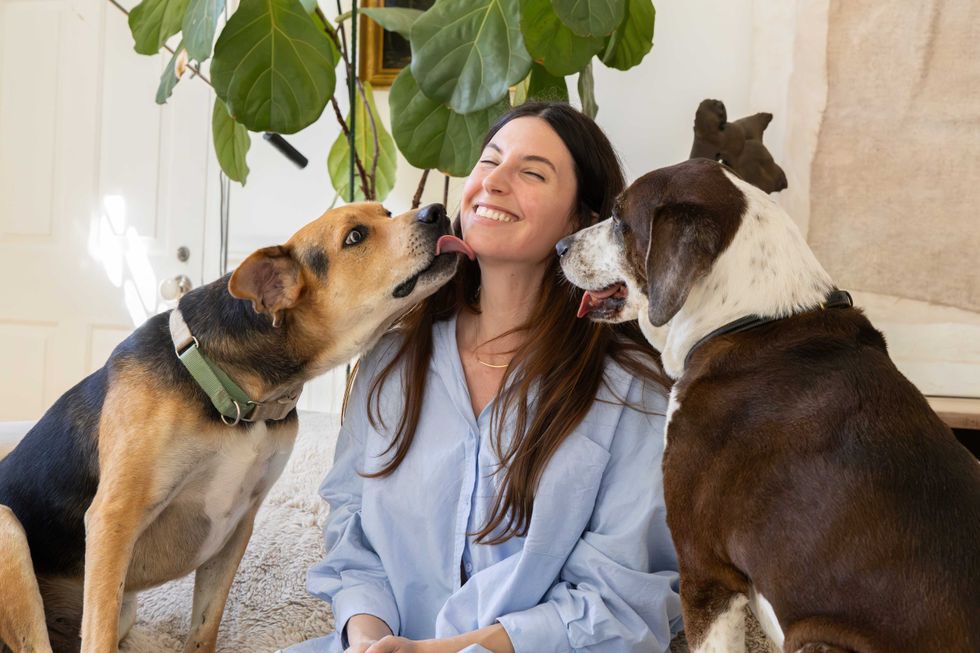 Stephanie Saetta,with her rescue dog George and Blue (left), a shepherd mix awaiting his forever home.Madi Long
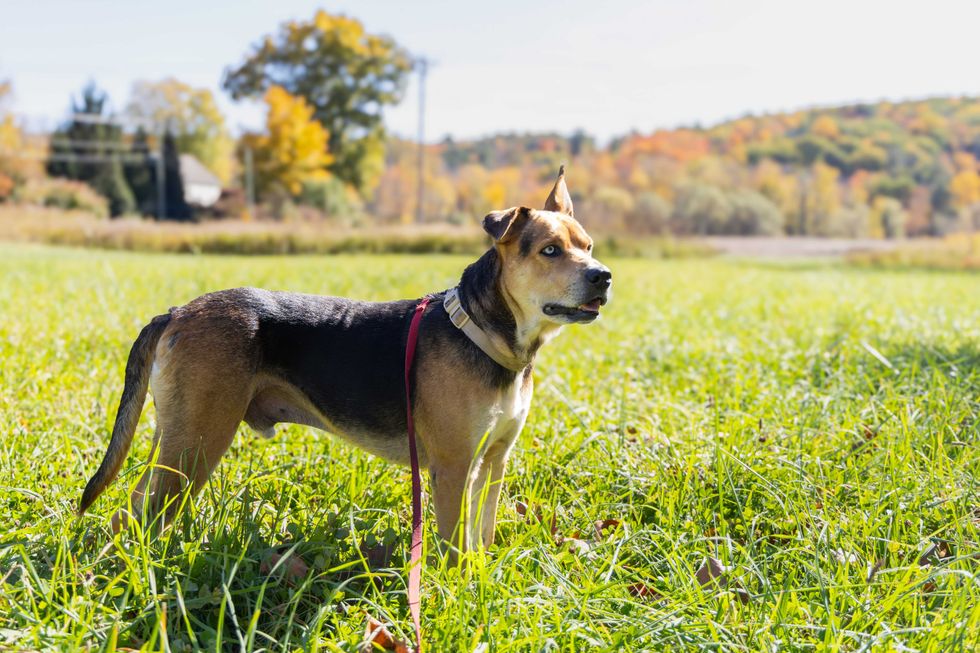 Blue, a 7 year-old Shepard mix, is waiting for his forever home. Madi Long