WASSAIC — Tucked into the hills just off Old Route 22, Douglas Broughton operates an indoor cannabis farm — and this spring, he plans to open a dispensary in downtown Millerton.
The Wassaic-based grower signed a lease Dec. 1 for the former Demitasse storefront at 32 Main St. He aims to reopen the space as the Black Rabbit Farms cannabis dispensary following modest renovations.
The work will include cosmetic updates and the installation of freestanding, custom-made display cabinets.
Broughton said he hopes to open in April, but red tape at the New York Office of Cannabis Management could delay the opening.
The Millerton storefront marks another milestone for the 63-year-old farmer, who has been growing the formerly illegal plant since the 1990s.
“I just loved the plant and how it grew,” Broughton said. “It’s a very alien plant — it seems like it came from a different planet.”
In the early 1990s, Broughton was bartending in Brooklyn and couch-surfing after becoming disenchanted with the television broadcast industry. As an Asian American, he said his dreams of becoming a leading man or primetime news anchor were dashed by what he described as discrimination in the industry.
Broughton, who was raised in Washington state, initially moved to New York City in the late 1980s, when a series of internships brought him out east.
Rather than return home to complete his degree, he opted to stay and try to make it on his own.
By 1995, Broughton was regularly growing multiple plants on the roof of an apartment building in Williamsburg, Brooklyn, selling small quantities of the plant on the black market to customers at the bar where he worked.
“Bartending in the city is pretty good,” Broughton said. “It was just that I didn’t want to bartend.”
His chance to leave bartending came in 2000, when he met Joe Murray, known in New York City’s cannabis scene as “AJ Sour Diesel” for pioneering the Sour Diesel strain, prized for its strong effects and pungent odor.
Broughton said Murray helped expand the operation, allowing him to rely on cannabis cultivation as his primary source of income beginning in 2000.
Broughton moved to his home in Wassaic in 2016, where he continued to operate a black market farm until New York state legalized cannabis and began accepting license applications in 2021.
He said his age was a factor in deciding to get a license and form a legitimate enterprise.
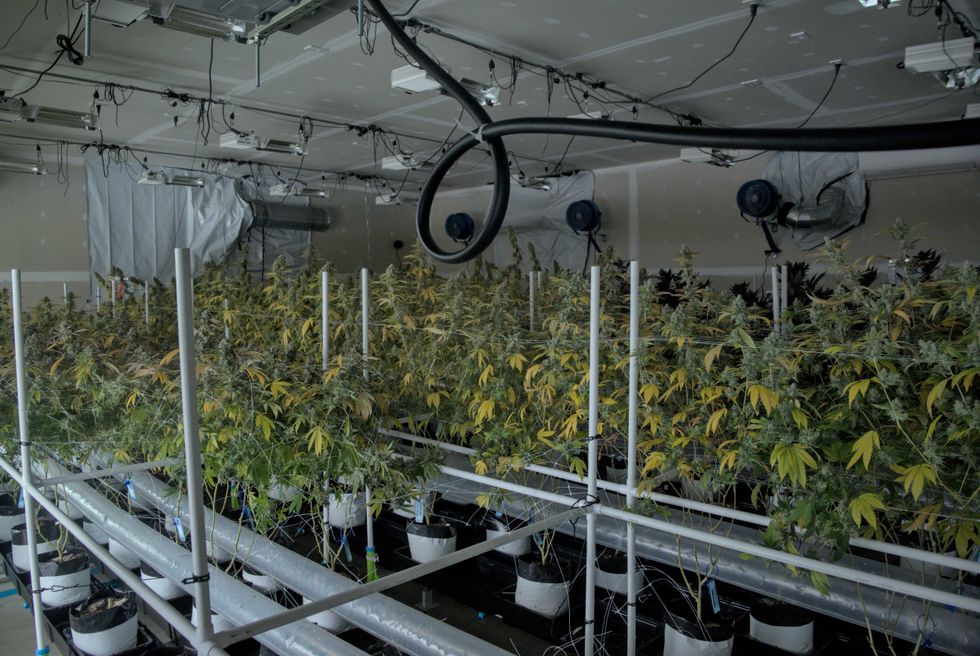 A crop of cannabis in Douglas Broughton’s basement in Wassaic waits to be harvested, weighed and processed into products for dispensaries in southern New York.Nathan Miller
Broughton, nearly 60 at the time New York legalized cannabis for recreational use, had been running illicit grow operations for decades and said the anxiety of avoiding law enforcement had worn him down.
“Every aspect of what you did had to be hidden,” Broughton said. “You couldn’t tell anybody.”
After legalization, however, he said he faces a different set of challenges brought on by bureaucracy and corporatism in New York’s cannabis industry.
Broughton said New York’s tax scheme hits small growers the hardest. He said he has to pay taxes on each plant he grows, and then again when he sells to retailers or, eventually, directly to consumers.
Despite those hurdles, Broughton said he is eager to bring a high-quality product to consumers in Millerton.
Over the past 30 years, he has developed a growing technique that relies entirely on artificial light and strict control of nutrients and moisture.
He maintains a level of oversight that borders on obstinance.
“I’m more of a purist when it comes to this stuff,” Broughton said. “I’m not very forgiving.”
That rigidity pays off with better product, he said, even when it means destroying an entire harvest.
“We cut down an entire crop of amazing Sour Diesel like two years ago because we got mites,” Broughton said.



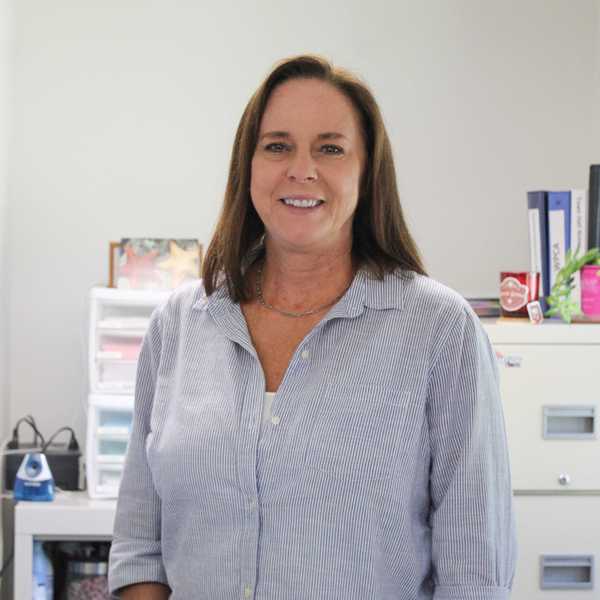
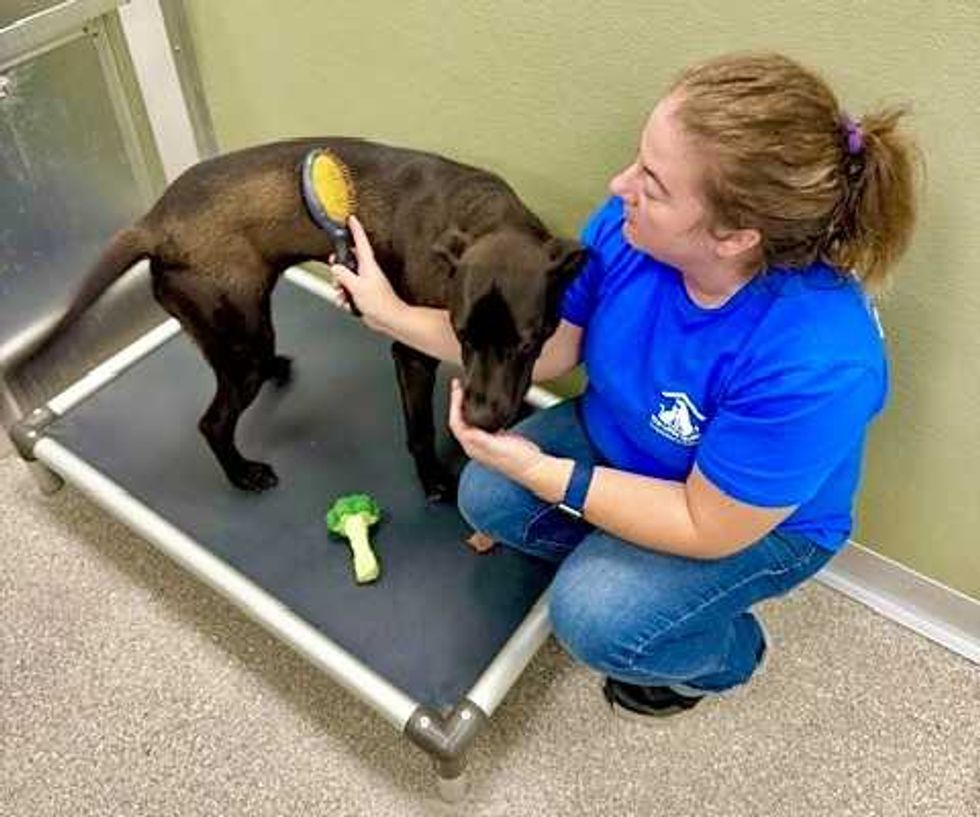 Tiffany Lemelin, shelter manager, brushing Marsala upon arrival.Provided
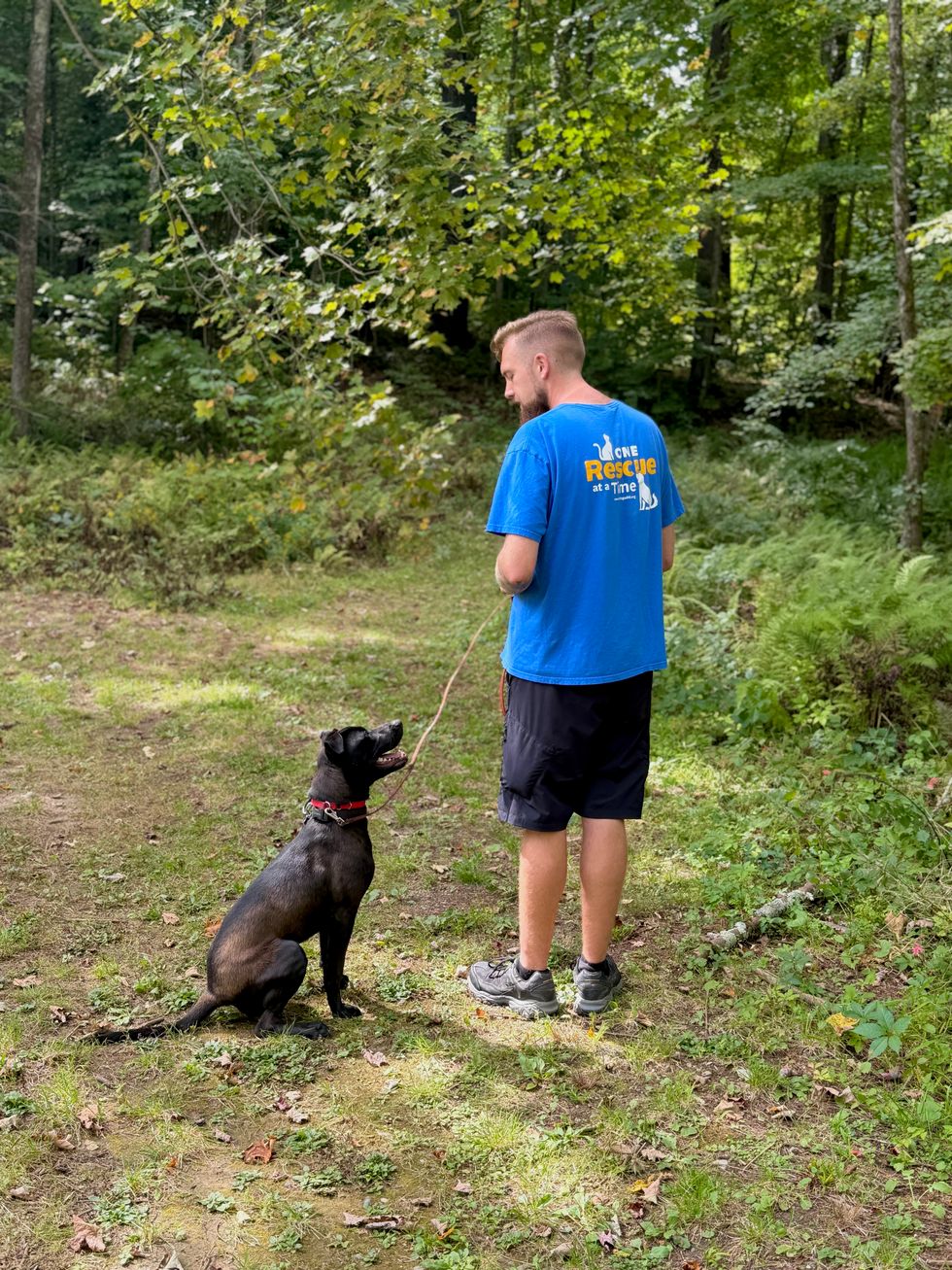 Michael DeBarba, certified dog trainer working with Marsala.Jennifer Almquist
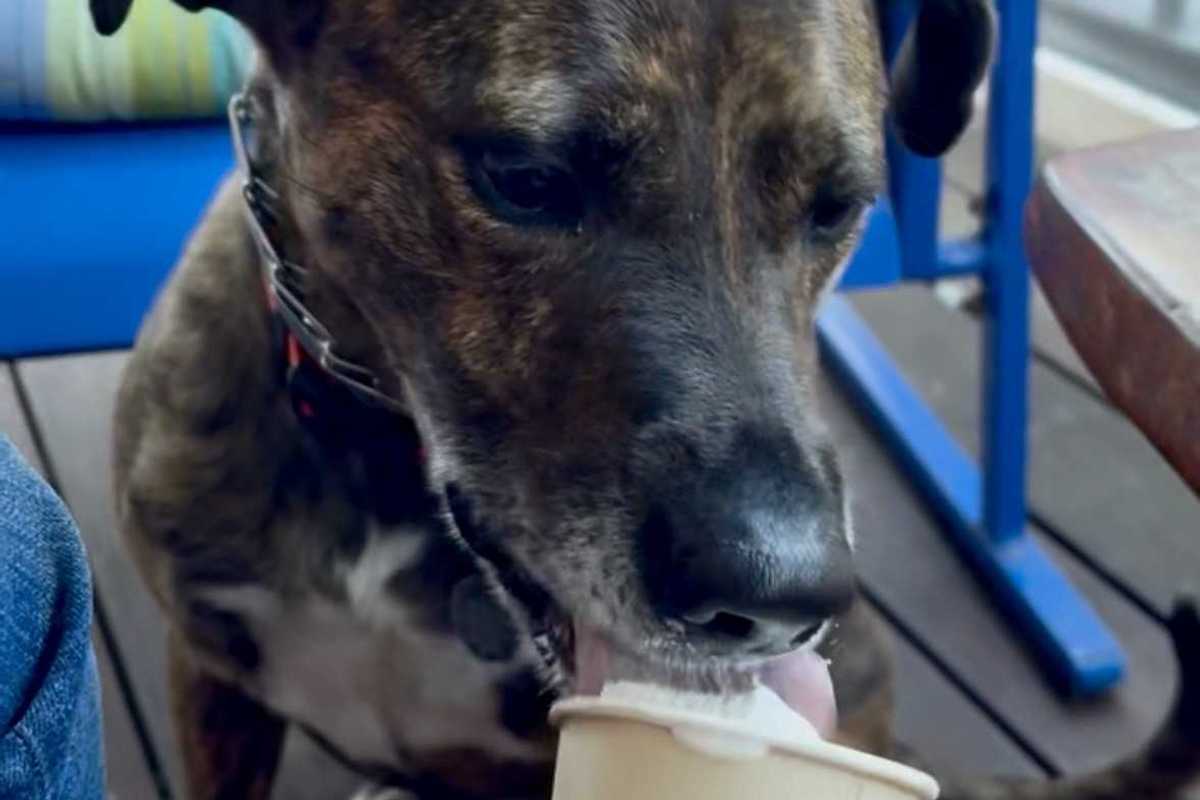
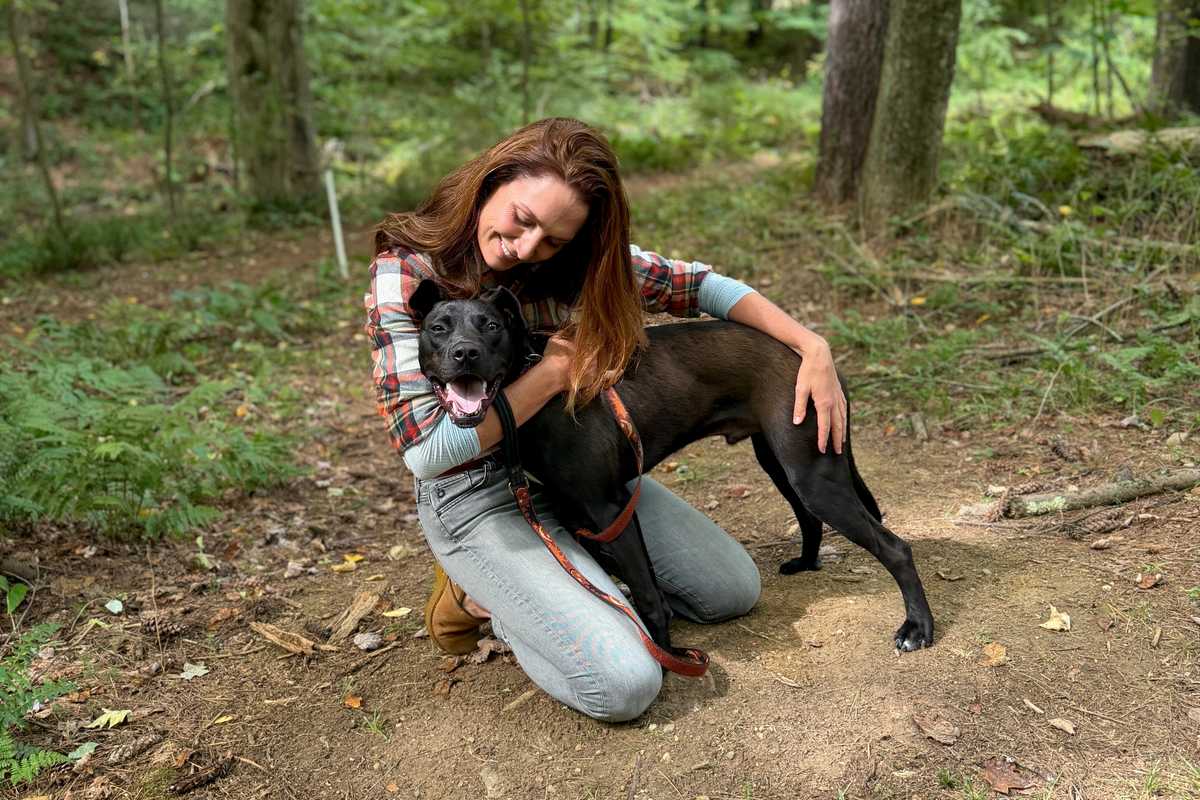 Marsala wins a heart.Jennifer Almquist
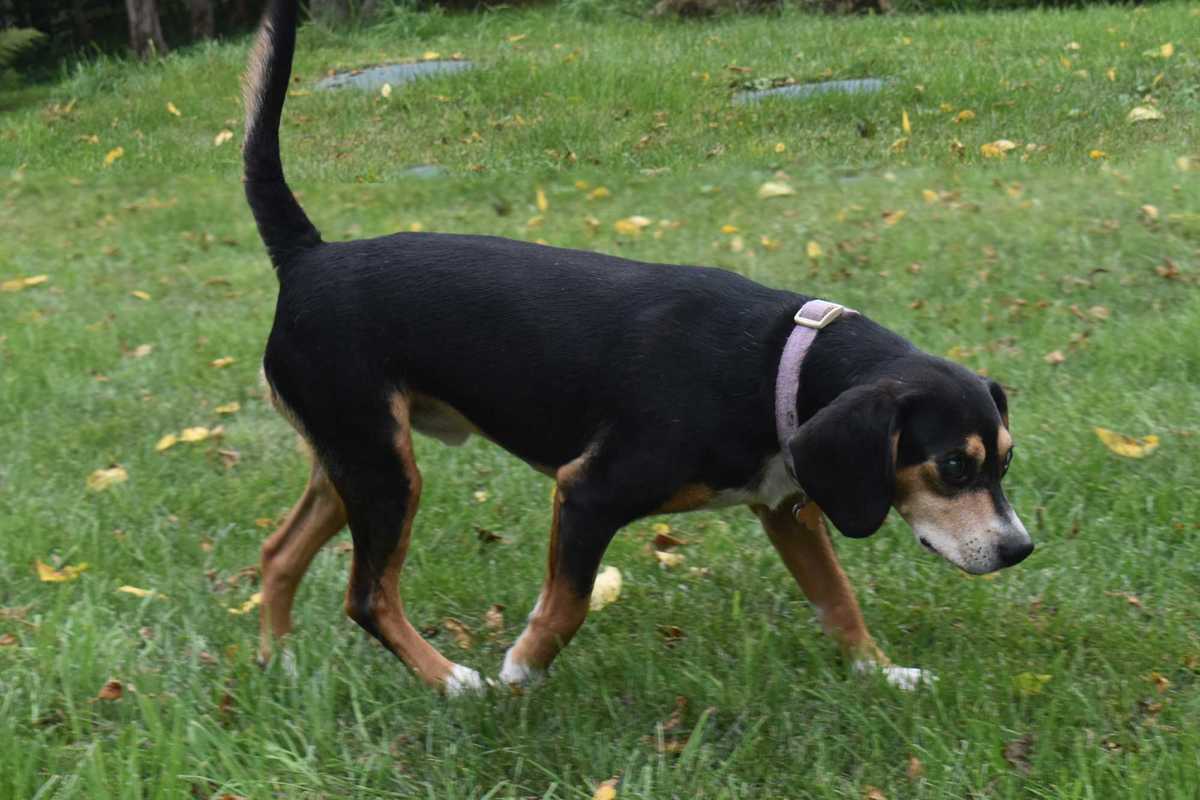
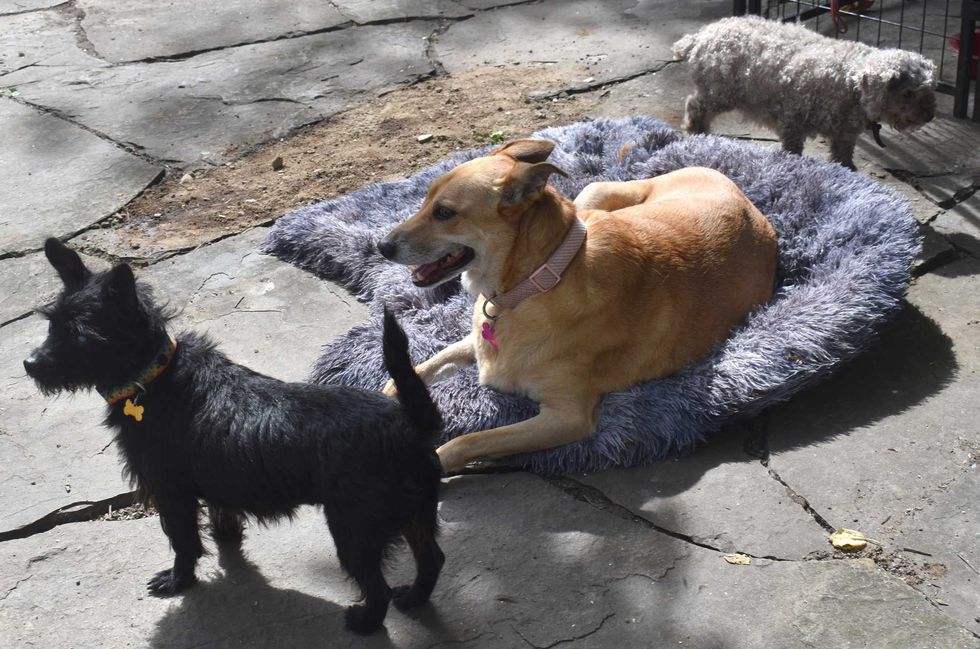 Sadie, center, a Carolina dog, plays with her friend Negra, a terrier mix. Bella Linda, the small poodle, has since been adopted.L. Tomaino
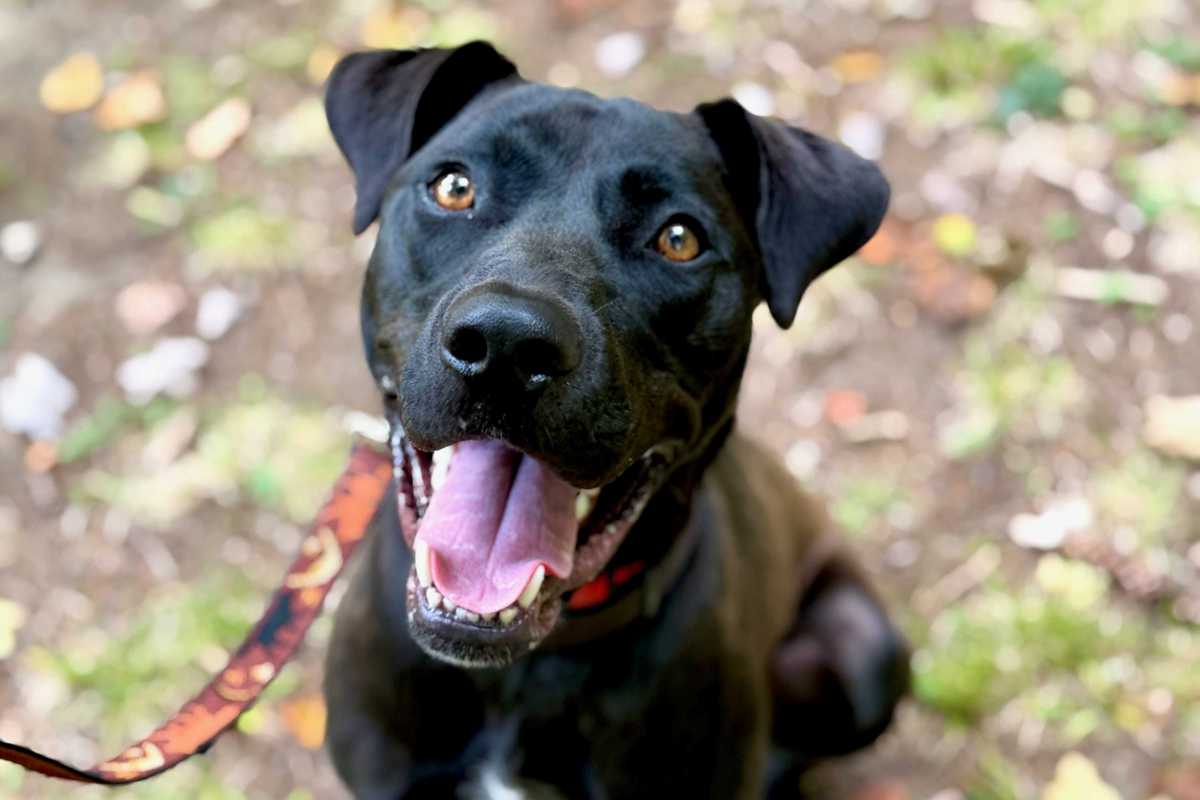
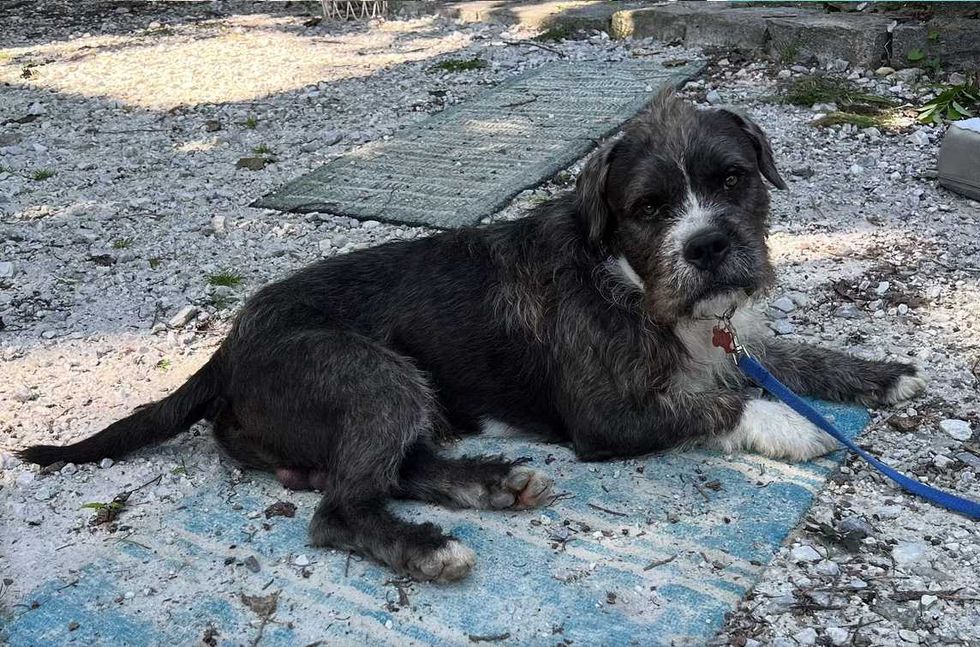 Wesley, a young, exuberant mix, is looking for an active home.L. Tomaino
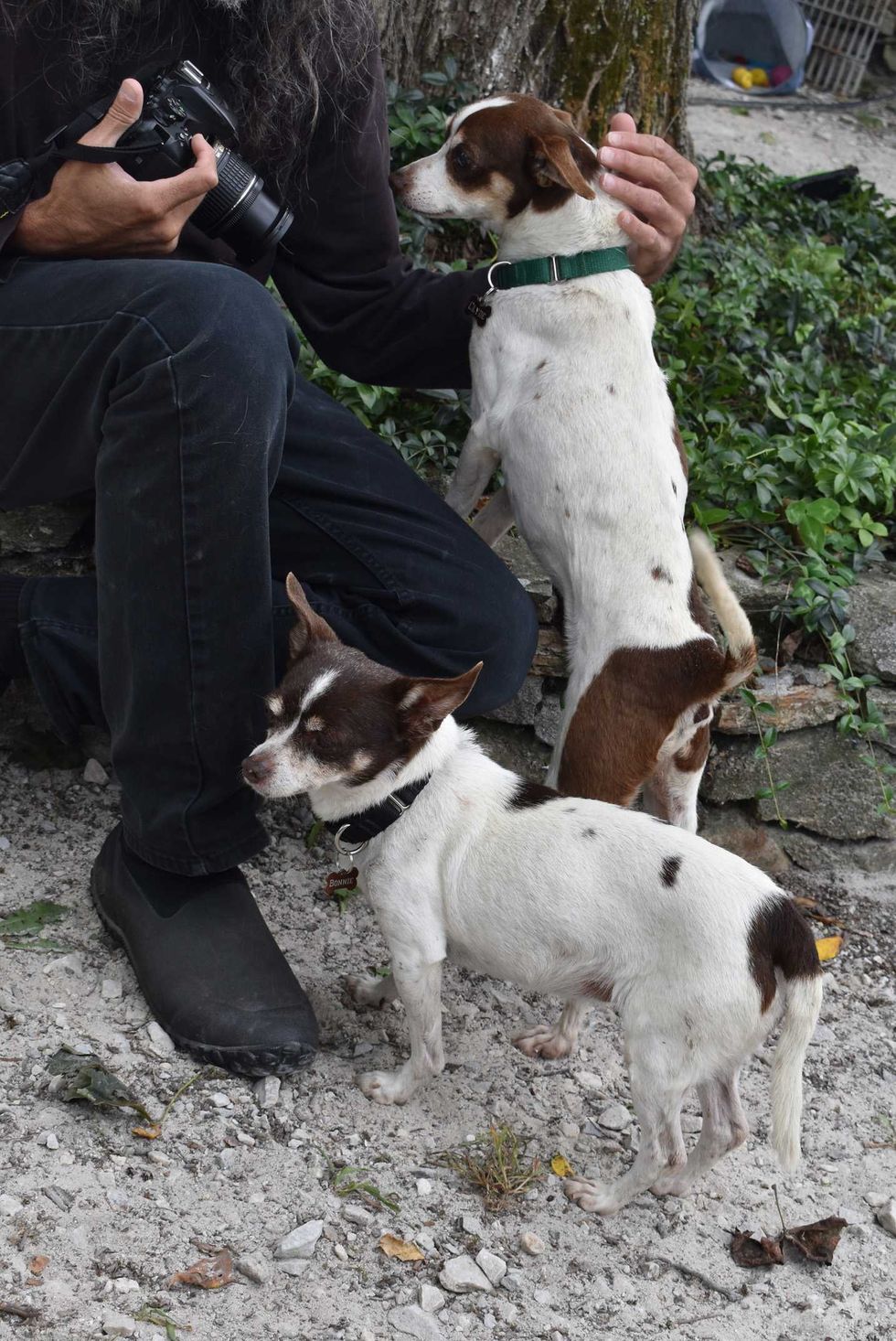 Bonnie and Clyde, an affectionate terrier pair.L. Tomaino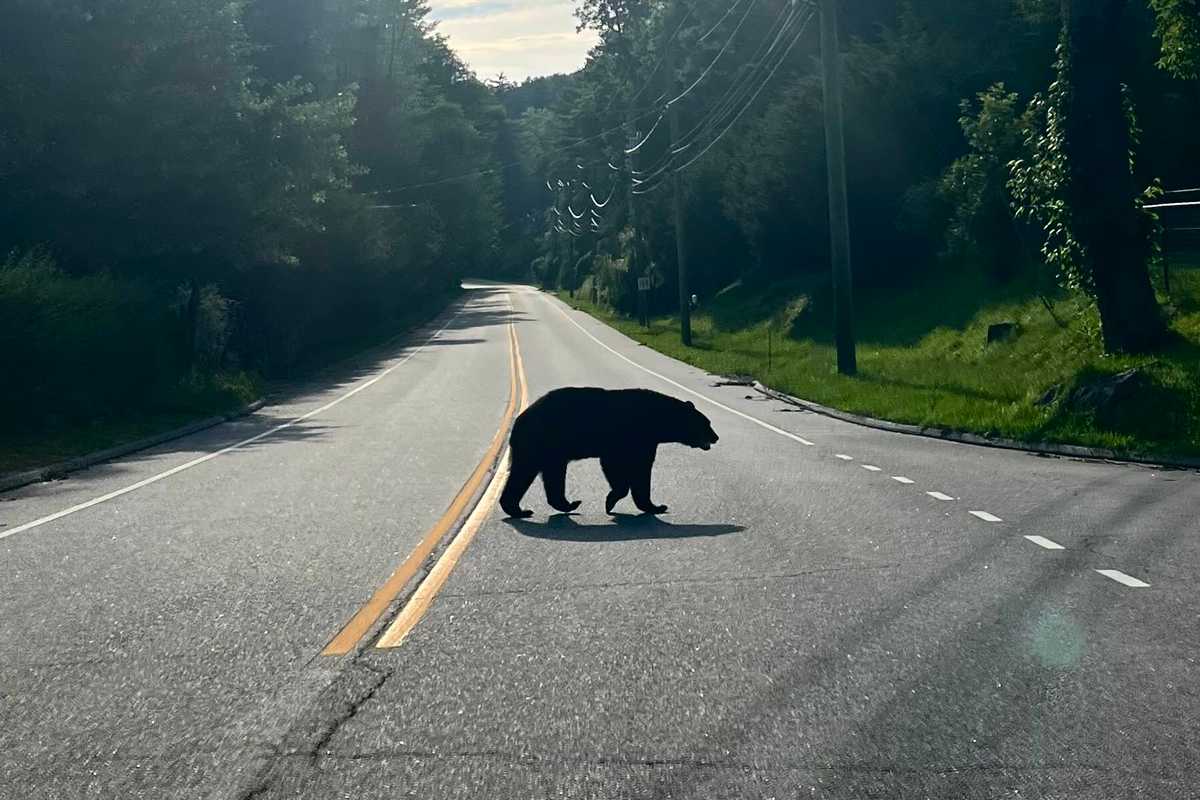
 Provided