With memoir...the character only knows what the character knows.
—Janice Erlbaum
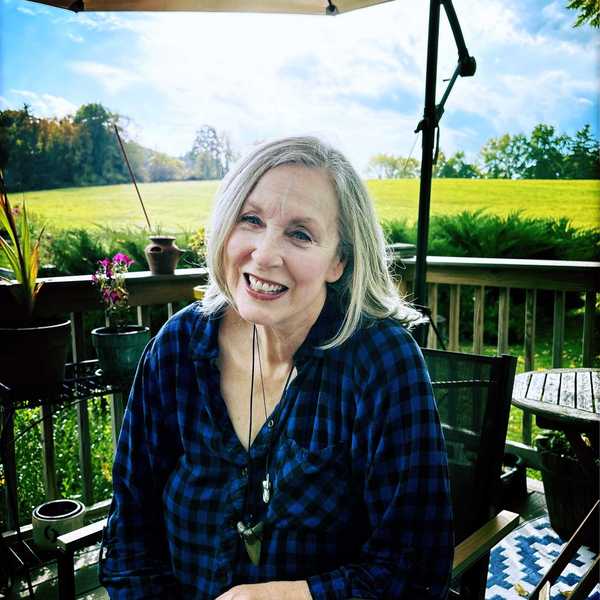
In “Girlbomb: A Halfway Homeless Memoir,” published in 2006, author Janice Erlbaum wrote about the years after she left her family’s Brooklyn apartment at 15, moving through shelters, group homes, squats, clubs and the streets of 1980s New York while somehow continuing to attend high school. The book has sold more than 75,000 copies, stayed in print for two decades and continues to find new readers.
Now Erlbaum, 57, lives in Millerton and on Saturday, Sept. 5, at 7:30 p.m., she will celebrate the 20th anniversary of “Girlbomb” with a reading at Black Rabbit Dispensary. The event is open to the public and will be livestreamed on Instagram.
There is another reason for the celebration. Erlbaum has collaborated with her longtime friend Douglas Broughton of Black Rabbit Farms on a cannabis strain named Girlbomb.
“I was an early adopter of cannabis,” Erlbaum said. “I’m smoking weed throughout the entire book, so it made sense to collaborate with my longtime friend and come up with a special Girlbomb strain.”
Erlbaum said Broughton was the first person she knew when she began contemplating a life outside New York City.
“I wanted to move near somebody who knew what the hell they were doing already,” she said with a laugh. A “true New Yorker,” Erlbaum still doesn’t even drive a car. “I was like, ‘I’m not just gonna move to a farm.’”
Now well settled in Millerton, having moved to the village in 2021, the city girl has discovered something she never expected.
“I have discovered such joy in nature,” she said. “I look at a flower and I’m like, ‘I know what flower that is.’”
She laughed.
“And it’s also great for a writer. You get a lot of peace and a lot of quiet.”
The girl who walked away
“Girlbomb” begins with a girl making a decision.
Looking back four decades later, Erlbaum describes the moment she left home not as a grand plan but as something purely instinctive.
“It was really the first time that my true survival instinct kicked in,” she said. “There was all of a sudden a clarity of like, ‘Oh, I’m leaving.’”
She was 15.
All along, Erlbaum kept journals and calendars. She saved notes passed between friends. Those scraps of the past became part of the architecture of the book — and now, 20 years later, part of its afterlife.
Erlbaum has been publishing excerpts from those old journals on her website as “the girl bomb diaries,” calling them an “unofficial sequel” to the memoir. Her site is also marking the anniversary with photographs and stories.
She was, she said, a writer almost before she knew what that meant.
Not knowing it would become integral to her survival, her parents gave her a typewriter when she was 9.
“I read and I wrote. That’s what I did,” she said. “So that part wasn’t ever really in question for me.”
But writing “Girlbomb” was not easy. Erlbaum began and abandoned versions of the story in her 20s before finally completing the memoir in her 30s. She had been writing autobiographically, performing slam poetry and comedy, going to therapy and trying to make sense of the life she had survived.
The actual writing, she said, was painful.
“It was rending,” she said. “Kind of like method acting, you have to do method writing. You have to put yourself in the mind space that you were in.”
Sometimes she had to close the laptop and walk away.
“And then I would nap,” she said. “I took a lot of naps.”
Twenty years later
Erlbaum now sees parts of “Girlbomb” differently. She is candid about the privilege and blind spots of the woman who wrote the book in her 30s.
“I’ve grown over the past 20 years,” she says. “I see now a kind of insensitivity.”
But she also refuses to rewrite the consciousness of the girl she was.
“It’s difficult with memoir because the character only knows what the character knows,” she said. “And if you butt in and you’re like, ‘Little did I know,’ then that’s just intrusive.”
That honesty is part of what has allowed the book to endure.
And if the 15-year-old Janice could meet the 57-year-old Janice now?
After a long pause, Erlbaum said, “I think she would think I was a fraud.”
The teenager, she imagined, would look at this woman who is comfortable in the world and think it impossible.
“I would have thought that it was impossible to get to a point of not being miserable all the time.”
But she did.
Not without regret. Not without grief. And not without looking directly at the harm she caused herself and others.
When Erlbaum visits high schools to talk about writing, domestic violence or homelessness, she said students often ask whether she has any regrets.
“They want me to say no,” she said. “And I say, ‘Yeah, I regret the harm that I did to myself, and I regret the harm that I did to others. And if I could do it again, I would do things differently.’”
Twenty years later, “Girlbomb” is still a book about survival but with the hindsight and wisdom of years, it’s also a book about what comes after.
“Looking back, I know that today I would do things differently. And that’s how I’m able to forgive myself.”
For more information and to order a copy of “Girlbomb,” visit JaniceErlbaum.com


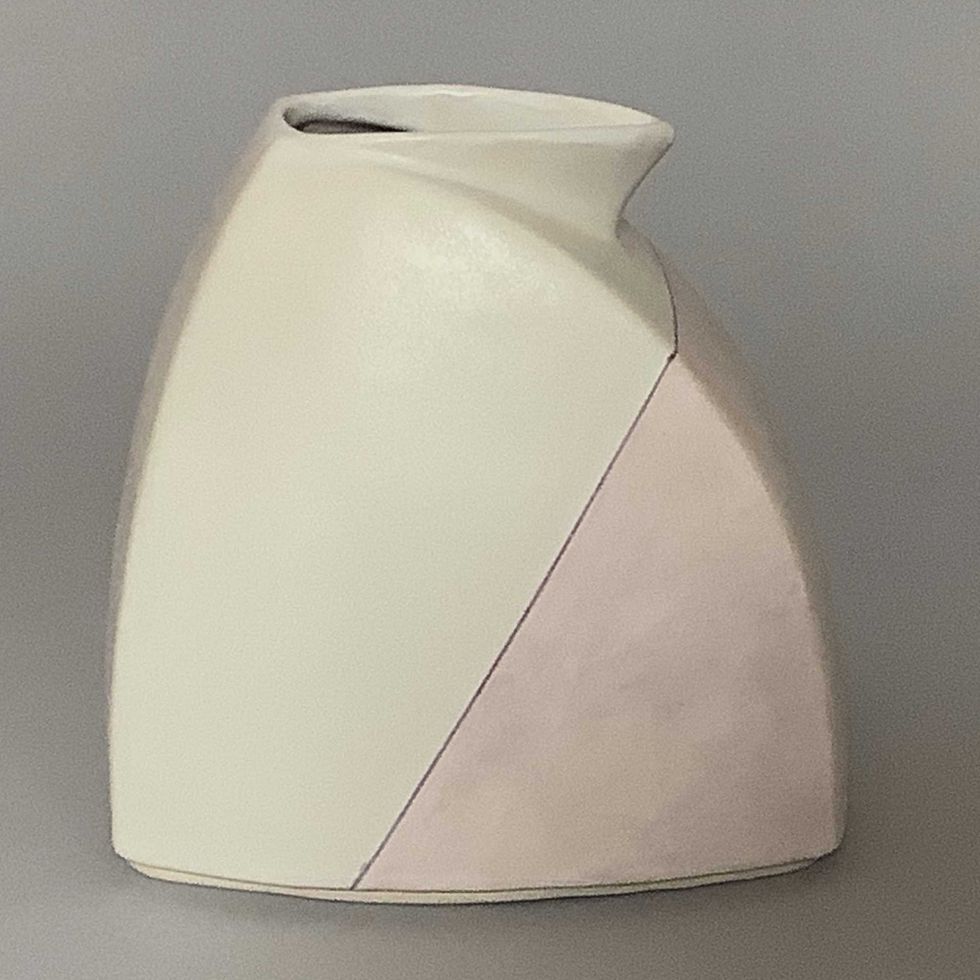 A ceramic vase by Kathleen Heidemann.Provided
 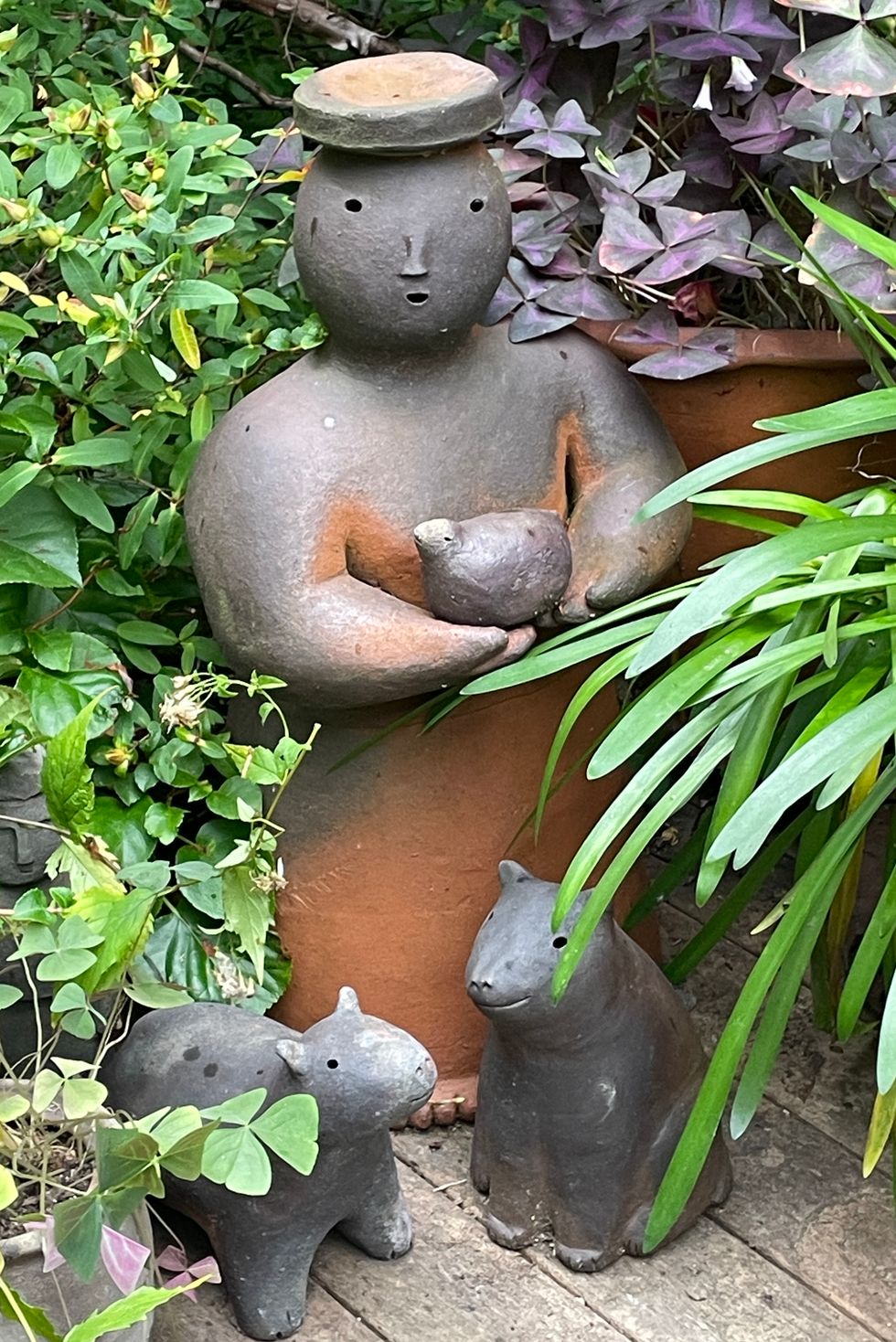 Joy Brown’s delightful ceramic sculptures.Provided
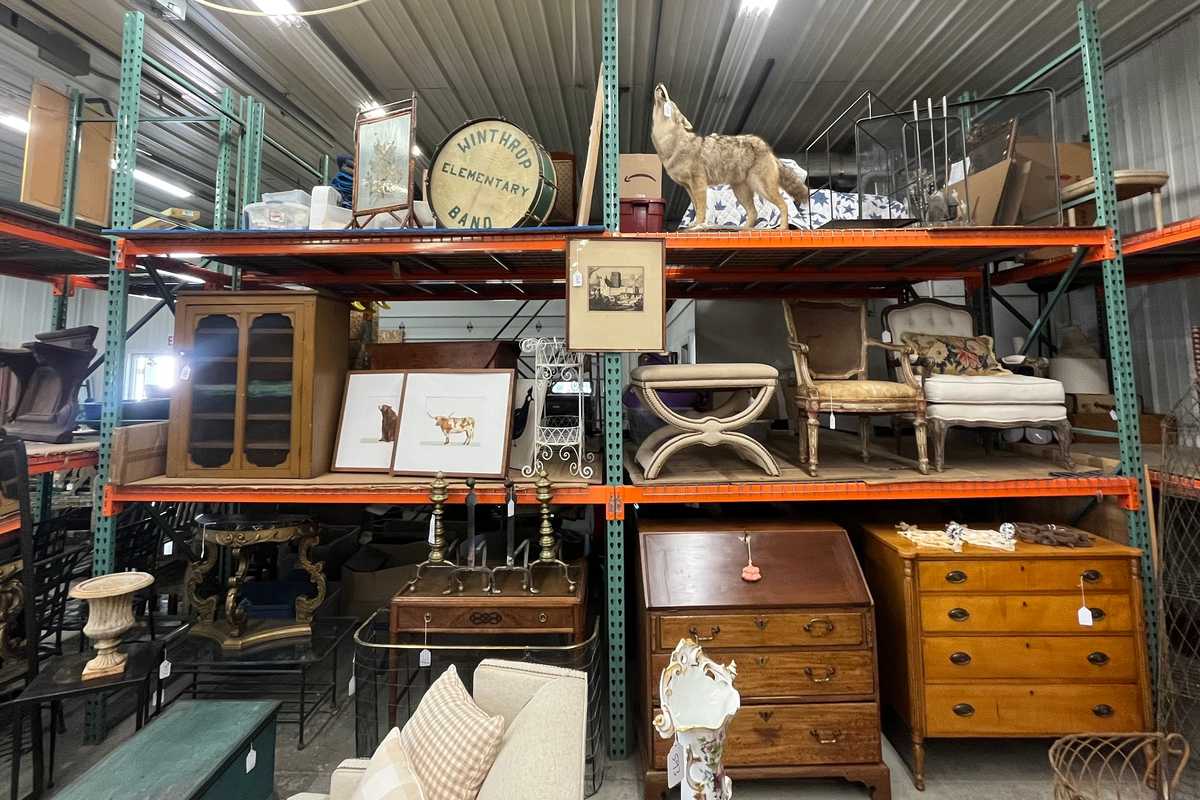
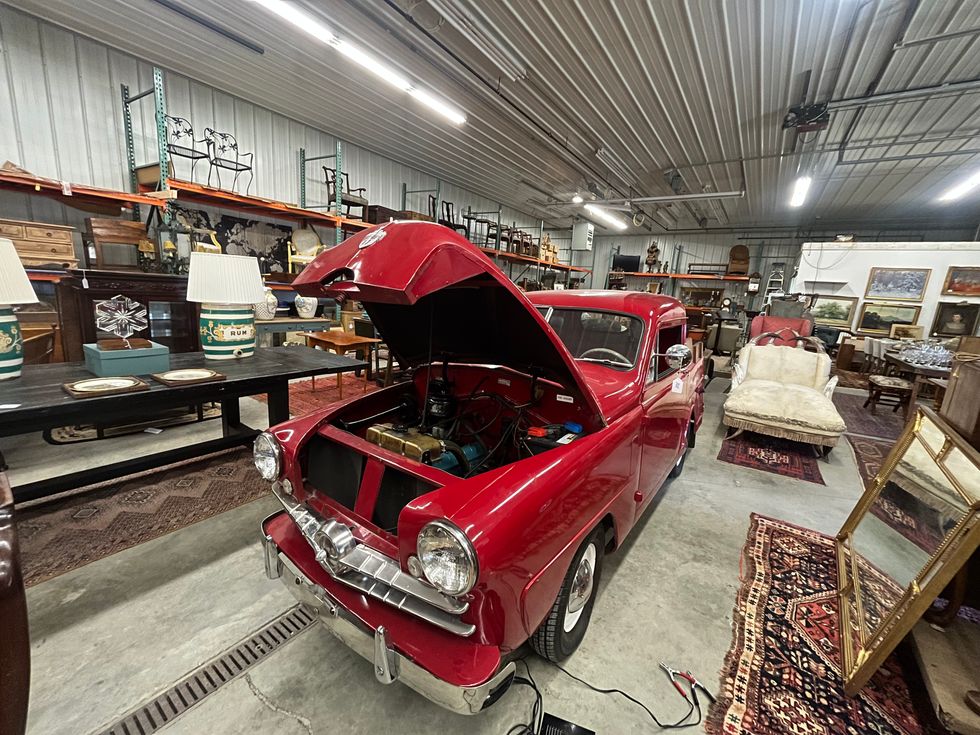 Hundreds of items at Stateline Auctions, including a candy-apple-red Crosley pickup truck.D.H. Callahan