SHARON — Saturday, March 30, was a warm day that confirmed spring’s arrival.
It wasn’t exactly the kind of day you associate with visiting a graveyard. Nonetheless, a group of about 30 people gathered at Sharon’s Hillside Cemetery to learn the history and stories behind some of the gravestones.
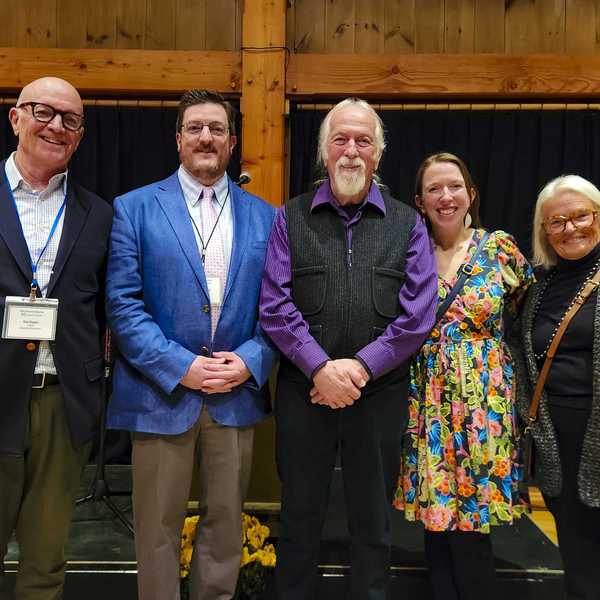
The tour was led by Marge Smith and Susan Shepard, both curators and researchers for the Sharon Historical Society; Historical Society Director Jen Owens also took part.
The Historical Society has a show up detailing the history of medicine in Sharon and highlighting some of the ways in which medical innovations in Sharon have had a major impact on the rest of the world.
The cemetery tour was offered as one of many events held in conjunction with that show.
One grave on the tour was that of Dr. Simeon Blackman, a prominent physician who passed his knowledge (and his house in Sharon) down to Dr. John Sears, who then trained his cousin, Ralph Deming, to be a successful doctor as well. Several members of the Sears/Deming families are in the cemetery.
A section of graves in the upper edge of the cemetery holds victims of the devastating 1784 smallpox outbreak in Sharon. These graves represent only a fraction of the lives claimed by smallpox in Sharon over the years, the tour guides said. The deadly epidemic swept through New England in the 17th century.
Dr. William Bradley Coley (1862-1936) is also buried in Sharon, where he worked at the hospital and did cancer research. At the time his findings were rejected by the American Cancer Society, but now he is considered the father of cancer immunotherapy and his findings have helped cancer treatment to advance.
Though not buried in Sharon, Dr. Simeon Smith is another notable doctor in the town’s history. He was serious about medicine in a time when many doctors were thought of as “quacks.” He started a medical society at his house that is called the “First Medical Society in the Thirteen United States of America Since Their Independence,” and he promoted the live smallpox inoculation, which ended up saving countless lives and led to the even more effective cowpox inoculation.
These are only a few examples of Sharon’s rich history with medicine. More information can be found in the exhibit at the Historical Society, which will be up through May and is open Wednesdays, Thursdays and Fridays from noon to 4 p.m. and Saturdays from 10 a.m. to 2 p.m. The exhibit is extensive and interactive, and was made possible through a grant from the Connecticut Humanities Council. It describes the work of some of the doctors buried in the cemetery and also has the history of Sharon Hospital and a section on the dangers of the current anti-vaccination movement as it relates to past epidemics.

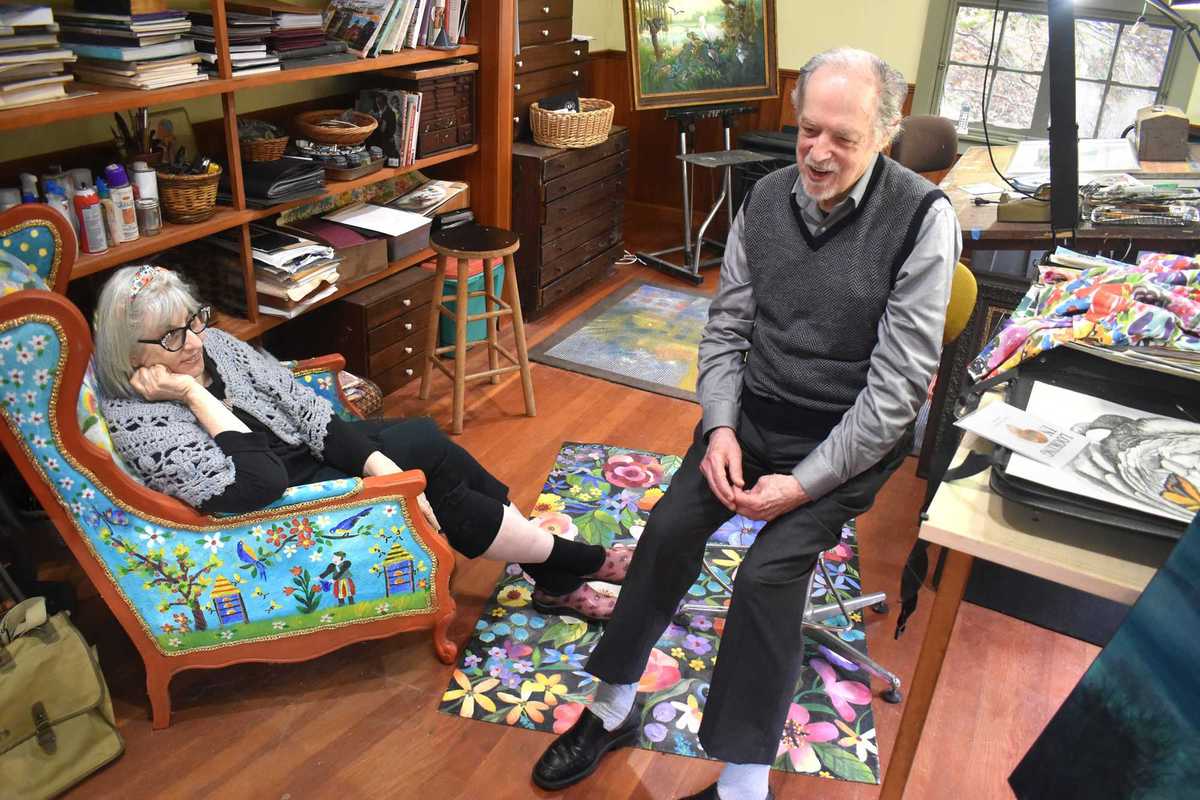
 Justine and Victor Valla in their studio with a painting of Victor’s,”Jonah and the Whale.” Robin Roraback



 A ceramic vase by Kathleen Heidemann.Provided
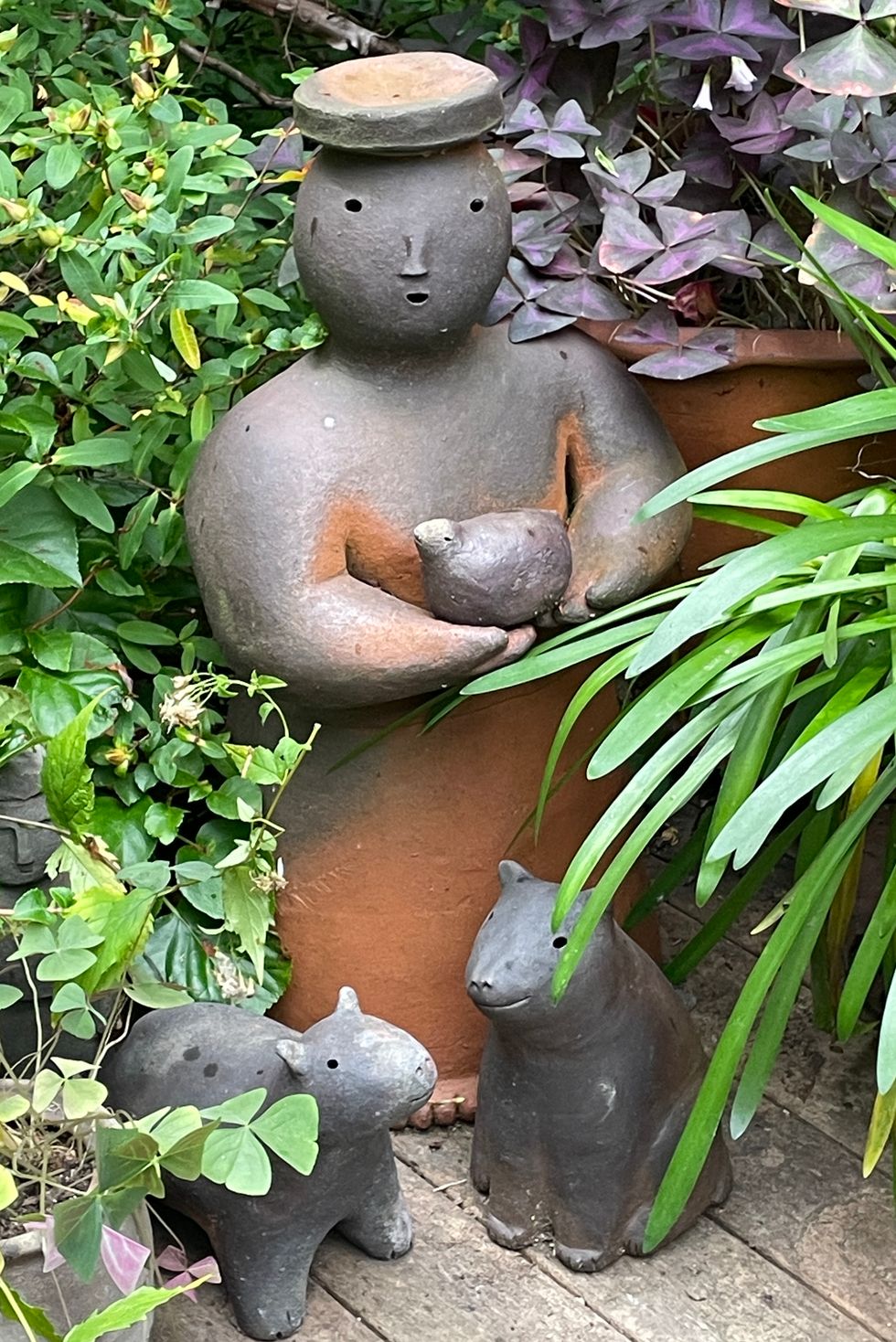 Joy Brown’s delightful ceramic sculptures.Provided

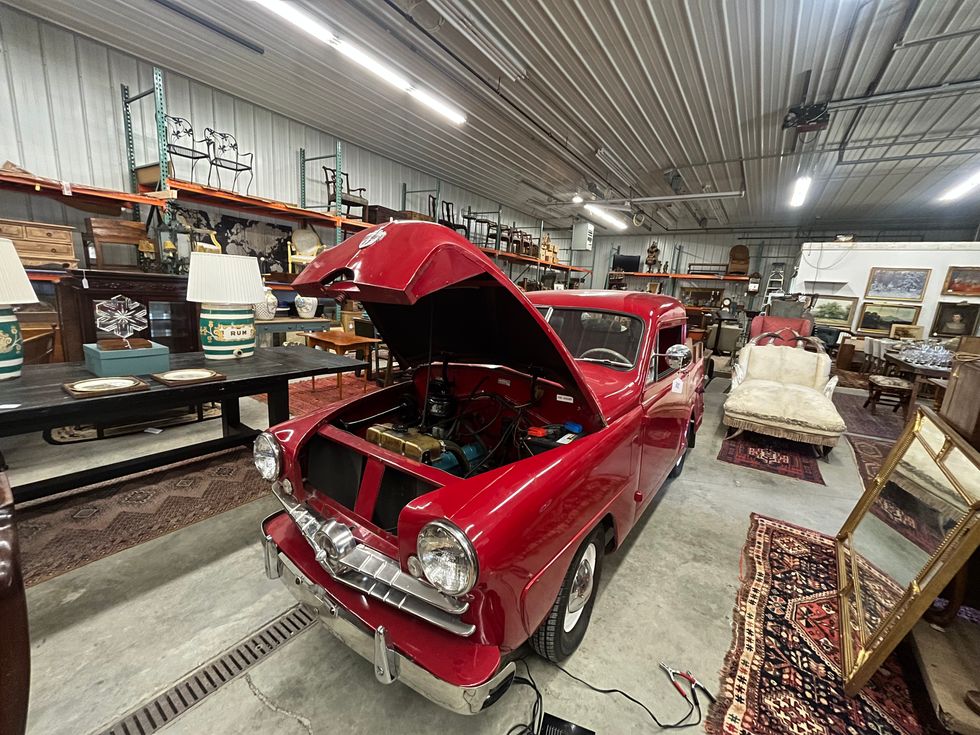 Hundreds of items at Stateline Auctions, including a candy-apple-red Crosley pickup truck.D.H. Callahan