

Happy travels overseas

The last of the Daddy-Daughter triad of trips was completed last month. This time, with Meaghan selecting the destination, we journeyed to Ireland and Scotland. The previous trips were with Emily to Germany, France and England (2010), and with Abigail to Italy (2014). Every trip was enjoyable, and the time spent alone with each daughter was the most memorable aspect of the trips.

Meaghan and I flew out of Boston to go to Dublin. Last year, with Abigail going to Italy, we flew on Aer Lingus, through Dublin and on to Rome. I decided to use an American-based airline this time, and opted to fly on Delta. We boarded the aircraft as scheduled, but then were delayed by nearly an hour from taking off. Now, we did apparently leave the gate at the appropriate time, so I am sure in the airline-statistics world, it was considered an “on-time” departure. It gets better.

Our flight (it was the most reasonable fare) took us to John F. Kennedy Airport in New York before the transoceanic crossing to Dublin. When we arrived at JFK, no gate was available, so we continued to sit in the aircraft for another 30 minutes of so before finally disembarking. We had ample time to get to the appropriate terminal and gate, and again boarded at the scheduled time.

As in Boston, we pulled away from the gate and then sat in the plane long enough to watch an entire movie (nearly two hours) before actually taking off. Apparently, a key part wasn’t working correctly, and the initial diagnosis was that perhaps if a different component was changed, the key part would function properly. Didn’t work. The pilot apologized and said that the key part would itself be changed. After a lengthy wait, the pilot (with very much apparent frustration) indicated that because the part was very expensive, a corporate bean-counter nixed the replacement and ordered another related part changed to see if that corrected the problem. Nope. So the expensive part was eventually changed, and, as I said, we left two hours late. We did get a complimentary bottle of water, though. While the aircrew was professional and understanding, from an operations perspective, Aer Lingus outperformed Delta.

The pilot made up about an hour over the Atlantic, so we got to Dublin around noon on a Sunday. We then picked up our rental car. I expected driving on the opposite side of the road to be challenging enough, so I had selected an automatic transmission so as to not get more confused with left-handed shifting. We set off to find our Dublin hotel.

The left-side driving was never an issue. Meaghan had more trouble riding on the left side of the car as a passenger. The only aspect of Ireland driving that took a while to get used to was looking up and to the left for the rearview mirror rather than the right as we do here. The frequent traffic circles (rotaries) flowed easily in a clockwise direction. From a traffic flow perspective, I like the concept of rotaries — it speeds things along. All in all, we had no driving issues in Ireland (while I was driving, that is, except for perhaps the brief time I drove on the trolley tracks — no harm, no foul).

We found Dublin to be a fun city. We wandered through the town for the balance of the afternoon and had dinner at a typical Dublin pub — music, singing, beer and stew. It was a great introduction. The following morning, we hopped on a sightseeing bus to get a broader perspective of the city. I plan all of these trips myself, selecting the hotels and tours without the use of organized tours. I believe that we then get to operate on our schedule and do what we want to do. On all of the trips, I would recommend every single hotel in which we stayed — some were small European chains, but most were simply little inns.

 After lunch, we packed up and headed toward Cork, in southwestern Ireland, approximately a two-hour drive away from Dublin. Traffic was pretty much non-existent and the roads and highway (the “dual carriage motorway”) moved at speeds similar to here (slow lane on the left). We found out that the traffic was light that day because it was a bank holiday, somewhat like our holidays of Labor Day and Columbus Day — a good reason for a long weekend. So, when we got to Cork in the late afternoon, things were pretty well shut down for the day. It was difficult even finding a restaurant in which to have dinner. The reason for staying in Cork, though, was to visit the Blarney Castle on the following day.

Blarney lies less than 10 miles from Cork, and the day was bright and sunny. We easily found the castle grounds and made our way to the castle. We met our first other Megan at the ticket office. My ex-wife and I spelled our Meaghan, in Meaghan’s words, “with all the letters” of the traditional Gaelic spelling. She gets frustrated because rarely do any souvenirs or similar items ever use all the letters. So, the first truly Gaelic Megan we meet has dropped a few letters. I heard about that as we made our way to the castle.

Visitors are forewarned that the interior of the castle is difficult to negotiate due to the narrow and twisting stairs. That advice should be noted — no elevators in a real (ruined) castle — it’s about 200 steps to reach the top of the castle and kiss the famous Stone. The views from the castle and of the grounds were fabulous, with all of the Irish green on beautiful display all the way to the horizon. We didn’t go into the Blarney House, but it was an impressive sight to walk around.

Our next destination was Glenbeigh, and a planned trip around the Ring of Kerry. To be continued.


Dale Martin is the town manager of Winsted.

Latest News

A new life for Barrington Hall

A new life for Barrington Hall

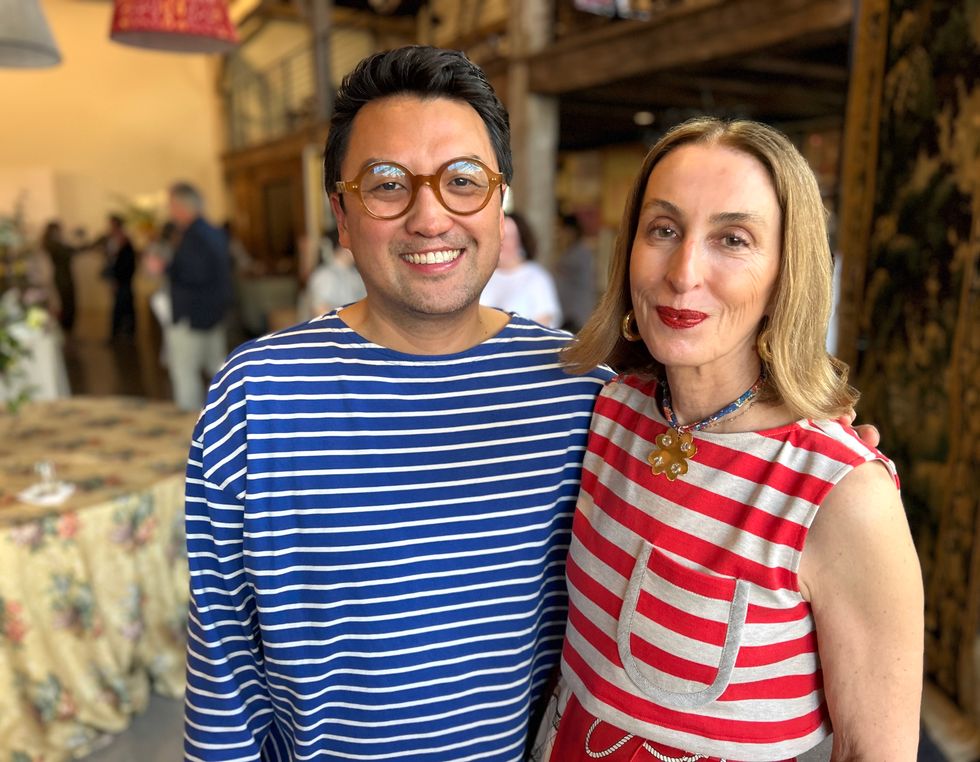
Dan Baker, left, and Daniel Latzman at Barrington Hall in Great Barrington.

Provided

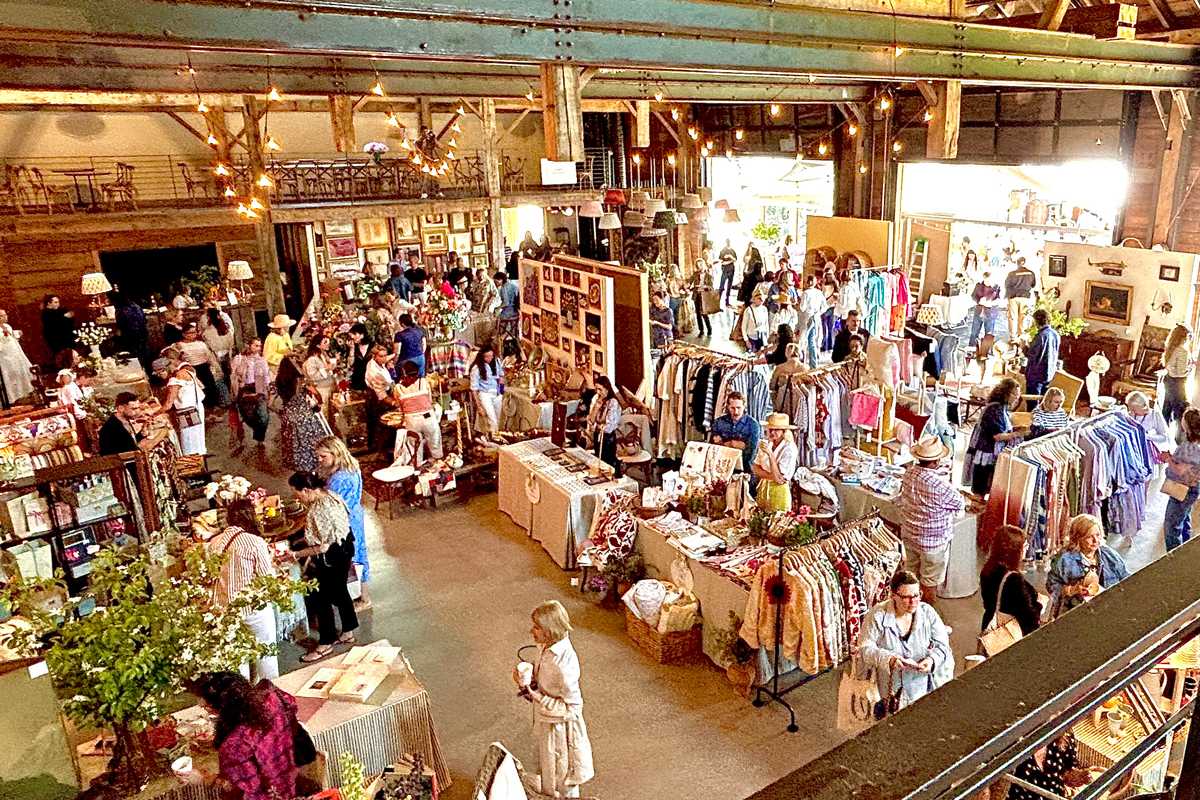
Barrington Hall in Great Barrington has hosted generations of weddings, proms and community gatherings. When Dan Baker and Daniel Latzman took over the venue last summer, they stepped into that history with a plan not just to preserve it, but to reshape how the space serves the community today.

Barrington Hall is designed for gathering, for shared experience, for the simple act of being together. At a time when connection is often filtered through screens and distraction, their vision is grounded in something simple and increasingly rare: real human connection.

Keep ReadingShow less

Gail Rothschild’s threads of time

Gail Rothschild’s threads of time

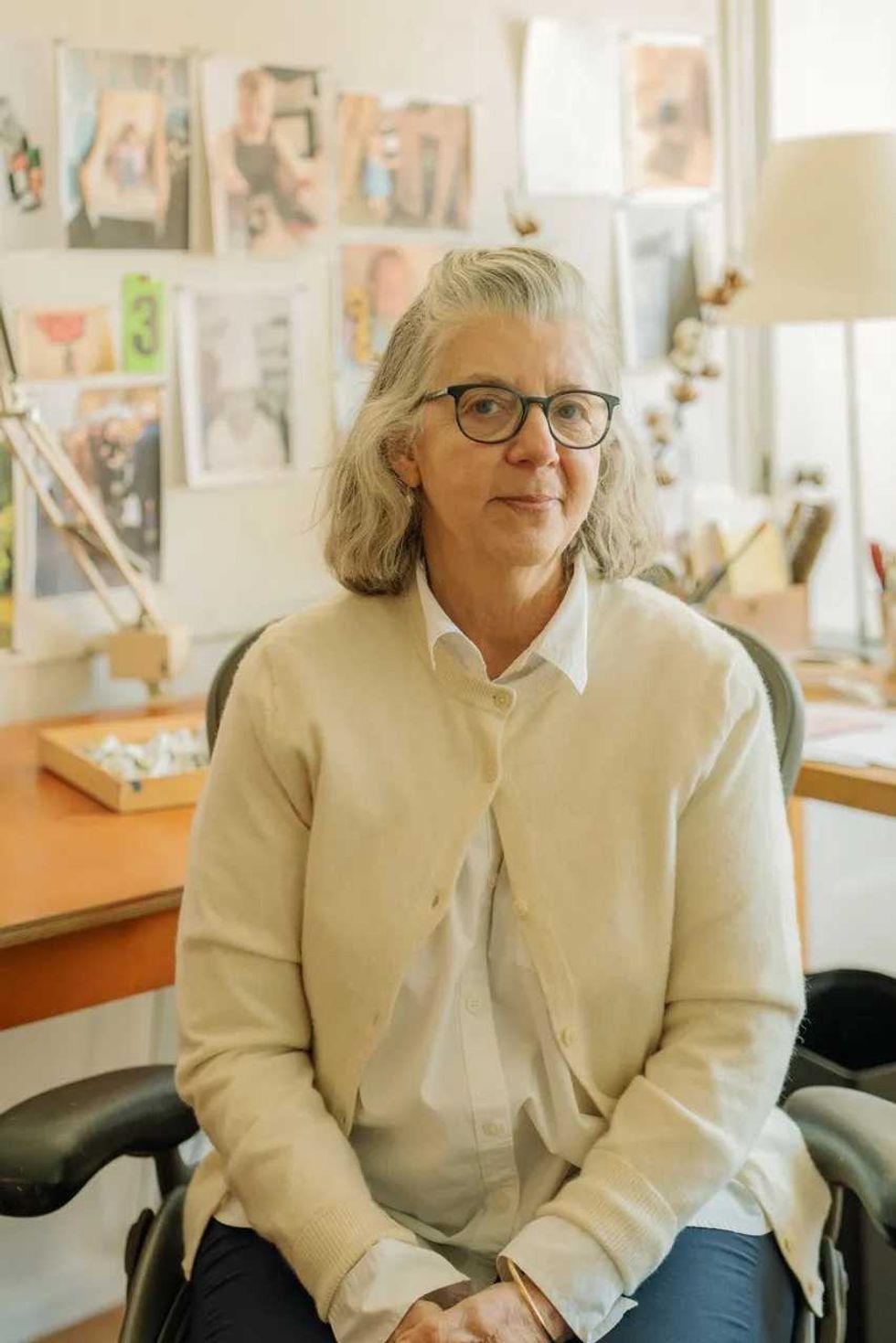
Gail Rothschild with her painting “Dead Sea Linen III (73 x 58 inches, 2024, acrylic on canvas.

Natalia Zukerman

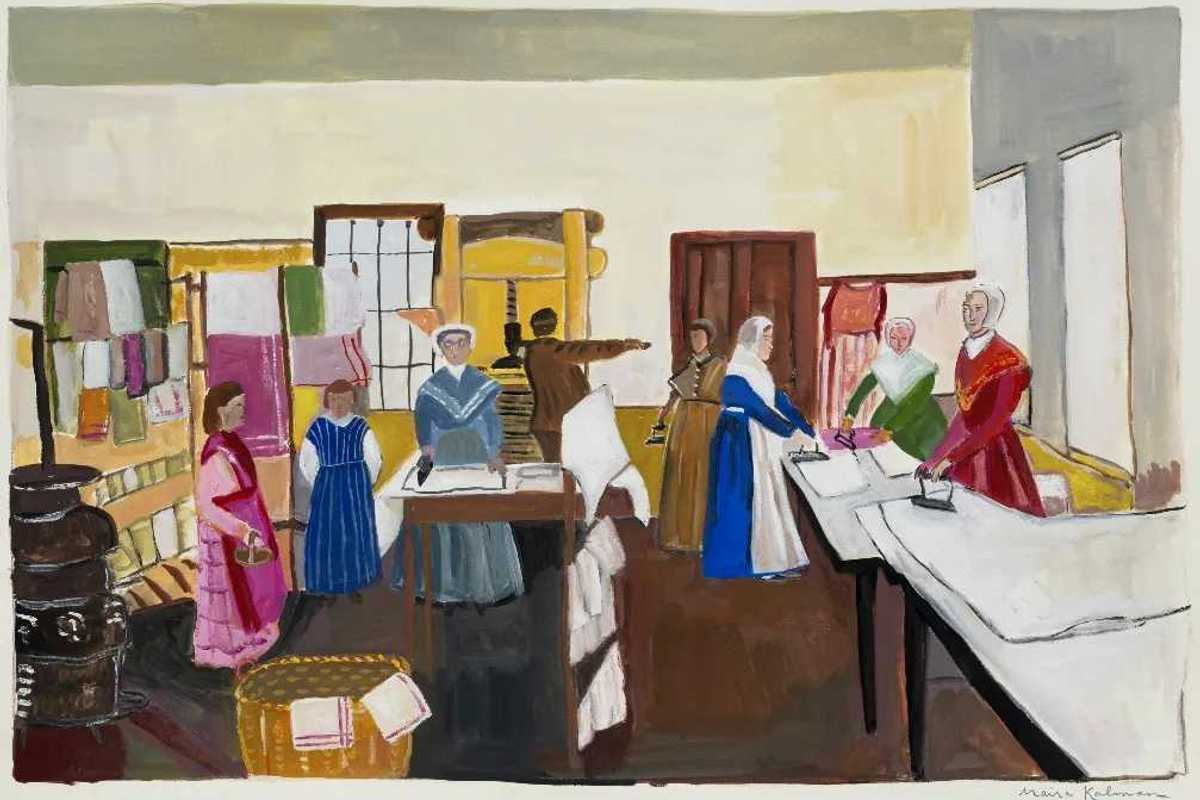
There is a moment, looking at a painting by Gail Rothschild, when you realize you are not looking at a painting so much as a map of time. Threads become brushstrokes; fragments become fields of color; something once held in the hand becomes something you stand in front of, both still and in a constant process of changing.

“Textiles connect people,” Rothschild said. “Textiles are something that we’re all intimately involved with, but we take it for granted.”

Keep ReadingShow less

Sherman Players celebrate a century of community theater

Sherman Players celebrate a century of community theater

Cast of “Laughter on the 23rd Floor” from left to right. Tara Vega, Steve Zerilli, Bob Cady (Standing) Seated at the table: Andrew Blanchard, Jon Barker, Colin McLoone, Chris Bird, Rebecca Annalise, Adam Battlestein

Provided

For a century, the Sherman Players have turned a former 19th-century church into a stage where neighbors become castmates, volunteers power productions and community is the main attraction. The company marks its 100th season with a lineup that blends classic works, new writing and homegrown talent.

New England has a long history of community theater and its role in strengthening civic life. The Sherman Players remain a vital example, mounting intimate, noncommercial productions that draw on local participation and speak to the current cultural moment.

Keep ReadingShow less
google preferred source

Want more of our stories on Google? Click here to make us a Preferred Source.
Reimagining opera for a new generation

Reimagining opera for a new generation

Stage director Geoffrey Larson signs autographs for some of the kids after a family performance.

Provided

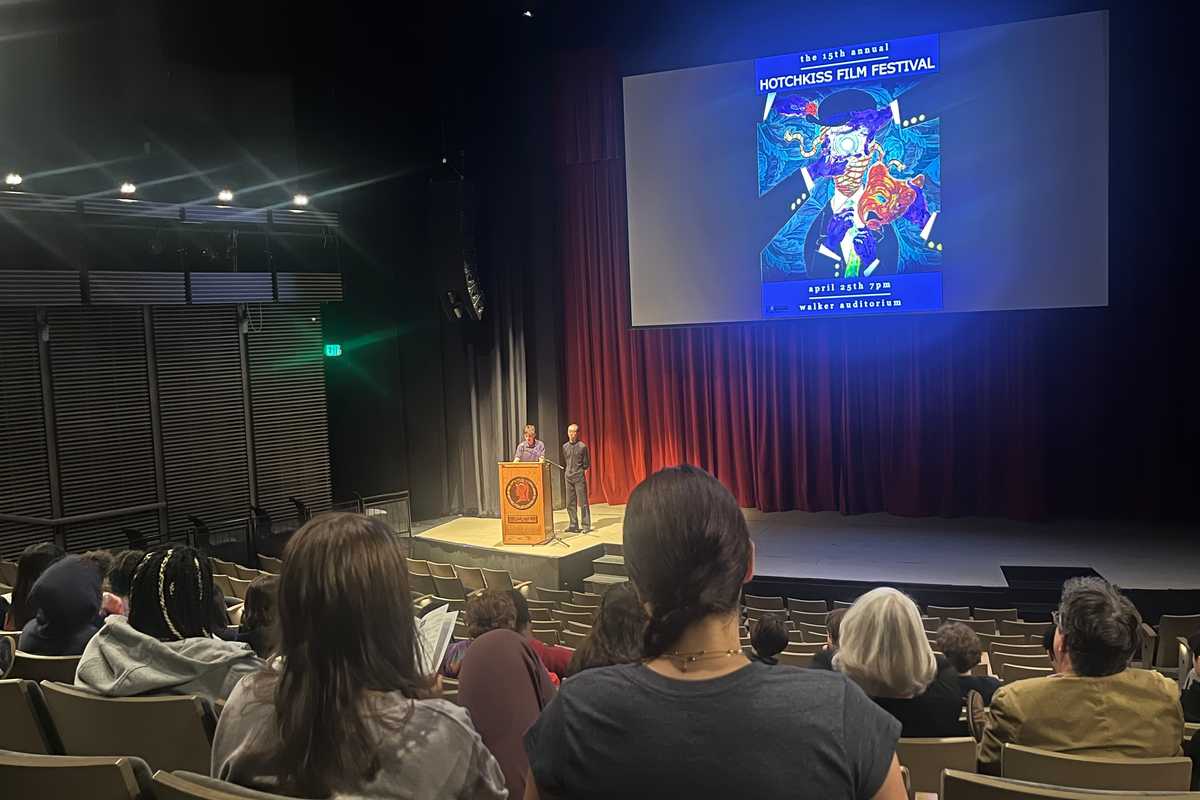
For those curious about opera but unsure where to begin, the Mahaiwe Theater in Great Barrington will offer an accessible entry point with “Once Upon an Opera,” a free, family-friendly program on Sunday, April 12, at 2 p.m. The event is designed for opera newcomers and aficionados alike and will include selections from some of opera’s most beloved works.

Luca Antonucci, artistic coordinator, assistant conductor and chorus master for the Berkshire Opera Festival, said the idea first materialized three years ago.

Keep ReadingShow less
BSO charts future amid leadership transition and financial strain

Aerial view of The Shed at Tanglewood in Lenox, Massachusetts.

Provided

The Boston Symphony Orchestra is outlining its path forward following the announcement that music director Andris Nelsons will step down after the 2027 Tanglewood season, closing a 13-year tenure.

In a letter to supporters, the BSO’s Board of Trustees acknowledged that the news has been difficult for many in its community, while emphasizing gratitude for Nelsons’ leadership and plans to celebrate his final season.

Keep ReadingShow less
A tradition of lamb for Easter and Passover

Roasted lamb

Provided

Preparing lamb for the observance of Easter is a long-standing tradition in many cultures, symbolizing new life and purity. For Christians, Easter marks the end of Lenten fasting, allowing for a celebratory feast. A popular choice is roast lamb, often prepared with rosemary, garlic or lemon. It is traditional to serve mint sauce or mint jelly at the table.

The Hebrew Bible suggests that the last plague God inflicted on the Egyptians, to secure the Israelites’ release from slavery, was to kill the firstborn son in every Egyptian home. To differentiate the Israelites from the Egyptians, God instructed them to mark their doorposts with the blood of a lamb. Today, Jews, Christians and Muslims generally believe that God would have known who was Israelite and who was Egyptian without such a sign, but views of God’s omnipotence in the Abrahamic faiths have evolved over the millennia.

Keep ReadingShow less
google preferred source

Want more of our stories on Google? Click here to make us a Preferred Source.
google preferred source

Want more of our stories on Google? Click here to make us a Preferred Source.