MILLERTON — These days it’s frowned upon to put the pedal to the metal, by and large because the average pocketbook can’t stand for it. Certainly gas prices around the Harlem Valley appear high enough to prohibit aimless speed-racing around town.
But still, people have places to go and use their cars to get to their destinations. That means they have to fill up where they can, and around here that could be in Millerton, Amenia or Pine Plains.
For just about a week, at the end of February, prices in Millerton in particular had some seeing red. The Sunoco station was charging $2.18 a gallon for regular unleaded while Cumberland Farms was charging $2.19 for the same. Those prices have since dropped.
“What are they doing, taking advantage of the people in Millerton?†asked John McLean, owner of McLean Ford in both Millerton and Pine Plains. “I think it’s criminal what they’re doing. I travel a lot, so I see gas prices all over. I’m not bringing up the $1.87 I saw in Connecticut. I’m not trying to compare those at all. I’m trying to compare to Pine Plains and Amenia, right in our backyard.â€
At the time of McLean’s complaint, the difference was notable. The Stewart’s Shop in Pine Plains and the Sunoco in Amenia were charging only $2.07 a gallon for regular unleaded. The Amenia station is run by Surgit Singh. He said the price of gasoline is out of his hands.
“It’s always funny. Last time they [the Millerton Cumberland Farms] were cheaper and we were higher,†he said. “My company always calls and it will go up or it will go down, and the waiting is tough. I don’t have any control. I get a commission of 3 cents per gallon regardless.â€
According to Lee Metaxas, who does gasoline pricing for Cumberland Farms at its Massachusetts headquarters, there are several factors when it comes to setting a dollar amount for gas. Those include the wholesale prices of gasoline, the given locations of the service stations and the trading areas around the competition. The prices are then generated by headquarters. Cumberland Farms, in particular, has an online automated system that helps it determine its prices on a 24-hour, seven-days-a-week, 365-days-a-year basis.
The type of gasoline also makes a difference. There is a summer gasoline and a winter gasoline, which are mandated by the government and the Environmental Protection Agency (EPA). According to Metaxas, the two gasolines are “totally different products.†The winter gas has to be purged by a specific expiration date and by April or May summer gasoline must be in place to be sold. The summer blend has a low RVP (read vapor pressure) of 9 pounds that burns cleaner in warmer months. The winter gas has a high RVP of 13 pounds.
“It’s like apples and oranges,†Metaxas said, adding that the two different gasolines are also priced differently, which is why many drivers complain that gas prices spike in the summer months.
“There’s no question about it. We might experience a spike in cost. It’s not at our choosing, obviously, but shopping around for the best pricing is the best idea. We like to be as competitive as we can be. I don’t know if you noticed, but prices have been going up. That’s because the finished product is going up. It’s not a direct correlation to the price of oil. It all boils down to supply and demand.â€
And money, which is something that Millerton driver Charles Porteus remains aware of when he’s fueling up at the local gas station. Usually, the Cumberland Farms is his stop of choice.
“It’s all about money,†he said. “It’s cheaper here, so I might keep going here I guess. Maybe I should stop by Amenia, though, if it’s a lot cheaper there. It’s the nature of the beast, trying to save money.â€
As of last Friday, Feb. 27, according to MSN.com, the national average for gasoline was $1.88; the lowest price in the nation was $1.32 in Lubbock, Texas, and the highest price was $3.09 in Nenana, Alaska.
Regardless of the current prices, Metaxas said we should all still be thankful, for things could always be worse.
“Gas is still cheaper in comparison to when we were at $4 a gallon,†he said. “But overall, we would rather make a dime on [selling gas at] $2 a gallon than a dime on $4 a gallon.â€


 Justine and Victor Valla in their studio with a painting of Victor’s,”Jonah and the Whale.” Robin Roraback

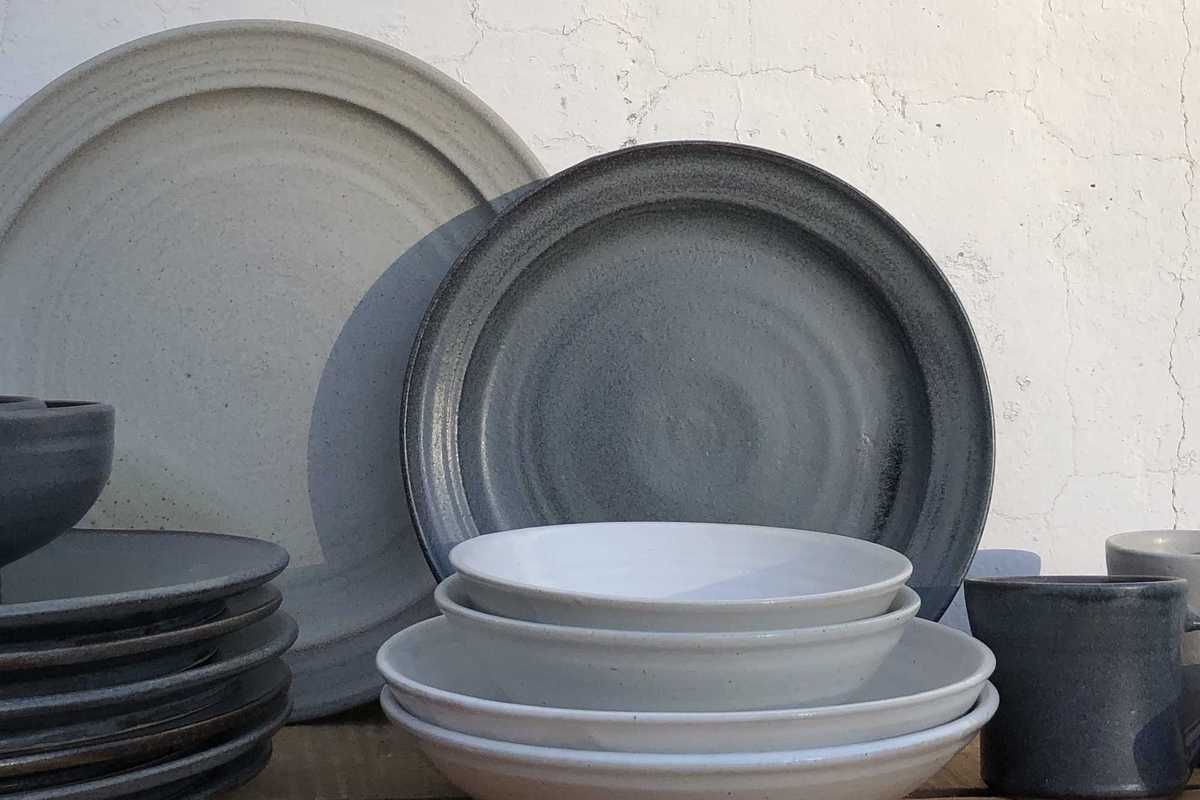
 A ceramic vase by Kathleen Heidemann.Provided
 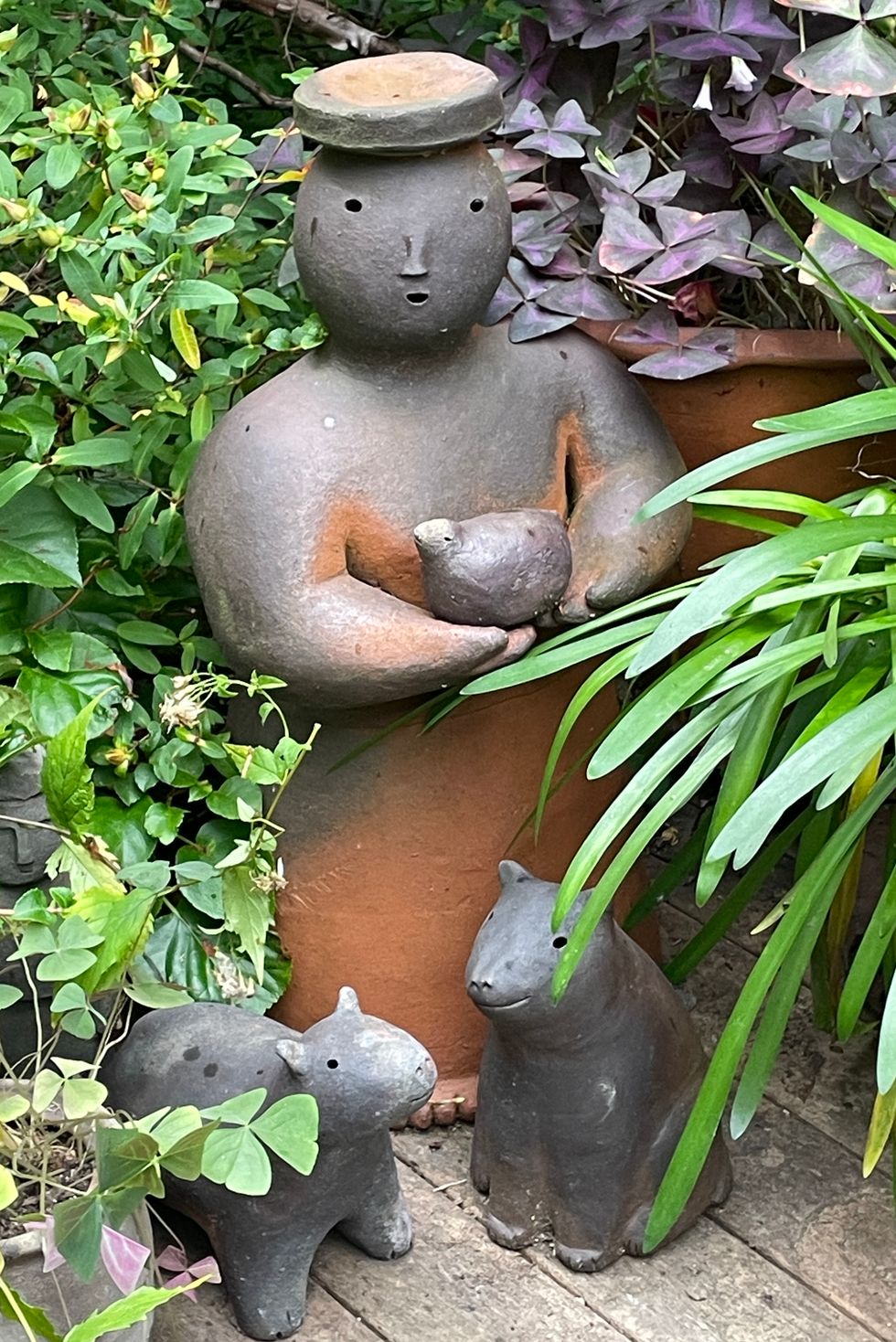 Joy Brown’s delightful ceramic sculptures.Provided
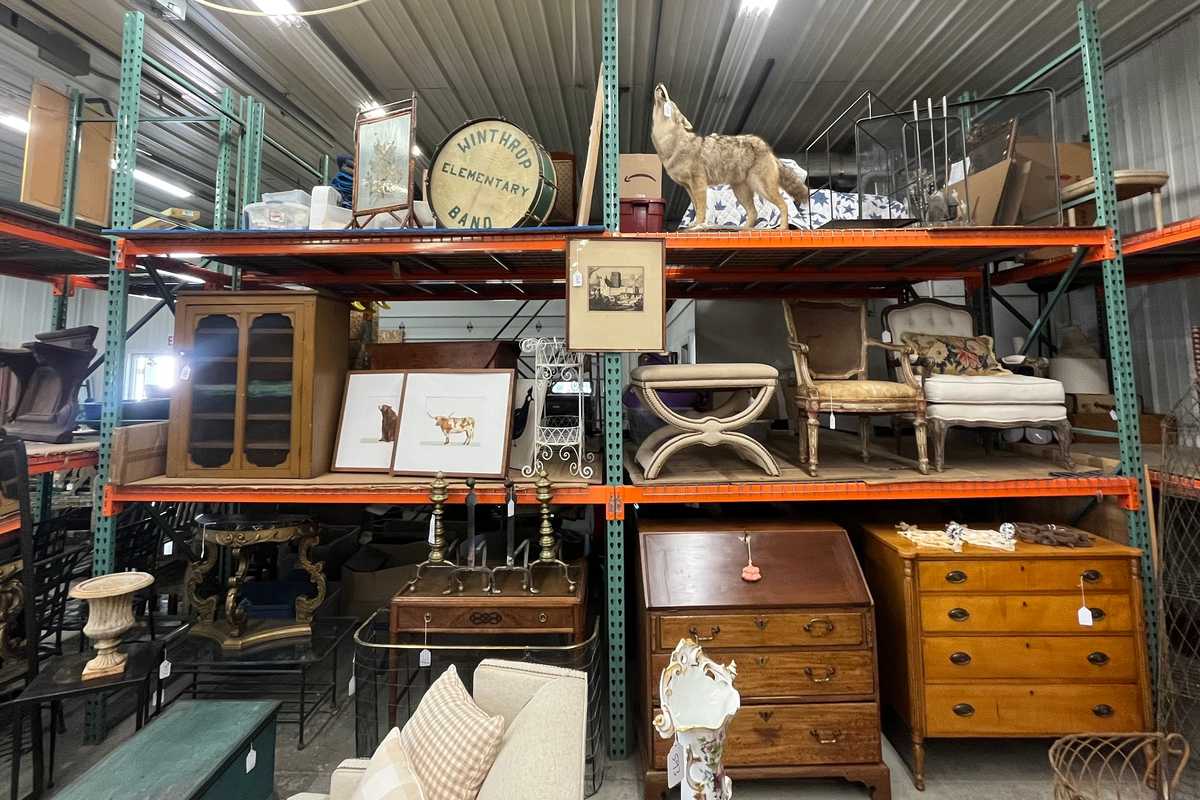
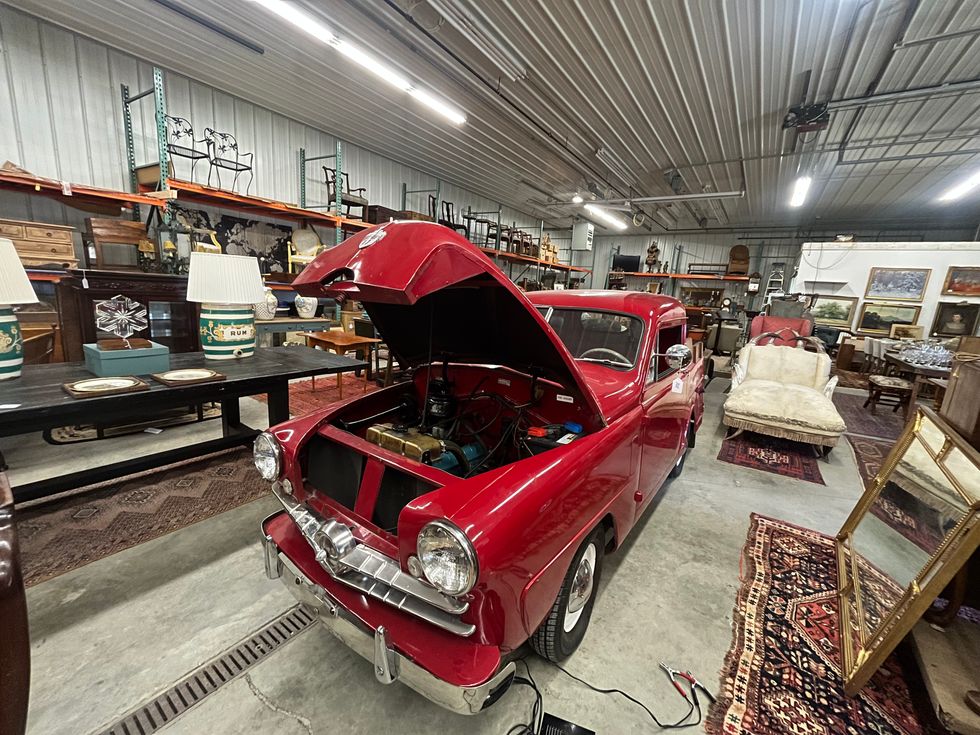 Hundreds of items at Stateline Auctions, including a candy-apple-red Crosley pickup truck.D.H. Callahan