WINSTED — The Winsted Diner, a town icon that originally opened in 1931, closed unexpectedly earlier this month.A sign on the front of the diner posted by owner Jean Bauer thanked customers for their loyal support.Bauer, who purchased the diner in August 2007, laid the blame for the closure on the economy.“It’s a real shame,” Bauer said. “There’s nothing I could do about it. I had no choice. I financially put everything I had into the diner, but I always ended up behind.”The diner, which was previously owned by Bob Radocchio for more than 33 years, was gutted by an electrical fire in December 2005.Bauer worked for more than a year to rebuild the diner, but she kept the original counter, stools and ceramic tile floors, which date back to 1931.“From the very beginning, I started off with too much debt,” Bauer said. “Opening up the diner costed much more than I was told it would be. I was originally told that I could open up in three to four months, but it ended up being three years because of the delays.”During the past three years, the diner drew crowds each morning and on weekends, with customers sometimes waiting in line for seats.Bauer said she appreciated her customers’ loyalty, but it was not enough to keep the business afloat.“Whenever I raised my food prices, the food costs would go up,” Bauer said. “When the economy got bad, the people who would usually be at the diner two times a week would only show up once a week. People just didn’t come in as often, although I could understand that, with the way the economy is. And when people would come in they would order smaller amounts of food.“We also had competition from other restaurants in town that offer breakfast,” Bauer added. “Even Dunkin’ Donuts and convenience stores sell breakfast foods now.”After she closed the diner, Bauer, a former waitress, started work at the recently opened Flippin’ Grill at 135 Main St.Bauer said the diner has gone up for sale via Sullivan Real Estate. The property was not listed on the company’s website at press time.John Noelke, a frequent customer at the diner, said its closing is a big loss to the community.“Everyone likes to have a place where people can gather,” Noelke said. “At the diner, people had conversations about how they can find a job, a contractor, or just shooting the breeze. It was a real vital component of the small town.” Bauer said she is saddened and that she misses all of her customers.“I know that it meant a lot to people, but I had no choice,” she said. “I just can’t say enough about the people who came in there to eat. I just can’t thank them enough.”
Latest News


Want more of our stories on Google? Click here to make us a Preferred Source.
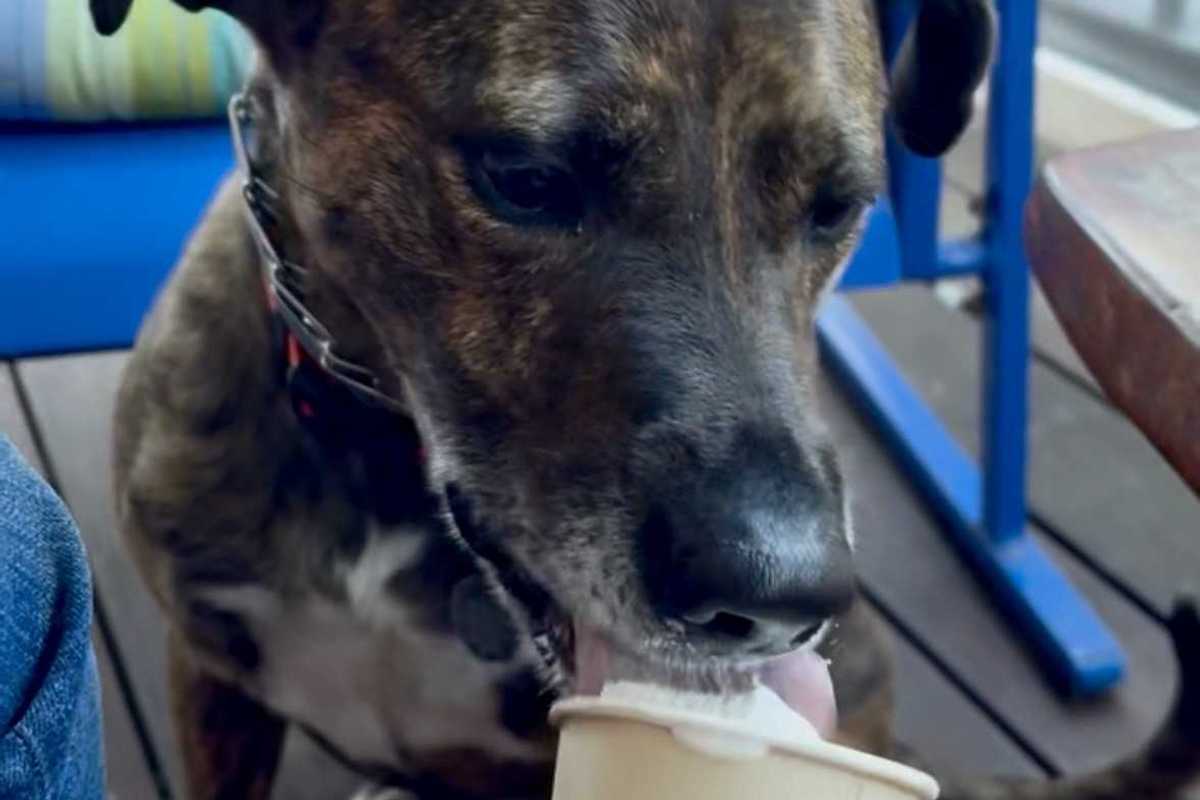
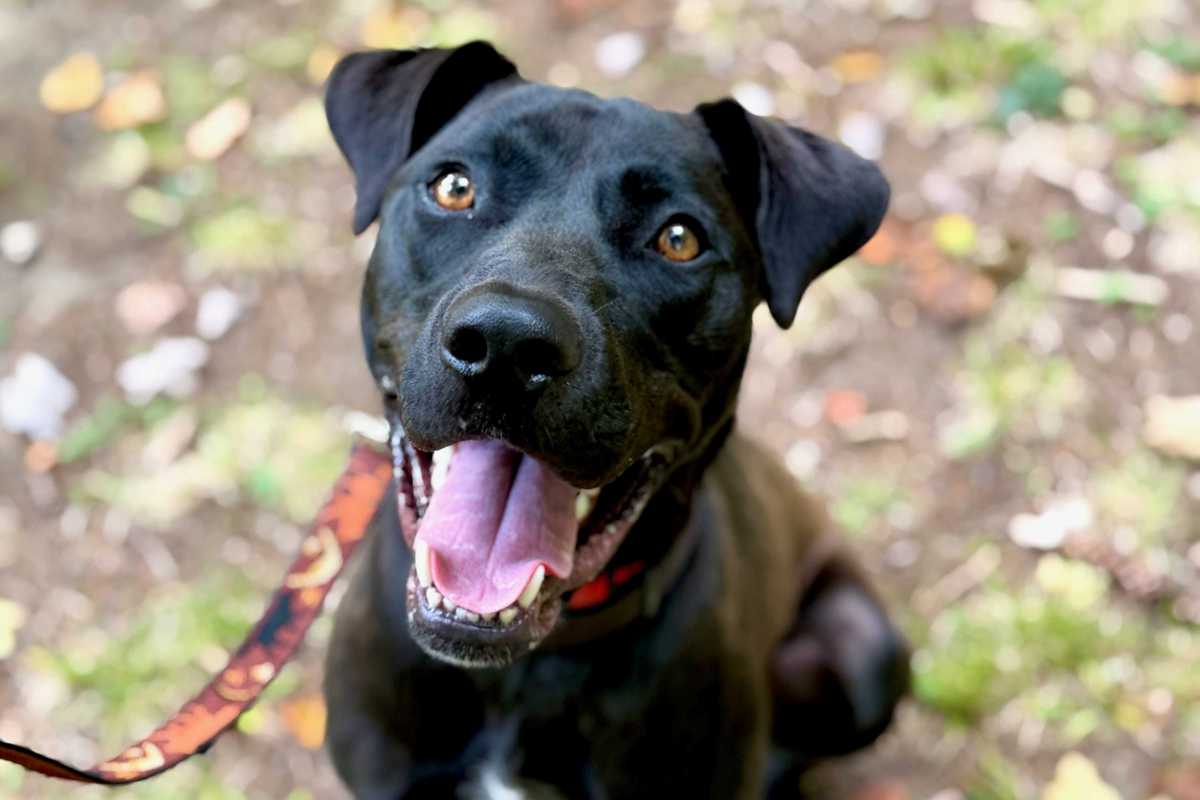
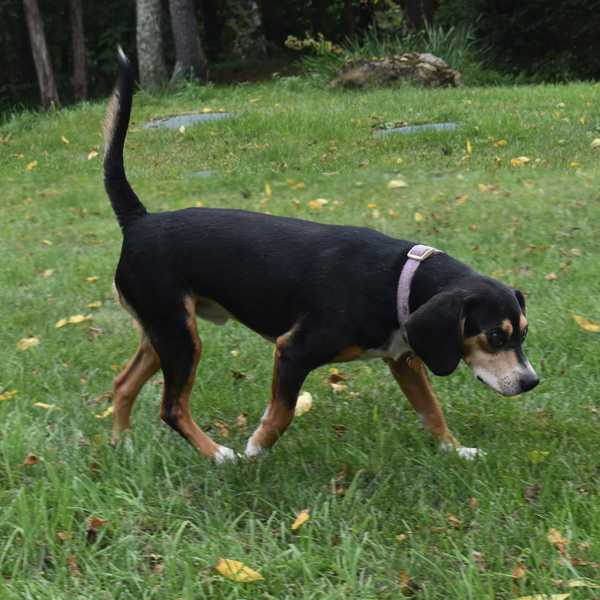
Marsala is eager to go home with you.
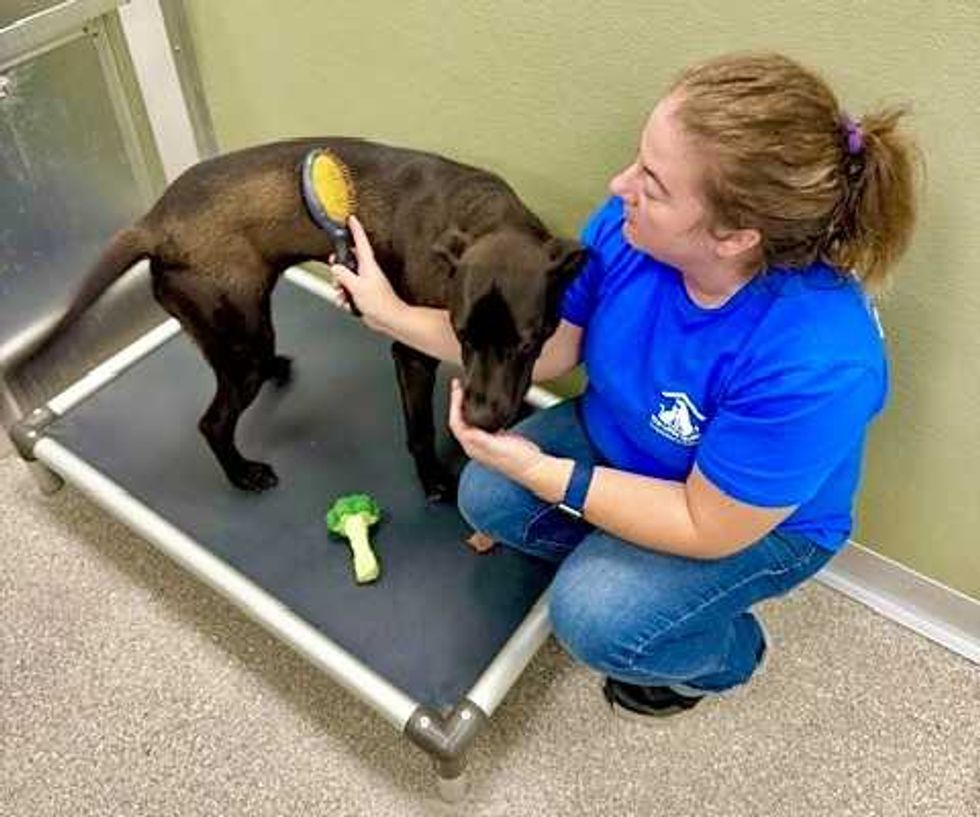 Tiffany Lemelin, shelter manager, brushing Marsala upon arrival.Provided
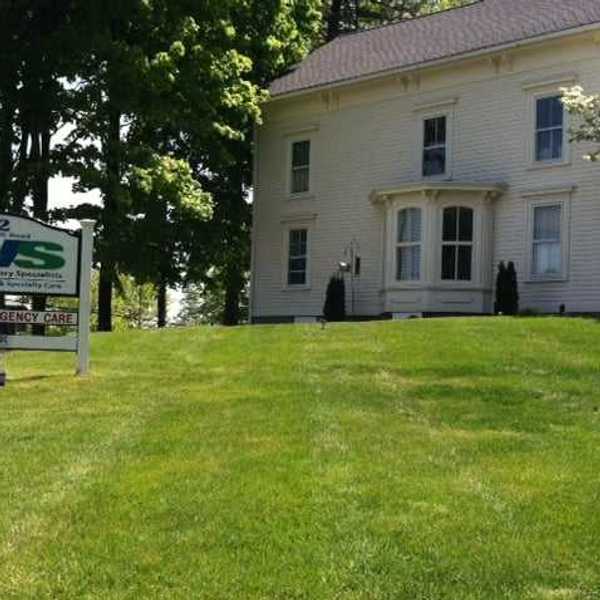
The Little Guild is an animal shelter at 285 Sharon-Goshen Turnpike in West Cornwall. Founded in 1957, the organization rescues animals from local surrenders and under-resourced shelters. When a rescue animal arrives at The Little Guild, staff begins a careful intake and transition process to ensure the animal is safe, healthy and ready for adoption.
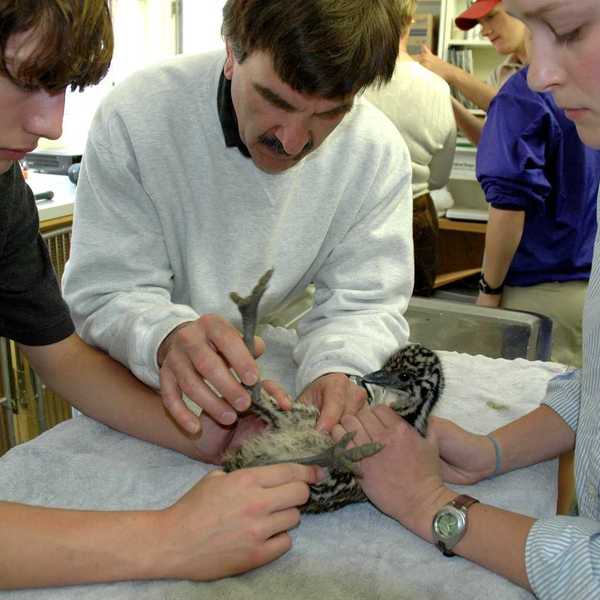
New arrivals are quarantined in-house. Vaccinations are verified as up to date, and staff assesses each animal’s medical, behavioral and placement needs. Rescues receive medical care, daily support and behavioral training to ease shelter stress. Once a dog has finished quarantine and is ready for a home, its profile is published at littleguild.org.
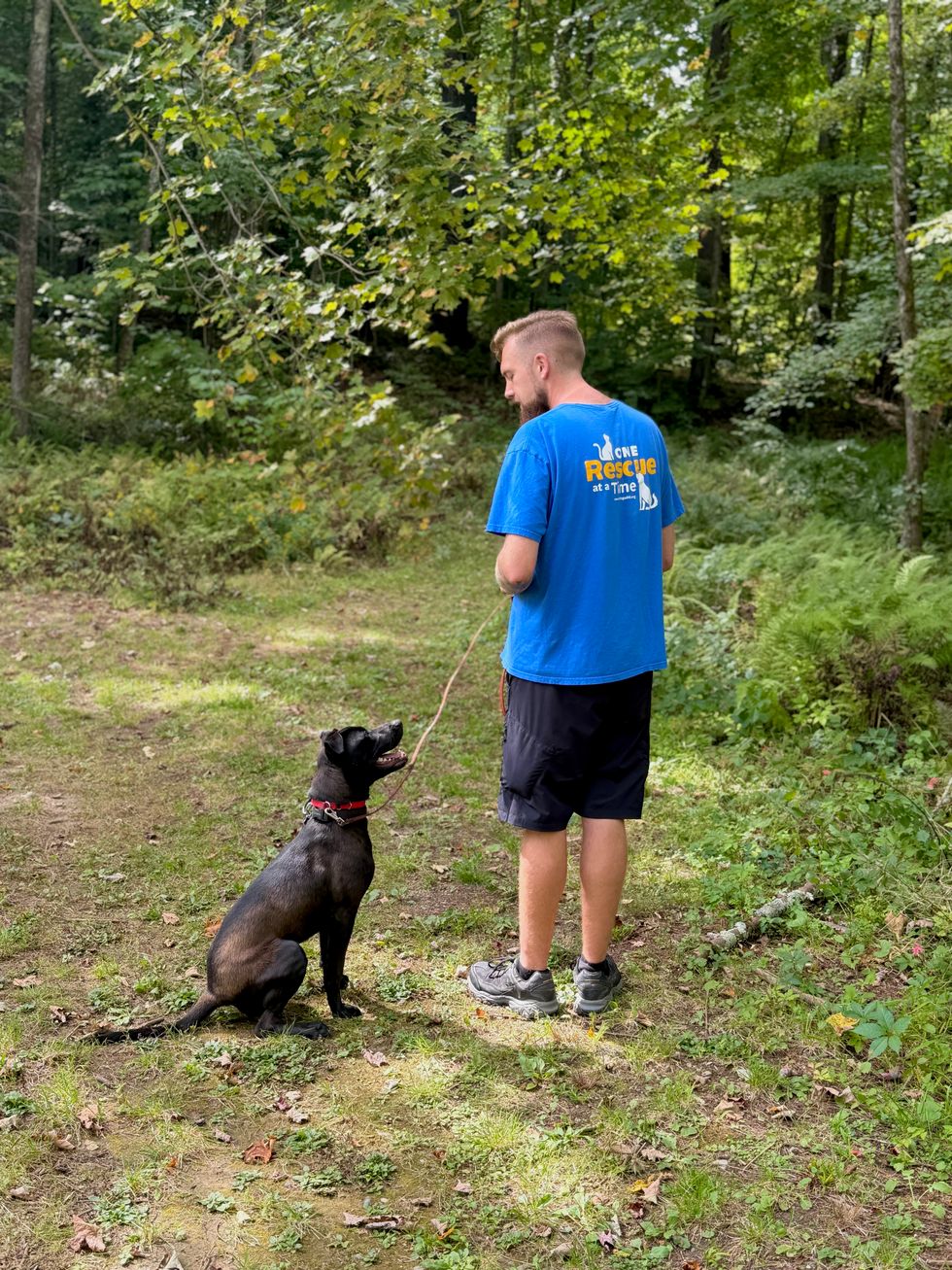 Michael DeBarba, certified dog trainer working with Marsala.Jennifer Almquist
Prospective adopters fill out an online application with information about their household and veterinary and personal references.
The next step is for the prospective adopter and family members to meet the dog. If there is already a dog in the household, a meet-and-greet is scheduled so the dogs can get acquainted.
The animal care staff offers guidance based on its knowledge of each animal’s personality, needs and quirks to help families find the best fit.
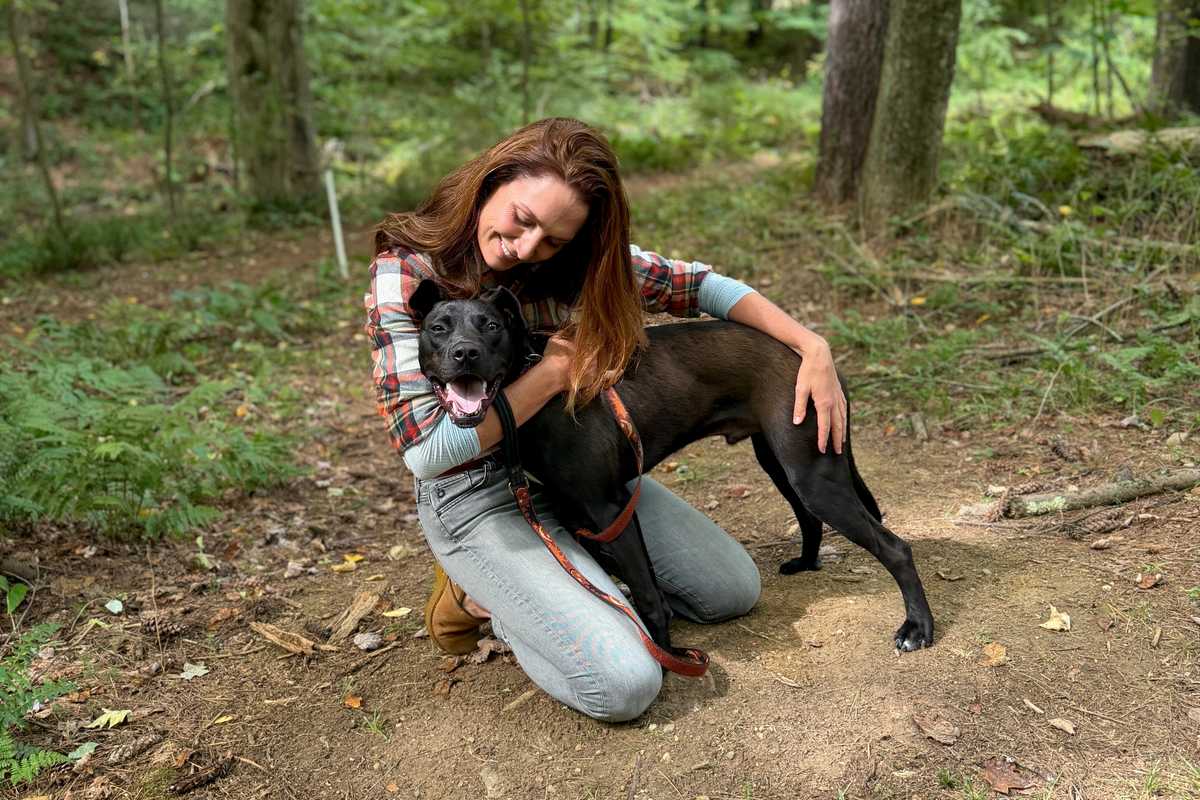 Marsala wins a heart.Jennifer Almquist
Once a match is made, the adoption contract outlines aftercare. Adopters agree to return the animal to The Little Guild if the adoption doesn’t work out. The organization’s commitment continues after adoption, with six months of free training and follow-up from staff to answer questions or address concerns.
“Please don’t pass Marsala by,” Lemelin said. “He loves people and other dogs. He’s a lap dog who lives for snuggles, cuddles and face kisses. Marsala deserves a family, a soft bed and a lifetime of being chosen.”
To find out about Marsala and other rescue dogs and cats, visit littleguild.org
Want more of our stories on Google? Click here to make us a Preferred Source.