CORNWALL — Gardeners and conservationists filled the meeting room at the Cornwall Library on Saturday, April 13, for an illustrated lecture by environmentalist and invasive plant specialist Tom Zetterstrom.
In a talk titled “Three Green Aliens,” Zetterstrom detailed how to recognize and control “aggressive alien” plants through management options including pulling, cutting and spot chemical applications.
The three monster non-native invasives posing the greatest risk in the Housatonic River region now are: Japanese knotweed, Japanese barberry and Asiatic bittersweet.
Karen Nelson, program administrator of the Northwest Conservation District, opened the event and in particular welcomed the many volunteers from area conservation organizations who were there.
When it comes to “the man-made threat of invasive species” in the area, Zetterstrom advised that, “Early detection and rapid response is best.
“Time is not on your side when it comes to invasives. The cost of treatment climbs if you delay.”
Knotweed outperforms any other plant, he warned. It is not attractive to any insect, so its leaves have no insect enemies, and it can spread if even a minuscule root fragment is carried to another location. This happens often in fill soil that is moved from one site to another.
A volunteer group paddled south along the Housatonic River from North Canaan last summer, mapping clumps of invasive weeds along the banks. A major infestation of knotweed was spotted behind an old garage on the west bank, spreading robustly toward the river. That site has now been cleared of the invasives and has been repopulated with native plants.
Zetterstrom estimated that 60% of the biomass of an invasive is underground.
One potential biocontrol that is being looked at is the sap-sucking psyllid, an insect specializing in sucking the life from the stems of knotweed.
In the meantime, and for most invasives, Zetterstrom recommends using the weedkiller called glyphosate. When broadcast through the air, glyphosate can be damaging. A better method of application is to use a tool such as the Buckthorn Blaster, invented by a landscaping firm in Minnesota. A sponge at the tip of a tube full of glyphosate is dabbed onto the cut and the exposed stem of the plant. The chemical is carried down to the roots to kill the weed without risk to neighboring plants. That method also prevents regrowth.
Bittersweet kills trees. Again, Zetterstrom said, early detection is important. Cutting it back without treating it simply promotes vigorous grow-back. Bittersweet will take a tree down, Zetterstrom warned, because its vine winds its way up the tree, using the tree as a support host. The tree will die and then eventually, the whole mass will fall from the weight of the invasive vine.
Early spring is a good time to cut and treat, Zetterstrom advised. Don’t treat in May or June, but July is good time for cutting, to prevent seeds from forming. Barberry can be pulled anytime.
Audience questions included proper disposal of the invasives once they’re removed. Black plastic bags are good for small quantities, he said. Larger amounts can be left to dry and then burned. Check town regulations about open burning and be sure to get a permit.
In a continuing effort toward public education about invasive species, Zetterstrom will present a talk specifically on knotweed identification and eradication at the Scoville Memorial Library in Salisbury on Saturday, April 27, at 10 a.m.
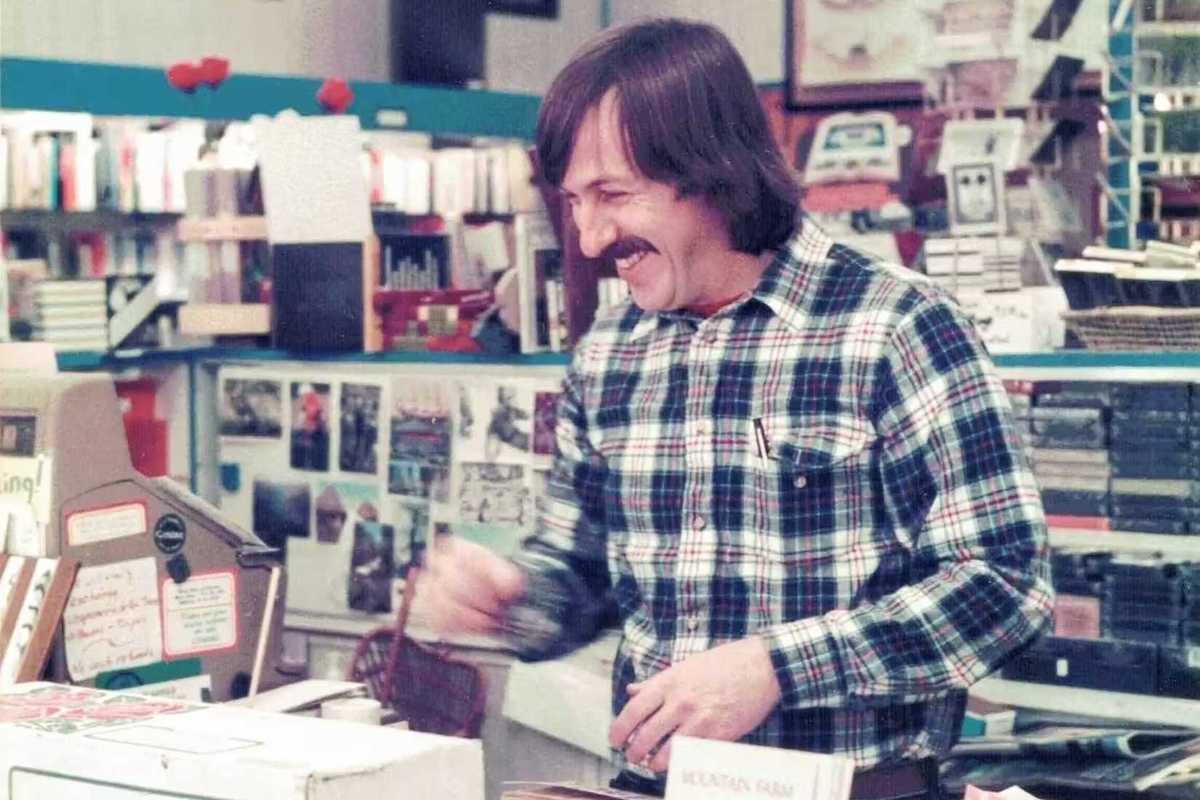
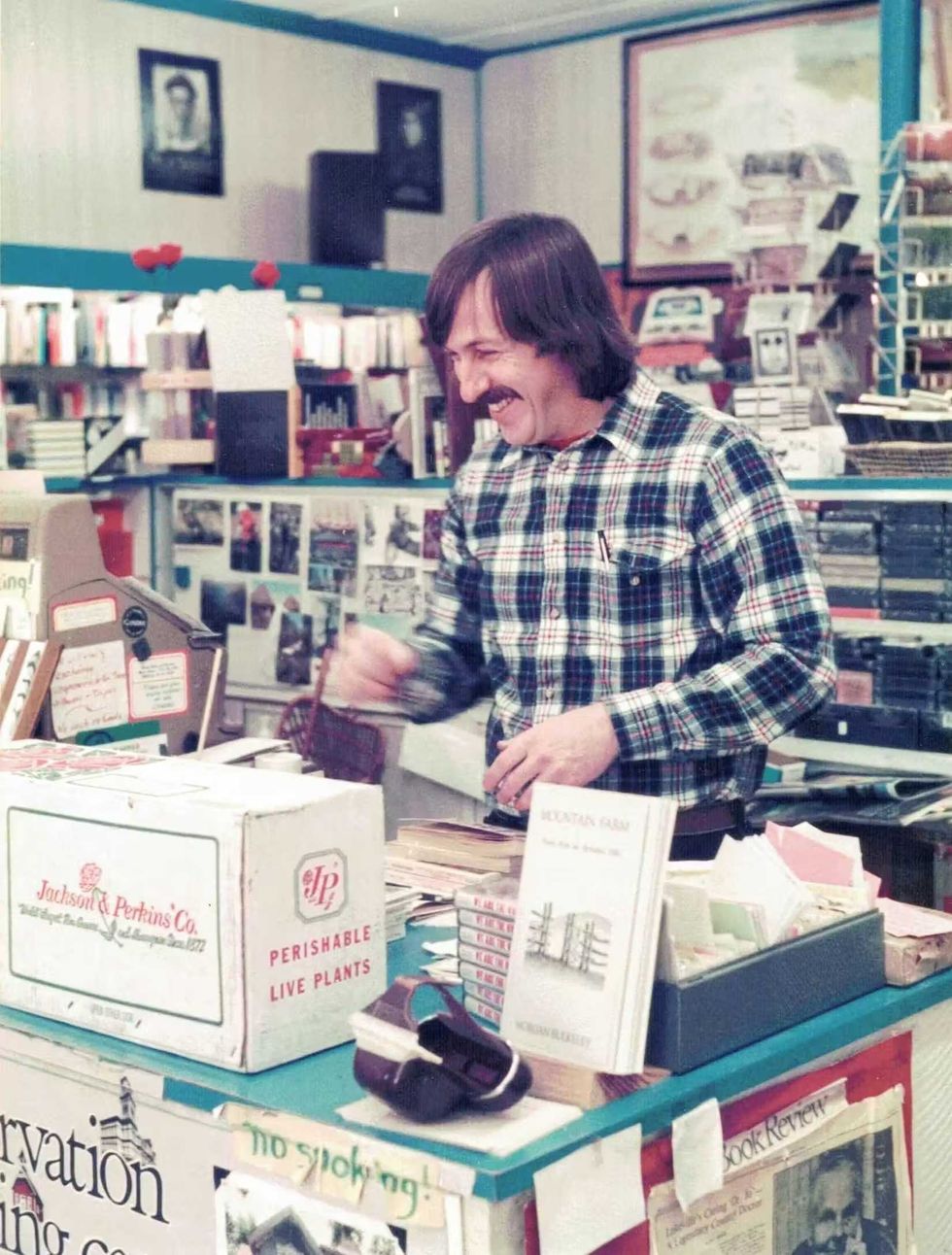 Dick Hermans in the Oblong Bookstore on Millerton’s Main Street in 1985.Provided


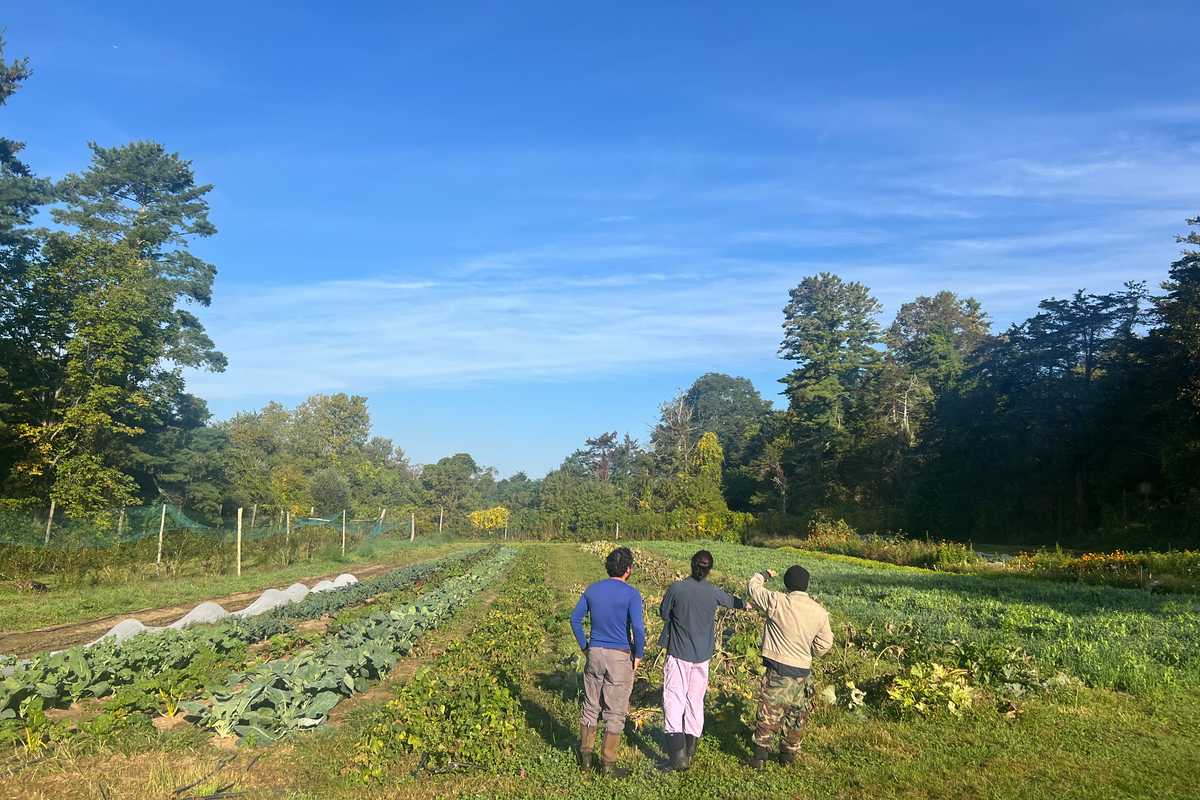
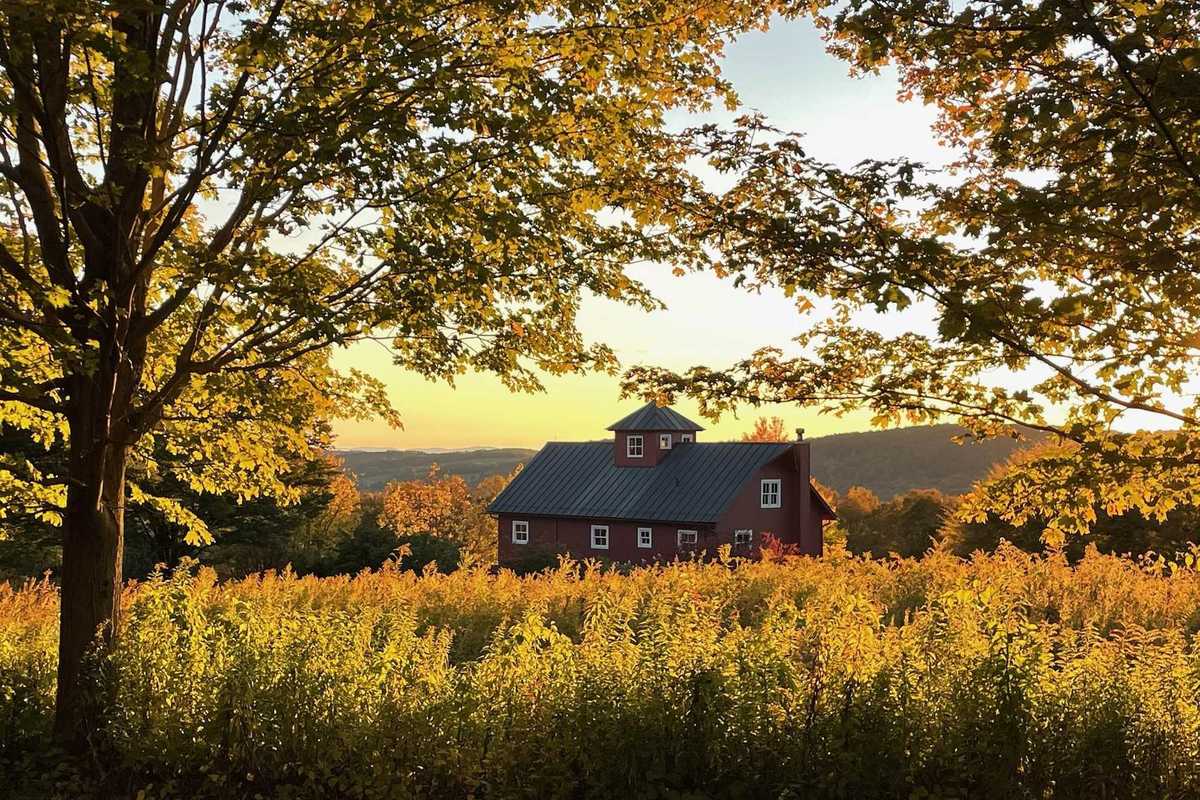
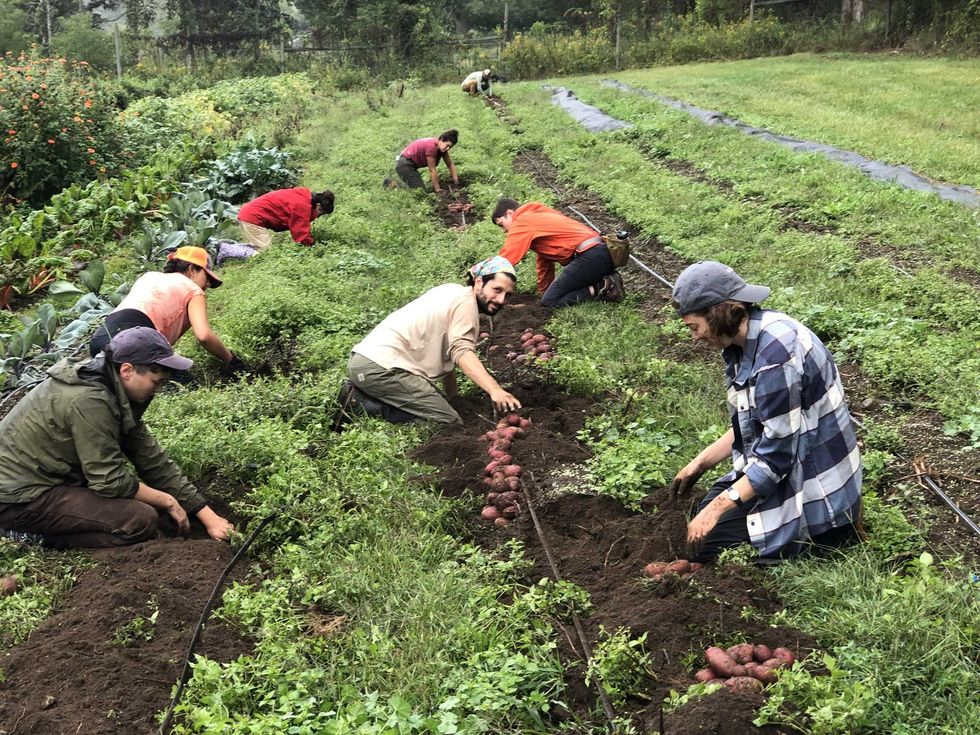 Fall storage crop harvests amid soil building cover crops at Adamah Farm in Falls Village. Janna Siller