It was both surprising and disappointing that there was no comment at their monthly public meeting from members of the Region One Board of Education on the reaccreditation report of the New England Association of Schools and Colleges (NEASC), which was released over the summer, evaluating the high school. This newspaper both reported on and commented on the report last week, considering both the positive and negative aspects of the association’s view of the school. There has been some discussion on our local airwaves about it as well.
And now that the report has been posted on Housatonic Valley Regional High School’s Web site, those interested parties in the community of Region One have had the opportunity to read the report and have some private discussion about it. But after Principal Gretchen Foster spoke about the report and described its findings to the board and those present at the meeting, a short speech which took about five minutes, there was no public comment from board members.
So why should this be a matter of concern? Surely the board members had read over the report, having had access to it for some period of time before the meeting. Dr. Foster gave her synopsis of the report, and her reaction to it, but since there was no discussion with the board, there is no indication of the board’s support for or disagreement with the association’s recommendations for the school.
Before any changes in the school’s policies and structure are considered as a result of this report, there should be clear and open reaction from the school’s governing body. Changes can be difficult enough to make in an institution that has functioned for years with certain procedures in place. As the administration of the high school considers making such changes, the open support of the Region One board would be, at the least, helpful, as would any advice board members could offer. Since that board meeting was the opportunity they had to voice their thoughts and ask questions in public on the report, it was an opportunity missed.
Many community members care what happens at the high school, and they’re not restricted to the current students and their parents. Within the Region One towns, there are many Housy alumni/ae as well as parents of alumni/ae who care greatly about the state of the school. It should also be noted that anyone who pays taxes in the towns gives a large portion of those taxes over to the boards of education, both those of the elementary schools and the Region One board, to spend as they see fit. And there are the future secondary school students and their parents, who are now planning for their high school educations and deciding whether to stay in the Region One school district, or to make the move to private school or a different public school.
All will be curious to see if changes begin to surface as a result of the report, and the best place to track those changes for the public at large is the Region One monthly board meetings. If discussions of such substance don’t take place at these meetings, why bother having them open and public?
The argument can be made that ownership of the school is not strongest among the administrators or the board that governs it, but rather among the students and teachers who are there every day, and whose lives, present and future, are most affected by its strengths and weaknesses.
Yet all in the community should be interested and engaged when a 10-year report is released commenting on the state of the high school, which molds its future citizens and voters, many of whom will define the way in which Region One towns evolve. The school needs to be judged according to its effectiveness in meeting the needs of students in sending them out to college or the working world, and reports like that of NEASC are useful tools in evaluating the school’s effectiveness.
Implementation of recommendations by the association should be overseen publicly by all those interested in the strength of Housatonic going forward, and all those in the Region One community should have the chance to witness any changes as they happen, or to understand why some changes are not happening.
We invite all, but especially the past and present students and faculty, of the high school, to voice their opinions on our letters page concerning the programs offered there, as well as the atmosphere of the school, and the opportunities they had and have to grow and expand their knowledge and world views during their years at Housy. This could be a good starting point for the administrators and board to use as a basis for open discussion on the report and on the state of their school, past, present and future.
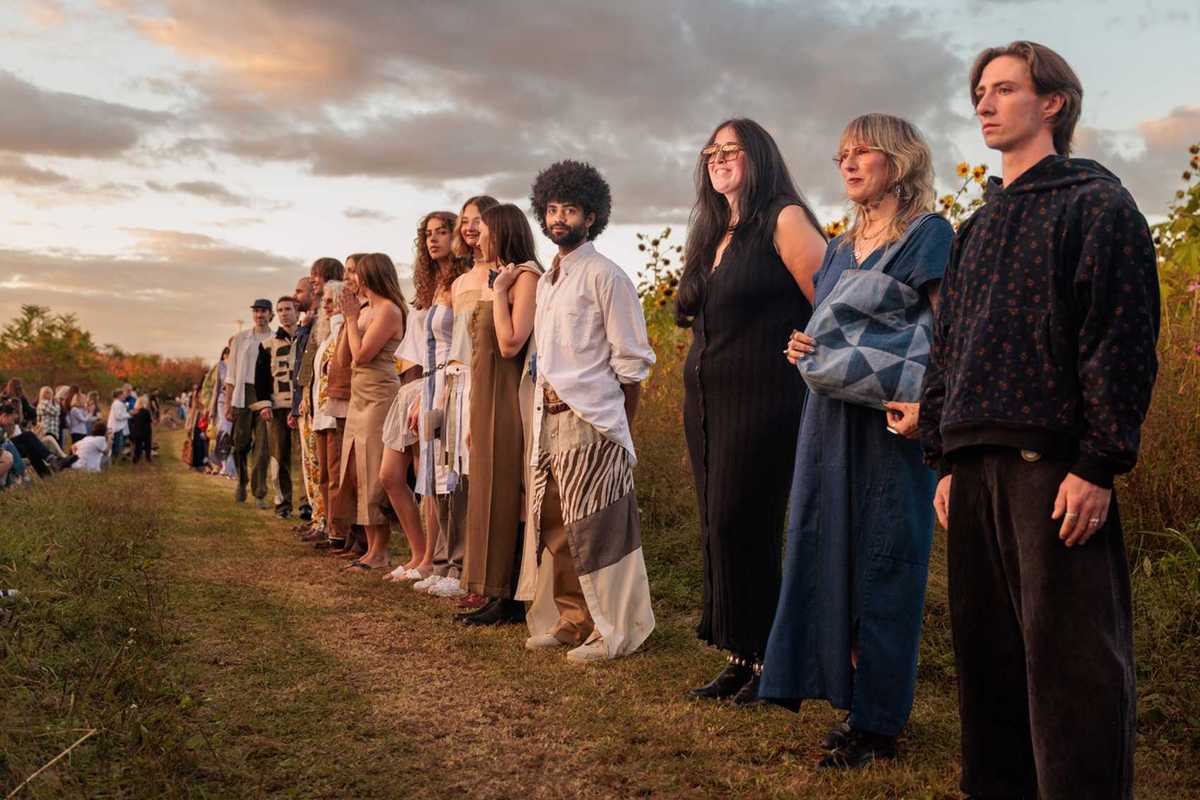
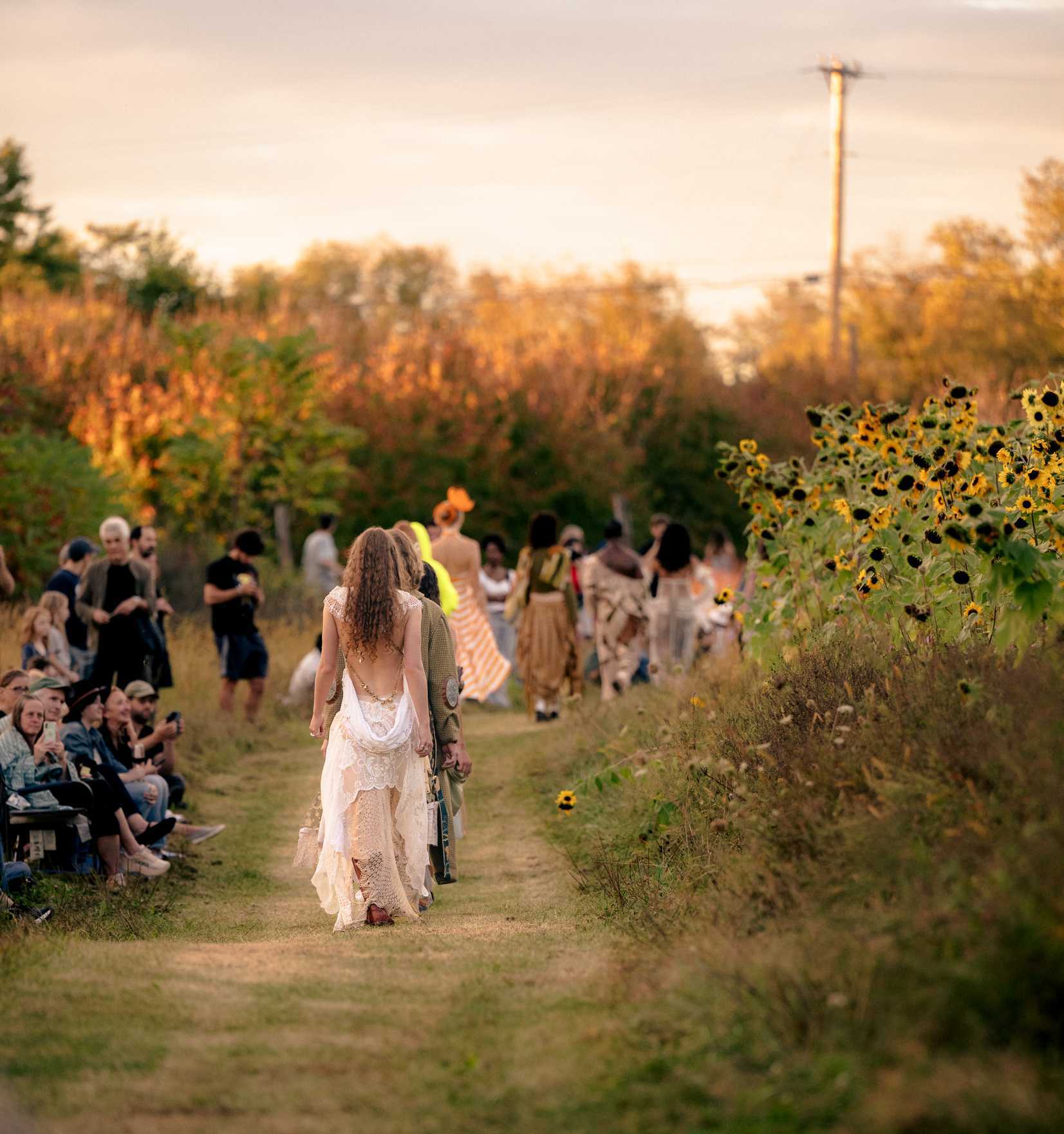 Models walk the organic runway at HVSFW. Ilan Harel
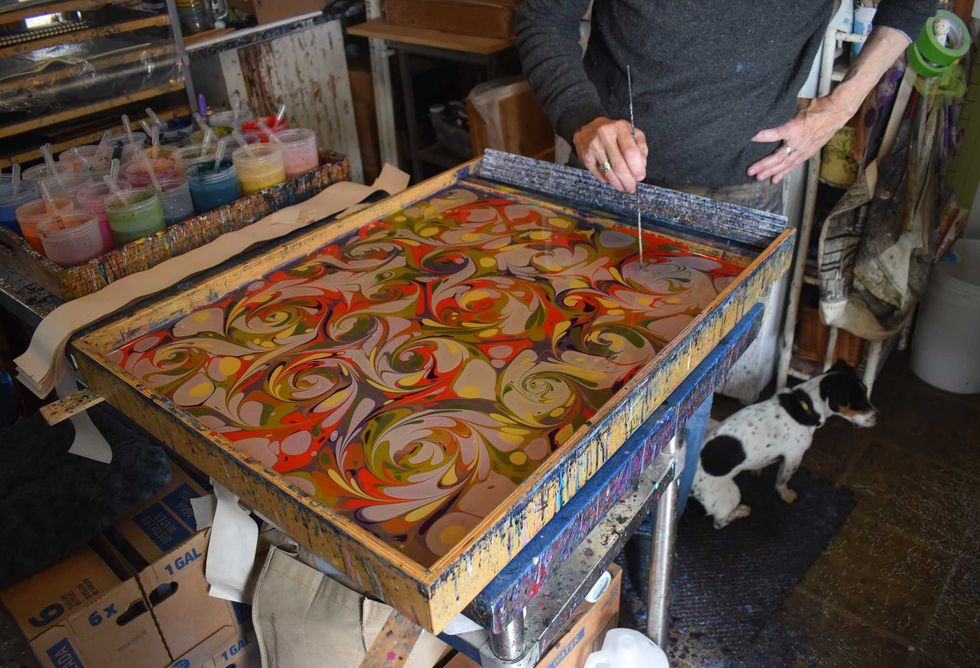 Susan Schneider, owner of Shandell’s, creates a variety of products with marbleized surfaces in her Ashley Falls studio.L. Tomaino

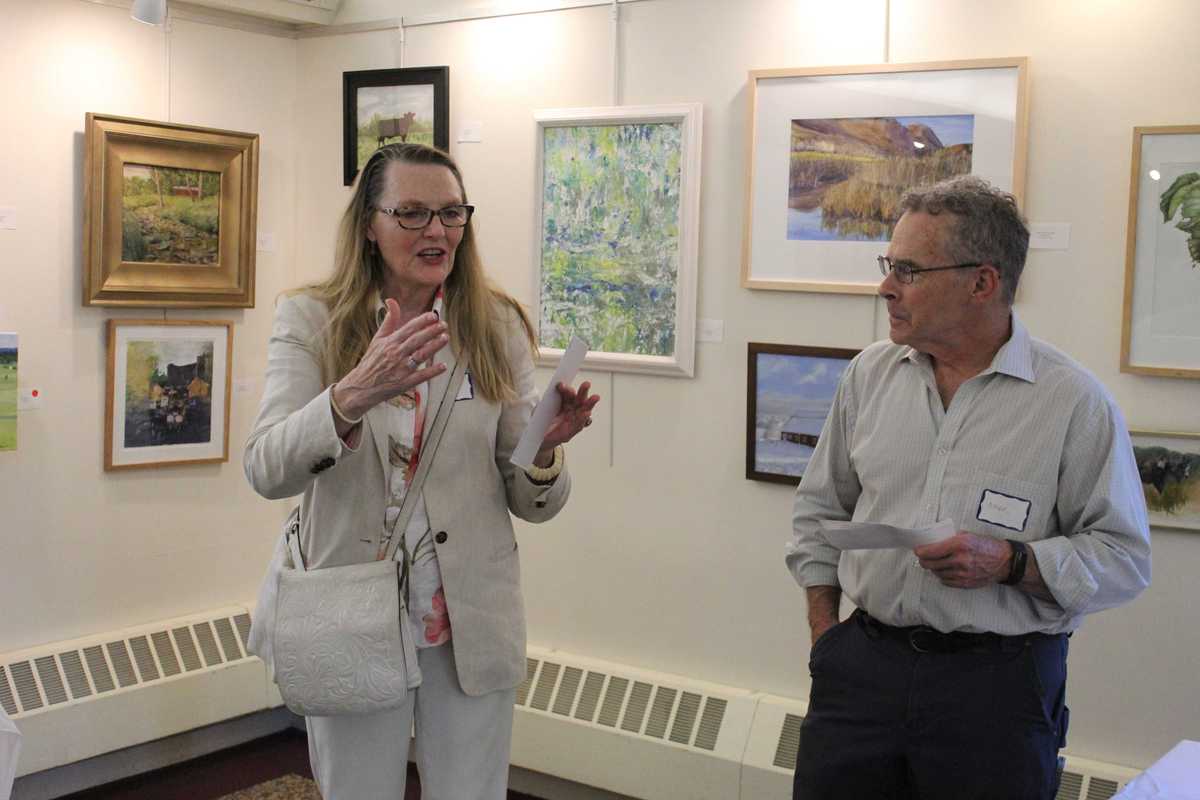
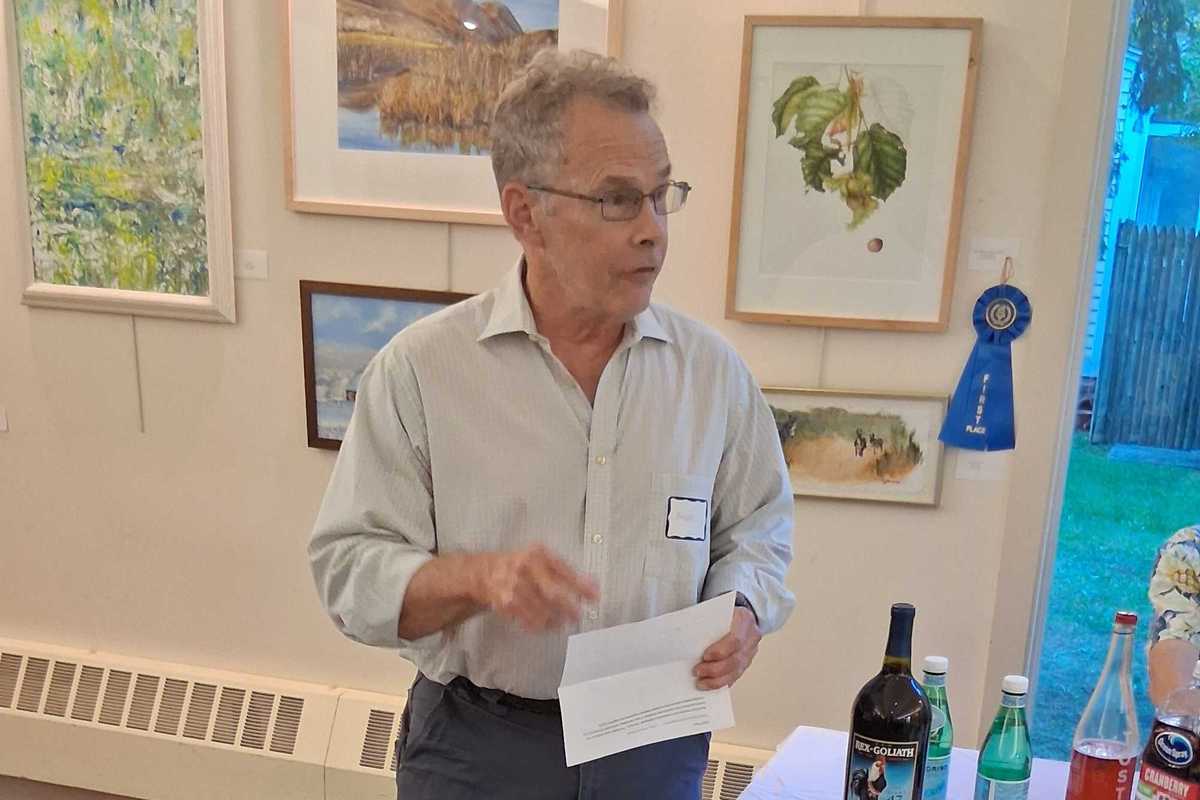 Roger McKee naming the winners with the first place entry over his left shoulder. Patrick L. Sullivan
 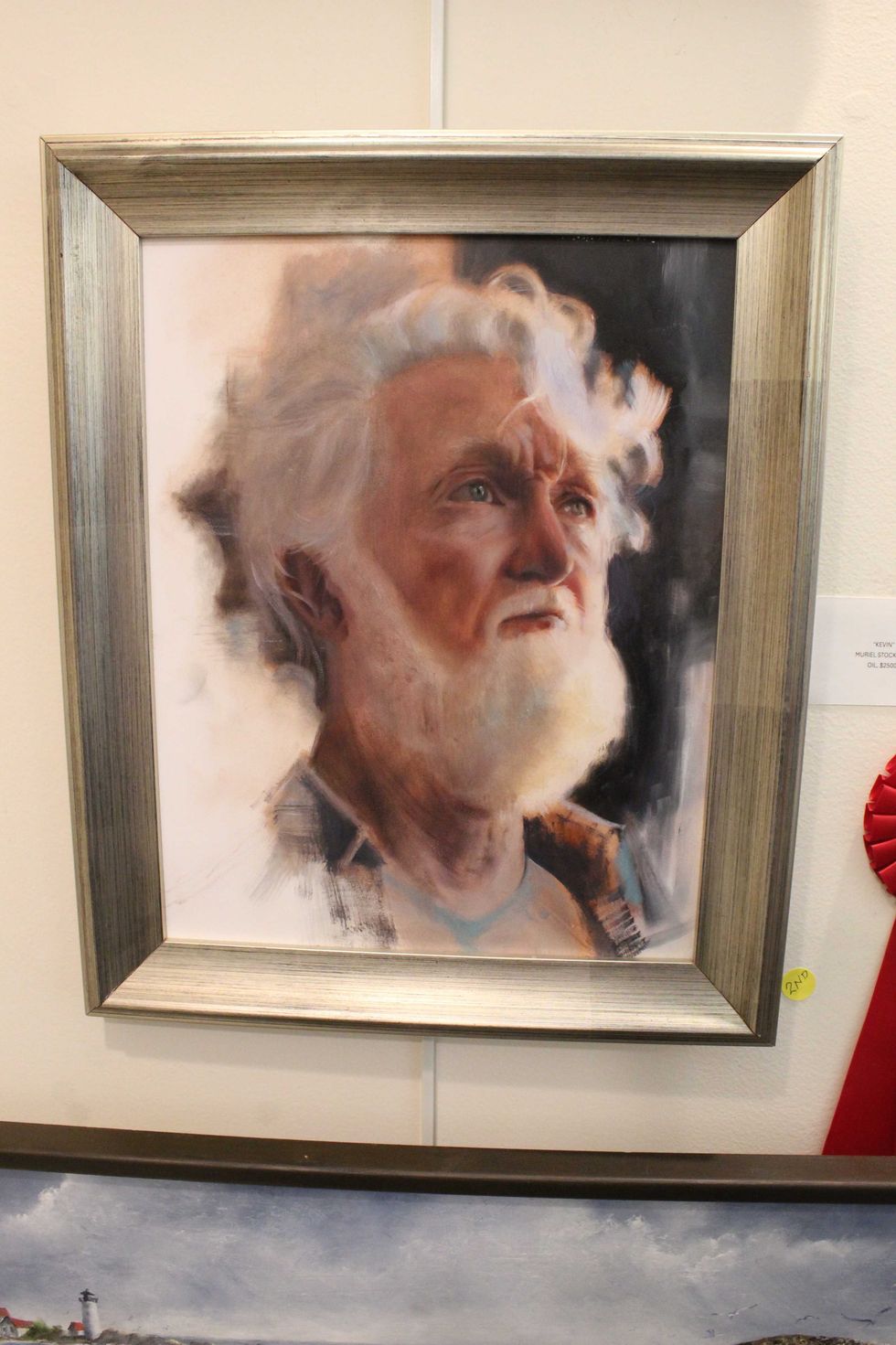 Muriel Stockdale’s “Kevin” took second place in the juried art show at Trinity Episcopal Church.Patrick L. Sullivan