Soon after they master Momma and Dadda, it seems toddlers learn to say, “It’s not fair,” especially around bed time. All kids feel they are struggling against an unfair universe that expects them to go to school; take baths; and play by the rules set by teachers, parents and the kid next door. It’s just not fair.
In baseball, if it’s not fair, it’s foul, and we know that because there are the men in blue who have the power to tell us so. Like every rule system, baseball’s structure is filled with details, oddities and subtleties seemingly designed to trip up the unwary into making mistakes that can steal a contest right from underneath them.
The difference between life and a game is that a game’s rules are written down somewhere, and the umpires are there to see that they are observed.
And the umpires are not just baseball police. An umpire is there to make certain that play is indeed fair. That they don’t always succeed in that quest makes the game not only fair, at least mostly, but also human.
People make mistakes, and it used to be more accepted that umpires would make the occasional blunder as well. Nowadays, at the major league level, umpires themselves have umpires in the form of instant replay, a curse that halts play so that the boys in blue can see in five angles of slow motion if a tag was applied or a runner touched a base.
Baseball is all about failure. It is the only sport I know of where a player is considered a star by successfully fulfilling his function one third of the time. A batting average of .333 is one to be proud of, but that also means that the player’s failure rate is .667.
Someone calculated that umpires get the call right about 98 percent of the time. Does it seem right to you that a major league umpire is second guessed for performing so much better than the players?
That’s just one more reason why real baseball is played on summer evenings in places like Eddie Collins Memorial Park. There youngsters learn to put up with failure but also learn that life can be fair — at least most of the time — if you can figure out the rules and play the game the right way.
Millerton resident Theodore Kneeland is a retired teacher and coach.
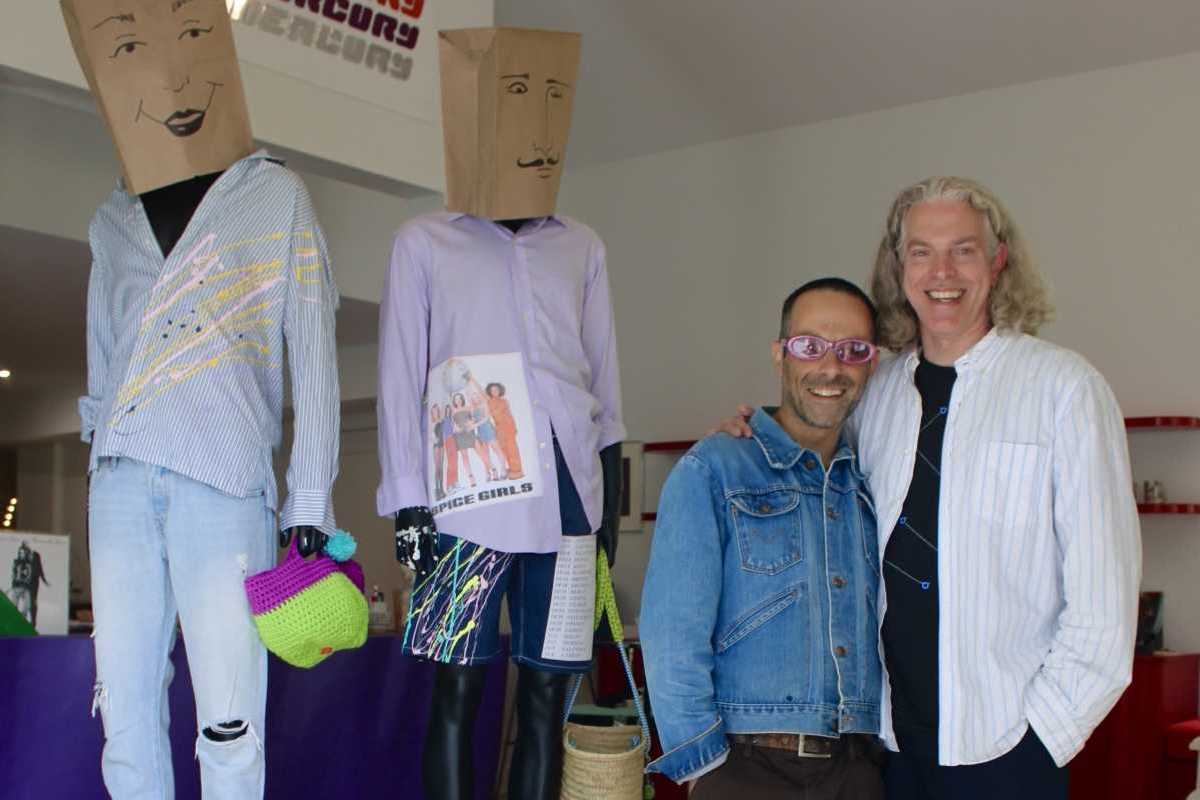
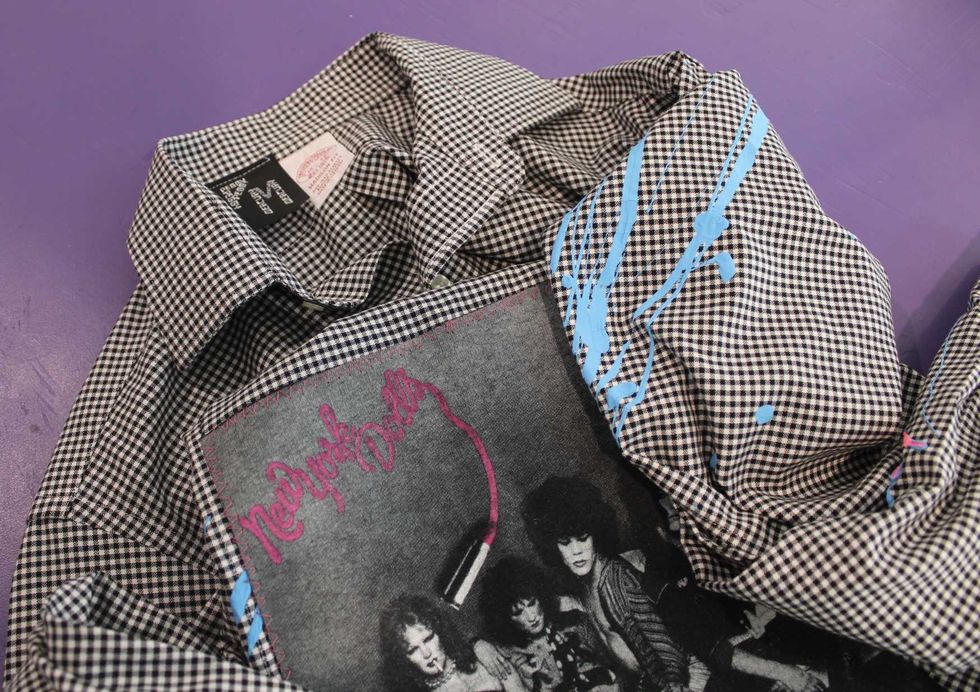 Classic styles, bold colors, and creative concerts make up the “Imaginary Concerts” line at Peggy Mercury.Provided
 Shirts from Peggy Mercury’s first fashion line, “Imaginary Concerts,” hang on display.Provided