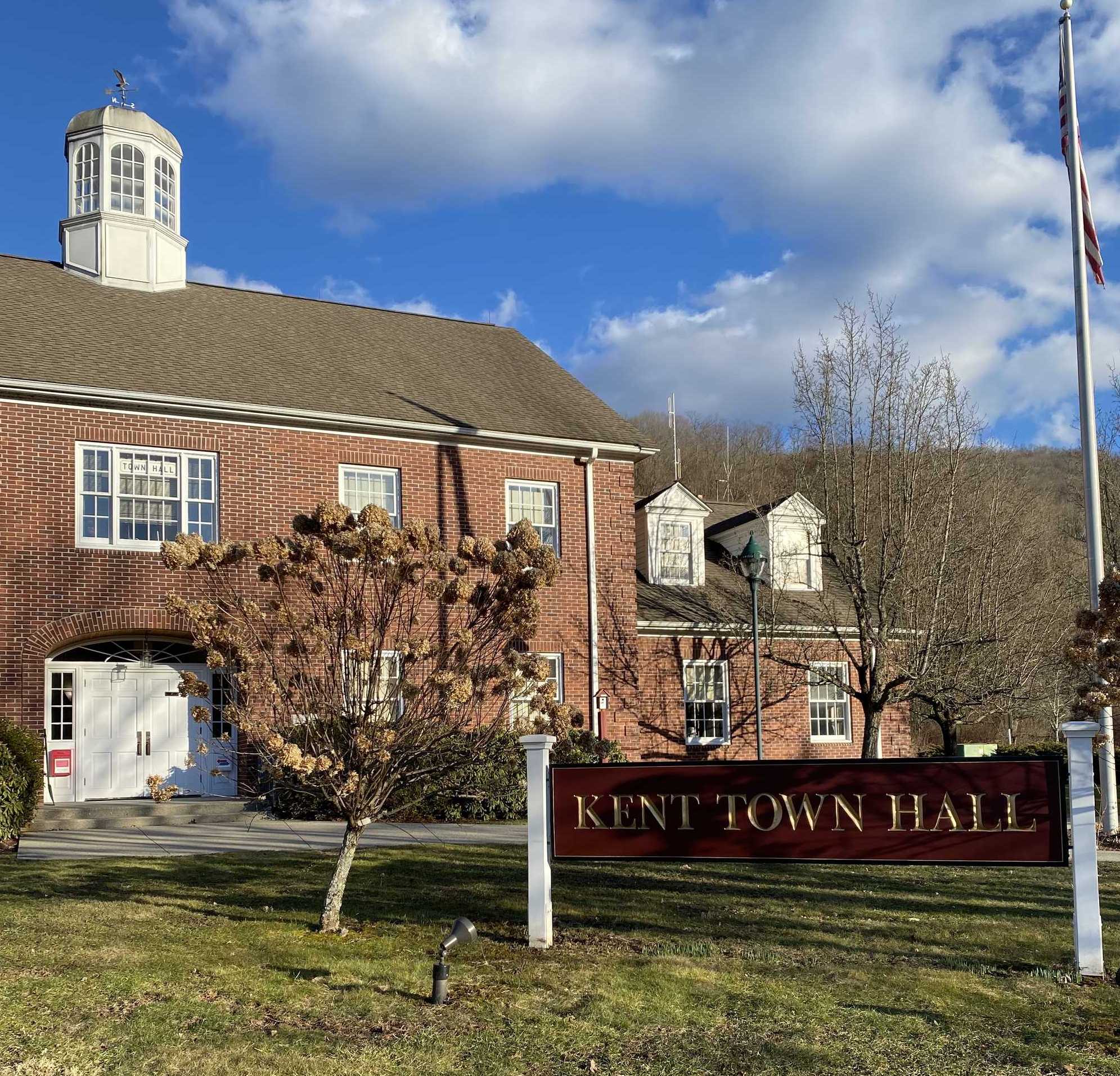
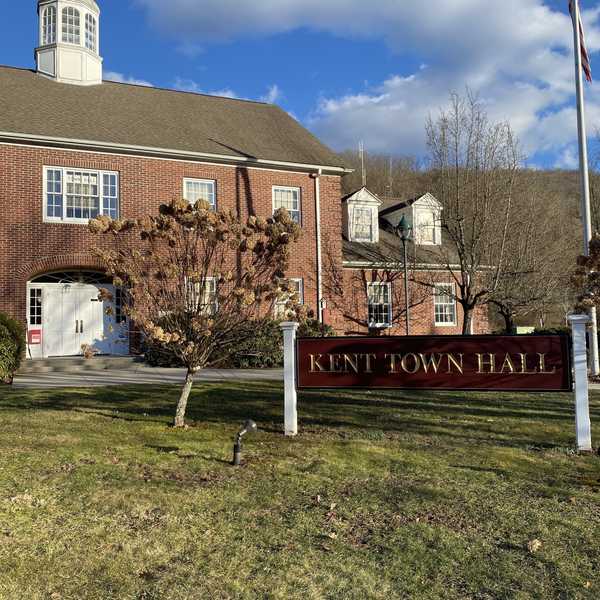
KENT — The Kent Planning and Zoning Commission resolved two long-pending applications at its regular meeting Thursday, March 12 — approving a scaled-back request from High Watch Recovery Center to amend its special permit and granting approval for a housing conversion on Lane Street.
After months of deliberations and heated public hearings, the commission approved just two changes to High Watch Recovery Center’s 2019 special permit, far fewer than the seven modifications the treatment facility initially requested.
P&Z Chair Karen Casey said Thursday evening that High Watch emailed the town in late February withdrawing two proposed changes — the controversial installation of a new lecture hall and a condition that would have allowed the facility to accept patients after hours.
Other previously withdrawn elements of the original application included an expansion of two beds in the detox center, a proposal to allow the facility to admit patients who are in custody or court-mandated to treatment, and a request to remove a condition limiting use of the facility’s PA system.
Two changes were ultimately approved unanimously by the commission.
First, the commission added a note acknowledging that while the facility is expected to notify authorities if a patient leaves unexpectedly, federal privacy laws may prevent it from doing so in some cases.
Second, the commission removed a requirement that the center sign a contract with a private emergency response company for situations that do not require a 911 call.
The Kent Volunteer Fire Department has said it does not expect the facility to place an undue burden on its ambulance service. The commission also reserved the right to reimpose the private emergency response requirement in the future if needed.
“Those are the two things,” Casey said after outlining what remained of the application. “Very simple, very straightforward — no big deal, in my opinion.”
High Watch, a substance use disorder treatment facility on Carter Road, approached the commission last fall seeking to modify several conditions attached to its special permit. CEO Andrew Roberts argued the requirements were unnecessary, cumbersome or in some cases conflicted with the law.
The proposal drew pushback from neighbors. A small group of residents spoke out at public hearings, on the town’s Facebook page and in circulated fliers, arguing the changes would represent an expansion of an already disruptive institution.
Throughout the hearing process, Roberts said he believed the organization had been misrepresented by members of the public. In a February letter, he claimed that High Watch had been treated unfairly by the commission.
Lane Street housing conversion approved
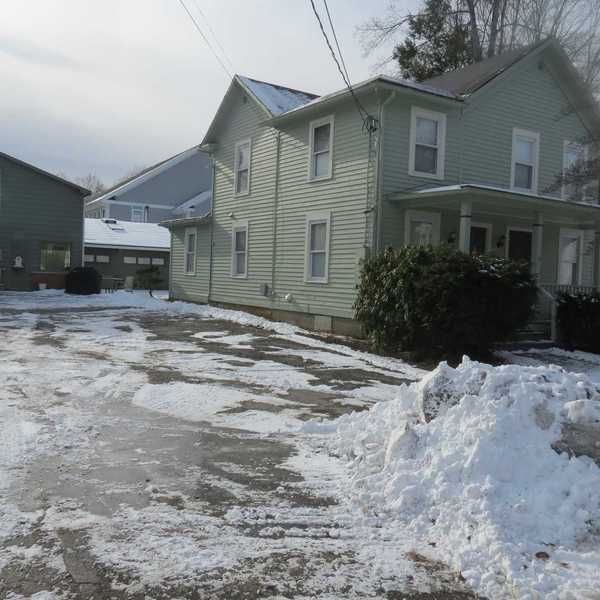
A decades-old zoning issue that had prevented John and Diane Degnan from converting an old industrial building on their property into their primary residence was also resolved at the March 12 Planning and Zoning Commission meeting.
An application initially presented to the commission late last year was simplified through the joint efforts of Jay Klein, attorney for the Degnans, and Michael Ziska, the commission’s attorney. The two identified a zoning regulation that allows one nonconforming use of a property to be changed to another nonconforming use, as long as the change is not detrimental to the neighborhood.
“The regulation is tailor made for this situation,” Klein said Thursday evening. “We think this is a move in the right direction — it’s something that is endorsed by the community.”
During several rounds of public hearings on the proposal, neighbors voiced strong support for the Degnans’ plan, saying they preferred to see the building used as a residence rather than return to commercial use.
Over the years, the structure has housed an auto body shop, an aquarium store and a sign production facility, among other businesses.
The commission voted unanimously to approve the Degnans’ proposal.





 Bronwen Childs, at 13, with Monty.Provided

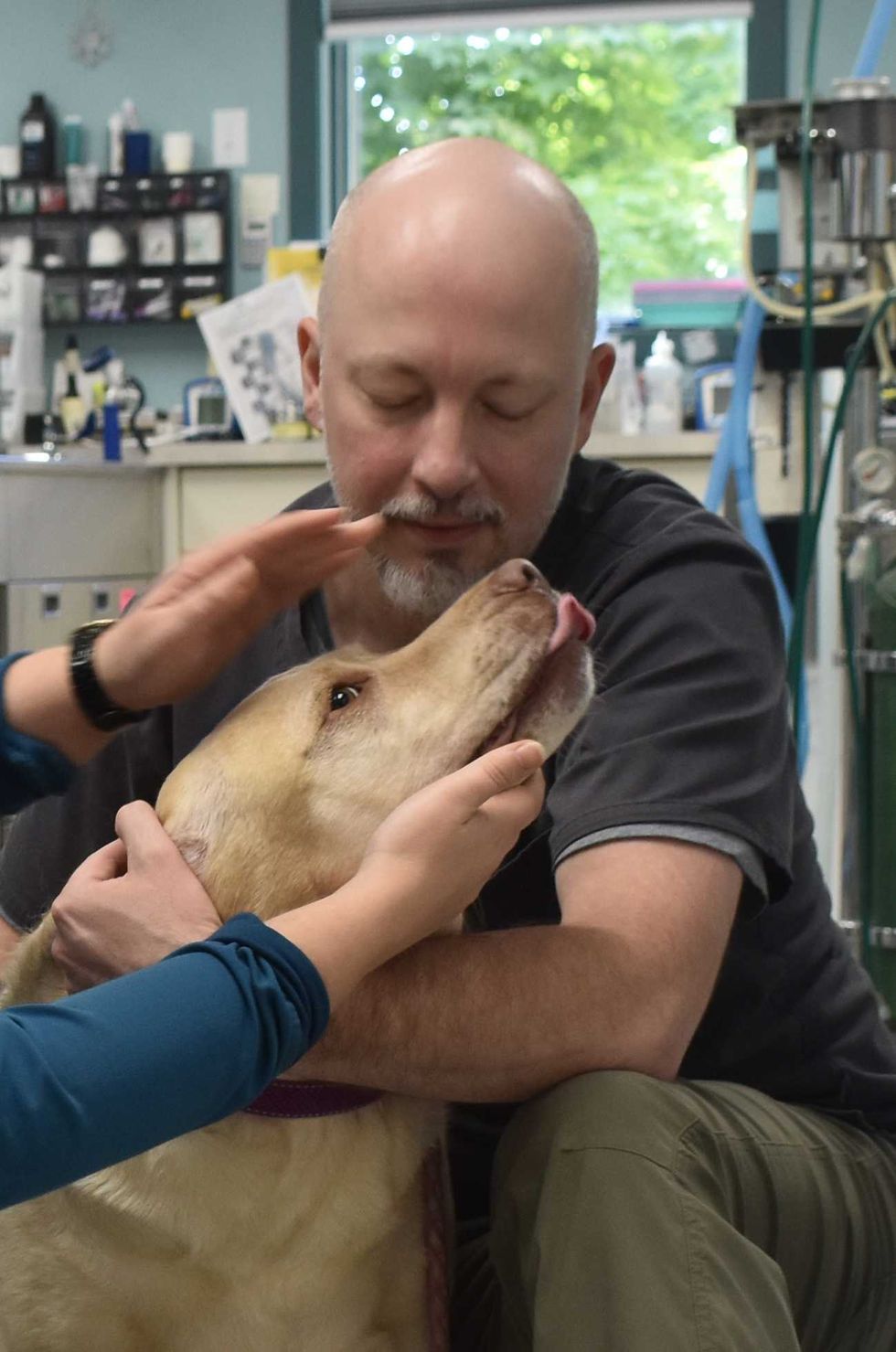 Veterinary assistant Ehren Melius examines Chloe, a Labrador retriever, at Copake Veterinary Hospital. Melius worked in animal welfare for nearly two decades before joining the practice.L. Tomaino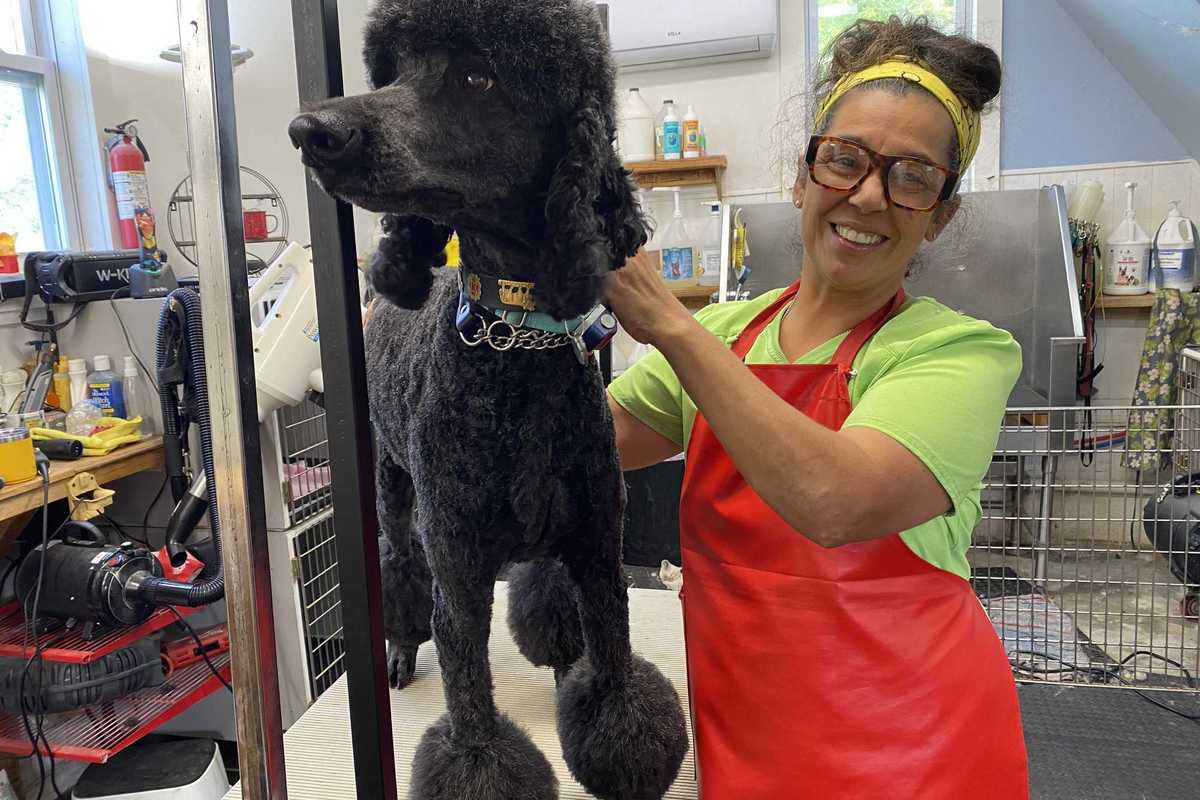
 Baby is ready to go home after enjoying a visit to Rosie’s Grooming.Provided