KENT — A proposal to revise several conditions on High Watch Recovery Center’s special permit drew sharp objections from a small group of residents at the Planning and Zoning Commission’s Nov. 13 meeting, with opponents arguing the changes would jeopardize public safety.
High Watch, a substance use disorder treatment facility on Carter Road, is seeking to modify or eliminate seven of the 34 conditions placed on its 2019 permit. CEO Andrew Roberts said some provisions are outdated, unnecessary or conflict with federal law.
At the center of residents’ concerns were two proposed changes. One would amend a condition requiring High Watch to notify police and the first selectman whenever a patient leaves the facility without authorization. Roberts said the rule violates federal confidentiality law and puts both the center and P&Z at legal risk. Under the proposed change, law enforcement would be contacted only if an absent patient poses a risk to themselves or others.
The second contentious proposal would remove a condition barring High Watch from accepting patients under legal custody or those mandated by a court to attend treatment.
Roberts said the change reflects common practice for individuals facing addiction-related charges, such as DUIs.
“We only admit people that are appropriate for this level of care,” Roberts said. “There are not people being dropped off in handcuffs, and we wouldn’t accept people who are violent criminals… that would be a risk to our community, our staff, or otherwise.”
During public comment, five residents spoke out against the proposed changes.
Karen Altfest, who lives two doors from High Watch, described seeing people wandering in the woods behind her home. “I don’t know who they are but they sure as hell scare me,” she said.
Lew and Ellen Altfest shared similar fears. “They’re eroding the safety of our town,” Ellen said. Lew added that he believes High Watch has not been sufficiently transparent with residents in the past, saying, “Who wants to fill up Kent with criminals?”
Roberts pushed back on those assertions. “There appears to be some sort of misinformation in the community,” he said. “No one comes to High Watch under the auspices of the Department of Corrections..”
He explained that while guests are supervised, they are not detained. “They come of their own free will, and they are entitled, because they are free people, to leave if they so choose.”
Outgoing First Selectman Marty Lindenmayer cautioned against the language used by several speakers.
“The word ‘criminal’ has been thrown about here in an unbelievably improper manner,” he said. “That’s not what this community has been about.”
Commission member Alice Hicks echoed that concern, but wanted more specifics as to their complaints. “We need a little more clarification as to what the real complaint here is.”
After the discussion, the Commission turned to the other modifications being sought. One would remove the requirement that High Watch contract with a private ambulance service.
Roberts said the center has a “positive” and mutually beneficial relationship with the Kent Volunteer Fire Department’s EMS service, an assessment Ambulance Chief Mary Van Valkenburg affirmed.
Another amendment would allow guests to be admitted after 8 p.m. in circumstances such as flight delays, ensuring they are not turned away late at night.
High Watch further sought approval to add two beds to its medically intensive detox center.
Van Valkenburg said the EMS corps’ relationship with the facility has been “pretty positive,” but requested the application be tabled so the Volunteer Fire Department can review whether the additional beds might increase call volume. Commissioners agreed the potential impacts should be studied.
The hearing will continue at the Commission’s next regular meeting on Dec. 11.








 Bronwen Childs, at 13, with Monty.Provided

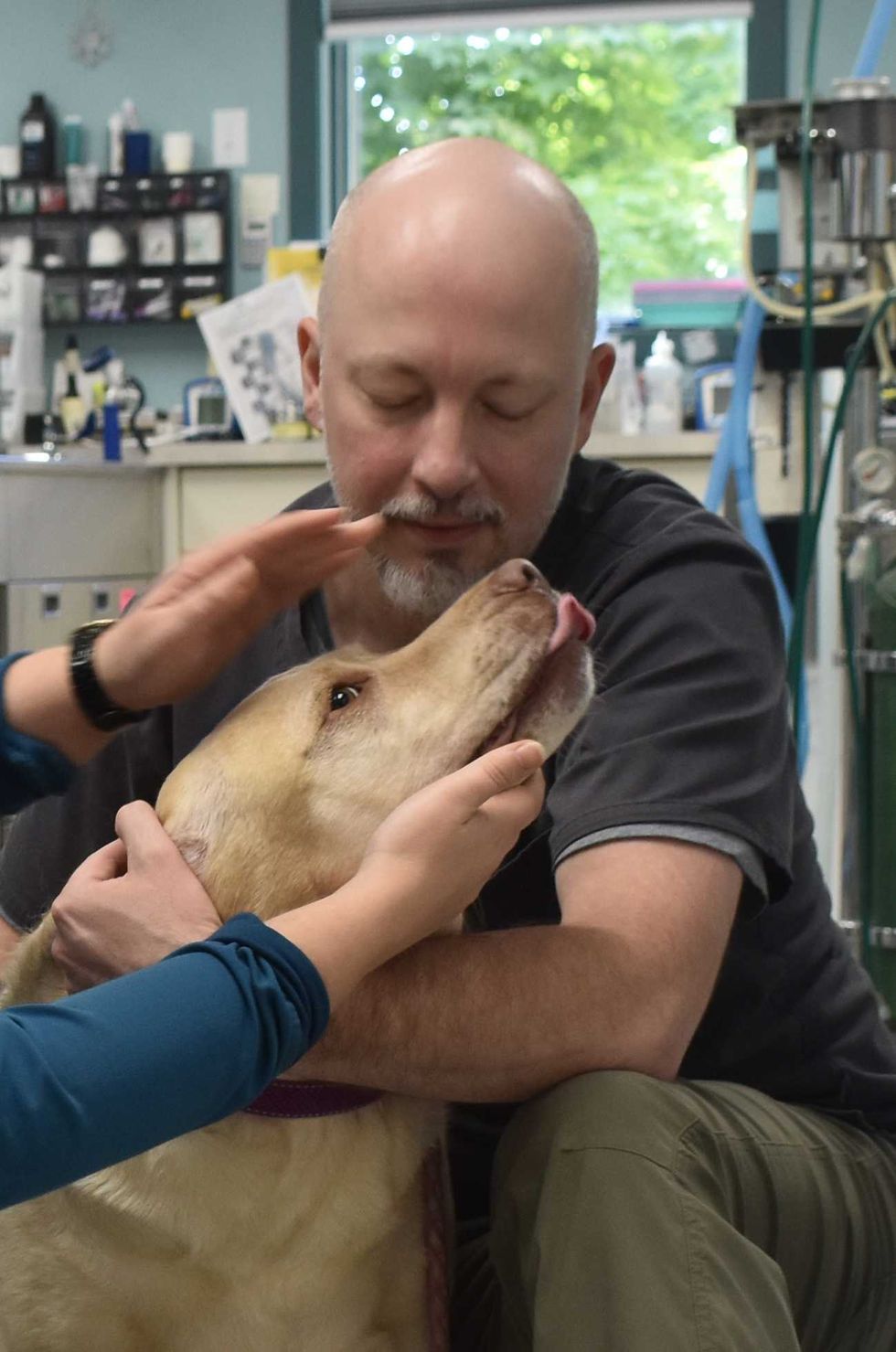 Veterinary assistant Ehren Melius examines Chloe, a Labrador retriever, at Copake Veterinary Hospital. Melius worked in animal welfare for nearly two decades before joining the practice.L. Tomaino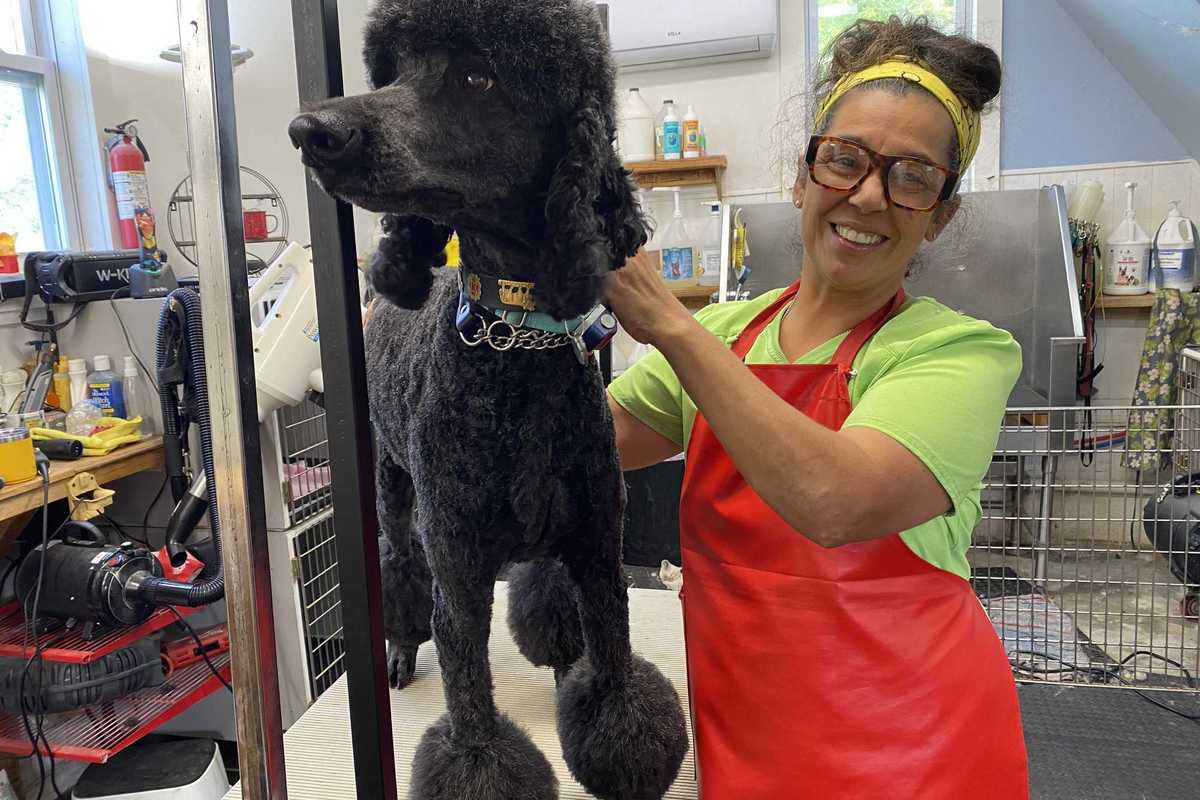
 Baby is ready to go home after enjoying a visit to Rosie’s Grooming.Provided