KENT — Farms and land trusts in the region seeking to increase climate resiliency will have an opportunity to receive professional support through a $750,000 state grant that has been awarded to the nonprofit Northwest Connecticut Land Conservancy (NCLC).
NCLC, the state’s largest land trust working with the communities of Litchfield and northern Fairfield Counties, was one of only 12 organizations statewide to receive a grant from the Connecticut Department of Agriculture’s Climate-Smart Agriculture and Forestry Grant Program.
The state allocated $7 million for the initiative in a highly competitive process which drew 78 applications seeking more than $55 million in grant funds.
“We are very grateful that the state has allocated this funding to climate-smart investments. That demonstrates how much need there is in our farming community,” said NCLC Executive Director Catherine Rawson.
Rawson said the grant will fund climate-smart agricultural assessments by the nonprofit Berkshire Agricultural Ventures of Great Barrington as well as provide direct funding for projects and farmland improvements that will help working lands in the region become more resilient in the face of a changing climate.
“Climate-smart agricultural practices include those that will help our local farms become more energy efficient, adapt to extreme weather events, improve water quality and reduce water use, and extend growing seasons,” she explained.
Examples of projects that qualify under the grant include the installation of high tunnels to extend the growing season, the use of cover crops to improve soil health, stream corridor buffer plantings to improve water quality and control, and address the spread of invasive plant species.
“The funds can also be used to install solar panels on existing farm buildings to help offset onsite energy use and costs,” said Rawson.
As part of NCLC’s state grant application, the regional conservation organization sought input from about 25 land trust partners throughout the region who reached out to farmland owners in their communities to gauge interest in the program. As a result, roughly a half dozen projects were forwarded to the state as examples of the need.
This is the first time the state has had a grant program specifically targeting climate-smart agricultural practices, said Rawson, who noted that she hopes it will not be the last.
Public Act 22-118, passed during the 2022 legislative session, allocated $14 million to the Connecticut Department of Agriculture to support Climate Smart Agriculture production and practices. The first $7 million was distributed for climate smart practices, with the additional $7 million coming available for farmland restoration and climate resiliency projects in the near future.
On March 30, Lt. Gov. Susan Bysiewicz, Agriculture Commissioner Bryan P. Hurlburt and DEEP Deputy Commissioner Mason Trumble concluded Climate Action Week with the announcement of the 12 grant recipients.
“These investments in Climate-Smart Agriculture and Forestry throughout our great state underline our administration’s commitment to supporting local farmers, increasing access to fresh foods, and combatting climate change,” said Bysiewicz.
Hurlburt noted that the vigorous response demonstrates a “clear desire by the industry to make change and the structure of the grant program allowed us to touch more than just the 12 recipient organizations, as many applied on behalf of a collective or will distribute funds through their own award process.”
Rawson said farms interested in seeking assistance will be able to apply later this year when NCLC opens the application process. The program is limited to applicants in NCLC’s service area as well as Sherman, Newtown and Brookfield.


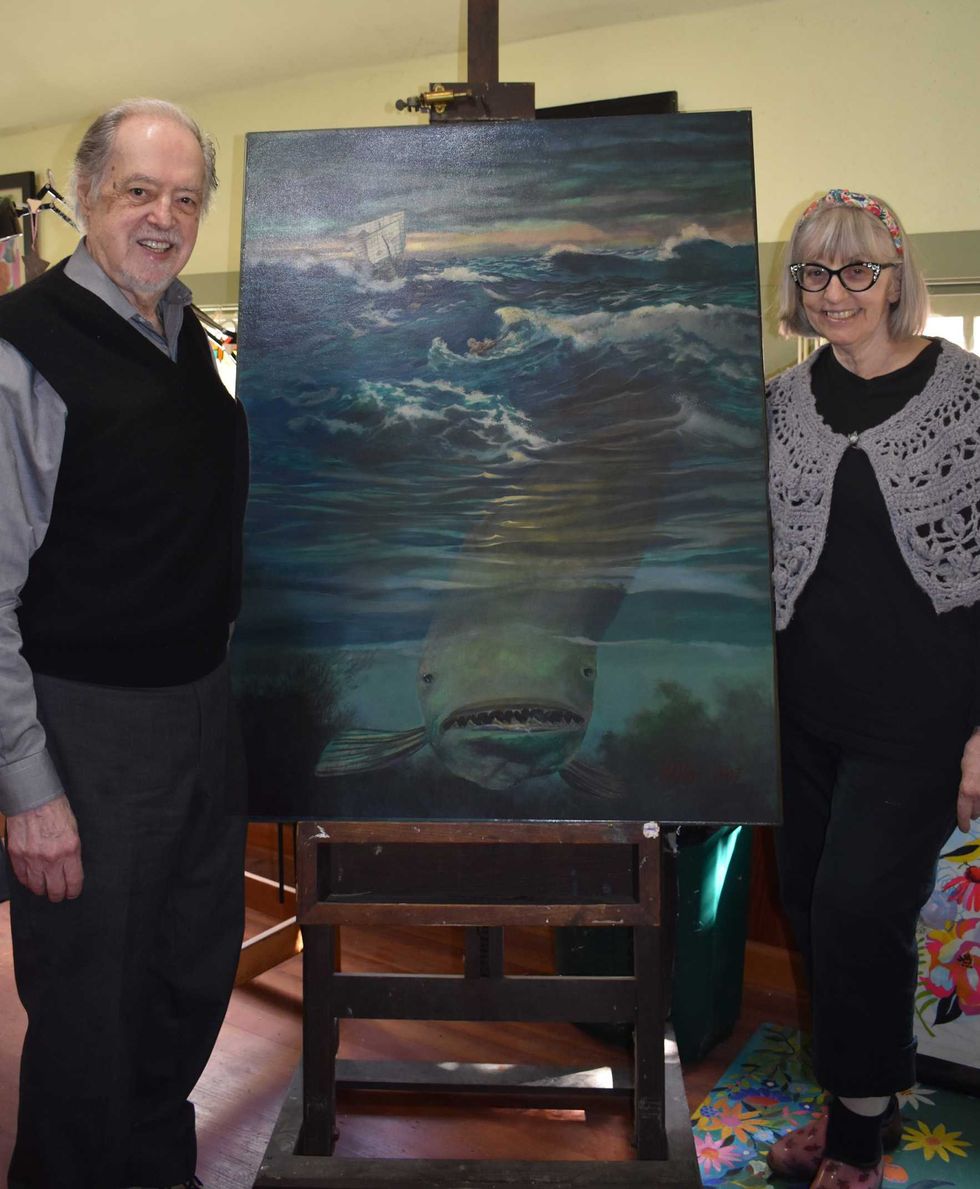 Justine and Victor Valla in their studio with a painting of Victor’s,”Jonah and the Whale.” Robin Roraback



 A ceramic vase by Kathleen Heidemann.Provided
 Joy Brown’s delightful ceramic sculptures.Provided

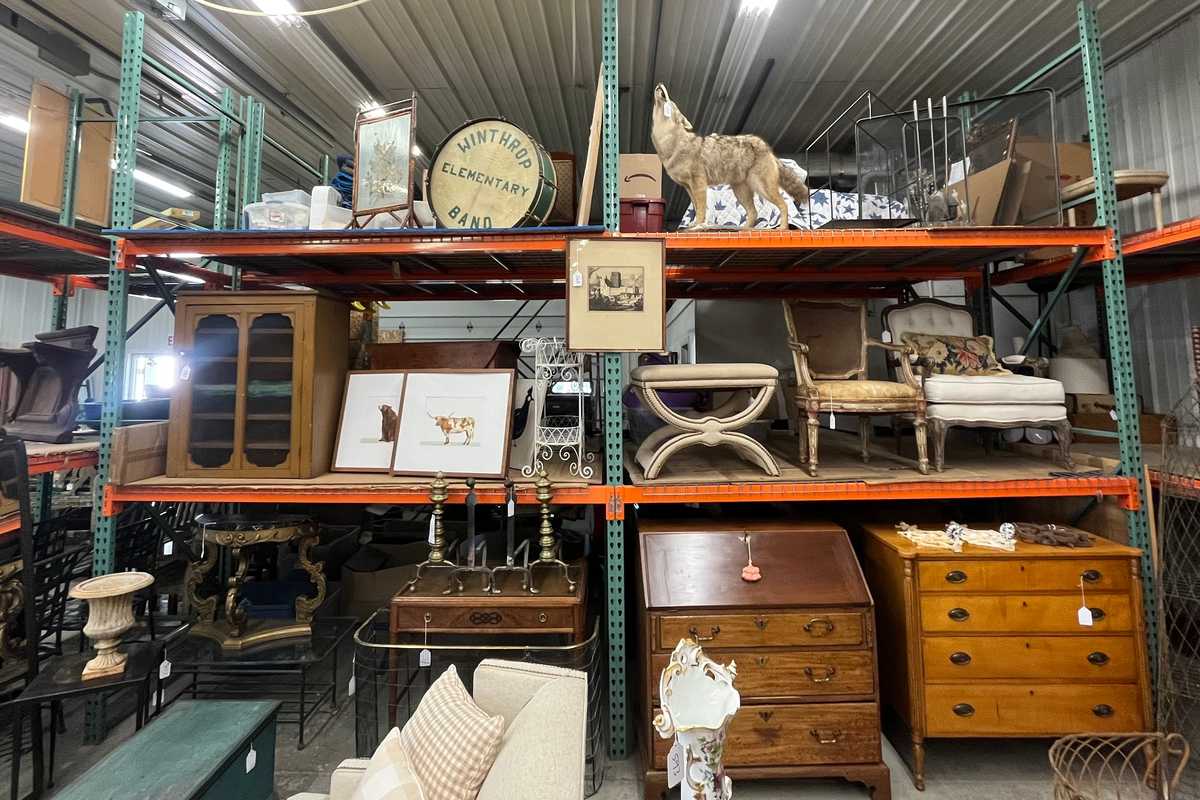
 Hundreds of items at Stateline Auctions, including a candy-apple-red Crosley pickup truck.D.H. Callahan